

Calories in a chicken breast vary based on size, preparation, and whether it’s skinless or with skin. A typical 3.5-ounce (100g) serving of cooked, skinless chicken breast contains about 165 calories. This guide breaks down what you need to know to accurately track your intake and make informed choices.
Ever feel a little lost when trying to figure out the calories in a chicken breast? You’re definitely not alone! Chicken is a super popular choice for healthy eating, but those numbers can seem a bit tricky to pin down. Is it the size? The skin? How it’s cooked? It can feel like a puzzle. But don’t worry, we’re here to clear things up. We’ll walk through everything you need to know, step by step, so you can feel confident about what you’re eating. Get ready to unlock the mystery of chicken breast calories!
Why Understanding Chicken Breast Calories Matters
Knowing the calorie content of your food, especially staples like chicken breast, is a foundational step in managing your diet. Whether your goal is weight management, muscle building, or simply maintaining a balanced lifestyle, understanding these numbers empowers you to make conscious choices. Chicken breast is a fantastic source of lean protein, which is crucial for satiety and muscle repair. However, even lean foods can contribute more calories than you expect if not accounted for properly. This guide aims to give you the clarity you need to incorporate chicken breast into your eating plan with confidence.
The Basics: What Influences Chicken Breast Calories?
Before we dive into specific numbers, let’s look at the main factors that can change how many calories are in a chicken breast:
- Size/Weight: This is the most obvious factor. A larger breast will naturally have more calories than a smaller one.
- Skin On vs. Skinless: Chicken skin is where a significant amount of fat resides. Removing the skin drastically reduces the calorie and fat content.
- Preparation Method: How you cook your chicken breast plays a huge role. Frying, for example, adds a lot more calories than grilling or baking.
- Added Ingredients: Marinades, sauces, breading, and oils used during cooking all contribute to the final calorie count.
Calorie Breakdown: Skinless Chicken Breast
Skinless chicken breast is often considered the gold standard for lean protein. Let’s break down the typical calorie count for a standard serving.
A 3.5-ounce (100-gram) serving of cooked, skinless chicken breast, typically baked, roasted, or grilled, contains approximately 165 calories. This serving usually provides around 31 grams of protein and very little fat (about 3.6 grams).
Here’s a quick look at approximate calorie counts for different weights of cooked, skinless chicken breast:
| Weight (grams) | Weight (ounces) | Approximate Calories | Approximate Protein (g) | Approximate Fat (g) |
|---|---|---|---|---|
| 50g | 1.8oz | 83 kcal | 15.5g | 1.8g |
| 100g | 3.5oz | 165 kcal | 31g | 3.6g |
| 150g | 5.3oz | 248 kcal | 46.5g | 5.4g |
| 200g | 7.1oz | 330 kcal | 62g | 7.2g |
Note: These are approximate values and can vary slightly based on the specific cut and cooking process. For precise tracking, using a kitchen scale and a reliable nutrition tracking app or database is recommended.
Calorie Breakdown: Chicken Breast with Skin
While skinless is often preferred for calorie counting, many people still enjoy chicken breast with the skin on. The skin adds flavor and moisture but also significantly increases the fat and calorie content.
A 3.5-ounce (100-gram) serving of cooked chicken breast with the skin on can contain around 190-200 calories. The fat content jumps up considerably, often to 7-10 grams, while the protein remains similar (around 28-30 grams).
Let’s see how the calories change with the skin:
| Weight (grams) | Weight (ounces) | Approximate Calories (with skin) | Approximate Protein (g) | Approximate Fat (g) |
|---|---|---|---|---|
| 50g | 1.8oz | 95-100 kcal | 14-15g | 3.5-5g |
| 100g | 3.5oz | 190-200 kcal | 28-30g | 7-10g |
| 150g | 5.3oz | 285-300 kcal | 42-45g | 10.5-15g |
| 200g | 7.1oz | 380-400 kcal | 56-60g | 14-20g |
As you can see, keeping the skin on adds a noticeable amount of calories and fat. If calorie tracking is a priority, opting for skinless chicken breast is a simple yet effective strategy.
Impact of Cooking Methods on Calories
The way you cook your chicken breast can dramatically alter its calorie count. Here’s how different popular methods stack up:
- Baking/Roasting: This is a very lean cooking method. When you bake or roast skinless chicken breast without added fats, the calories remain close to the base values mentioned earlier. If you add a little oil, butter, or a marinade, those calories will be added.
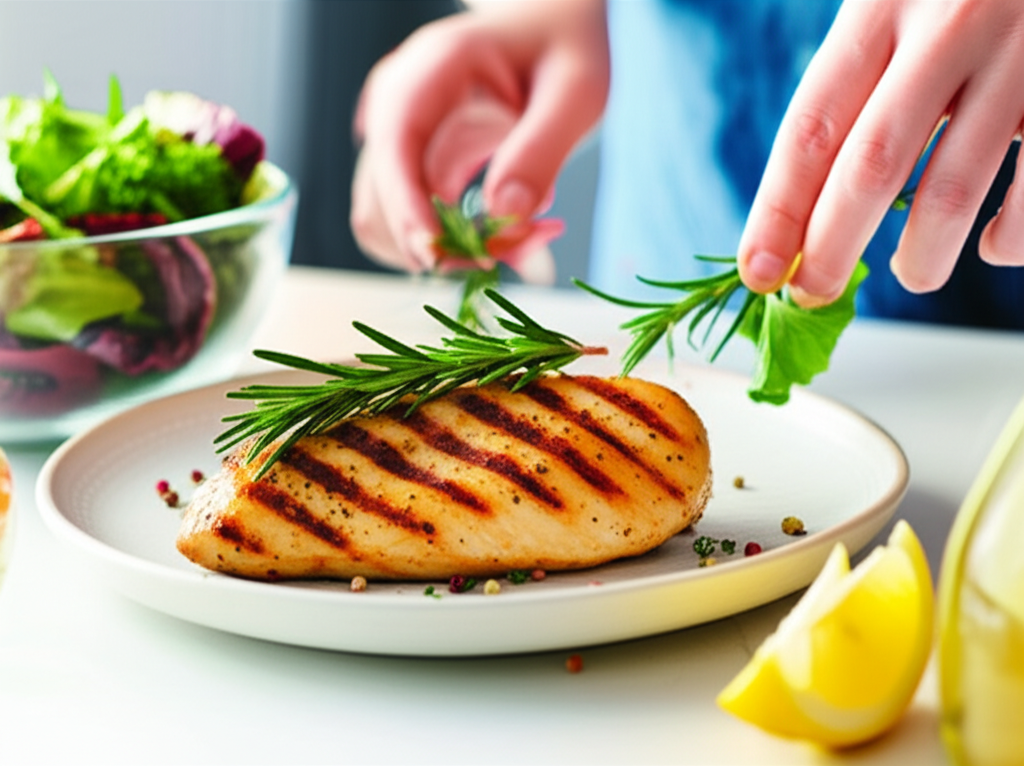
- Grilling: Similar to baking, grilling is a great way to cook chicken breast with minimal added fat. The fat that does render out can drip away, making it a healthy choice. Again, marinades and sauces will impact the final calorie count.
- Poaching: Poaching chicken in water or broth is another very low-calorie method. It keeps the chicken moist without adding fat.
- Pan-Frying (with minimal oil): Sautéing chicken breast in a small amount of healthy oil (like olive oil or avocado oil) will add calories from the oil. A tablespoon of olive oil, for instance, adds about 120 calories.
- Deep-Frying: This method adds the most calories. The chicken absorbs oil, and if it’s breaded, the breading also soaks up fat. A breaded and fried chicken breast can easily double its original calorie count.
- Stir-Frying: While often healthier than deep-frying, stir-frying typically involves cooking with oil in a wok or pan. The amount of oil used will determine the added calories.
For the most accurate calorie tracking, consider the total amount of oil, butter, or other fats used in your cooking process. A good rule of thumb is to measure any added fats.
The Role of Marinades and Sauces
Marinades and sauces are flavor powerhouses, but they can also be calorie culprits. Many marinades contain oil, sugar, or honey, all of which add calories. Sauces can be even higher in sugar, fat, and sodium.
Example: A typical store-bought teriyaki sauce can add anywhere from 30-50 calories per 2-tablespoon serving, often with a significant amount of sugar. A creamy Alfredo sauce can add 100-200 calories per serving.
Tips for managing marinade and sauce calories:
- Opt for lighter marinades: Use citrus juices, herbs, spices, vinegar, and a small amount of olive oil.
- Measure your sauces: Be mindful of how much sauce you’re using.
- Make your own: Creating your own marinades and sauces allows you to control the ingredients and calorie content.
- Choose lighter options: Look for low-sugar, low-fat versions of your favorite sauces.
You can find comprehensive information on the nutritional content of various sauces and marinades through resources like the USDA FoodData Central.
How to Accurately Track Chicken Breast Calories
Tracking calories doesn’t have to be complicated. Here’s a simple, step-by-step approach:
- Weigh Your Chicken: Use a kitchen scale to weigh your chicken breast before cooking. This is the most accurate way to determine the portion size.
- Note the Type: Is it skinless or with skin?
- Choose Your Cooking Method: Remember how different methods affect calories.
- Account for Added Fats/Ingredients: Measure any oils, butter, marinades, or breading used.
- Use a Reliable Tracking Tool: Many free apps and websites (like MyFitnessPal, Cronometer, or the USDA database) allow you to input the weight and preparation method to get a calorie estimate.
For example, if you weigh 6 ounces (about 170g) of raw, skinless chicken breast and plan to bake it without added fat, you would look up the raw nutritional information and then adjust for the weight. Most tracking apps will automatically calculate the cooked values based on common cooking methods.
Raw vs. Cooked Chicken Breast: What’s the Difference?
You might notice that the calorie and nutrient information can differ slightly between raw and cooked chicken breast, especially when looking at weight. This is primarily due to moisture loss during cooking.
When chicken cooks, it loses water and some fat. This means that 100 grams of cooked chicken breast will weigh less than 100 grams of raw chicken breast, but the nutrient density per gram will be higher in the cooked version. For example, 100 grams of raw, skinless chicken breast has about 120 calories and 23 grams of protein. After cooking, that same amount of chicken (which would now weigh less than 100g due to moisture loss) will be around 165 calories and 31 grams of protein per 100 grams of cooked weight. This is why it’s often recommended to track based on the cooked weight for more accurate meal reporting.
Tips for Keeping Chicken Breast Healthy and Low-Calorie
Want to enjoy chicken breast without inflating the calorie count? Here are some easy tips:
- Always go skinless: This is the easiest way to cut down on fat and calories.
- Choose dry heat cooking methods: Baking, roasting, grilling, and poaching are your best friends.
- Measure your oils: If you must use oil for cooking, use a measuring spoon to control the amount. A little goes a long way!
- Embrace herbs and spices: They add tons of flavor without adding calories. Garlic powder, onion powder, paprika, cumin, and fresh herbs are great options.
- Make your own marinades: Control the sugar and sodium by making your own with ingredients like lemon juice, vinegar, soy sauce (low sodium), herbs, and spices.
- Watch out for breading: If you love breaded chicken, consider alternative coatings like crushed whole-wheat crackers, almond flour, or panko breadcrumbs, and bake instead of fry.
- Be mindful of portion sizes: Even healthy foods should be eaten in moderation.
Frequently Asked Questions (FAQs)
What is the calorie count of a typical 4-ounce chicken breast?
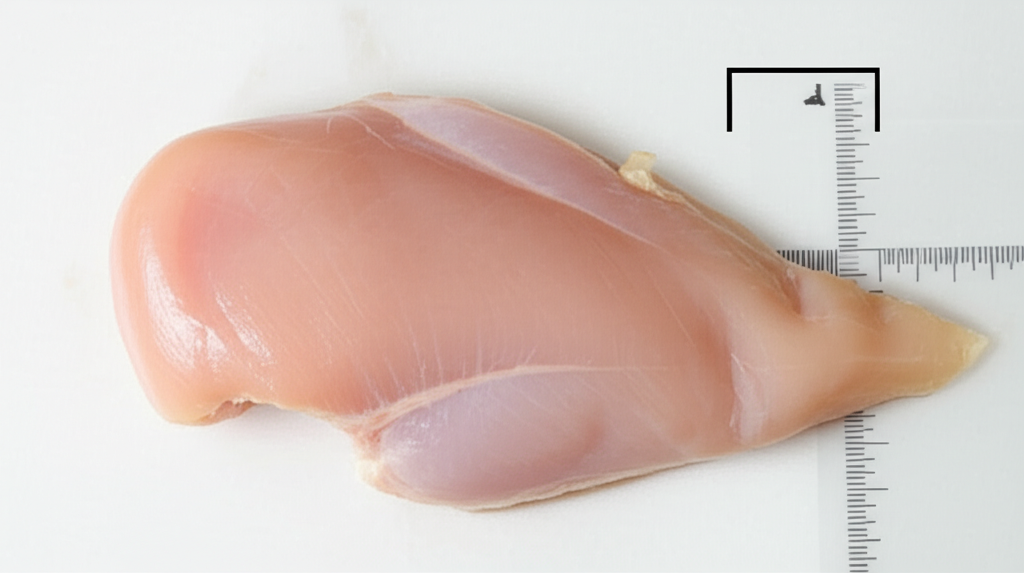
A 4-ounce (approximately 113g) serving of cooked, skinless chicken breast contains roughly 187 calories. This is based on the average of about 165 calories per 100 grams.
Does cooking chicken breast change its calorie count?
Yes, cooking changes the density of calories per gram due to moisture loss. While the total calories in the piece of chicken remain the same (unless fat is added or lost), 100 grams of cooked chicken breast will have more calories and protein than 100 grams of raw chicken breast because it’s more concentrated.
Are fried chicken breasts significantly higher in calories than baked ones?
Yes, significantly. Frying, especially with breading, causes the chicken to absorb oil. A breaded and fried chicken breast can have more than double the calories of a plain baked or grilled chicken breast due to the oil and breading.
How many calories are in a raw chicken breast?
A 3.5-ounce (100g) serving of raw, skinless chicken breast contains about 120 calories. This value increases if the skin is present.
Should I track calories based on raw or cooked weight?
It’s generally more accurate to track calories based on the cooked weight of your chicken breast, especially when reporting your food intake in a meal tracking app. This accounts for any moisture or fat lost during cooking.
Can I eat chicken breast every day?
Yes, chicken breast can be a healthy part of a daily diet due to its high protein content and relatively low calories, especially when prepared healthily. However, a varied diet is always recommended for a broad range of nutrients. For guidance on dietary needs, consulting a registered dietitian or nutritionist is advisable.
What’s the best way to add flavor to chicken breast without adding many calories?
Flavor your chicken breast with herbs (fresh or dried), spices (paprika, garlic powder, onion powder, chili powder), lemon juice, lime juice, vinegar, mustard, or low-sodium soy sauce. Grilling or baking with these seasonings is a great low-calorie option.
Conclusion: Your Confident Chicken Journey
Navigating the world of food calories can seem daunting, but we hope this guide has made understanding the calories in a chicken breast much clearer. Remember, a 3.5-ounce (100g) serving of cooked, skinless chicken breast is a fantastic, lean protein source with around 165 calories. The key takeaways are to be mindful of the skin, choose healthier cooking methods like baking or grilling, and be aware of any added fats, marinades, or sauces.
By using a kitchen scale, understanding the impact of preparation, and utilizing reliable tracking tools, you can accurately incorporate chicken breast into your healthy eating plan. Don’t aim for perfection overnight; focus on making small, consistent changes. Every time you weigh your chicken or choose a grilled option over a fried one, you’re taking a positive step towards your health goals. You’ve got this!