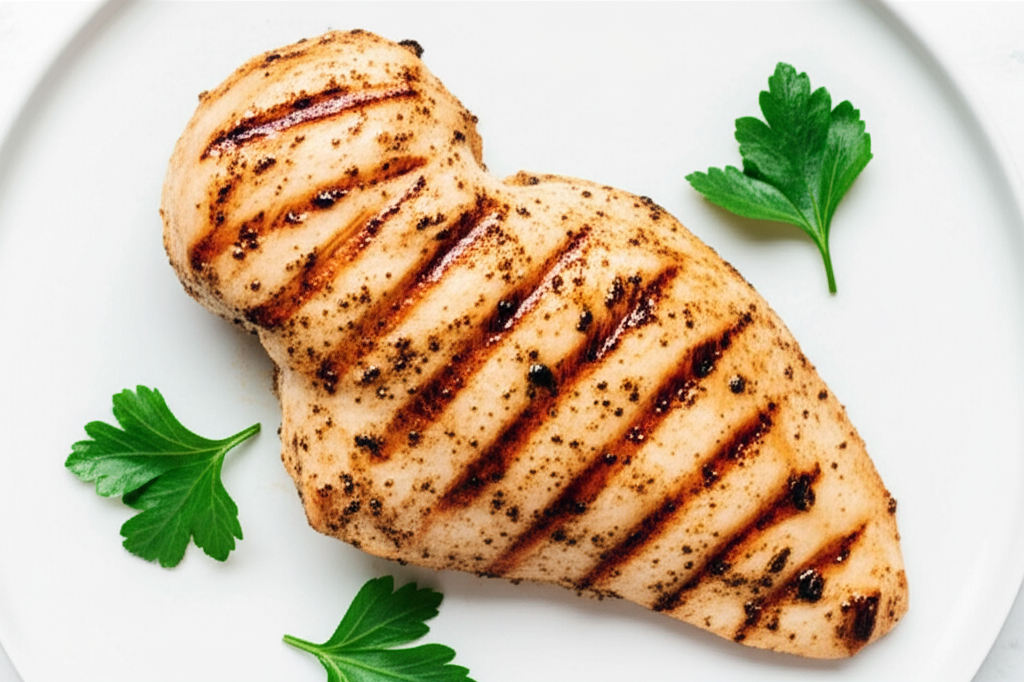

Are Calories in a Chicken Breast? Essential Guide
Quick Summary: Yes, chicken breasts contain calories. The exact number varies based on size and preparation method. This guide provides a simple, step-by-step approach to understanding and calculating chicken breast calories, empowering you to make informed dietary choices.
Many people find counting calories confusing. It can feel overwhelming. But don’t worry! This guide will show you exactly how many calories are in a chicken breast. We’ll make it easy to understand. You’ll feel confident about your food choices after reading this.
Understanding Chicken Breast Calories: A Simple Breakdown
Chicken breast is a lean protein source, a favorite for health-conscious individuals. But, like all foods, it contains calories. Calories provide energy. Understanding how many calories are in your chicken breast helps you manage your daily intake.
The calorie count isn’t fixed. It depends on several factors. Let’s break them down step-by-step.
Factors Affecting Chicken Breast Calorie Count
Several things change the calorie count in your chicken breast. Let’s explore the key factors.
- Size of the Chicken Breast: A larger breast naturally has more calories than a smaller one. Think of it like this: a bigger piece of cake has more calories than a smaller one.
- Cooking Method: Adding oil or butter during cooking adds extra calories. Baking or grilling is generally lower in calories than frying.
- Added Ingredients: Sauces, marinades, and seasonings can significantly impact the overall calorie count. A simple marinade adds fewer calories than a creamy sauce.
- Type of Chicken: While the differences are usually minor, there might be slight variations in calorie content between different types of chicken (organic, free-range, etc.). Check the nutrition label for specifics.
Step-by-Step Guide to Calculating Chicken Breast Calories
Let’s learn how to figure out the calorie count in your chicken breast. It’s easier than you think!
- Weigh Your Chicken Breast: Use a kitchen scale to accurately weigh your raw chicken breast in grams or ounces. Accuracy is key!
- Find the Calorie Information: Check the nutrition label on the chicken packaging. The label will usually provide calories per ounce or per 100 grams.
- Perform the Calculation: Use simple math to calculate the total calories. For example, if the label says 100 grams has 165 calories, and your breast weighs 150 grams, you can estimate the total calories as 247.5 (165 calories/100 grams * 150 grams). You can use online calorie calculators for easier calculations if needed.
- Account for Cooking Method: Add extra calories if you used oil, butter, or high-calorie sauces during cooking. A rough estimate is helpful, and you can find approximate values online for common cooking methods and added ingredients.
- Consider Added Ingredients: If you added anything to the chicken after cooking (e.g., sauces), add those calories to your total. You can find this information on the respective product labels.
Using Online Resources and Tools
Many online tools can help you calculate chicken breast calories. These tools often have extensive databases of foods, making calculations quick and easy.
Here are a few reliable options:
- USDA FoodData Central: This comprehensive database from the United States Department of Agriculture provides detailed nutritional information on a vast range of foods, including different cuts of chicken.
- MyFitnessPal or similar apps: Many fitness and nutrition apps allow you to search for foods and track your calorie intake. They often have extensive food databases and make calorie counting convenient.
Sample Calorie Calculations
Let’s look at some examples to make it clearer.
| Scenario | Chicken Breast Weight (grams) | Calories per 100g (from label) | Estimated Calories (before cooking) | Cooking Method | Approximate Added Calories (Cooking) | Total Estimated Calories |
|---|---|---|---|---|---|---|
| Scenario 1 | 120 | 165 | 198 | Baked | 10 | 208 |
| Scenario 2 | 150 | 165 | 247.5 | Pan-fried (with 1 tbsp oil) | 120 | 367.5 |
| Scenario 3 | 100 | 165 | 165 | Grilled | 5 | 170 |
Understanding Calorie Density
Calorie density refers to the number of calories in a given weight or volume of food. Chicken breast has relatively low calorie density compared to many other protein sources. This means you can eat a larger portion of chicken breast and still consume relatively fewer calories.
This is a significant advantage for weight management and overall health. The low calorie density also means you’ll feel full with a relatively small amount of chicken breast.
Tips for Managing Chicken Breast Calories
Here are some simple tips to help you manage your chicken breast calorie intake effectively.
- Choose lean cuts: Opt for chicken breast over other parts, as they contain less fat and fewer calories.
- Use healthy cooking methods: Baking, grilling, or poaching are healthier options than frying.
- Be mindful of added ingredients: Limit the use of high-calorie sauces, marinades, and seasonings.
- Control portion sizes: Use a kitchen scale to ensure you’re eating the appropriate portion size for your dietary needs.
- Track your calories: Use a food diary or app to monitor your daily calorie intake.
Frequently Asked Questions
- Q: Are all chicken breasts the same in terms of calories?
A: No, the calorie count varies depending on the size of the breast and how it’s prepared. - Q: How many calories are in a 4-ounce chicken breast?
A: This depends on the specific chicken breast and preparation method. A 4-ounce (approximately 113g) raw chicken breast typically contains between 140 and 180 calories. Always check the nutrition label for accurate information. - Q: Are calories in grilled chicken breast lower than in fried chicken breast?
A: Yes, grilled chicken breast generally has fewer calories than fried chicken breast due to the absence of added oil or batter. - Q: How can I reduce the calories in my chicken breast dishes?
A: Choose lean cooking methods (baking, grilling), use less oil, and opt for low-calorie sauces and seasonings. - Q: Is it important to weigh my chicken breast before cooking?
A: Yes, weighing your chicken breast ensures accurate calorie calculation. This gives you a better idea of your daily calorie intake. - Q: Are there any online resources to help me calculate calories?
A: Yes, many websites and apps (like the USDA FoodData Central and MyFitnessPal) provide tools to calculate the calorie content of various foods. - Q: Can I still eat chicken breast while trying to lose weight?
A: Absolutely! Chicken breast is a lean protein source that supports weight loss when consumed as part of a balanced diet. Focus on portion control and healthy cooking methods.
Conclusion
Understanding the calorie content of your chicken breast is a crucial step in making informed dietary choices. Remember, the calorie count isn’t fixed. It depends on the size of the breast and how you prepare it. By following the steps outlined in this guide and utilizing available online resources, you can easily calculate the calories in your chicken breast and make healthy, sustainable choices that align with your personal health goals. Don’t be afraid to experiment and find what works best for you. Remember, small, consistent changes lead to big results!