
Are Broiler Chickens Good for Health? Proven Essential Guide
Quick Summary: Broiler chickens, raised for meat, offer a good source of protein. However, their nutritional profile and health impact depend on farming practices and preparation methods. While they can be part of a healthy diet, mindful consumption, considering factors like antibiotic use and cooking methods, is key.
Choosing healthy foods can feel overwhelming. Understanding the nutritional value of broiler chicken is a common concern. This guide breaks it down simply, step-by-step, so you feel confident about your food choices. Let’s get started!
Understanding Broiler Chickens: A Simplified Overview
Broiler chickens are raised specifically for meat production. They grow quickly, reaching market weight in just a few weeks. This rapid growth is achieved through selective breeding and optimized feeding practices. Understanding how they’re raised impacts their nutritional value and potential health effects.
Nutritional Value of Broiler Chicken
Broiler chicken is a good source of lean protein, essential for building and repairing tissues. A 3-ounce serving provides approximately 26 grams of protein. It’s also a source of several essential nutrients, including niacin, vitamin B6, and selenium. However, the nutritional content can vary depending on the chicken’s diet and farming practices.
| Nutrient | Amount per 3-ounce serving (cooked) |
|---|---|
| Protein | ~26 grams |
| Calories | ~140-160 |
| Fat | ~3-8 grams |
| Cholesterol | ~80-90 mg |
| Niacin | ~10% of the Daily Value |
| Vitamin B6 | ~7% of the Daily Value |
| Selenium | ~20% of the Daily Value |
Note: Nutritional values can vary slightly depending on the breed, diet, and cooking method.
Potential Health Concerns Related to Broiler Chicken Consumption
While broiler chicken offers nutritional benefits, some concerns exist:
- Antibiotic Use: Some broiler chickens are raised with antibiotics, raising concerns about antibiotic resistance. Look for labels indicating antibiotic-free or organic practices. The FDA provides information on antibiotic use in food animals.
- High Fat Content (Depending on Cut): Certain cuts of broiler chicken can be higher in fat than others. Opt for leaner cuts like breast meat to minimize fat intake.
- Processing and Handling: Improper handling and processing can increase the risk of bacterial contamination, such as Salmonella and Campylobacter. Thorough cooking is crucial to eliminate these pathogens. The CDC offers detailed guidance on food safety.
- High Sodium Content (Processed): Processed broiler chicken products, such as nuggets and patties, often contain high levels of sodium. Limit your intake of these items.
How to Choose and Prepare Broiler Chicken for Optimal Health
Making informed choices about broiler chicken involves selecting the right products and preparing them safely:
- Choose antibiotic-free or organic options: Look for labels indicating antibiotic-free or organic farming practices. These chickens are typically raised without antibiotics and given organic feed.
- Select lean cuts: Opt for breast meat, which is generally lower in fat than other parts like thighs or legs. Trim visible fat before cooking.
- Check for freshness: Ensure the chicken is properly refrigerated and hasn’t expired. The meat should be firm and have a pleasant smell.
- Cook thoroughly: Always cook broiler chicken to an internal temperature of 165°F (74°C) to kill harmful bacteria. Use a meat thermometer to ensure it’s cooked properly.
- Proper Handling: Wash your hands thoroughly before and after handling raw chicken. Avoid cross-contamination by using separate cutting boards and utensils for raw and cooked chicken.
Broiler Chicken vs. Other Protein Sources: A Comparison
Comparing broiler chicken with other protein sources helps you make informed dietary choices:
| Protein Source | Pros | Cons |
|---|---|---|
| Broiler Chicken | Good source of lean protein, relatively inexpensive, versatile in cooking | Potential for antibiotic use, can be higher in fat (depending on cut), needs proper handling and cooking |
| Fish | Rich in omega-3 fatty acids, good source of protein, low in saturated fat | Can be more expensive than chicken, potential for mercury contamination (depending on the type) |
| Beans and Legumes | Good source of protein and fiber, relatively inexpensive, low in fat | Can be high in carbohydrates, requires longer cooking times |
| Tofu | Good source of protein, low in fat, cholesterol-free | Can have a bland taste, requires careful preparation to achieve desired texture |
Incorporating Broiler Chicken into a Healthy Diet
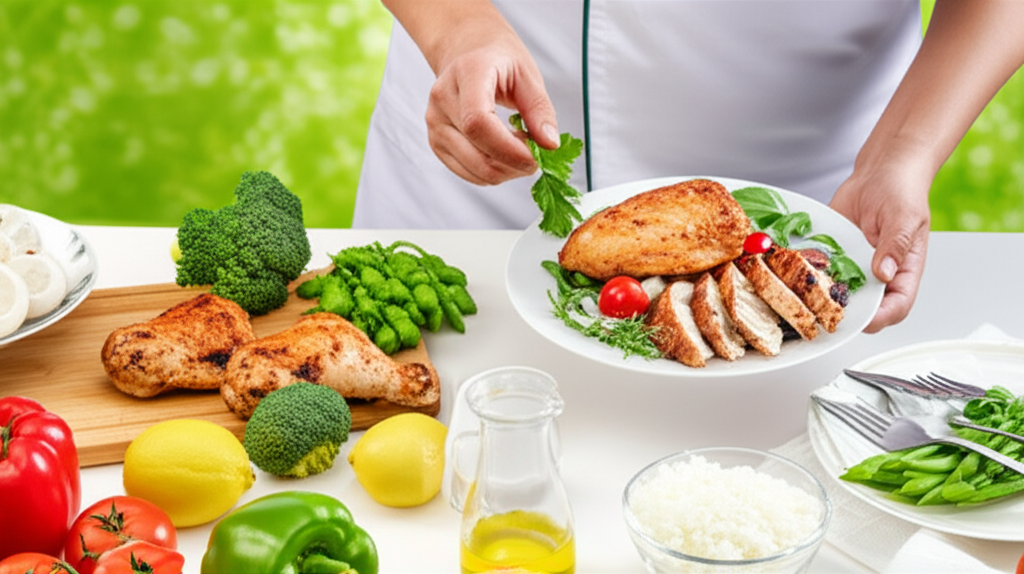
Broiler chicken can be a valuable part of a balanced diet. Here are some tips for incorporating it healthily:
- Portion control: Stick to recommended serving sizes to manage calorie and fat intake.
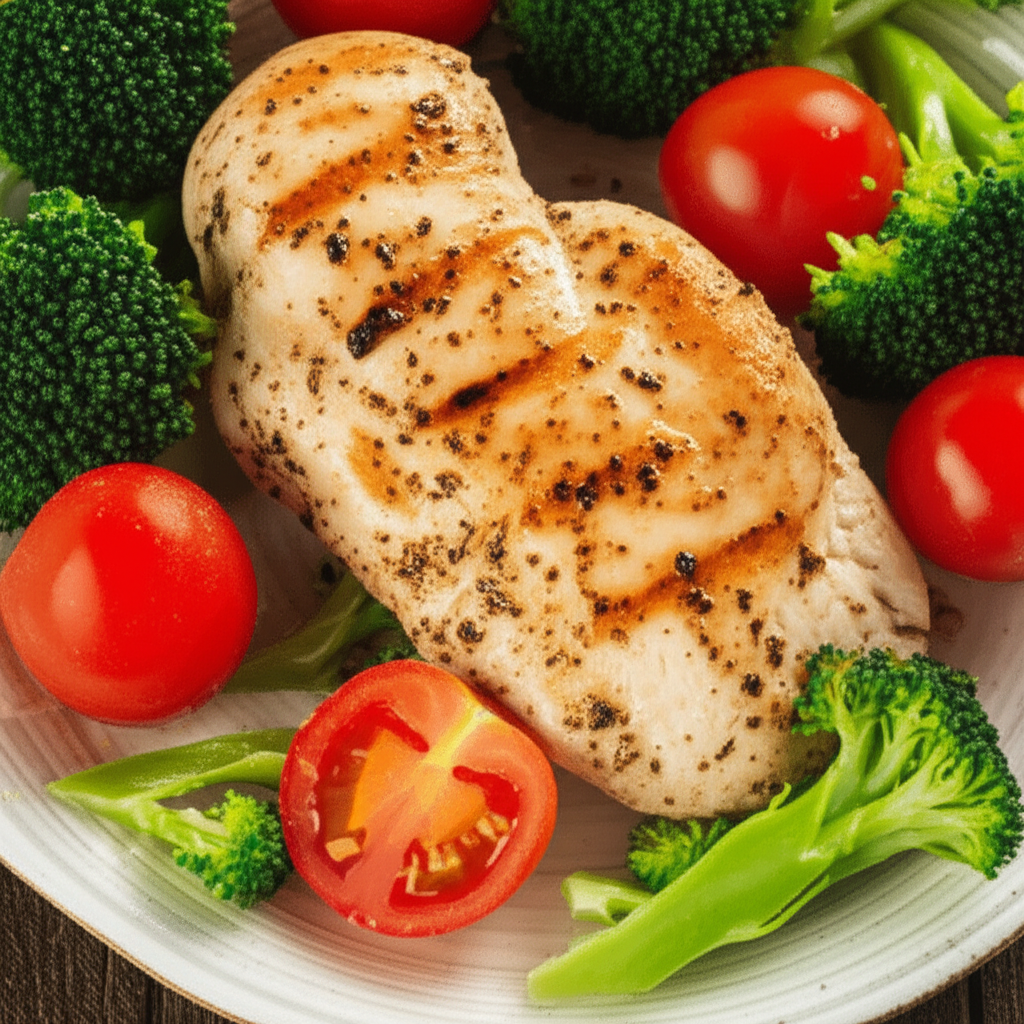
- Healthy cooking methods: Opt for grilling, baking, or poaching instead of frying to reduce added fat.
- Balance with vegetables: Include plenty of fruits and vegetables in your meals to create a balanced and nutritious diet.
- Variety is key: Include other protein sources in your diet for nutritional diversity.
Frequently Asked Questions (FAQs)
Q: Is broiler chicken safe to eat?
A: Yes, when properly handled and cooked. Ensure it reaches an internal temperature of 165°F (74°C) to kill harmful bacteria.
Q: Are organic broiler chickens healthier?
A: Organic broiler chickens are raised without antibiotics and given organic feed, potentially reducing exposure to certain chemicals. However, the nutritional differences compared to conventionally raised chickens might be minimal.
Q: How much broiler chicken should I eat per week?
A: The amount depends on your individual dietary needs and overall calorie intake. Consult a nutritionist or dietitian for personalized guidance.
Q: Can I freeze broiler chicken?
A: Yes, freezing broiler chicken is a great way to extend its shelf life. Wrap it tightly in freezer-safe packaging.
Q: What are the best ways to cook broiler chicken?
A: Grilling, baking, poaching, and stir-frying are healthy cooking methods. Avoid deep frying to reduce added fat.
Q: Are there any alternatives to broiler chicken?
A: Yes, plenty! Fish, beans, lentils, tofu, and other lean meats are all excellent protein sources.
Q: Where can I find more information on safe food handling?
A: The USDA’s Food Safety and Inspection Service website (fsis.usda.gov) and the CDC’s food safety website (cdc.gov/foodsafety) are great resources.
Conclusion
Broiler chicken can be a healthy and delicious addition to your diet when chosen and prepared wisely. By selecting antibiotic-free or organic options, opting for lean cuts, and practicing safe food handling and cooking techniques, you can maximize the nutritional benefits and minimize potential health risks. Remember to incorporate a variety of protein sources and consult with a healthcare professional or registered dietitian for personalized dietary advice.