



Roast chicken is one of the healthiest and most nutritious meals you can enjoy. It’s rich in high-quality protein, essential vitamins, and minerals while being low in unhealthy fats when prepared properly. Whether you’re building muscle, managing weight, or simply eating clean, roast chicken supports your health goals deliciously.
Key Takeaways
- High in lean protein: Roast chicken provides complete protein with all essential amino acids, supporting muscle growth, repair, and satiety.
Especially B6 and niacin, which help convert food into energy and support brain and nerve function. - Supports immune health: Zinc and selenium in chicken boost immune function and act as powerful antioxidants.
- Low in saturated fat: When skin is removed and cooked without added fats, roast chicken is a heart-healthy option.
- Promotes bone health: Contains phosphorus and collagen-building compounds that support strong bones and joints.
- Versatile and balanced: Easily paired with vegetables and whole grains for a complete, nutrient-dense meal.
- Supports weight management: High protein and low calorie density help you feel full longer, reducing overeating.
Quick Answers to Common Questions
Is roast chicken healthy if I eat the skin?
The skin adds flavor and crispiness but also increases fat and calories. A 3-ounce serving with skin has about 190 calories and 7 grams of fat, compared to 140 calories and 3 grams without. Enjoy it in moderation—remove the skin if you’re watching calories or cholesterol.
Can I eat roast chicken every day?
Yes, as long as it’s part of a varied diet. Eating the same food daily can lead to nutrient imbalances. Rotate with other proteins like fish, beans, and eggs to ensure you get a wide range of nutrients.
Is roasted chicken better than grilled or fried?
Roasting is generally healthier than frying, which adds unhealthy fats. Grilling is also a great option, but avoid charring, which can create carcinogens. Roasting with herbs and vegetables is one of the healthiest cooking methods.
Does roast chicken help with muscle building?
Absolutely. The high-quality protein in roast chicken provides all essential amino acids needed for muscle repair and growth. Pair it with carbs and healthy fats post-workout for optimal recovery.
Is organic or free-range chicken healthier?
Organic and free-range chickens are often raised without antibiotics and have access to outdoor spaces, which may improve their nutrient profile. They may also have higher levels of omega-3s. While not essential, they’re a good choice if available and affordable.
📑 Table of Contents
- Why Is Roast Chicken Healthy and Nutritious?
- Rich Source of High-Quality Protein
- Packed with Essential Vitamins and Minerals
- Supports Heart Health When Prepared Properly
- Promotes Weight Management and Satiety
- Boosts Immune Function and Fights Inflammation
- Versatile, Affordable, and Family-Friendly
- Conclusion: A Healthy Choice for Every Plate
Why Is Roast Chicken Healthy and Nutritious?
There’s something deeply satisfying about the aroma of a golden, perfectly roasted chicken wafting through the kitchen. The crispy skin, the tender meat, and the rich, savory juices—it’s comfort food at its finest. But beyond its delicious taste, roast chicken is also a nutritional powerhouse. Whether you’re a fitness enthusiast, a busy parent, or someone simply trying to eat healthier, roast chicken deserves a regular spot on your dinner table.
Unlike many processed or fried foods, roast chicken is a whole, minimally processed protein source. When prepared with care—using minimal added fats, herbs, and vegetables—it becomes a balanced, nutrient-dense meal. It’s not just about the protein, though that’s a major benefit. Roast chicken delivers a wide range of vitamins, minerals, and healthy compounds that support everything from muscle function to immune defense.
In this article, we’ll explore the many reasons why roast chicken is healthy and nutritious. From its impressive protein content to its role in weight management and disease prevention, you’ll see why this classic dish is more than just a Sunday dinner staple—it’s a smart choice for long-term health.
Rich Source of High-Quality Protein
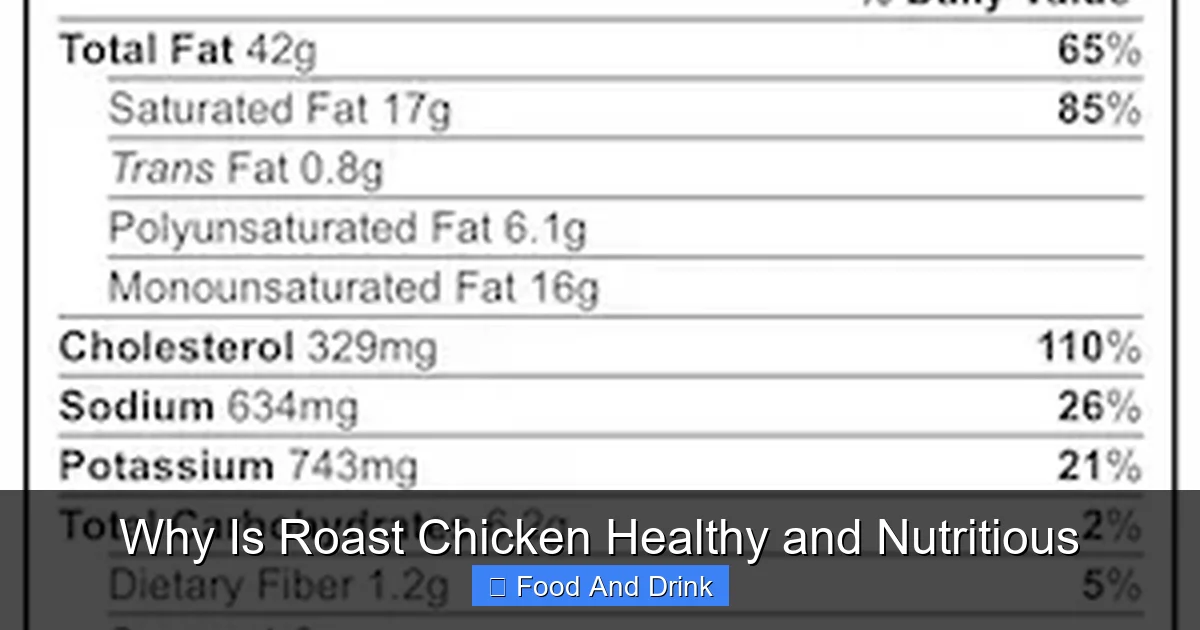
Visual guide about Why Is Roast Chicken Healthy and Nutritious
Image source: recipetineats.com
One of the biggest reasons roast chicken is healthy is its high protein content. A 3-ounce (85-gram) serving of roasted chicken breast contains about 26 grams of protein—more than half the daily recommended intake for most adults. But it’s not just the quantity that matters; it’s the quality.
Chicken is a complete protein, meaning it contains all nine essential amino acids your body can’t make on its own. These amino acids are the building blocks for muscles, enzymes, hormones, and immune cells. Whether you’re recovering from a workout, healing from an injury, or just trying to maintain muscle as you age, roast chicken gives your body the tools it needs.
For example, leucine—an amino acid abundant in chicken—plays a key role in triggering muscle protein synthesis. This is especially important for older adults who may experience muscle loss (sarcopenia) or for athletes looking to build strength. Eating roast chicken after a workout can help speed up recovery and reduce soreness.
And because protein takes longer to digest than carbs or fats, it helps you feel full and satisfied. This makes roast chicken a great option for weight management. Studies show that high-protein meals reduce hunger hormones like ghrelin and increase satiety hormones like peptide YY. So instead of reaching for snacks an hour later, you’ll stay full and focused.
How to Maximize Protein Benefits
To get the most protein from your roast chicken, focus on the white meat—like the breast and wings. These cuts are leaner and higher in protein compared to dark meat (like thighs and drumsticks), which contain more fat. That said, dark meat still offers great nutrition and can be part of a healthy diet in moderation.
Avoid frying or breading your chicken, as these methods add empty calories and unhealthy fats. Instead, roast it with herbs, garlic, and a little olive oil for flavor. You can also brine the chicken before roasting to keep it juicy without adding extra fat.
Another tip: pair your roast chicken with fiber-rich sides like roasted broccoli, quinoa, or a leafy green salad. The combination of protein and fiber keeps your blood sugar stable and enhances satiety.
Packed with Essential Vitamins and Minerals

Visual guide about Why Is Roast Chicken Healthy and Nutritious
Image source: shungrill.com
Roast chicken isn’t just about protein—it’s also loaded with essential vitamins and minerals that support nearly every system in your body. Let’s break down some of the key nutrients and why they matter.
B Vitamins: Energy and Brain Power
Chicken is one of the best dietary sources of B vitamins, especially vitamin B6 (pyridoxine) and niacin (vitamin B3). A single 3-ounce serving of roasted chicken breast provides over 50% of your daily B6 needs and about 70% of your niacin requirements.
Vitamin B6 helps your body convert food into usable energy. It also plays a role in producing neurotransmitters like serotonin and dopamine, which regulate mood, sleep, and stress. Low levels of B6 have been linked to depression, fatigue, and cognitive decline.
Niacin, on the other hand, supports healthy cholesterol levels and aids in DNA repair. It’s also important for skin health and nervous system function. Some studies suggest that niacin may help reduce the risk of heart disease when consumed as part of a balanced diet.
Other B vitamins in chicken include riboflavin (B2), which helps break down fats and drugs, and pantothetic acid (B5), which is essential for hormone production and energy metabolism.
Minerals That Support Immunity and Bone Health
Roast chicken is rich in several key minerals, including phosphorus, selenium, and zinc.
Phosphorus works closely with calcium to build strong bones and teeth. It’s also involved in energy production and cell membrane structure. A 3-ounce serving of chicken provides about 20% of your daily phosphorus needs.
Selenium is a powerful antioxidant that protects your cells from damage caused by free radicals. It also supports thyroid function and boosts immune response. Just one serving of roast chicken can deliver over 30% of your daily selenium requirement.
Zinc is another standout mineral in chicken. It’s crucial for immune function, wound healing, and DNA synthesis. Zinc also plays a role in taste and smell, which is why deficiencies can lead to a reduced sense of taste. Roast chicken provides about 10–15% of your daily zinc needs, depending on the cut.
Iron and Other Trace Minerals
While chicken isn’t as high in iron as red meat, it still contains a moderate amount—especially in dark meat. The iron in chicken is heme iron, which is more easily absorbed by the body than non-heme iron from plant sources. This makes chicken a good option for people at risk of iron deficiency, such as vegetarians who occasionally eat meat or women with heavy menstrual cycles.
Other trace minerals in roast chicken include copper, which supports red blood cell formation, and potassium, which helps regulate blood pressure and fluid balance.
Supports Heart Health When Prepared Properly

Visual guide about Why Is Roast Chicken Healthy and Nutritious
Image source: blogger.googleusercontent.com
When people think of heart-healthy foods, they often picture salmon, avocados, or oatmeal—but roast chicken can be just as beneficial, especially when prepared with care.
The key is in how you cook it. Roasting chicken without adding excessive butter, cream, or frying oils keeps saturated fat low. A skinless chicken breast roasted with herbs and vegetables contains only about 1 gram of saturated fat per 3-ounce serving. That’s far less than a fast-food burger or fried chicken meal.
In contrast, fried chicken can contain up to 8 grams of saturated fat per serving—mostly from the breading and frying oil. This type of fat can raise LDL (“bad”) cholesterol levels and increase the risk of heart disease over time.
But when roasted with heart-healthy fats like olive oil and paired with vegetables, chicken becomes part of a Mediterranean-style diet, which is proven to reduce the risk of cardiovascular disease.
Cholesterol: The Real Story
You might be wondering about cholesterol. After all, chicken does contain some. A 3-ounce serving of roasted chicken breast has about 70–80 mg of cholesterol. But for most people, dietary cholesterol has a minimal impact on blood cholesterol levels.
Recent research shows that saturated and trans fats have a much bigger effect on LDL cholesterol than dietary cholesterol itself. In fact, the American Heart Association no longer sets a strict limit on cholesterol intake for most individuals, focusing instead on overall dietary patterns.
So as long as your roast chicken is part of a balanced diet low in processed foods and added sugars, it can fit perfectly into a heart-healthy lifestyle.
Omega-6 Fatty Acids: A Balanced Perspective
Chicken contains omega-6 fatty acids, which are essential fats your body needs. However, most people get too many omega-6s and not enough omega-3s, leading to an imbalanced ratio that may promote inflammation.
The good news? You can easily balance this by pairing your roast chicken with omega-3-rich foods like walnuts, flaxseeds, or a side of salmon. Or, choose chicken that’s been pasture-raised or fed a diet high in omega-3s—these birds tend to have a better fatty acid profile.
Promotes Weight Management and Satiety
If you’re trying to lose weight or maintain a healthy weight, roast chicken is a fantastic ally. Its high protein content and low calorie density make it one of the most satisfying foods you can eat.
A 3-ounce serving of roasted chicken breast has about 140 calories and 26 grams of protein. Compare that to a similar-sized serving of white rice (about 200 calories and 4 grams of protein) or a slice of pizza (300+ calories with less protein). The chicken will keep you fuller for longer, reducing the urge to snack.
Protein also has a high thermic effect, meaning your body burns more calories digesting it compared to fats or carbs. This can slightly boost your metabolism over time.
Real-Life Example: The Chicken and Veggie Plate
Imagine two lunch options:
Option 1: A turkey sandwich on white bread with chips and a soda.
Option 2: Roast chicken breast with roasted sweet potatoes, broccoli, and a drizzle of olive oil.
Both might have similar calorie counts, but Option 2 wins in every other category. The chicken provides sustained energy, the vegetables add fiber and vitamins, and the healthy fats help absorb fat-soluble nutrients. You’ll feel full, focused, and energized—not sluggish or hungry an hour later.
Tips for Healthy Weight Loss with Roast Chicken
– Use skinless cuts to reduce fat and calories.
– Roast with herbs, lemon, and garlic instead of heavy sauces.
– Serve with large portions of non-starchy vegetables to increase volume without adding many calories.
– Avoid creamy casseroles or dishes with cheese and breadcrumbs.
– Plan leftovers for lunch—roast a whole chicken and use it in salads, wraps, or grain bowls throughout the week.
Boosts Immune Function and Fights Inflammation
Your immune system is your body’s defense against infections, viruses, and chronic diseases. Roast chicken supports this system in several ways.
First, as mentioned earlier, it’s rich in zinc and selenium—two minerals that play critical roles in immune response. Zinc helps produce and activate T-cells, which are white blood cells that fight off pathogens. Selenium enhances the production of antibodies and supports the activity of natural killer cells.
Second, chicken contains compounds like carnosine and anserine, which are antioxidants found in muscle tissue. These compounds help reduce oxidative stress and inflammation in the body. Chronic inflammation is linked to conditions like arthritis, heart disease, and even certain cancers, so keeping it in check is vital.
The Role of Collagen and Gelatin
When you roast a whole chicken—especially with the skin and bones—you’re also extracting collagen from the connective tissues. As the chicken cools, the juices often form a gel-like substance, which is gelatin. Both collagen and gelatin are rich in amino acids like glycine and proline, which support joint health, skin elasticity, and gut integrity.
While the meat itself doesn’t contain large amounts of collagen, the broth made from roasted chicken bones is a concentrated source. Sipping on homemade chicken soup (a classic remedy for colds) isn’t just comforting—it’s scientifically backed. The warm liquid, combined with anti-inflammatory compounds, can help ease congestion and support recovery.
Anti-Inflammatory Cooking Tips
To maximize the immune-boosting benefits of roast chicken:
– Use anti-inflammatory herbs like rosemary, thyme, and turmeric.
– Add garlic and onions, which contain allicin and quercetin—natural compounds that fight bacteria and reduce inflammation.
– Avoid charring the meat, as burnt parts can produce harmful compounds.
– Serve with colorful vegetables like carrots, bell peppers, and kale for a nutrient-packed meal.
Versatile, Affordable, and Family-Friendly
One of the most underrated benefits of roast chicken is its practicality. It’s affordable, easy to prepare, and loved by kids and adults alike. A single roasted chicken can feed a family of four and provide leftovers for days.
Meal Prep Made Easy
Roast chicken is a meal prep dream. Cook it on Sunday, and you can use it in:
– Salads: Shred the meat and toss with greens, nuts, and a light vinaigrette.
– Wraps and sandwiches: Add avocado, spinach, and hummus for a quick lunch.
– Grain bowls: Combine with quinoa, roasted veggies, and tahini dressing.
– Soups and stews: Use the meat and bones to make a rich, flavorful broth.
This versatility reduces food waste and saves time during busy weekdays.
Budget-Friendly Nutrition
Compared to other protein sources like steak or salmon, chicken is significantly more affordable. A whole chicken costs less per pound than many cuts of beef or fish, and you get multiple meals from one bird. Even organic or free-range options are often cheaper than premium meats.
Kid-Approved and Nutrient-Dense
Kids often love chicken, making it an easy way to sneak in nutrients. Serve it with sweet potatoes and green beans for a balanced plate. Or make chicken tenders at home using whole-grain breadcrumbs and bake them instead of frying.
For picky eaters, try shredding the meat and mixing it into pasta, rice, or tacos. The mild flavor blends well with other ingredients, so they get the benefits without even noticing.
Conclusion: A Healthy Choice for Every Plate
So, why is roast chicken healthy and nutritious? The answer is clear: it’s a complete, whole-food protein packed with essential vitamins, minerals, and beneficial compounds. It supports muscle growth, boosts immunity, promotes heart health, and helps with weight management—all while being delicious and versatile.
When prepared with simple, wholesome ingredients, roast chicken is far from boring. It’s a foundation for countless healthy meals, from quick weeknight dinners to festive holiday feasts. Whether you’re roasting a whole bird or just a few breasts, you’re giving your body high-quality nutrition that tastes great.
Next time you’re planning your meals, consider making roast chicken the star. Pair it with colorful vegetables, whole grains, and healthy fats, and you’ve got a balanced, satisfying dish that supports your long-term health. It’s comfort food with a purpose—and that’s something worth savoring.
Frequently Asked Questions
Is roast chicken good for weight loss?
Yes, roast chicken is excellent for weight loss due to its high protein and low calorie content. It keeps you full longer, reducing overall calorie intake and helping prevent overeating.
What nutrients are in roast chicken?
Roast chicken is rich in protein, B vitamins (especially B6 and niacin), selenium, phosphorus, zinc, and iron. It also contains healthy fats and amino acids that support overall health.
Can roast chicken help boost immunity?
Yes, the zinc, selenium, and antioxidants in roast chicken support immune function. Compounds like carnosine also help reduce inflammation and fight oxidative stress.
Is it safe to eat roast chicken cold?
Yes, as long as it’s stored properly in the refrigerator and consumed within 3–4 days. Cold roast chicken is great in salads, sandwiches, or grain bowls.
How can I make roast chicken healthier?
Use skinless cuts, roast with herbs and vegetables instead of butter, and avoid frying or heavy sauces. Pair with fiber-rich sides like quinoa or steamed broccoli.
Is chicken broth from roast chicken nutritious?
Yes, especially if made with bones. It contains collagen, gelatin, and minerals that support joint, skin, and gut health. Homemade broth is far healthier than store-bought versions with added sodium and preservatives.


