

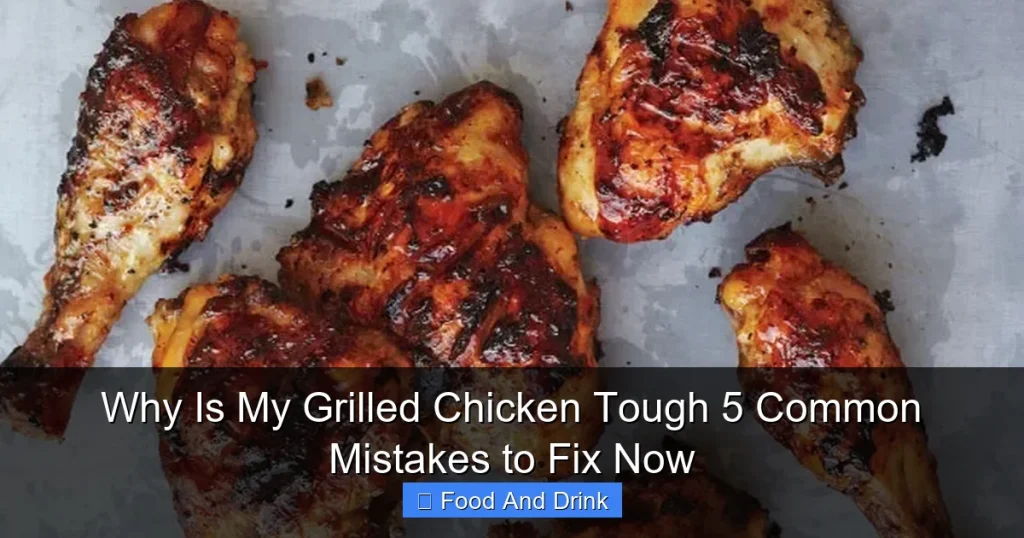

Grilled chicken should be juicy and tender, not rubbery or dry. If your chicken turns out tough, you’re likely making one of five common mistakes—from overcooking to poor marinating. Learn how to fix them and enjoy perfect grilled chicken every time.
Key Takeaways
- Overcooking is the #1 cause of tough chicken: Chicken breast dries out quickly when cooked beyond 165°F internal temperature.
- Not brining or marinating leads to dry meat: A simple brine or marinade adds moisture and flavor, preventing toughness.
- Using cold chicken straight from the fridge causes uneven cooking: Let chicken sit at room temperature for 20–30 minutes before grilling.
- Grilling at too high heat sears the outside but leaves the inside undercooked: Use medium heat and consider two-zone grilling for control.
- Cutting chicken too soon after grilling traps steam and toughens fibers: Always rest chicken for 5–10 minutes before slicing.
- Choosing the wrong cut matters: Boneless, skinless breasts are lean and prone to drying out—consider thighs or bone-in cuts for more forgiving results.
- Not pounding chicken to even thickness causes uneven cooking: Use a meat mallet to flatten thick parts so the entire piece cooks evenly.
Quick Answers to Common Questions
Why does my grilled chicken taste dry even when it’s cooked to 165°F?
Even at 165°F, chicken can dry out if it’s overcooked by just a few degrees. Proteins tighten and squeeze out moisture. Pull the chicken at 160°F and let it rest—it will reach 165°F safely while staying juicy.
Can I grill frozen chicken?
It’s not recommended. Frozen chicken cooks unevenly and can lead to food safety issues. Thaw it in the fridge overnight or use the microwave defrost setting, then bring to room temperature before grilling.
How long should I marinate chicken?
For best results, marinate chicken for 30 minutes to 4 hours. Avoid marinating for more than 24 hours, especially with acidic ingredients, as it can make the texture mealy.
Is it safe to eat slightly pink chicken?
Chicken is safe to eat at 165°F, regardless of color. Slight pinkness can occur due to smoking or brining, but always use a thermometer to confirm doneness.
Should I rinse chicken before grilling?
No. Rinsing raw chicken can spread bacteria around your kitchen. Cooking to the proper temperature (165°F) kills any harmful bacteria safely.
📑 Table of Contents
- Why Is My Grilled Chicken Tough? 5 Common Mistakes to Fix Now
- Mistake #1: Overcooking the Chicken
- Mistake #2: Skipping the Brine or Marinade
- Mistake #3: Grilling Cold Chicken Straight from the Fridge
- Mistake #4: Using the Wrong Grill Heat
- Mistake #5: Cutting the Chicken Too Soon
- Bonus: Choosing the Right Cut of Chicken
- Final Tips for Perfect Grilled Chicken Every Time
- Conclusion
Why Is My Grilled Chicken Tough? 5 Common Mistakes to Fix Now
There’s nothing quite like the smoky aroma of grilled chicken wafting through the air on a warm summer evening. You’ve prepped the marinade, fired up the grill, and carefully placed your chicken on the grates—only to take a bite and find it tough, dry, and chewy. Sound familiar?
You’re not alone. Tough grilled chicken is one of the most common grilling frustrations, even for seasoned home cooks. The good news? It’s almost always preventable. Most of the time, the culprit isn’t your grill—it’s how you’re preparing or cooking the chicken.
In this guide, we’ll walk you through the five most common reasons your grilled chicken turns out tough and show you exactly how to fix them. Whether you’re a weekend griller or a weeknight dinner pro, these tips will help you serve up juicy, tender, flavorful chicken every single time.
Mistake #1: Overcooking the Chicken
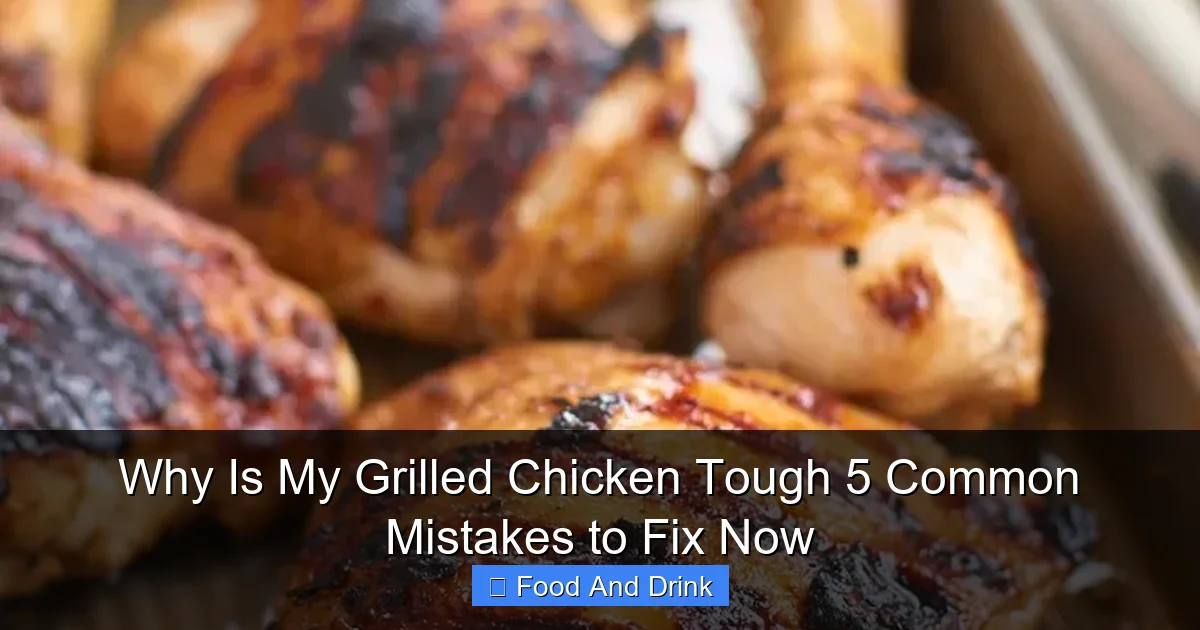
Visual guide about Why Is My Grilled Chicken Tough 5 Common Mistakes to Fix Now
Image source: cdn.apartmenttherapy.info
Let’s start with the biggest offender: overcooking. It’s the number one reason grilled chicken turns tough and dry. Chicken breast, in particular, is lean and low in fat, which means it has very little moisture to begin with. Once you cook it beyond its ideal internal temperature, the proteins tighten, squeeze out the juices, and leave you with a rubbery texture.
What Happens When You Overcook Chicken?
When chicken is heated, the proteins in the muscle fibers begin to contract. At around 140°F (60°C), they start to tighten. By 160°F (71°C), they’ve contracted significantly, pushing out moisture. Once you hit 165°F (74°C)—the USDA-recommended safe temperature—the chicken is fully cooked. But go beyond that, even by a few degrees, and you’ll notice a dramatic drop in juiciness.
For example, chicken cooked to 170°F (77°C) will feel noticeably drier than chicken pulled at 160°F (71°C). At 180°F (82°C), it can become tough and stringy.
How to Avoid Overcooking
The best way to prevent overcooking is to use a reliable instant-read meat thermometer. Insert it into the thickest part of the chicken, avoiding bone or fat. Remove the chicken from the grill when it reaches 160°F (71°C). Thanks to carryover cooking, the temperature will rise another 5°F as it rests, landing safely at 165°F (74°C).
Here’s a quick temperature guide:
- 145°F (63°C): Rare (not recommended for chicken)
- 155°F (68°C): Medium-rare, juicy but slightly pink
- 160°F (71°C): Ideal for pulling from heat—juicy and safe
- 165°F (74°C): Fully cooked, safe to eat
- 170°F+ (77°C+): Dry and tough
Pro tip: Take the chicken off the grill a few minutes early if you’re unsure. It’s better to be slightly under than over.
Bonus Tip: Use a Two-Zone Grill Setup
If you’re using a charcoal or gas grill, set up two zones: one hot (direct heat) and one cooler (indirect heat). Sear the chicken over direct heat for 2–3 minutes per side to develop a nice crust, then move it to the cooler side to finish cooking gently. This method gives you more control and reduces the risk of overcooking.
Mistake #2: Skipping the Brine or Marinade

Visual guide about Why Is My Grilled Chicken Tough 5 Common Mistakes to Fix Now
Image source: cdn.apartmenttherapy.info
If your grilled chicken tastes bland and dry, you might be skipping one of the most powerful tools in your kitchen: brining or marinating. These techniques don’t just add flavor—they actually change the structure of the meat to help it retain moisture during cooking.
What Is Brining, and How Does It Help?
Brining is the process of soaking chicken in a saltwater solution (sometimes with sugar and spices) before cooking. The salt in the brine does two important things:
- It helps the meat absorb and retain water, increasing juiciness.
- It breaks down some of the muscle proteins, making the texture more tender.
A basic brine is simple: 1/4 cup of salt per quart of water. You can add sugar, herbs, garlic, or citrus for extra flavor. Soak boneless chicken breasts for 30 minutes to 2 hours (don’t go longer—too much salt can make the meat mushy).
Marinating for Flavor and Moisture
Marinating is another great option, especially if you want bold flavors. A good marinade typically includes:
- An acid (like lemon juice, vinegar, or yogurt) to tenderize
- Oil (like olive or avocado oil) to carry flavor and prevent sticking
- Seasonings (garlic, herbs, spices) for taste
For example, a simple marinade might be:
- 1/4 cup olive oil
- 2 tablespoons lemon juice
- 2 cloves minced garlic
- 1 teaspoon dried oregano
- Salt and pepper to taste
Let the chicken marinate for at least 30 minutes, or up to 4 hours in the fridge. Avoid marinating for too long with highly acidic ingredients—over-tenderizing can make the texture mealy.
Dry Brining: The Easiest Option
If you’re short on time, try dry brining. Simply sprinkle salt (and optional seasonings) evenly over the chicken and let it sit uncovered in the fridge for 1–24 hours. The salt draws out moisture, which then reabsorbs into the meat, seasoning it from the inside out. This method also helps create a better crust on the grill.
Mistake #3: Grilling Cold Chicken Straight from the Fridge

Visual guide about Why Is My Grilled Chicken Tough 5 Common Mistakes to Fix Now
Image source: cdn.apartmenttherapy.info
You wouldn’t put a cold steak on the grill and expect it to cook evenly—so why do it with chicken? Starting with cold chicken straight from the refrigerator is a recipe for uneven cooking. The outside may char while the inside remains undercooked, or worse, the entire piece ends up overcooked trying to reach a safe internal temperature.
Why Room Temperature Matters
When chicken is cold, it takes longer to cook through. This means you either have to leave it on the grill longer (risking dryness) or pull it off too soon (risking foodborne illness). Either way, you lose.
Letting chicken sit at room temperature for 20–30 minutes before grilling allows it to cook more evenly. The outer layers warm up, so the heat penetrates more uniformly.
How to Safely Bring Chicken to Room Temp
Don’t leave raw chicken sitting out for too long—bacteria can grow rapidly between 40°F and 140°F (the “danger zone”). Here’s how to do it safely:
- Take the chicken out of the fridge 20–30 minutes before cooking.
- Keep it covered or in a sealed container to prevent contamination.
- Don’t leave it out longer than 2 hours (or 1 hour if it’s over 90°F outside).
If you’re short on time, you can partially thaw frozen chicken in the microwave using the defrost setting, then let it sit for 10–15 minutes before grilling.
Bonus: Pat It Dry Before Grilling
After bringing the chicken to room temperature, pat it dry with paper towels. Moisture on the surface creates steam, which can prevent a good sear and lead to uneven cooking. A dry surface = better browning and flavor.
Mistake #4: Using the Wrong Grill Heat
Grill heat is everything. Too hot, and you burn the outside while the inside stays raw. Too low, and the chicken steams instead of sears, losing that delicious grilled flavor. Getting the heat right is key to juicy, tender results.
High Heat vs. Medium Heat
Many people crank the grill to high, thinking it’ll cook the chicken faster. But high heat is best for searing steaks or burgers—not delicate chicken breasts. For chicken, medium heat (around 350°F to 375°F) is ideal. This allows the inside to cook through without charring the outside.
Here’s how to test your grill temp:
- Hold your hand 5 inches above the grates. If you can only hold it for 3–4 seconds, it’s high heat.
- If you can hold it for 5–6 seconds, it’s medium heat—perfect for chicken.
The Power of Two-Zone Grilling
As mentioned earlier, a two-zone setup gives you the best of both worlds. Sear the chicken over direct heat to develop flavor, then move it to indirect heat to finish cooking gently. This method is especially helpful for thicker cuts or bone-in chicken.
For gas grills, turn on only half the burners. For charcoal, pile the coals on one side, leaving the other side empty.
Avoid Flare-Ups
Fat dripping onto hot coals or burners can cause flare-ups, which char the chicken and add a bitter taste. To prevent this:
- Trim excess fat from the chicken before grilling.
- Use a drip pan under the chicken if using indirect heat.
- Keep a spray bottle of water nearby to tame sudden flames.
Mistake #5: Cutting the Chicken Too Soon
You’ve finally grilled the perfect piece of chicken—golden, juicy, and smelling amazing. But the moment you slice into it, juices spill out, and the meat seems to shrink and toughen. What happened?
You cut it too soon.
Why Resting Matters
Resting allows the juices, which have been driven to the center of the meat by heat, to redistribute. When you cut into chicken immediately, those juices escape, leaving the meat dry. Resting also lets the muscle fibers relax, improving texture.
For chicken, a rest time of 5–10 minutes is ideal. Cover it loosely with foil to keep it warm without steaming.
How to Rest Chicken Properly
- Remove chicken from the grill when it reaches 160°F (71°C).
- Place it on a clean plate or cutting board.
- Cover loosely with aluminum foil.
- Let it rest for 5–10 minutes before slicing or serving.
During this time, the internal temperature will rise to 165°F (74°C), and the juices will settle. You’ll be amazed at the difference in moisture and tenderness.
Pro Tip: Slice Against the Grain
When you’re ready to serve, always slice chicken against the grain. Look for the direction of the muscle fibers (they usually run lengthwise) and cut perpendicular to them. This shortens the fibers, making each bite more tender.
Bonus: Choosing the Right Cut of Chicken
Not all chicken is created equal—especially when it comes to grilling. If you’re consistently getting tough results, it might be time to switch up your cut.
Boneless, Skinless Breast: The Toughest to Grill
Boneless, skinless chicken breast is lean, cooks quickly, and has very little fat. That makes it prone to drying out. If you’re new to grilling, this cut can be tricky.
Better Options for Grilling
Consider these more forgiving alternatives:
- Chicken thighs (boneless or bone-in): Higher in fat, more flavorful, and stay juicy even if slightly overcooked.
- Bone-in, skin-on breasts: The bone helps conduct heat evenly, and the skin protects the meat from drying out.
- Chicken tenders: Small and quick-cooking, great for skewers or quick grilling.
If you love chicken breast, try pounding it to an even thickness (about 1/2 inch) with a meat mallet. This ensures it cooks evenly and reduces the risk of overcooking the thinner parts.
Final Tips for Perfect Grilled Chicken Every Time
Now that you know the five biggest mistakes, here are a few extra tips to elevate your grilling game:
- Use a meat thermometer: It’s the only way to know for sure when your chicken is done.
- Preheat your grill: A hot grill sears better and prevents sticking.
- Oil the grates, not the chicken: Use tongs and a folded paper towel dipped in oil to grease the grates before cooking.
- Don’t flip too often: Let each side develop a nice crust—usually 3–4 minutes per side.
- Experiment with wood chips: Add smoke flavor by soaking wood chips (like hickory or apple) and placing them on the coals or in a smoker box.
With these tips, you’ll be grilling tender, juicy, flavorful chicken like a pro—no more tough, dry disappointments.
Conclusion
Tough grilled chicken doesn’t have to be a regular occurrence. By avoiding these five common mistakes—overcooking, skipping brining or marinating, grilling cold chicken, using the wrong heat, and cutting too soon—you can transform your grilled chicken from dry and chewy to juicy and delicious.
Remember: great grilling is about control, patience, and preparation. Use a thermometer, let your chicken come to room temperature, brine or marinate for moisture, cook over medium heat, and always let it rest. Your taste buds (and your family) will thank you.
So fire up that grill, follow these tips, and get ready to enjoy perfectly grilled chicken every time. Summer nights just got a whole lot tastier.
Frequently Asked Questions
Why is my grilled chicken rubbery?
Rubbery chicken is usually a sign of overcooking. When proteins tighten too much, they squeeze out moisture and create a tough, elastic texture. Use a thermometer and pull the chicken at 160°F to avoid this.
Can I fix tough grilled chicken after it’s cooked?
While you can’t fully reverse toughness, you can make it more palatable. Slice it thinly against the grain, serve with a sauce (like BBQ or chimichurri), or use it in soups or salads where moisture is added.
Does brining really make a difference?
Yes! Brining increases moisture retention and tenderizes the meat. Even a 30-minute soak in saltwater can make grilled chicken noticeably juicier and more flavorful.
What’s the best way to store leftover grilled chicken?
Store leftover grilled chicken in an airtight container in the fridge for up to 3–4 days. Reheat gently in the oven or microwave with a splash of broth to restore moisture.
Can I use a marinade as a sauce?
Never use a marinade that has touched raw chicken as a sauce unless you boil it first for at least 5 minutes to kill bacteria. Better yet, set aside a portion of the marinade before adding the chicken.
Is it better to grill chicken on gas or charcoal?
Both can produce great results. Gas grills offer more temperature control, while charcoal adds a smoky flavor. The key is proper heat management and technique, not the fuel type.


