


Ever pulled a golden roast chicken out of the oven only to be greeted by a smell suspiciously like farts? You’re not alone—and it’s not as gross as it sounds. The odor comes from harmless chemical reactions during cooking, and in most cases, the chicken is perfectly safe to eat.
Key Takeaways
- It’s a chemical reaction: The “fart-like” smell comes from sulfur compounds released when chicken proteins break down during roasting.
- Maillard reaction plays a role: Browning and high heat create complex flavors—and sometimes off-putting odors—especially in dark meat.
- Chicken skin is a major contributor: Fat and connective tissue in the skin break down into smelly sulfur gases when roasted.
- It’s usually safe to eat: Unless the chicken is spoiled or undercooked, the smell doesn’t mean it’s unsafe.
- Proper storage matters: Old or improperly stored chicken can produce stronger, more unpleasant odors due to bacterial growth.
- You can reduce the smell: Brining, using fresh herbs, or roasting at lower temps can help minimize the stink.
- Trust your senses: If the chicken smells sour, slimy, or rancid—not just sulfurous—it’s best to toss it.
Quick Answers to Common Questions
Why does my roast chicken smell like rotten eggs?
The smell comes from sulfur compounds like hydrogen sulfide released when chicken proteins break down during cooking. It’s normal and not a sign of spoilage.
Is it safe to eat chicken that smells like farts?
Yes, as long as the chicken was fresh and cooked to 165°F (74°C). The odor is from harmless chemical reactions, not bacteria.
Does brining make the smell worse?
Brining can increase the release of sulfur compounds because salt breaks down proteins. But it also improves flavor and moisture—so it’s a trade-off.
Can I prevent the smell by cooking chicken differently?
Yes—roast at lower temperatures, trim excess fat, use aromatics, or spatchcock the chicken to reduce cooking time and odor.
Why does dark meat smell stronger than white meat?
Dark meat contains more fat, myoglobin, and connective tissue, which break down into sulfur gases more readily during roasting.
📑 Table of Contents
- Why Does Roast Chicken Smell Like Farts and Is It Safe to Eat
- The Science Behind the Stink: What’s Really Happening?
- Is It Safe to Eat Chicken That Smells Like Farts?
- Common Causes of the “Fart Smell” in Roast Chicken
- How to Reduce or Eliminate the Fart-Like Smell
- Debunking Myths: What the Smell Really Means
- When to Trust Your Nose—and When to Ignore It
- Conclusion: Embrace the Stink (It’s Probably Fine)
Why Does Roast Chicken Smell Like Farts and Is It Safe to Eat
Picture this: You’ve spent the afternoon prepping a beautiful whole roast chicken. The kitchen is warm, the aroma of herbs and garlic fills the air, and you can almost taste the crispy skin. You open the oven door, expecting a heavenly scent—only to be hit with something that smells suspiciously like… well, farts.
Don’t panic. You’re not imagining things. And no, your chicken isn’t necessarily bad. In fact, this bizarre phenomenon is more common than you’d think—and it’s rooted in science, not spoilage.
So why does roast chicken sometimes smell like farts? And more importantly—is it still safe to eat? Let’s dive into the fascinating chemistry behind this stinky surprise and separate fact from fiction.
The Science Behind the Stink: What’s Really Happening?

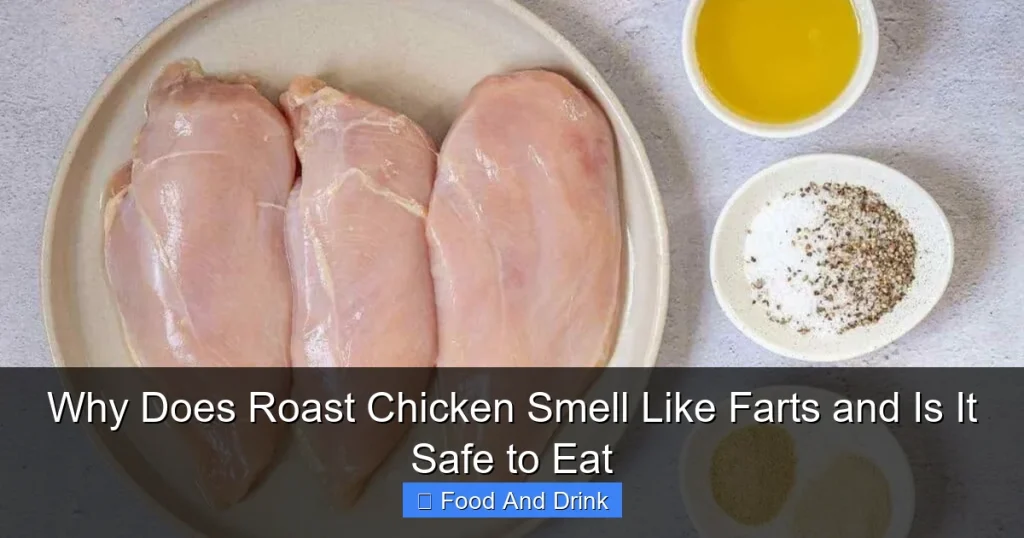
Visual guide about Why Does Roast Chicken Smell Like Farts and Is It Safe to Eat
Image source: terraskitchen.com
At first whiff, the sulfurous, eggy, or even rotten cabbage-like odor coming from your roast chicken might make you question everything. But before you toss that bird in the trash, know this: the smell is likely the result of perfectly normal chemical reactions that occur during cooking.
The main culprits are sulfur-containing amino acids found naturally in chicken—especially in the dark meat and skin. When these proteins are exposed to high heat, they break down and release volatile sulfur compounds (VSCs), such as hydrogen sulfide, methanethiol, and dimethyl sulfide. These gases are notorious for their pungent, “rotten egg” or “fart-like” aroma.
This process is similar to what happens when you cook broccoli, cabbage, or eggs—vegetables and foods rich in sulfur can also give off strong odors when heated. But chicken, particularly when roasted at high temperatures, seems to amplify the effect.
Another key player is the Maillard reaction—the chemical process that gives roasted, seared, and grilled foods their rich, browned flavor and appealing crust. While the Maillard reaction is responsible for delicious umami notes, it can also produce sulfur-containing byproducts, especially when amino acids like cysteine and methionine react with sugars under heat.
In short: the same chemistry that makes your chicken taste amazing can also make it smell… less than amazing.
Why Sulfur Smells So Strong
Sulfur compounds are incredibly potent. Even in tiny concentrations, they can be detected by the human nose. Hydrogen sulfide, for example, is detectable at levels as low as 0.5 parts per billion. That’s why a small amount of breakdown in chicken proteins can create a big olfactory impact.
Interestingly, our sense of smell is highly sensitive to sulfur because, evolutionarily, it helped us detect spoiled food or dangerous gases. So when we catch a whiff of something “off,” our brains immediately flag it as a potential threat—even if it’s just a harmless byproduct of cooking.
The Role of Chicken Skin and Fat
If you’ve noticed that the smell is stronger near the skin or in dark meat (like thighs and drumsticks), you’re onto something. Chicken skin is rich in fat and connective tissue, which break down during roasting and release more sulfur compounds than white meat.
Additionally, the skin acts like a barrier that traps moisture and gases inside the meat as it cooks. When the pressure builds and the gases escape—especially when you cut into the chicken or remove it from the oven—they rush out all at once, creating that infamous “fart burst.”
This is also why rotisserie chickens from grocery stores sometimes have that distinct sulfur smell. They’re often roasted at high heat for long periods, maximizing both browning and gas production.
Is It Safe to Eat Chicken That Smells Like Farts?

Visual guide about Why Does Roast Chicken Smell Like Farts and Is It Safe to Eat
Image source: terraskitchen.com
Now for the million-dollar question: if your roast chicken smells like farts, is it still safe to eat?
In most cases, yes—**as long as the chicken was fresh when you started and cooked properly**.
The sulfur smell alone doesn’t indicate spoilage or foodborne illness. It’s a natural byproduct of cooking, not a sign of bacterial contamination. However, it’s crucial to distinguish between a sulfurous odor and actual signs of spoilage.
How to Tell If Your Chicken Is Safe
Use your senses—sight, smell, and touch—to assess your chicken before eating:
- Smell: A sulfur or “eggy” smell is normal. But if the chicken smells sour, ammonia-like, or rancid, it’s likely spoiled.
- Texture: Fresh, properly cooked chicken should feel firm, not slimy or sticky. A slimy coating is a red flag.
- Color: Cooked chicken should be white or light beige. Gray, green, or iridescent patches suggest spoilage or bacterial growth.
- Cooking temperature: Always use a meat thermometer. Chicken is safe when the internal temperature reaches 165°F (74°C) in the thickest part of the breast and thigh.
If your chicken passes these checks, that fart-like aroma is probably just chemistry doing its thing.
When to Toss It
There are times when the smell *does* indicate danger:
– The chicken was past its use-by date or smelled off before cooking.
– It was left out at room temperature for more than 2 hours before roasting.
– You notice mold, excessive slime, or a strong, unpleasant odor that doesn’t fade after cooking.
In these cases, it’s better to err on the side of caution and discard the chicken.
Common Causes of the “Fart Smell” in Roast Chicken
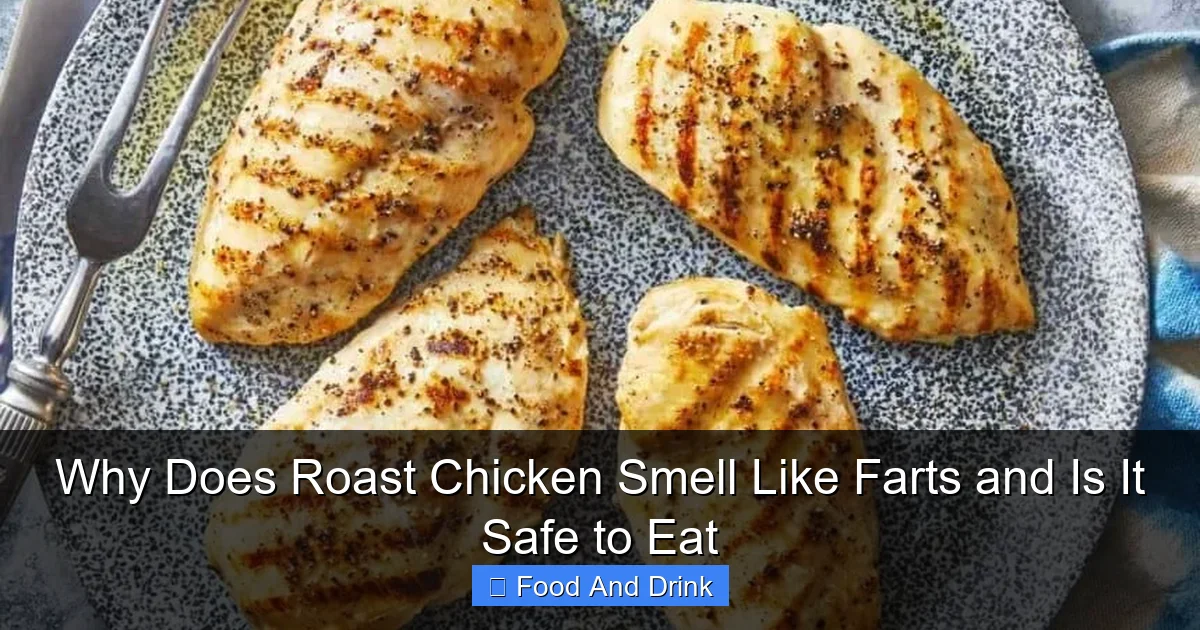
Visual guide about Why Does Roast Chicken Smell Like Farts and Is It Safe to Eat
Image source: terraskitchen.com
Now that we know the science and safety basics, let’s break down the most common reasons your roast chicken might be emitting that infamous odor.
1. High Heat and Prolonged Cooking
Roasting chicken at high temperatures (above 400°F or 200°C) accelerates the breakdown of proteins and fats, increasing the release of sulfur gases. The longer the chicken cooks, the more time these compounds have to form and concentrate.
This is especially true for whole chickens, which can take 1.5 to 2 hours to cook through. During that time, the skin and dark meat undergo significant chemical changes.
2. Dark Meat vs. White Meat
Dark meat—like thighs, drumsticks, and wings—contains more myoglobin, fat, and connective tissue than white breast meat. These components break down into sulfur compounds more readily, making dark meat the primary source of the smell.
If you’re roasting a chicken with the legs tucked close to the breast, the concentrated heat in that area can intensify the odor.
3. Brining and Marinades
Brining chicken in saltwater (or a flavored brine with herbs and spices) can enhance moisture and flavor—but it can also contribute to the smell. Salt helps break down proteins, which may increase the release of sulfur compounds during cooking.
Similarly, marinades containing garlic, onions, or other sulfur-rich ingredients can amplify the effect. While delicious, these additions can make the final aroma more potent.
4. Old or Poorly Stored Chicken
Freshness matters. Chicken that’s been in the fridge too long—even if still within the use-by date—can develop stronger odors due to bacterial activity. While not all bacteria produce harmful toxins, some do release foul-smelling gases as they multiply.
Always buy chicken from a reputable source, store it at or below 40°F (4°C), and use it within 1–2 days of purchase (or freeze it).
5. Cooking Method and Equipment
How you roast your chicken can influence the smell. Roasting in a covered dish or foil tent traps steam and gases, which can concentrate odors. Similarly, using a roasting pan with high sides limits airflow, potentially increasing the buildup of sulfur compounds.
On the flip side, roasting on a rack allows fat to drip away and promotes even browning—but it also exposes more surface area to heat, which can intensify the Maillard reaction and sulfur release.
How to Reduce or Eliminate the Fart-Like Smell
Just because the smell is normal doesn’t mean you have to live with it. There are several practical steps you can take to minimize the sulfur odor and enjoy your roast chicken without the stink.
1. Use Fresh, High-Quality Chicken
Start with the best ingredients. Fresh, properly handled chicken is less likely to develop strong odors during cooking. Look for chicken with a clean smell, firm texture, and no discoloration.
If possible, choose organic or pasture-raised chicken. These birds are often fed diets lower in sulfur-rich grains, which may reduce the intensity of the smell.
2. Trim Excess Skin and Fat
Since the skin and fat are major contributors to the odor, trimming some of the excess before roasting can help. You don’t have to remove it all—just reduce the amount that will drip and burn during cooking.
This also helps prevent flare-ups and excessive smoke in the oven.
3. Roast at a Lower Temperature
Instead of cranking the oven to 425°F (220°C), try roasting at 350°F to 375°F (175°C to 190°C). Lower heat slows down the breakdown of proteins and fats, reducing the intensity of sulfur gas release.
Yes, it will take longer—but you’ll get juicier meat and a milder aroma.
4. Add Aromatic Herbs and Spices
Certain herbs and spices can mask or balance sulfur odors. Try adding fresh rosemary, thyme, sage, or bay leaves to your roasting pan. Citrus zest (like lemon or orange) and garlic also help neutralize strong smells.
You can also stuff the cavity with aromatics—onions, garlic, lemon halves, and herbs—to infuse the meat with pleasant scents from the inside out.
5. Use a Vinegar or Citrus Rinse
Before seasoning, give your chicken a quick rinse with diluted vinegar (1 part vinegar to 3 parts water) or lemon juice. This can help break down surface proteins and reduce sulfur compounds.
Pat the chicken dry thoroughly afterward to ensure crispy skin.
6. Ventilate Your Kitchen
Open a window or turn on the exhaust fan while roasting. Good airflow helps disperse odors and prevents them from lingering in your home.
You can also place a bowl of baking soda or coffee grounds near the oven to absorb strong smells.
7. Try Spatchcocking
Spatchcocking (butterflying) the chicken by removing the backbone and flattening it reduces cooking time and promotes even heat distribution. This method minimizes prolonged exposure to high heat in dense areas, which can help reduce sulfur gas buildup.
Debunking Myths: What the Smell Really Means
There are a lot of myths floating around about why roast chicken smells like farts—and what it means. Let’s clear up some of the most common misconceptions.
Myth 1: “It Means the Chicken Is Spoiled”
False. A sulfur smell during cooking is not a sign of spoilage. Spoiled chicken will usually smell sour, ammonia-like, or putrid—even before cooking. If your chicken smelled fine raw and only developed the “fart” odor after roasting, it’s likely just chemistry.
Myth 2: “Only Cheap or Low-Quality Chicken Smells Like This”
Not true. Even high-end, organic, or free-range chickens can produce sulfur odors when roasted. It’s a function of the meat’s natural composition and cooking method, not quality.
Myth 3: “You Should Always Boil Chicken First to Remove the Smell”
Boiling (or blanching) chicken before roasting can reduce some odors, but it also removes flavor and moisture. It’s not necessary for safety or taste—and it can make your chicken dry and bland.
Myth 4: “The Smell Means It’s Undercooked”
Not necessarily. The odor is caused by chemical reactions, not doneness. A properly cooked chicken can still smell sulfurous. Always use a thermometer to check internal temperature, not smell.
Myth 5: “Only Whole Chickens Smell Like This”
While whole chickens are more prone to the smell due to longer cooking times and skin-on roasting, chicken parts (like thighs or drumsticks) can also produce the odor—especially if roasted at high heat.
When to Trust Your Nose—and When to Ignore It
Our sense of smell is a powerful tool for detecting food safety issues. But it’s not infallible—especially when it comes to sulfur compounds.
Here’s a simple guide:
- Trust your nose if: The chicken smells sour, rancid, or like ammonia—even before cooking. These are signs of spoilage.
- Ignore your nose if: The smell is sulfurous, eggy, or “farty” only after roasting, and the chicken was fresh and cooked properly.
- Double-check with other senses: Look for sliminess, discoloration, or mold. Feel the texture. Use a thermometer.
Remember: your nose is a great first alert system, but it shouldn’t be the only one.
Conclusion: Embrace the Stink (It’s Probably Fine)
So, why does roast chicken smell like farts? Because of sulfur compounds released during cooking—especially from dark meat, skin, and high-heat roasting. It’s a natural, harmless byproduct of delicious chemistry.
And is it safe to eat? In most cases, absolutely. As long as your chicken was fresh, stored properly, and cooked to 165°F (74°C), that odd smell won’t harm you. In fact, it might just be a sign that you’re doing something right—browning that skin, developing deep flavor, and creating a meal worth sharing.
Next time you pull that golden bird out of the oven and catch a whiff of something suspicious, don’t panic. Take a deep breath (maybe from a distance), check the temperature, and serve it up with confidence. After all, the best meals aren’t always the prettiest—or the best-smelling—at first.
And hey, if all else fails, just blame it on the dog.
Frequently Asked Questions
Why does my chicken smell like farts when I roast it?
This smell is caused by sulfur compounds released when chicken proteins and fats break down under high heat. It’s a normal part of the cooking process and not a sign of spoilage.
Is it safe to eat roast chicken that smells bad?
If the smell is sulfurous or eggy but the chicken was fresh and cooked properly, it’s likely safe. However, if it smells sour, slimy, or rancid, discard it immediately.
Does the smell mean the chicken is undercooked?
No. The odor is unrelated to doneness. Always use a meat thermometer to check that the internal temperature reaches 165°F (74°C).
Can I reduce the smell by using different seasonings?
Yes. Herbs like rosemary, thyme, and sage, along with citrus zest, can help mask sulfur odors and add pleasant aromas during roasting.
Why does store-bought rotisserie chicken sometimes smell like this?
Rotisserie chickens are often roasted at high heat for long periods, which increases the breakdown of proteins and release of sulfur gases—especially in the skin and dark meat.
Should I rinse my chicken before roasting to reduce the smell?
Rinsing with diluted vinegar or lemon juice may help reduce surface sulfur compounds, but it’s not necessary. Always pat the chicken dry afterward for crispy skin.