

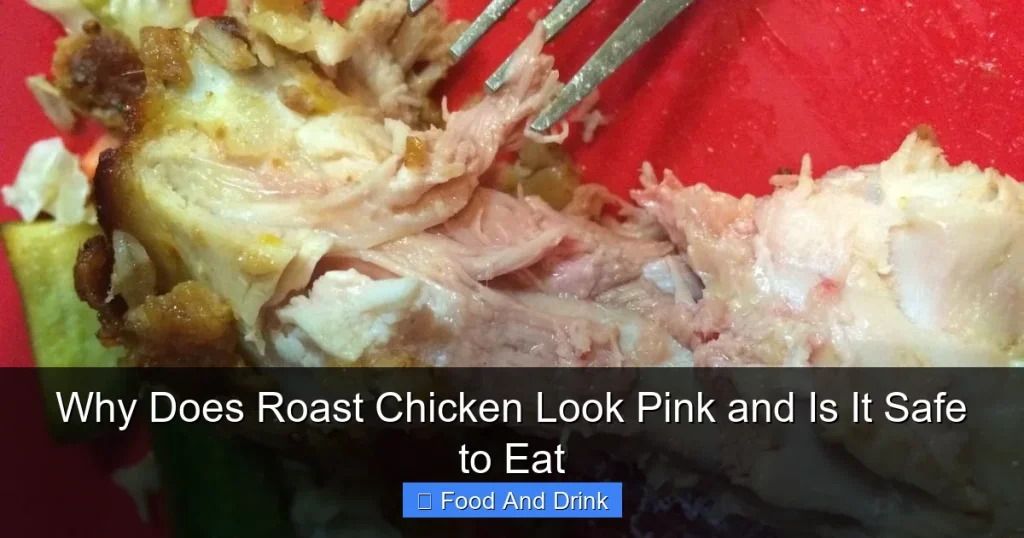

Roast chicken sometimes appears pink near the bones even when fully cooked—this is often due to natural pigments reacting to heat, not undercooking. While most pinkness is harmless, it’s important to use a meat thermometer to ensure internal temperatures reach 165°F (74°C) for food safety.
Have you ever pulled a beautifully golden roast chicken out of the oven, only to slice into it and notice a faint pink tinge near the bone? Your first thought might be, “Is this safe to eat?” You’re not alone. Many home cooks—and even seasoned chefs—have stared down a pinkish chicken thigh or drumstick with a mix of curiosity and concern. It’s a common kitchen mystery that sparks questions about food safety, cooking techniques, and the science of meat.
The good news? In most cases, pink roast chicken isn’t a red flag. It doesn’t automatically mean your bird is undercooked or unsafe. Instead, it’s often the result of natural chemical reactions that occur during roasting. Understanding why this happens can help you cook with confidence, avoid overcooking (which leads to dry, tough meat), and serve delicious, juicy chicken every time. Whether you’re roasting a whole bird or just a few pieces, knowing what causes that pink hue—and how to verify doneness—is key to mastering one of the most beloved dishes in home cooking.
So, let’s dive into the fascinating world of poultry science. We’ll explore the role of proteins like myoglobin, the influence of bones and cooking methods, and the best practices for ensuring your roast chicken is both safe and succulent. By the end of this guide, you’ll be able to confidently explain why your chicken looks pink—and why it’s probably perfectly fine to eat.
Key Takeaways
- Pink color near bones is usually normal: Myoglobin in meat reacts with heat and moisture, causing a pink hue that doesn’t always mean undercooked chicken.
- Bone marrow can influence color: Hemoglobin from bones can seep into surrounding meat during roasting, creating pinkish tones.
- Use a meat thermometer for accuracy: Visual cues like color aren’t reliable—always check internal temperature to confirm doneness.
- Freezing and brining affect appearance: These processes can alter pigment stability, making chicken more likely to look pink when cooked.
- Safe internal temperature is 165°F (74°C): This kills harmful bacteria like Salmonella and Campylobacter, regardless of color.
- Resting time matters: Letting chicken rest after roasting helps redistribute juices and may reduce pink appearance.
- When in doubt, cook it longer: If you’re unsure, extend cooking time slightly and recheck temperature—better safe than sorry.
Quick Answers to Common Questions
Is it safe to eat pink chicken near the bone?
Yes, as long as the internal temperature has reached 165°F (74°C). The pink color is often due to hemoglobin from the bone, not undercooking.
Why does my brined chicken look pink?
Brining can alter protein structure and introduce nitrates, which react with myoglobin to create a pink color—similar to cured meats.
Can frozen chicken turn pink when roasted?
Yes. Freezing can damage cell walls and release pigments, making pinkness more likely. Always thaw safely and cook thoroughly.
Should I worry if my chicken is pink but smells fine?
Smell isn’t a reliable indicator. Use a thermometer to check for 165°F. If it’s reached that temperature, it’s safe to eat.
How can I avoid pink chicken when roasting?
Use a thermometer, roast at moderate heat, let the chicken rest, and avoid over-brining with nitrate-rich ingredients.
📑 Table of Contents
Understanding the Science Behind Pink Chicken
To understand why roast chicken sometimes looks pink, we need to take a quick look under the microscope—literally. The color of cooked meat is influenced by proteins, particularly one called myoglobin. Myoglobin is responsible for storing oxygen in muscle cells and gives raw meat its red or purplish color. When meat is cooked, heat causes myoglobin to change shape and lose its oxygen, which typically turns the meat from red to brown or gray—what we expect from fully cooked poultry.
However, myoglobin doesn’t always behave predictably. Under certain conditions, it can resist full denaturation (the process of breaking down due to heat), leaving behind a pink or even reddish hue. This is especially common in dark meat cuts like thighs and drumsticks, which have higher concentrations of myoglobin and are often cooked at lower temperatures or for longer periods. The pink color you see near the bone isn’t necessarily a sign that the meat is raw—it’s more about how the proteins react to heat, moisture, and time.
Another factor is the presence of nitric oxide. During roasting, small amounts of this gas can be released from the meat or from seasonings like celery, onions, or curing salts (even if you didn’t add them intentionally). Nitric oxide can bind to myoglobin and form a stable pink compound called nitrosylhemochrome. This is the same reaction that gives cured meats like ham or bacon their pink color—even when fully cooked. So, if your roast chicken has been seasoned with herbs or vegetables that contain nitrates (like celery powder or smoked paprika), this could contribute to the pink appearance.
It’s also worth noting that chicken raised on pasture or fed a diet rich in certain grains may have slightly different muscle composition, which can affect pigment stability. While this doesn’t impact safety, it can make the meat more prone to retaining a pink color after cooking. In short, the science behind pink chicken is complex, but it’s rarely a cause for alarm. The key is knowing how to verify that the meat is safe to eat—regardless of how it looks.
Why Bones Can Make Chicken Look Pink

Visual guide about Why Does Roast Chicken Look Pink and Is It Safe to Eat
Image source: staticcookist.akamaized.net
One of the most common reasons roast chicken appears pink is the proximity to the bone. If you’ve ever noticed that the pinkest parts are always near the joints or the drumstick bone, you’re observing a well-documented phenomenon. Bones contain marrow, which is rich in iron and hemoglobin—the same protein that gives blood its red color. During roasting, heat can cause hemoglobin to slowly seep out of the bone and into the surrounding muscle tissue.
This migration of pigments creates a pink or reddish ring around the bone, even when the meat itself is fully cooked. The effect is more pronounced in younger birds, whose bones are more porous and contain more active marrow. As chickens age, their bones become denser and less likely to release hemoglobin during cooking. So, if you’re roasting a farm-fresh or organic chicken that’s been raised for a shorter time, you’re more likely to see this pink halo.
Another contributing factor is the lower temperature near the bone. Because bones conduct heat differently than muscle, the area closest to the bone may cook more slowly. Even if the rest of the meat has reached a safe temperature, the bone-adjacent zone might retain more moisture and pigment, enhancing the pink appearance. This doesn’t mean the chicken is undercooked—it just means the heat distribution isn’t perfectly even.
Interestingly, this bone-related pinkness is more common in dark meat than in white meat. Thighs and drumsticks have more connective tissue and fat, which retain moisture and slow down the cooking process near the bone. Breast meat, on the other hand, tends to cook faster and more uniformly, so it’s less likely to show pink near the bone—though it can still happen, especially if the bird is small or cooked at a low temperature.
So, if you slice into your roast chicken and see a pink ring around the drumstick bone, don’t panic. It’s likely just hemoglobin from the bone making its way into the meat. As long as the internal temperature is safe, it’s perfectly fine to eat. In fact, many chefs consider this a sign of careful, gentle cooking that preserves juiciness.
The Role of Cooking Methods and Temperature

Visual guide about Why Does Roast Chicken Look Pink and Is It Safe to Eat
Image source: shungrill.com
How you roast your chicken plays a big role in whether it ends up looking pink. Cooking method, temperature, and duration all influence how myoglobin behaves and whether pigments remain visible after cooking. Let’s break down the key factors.
Low and Slow vs. High Heat Roasting
Roasting at a lower temperature (around 300°F to 325°F or 150°C to 160°C) for a longer time tends to produce more even cooking but can also increase the chances of pinkness. This is because slow cooking allows more time for hemoglobin to migrate from the bones and for myoglobin to react with gases like nitric oxide. The result? A juicier bird, but one that may have a pinker appearance near the bones.
On the other hand, high-heat roasting (400°F to 450°F or 200°C to 230°C) cooks the exterior quickly, creating a crisp skin and sealing in juices. However, it can also lead to uneven cooking, with the outside well-done and the inside still slightly pink—especially if the chicken isn’t brought to room temperature before roasting. The rapid heat can cause surface proteins to denature quickly, while the interior retains more moisture and pigment.
Resting Time and Carryover Cooking
One often-overlooked factor is resting time. After roasting, chicken continues to cook slightly due to residual heat—a process called carryover cooking. During this time, juices redistribute, and the internal temperature can rise by 5°F to 10°F (3°C to 6°C). This not only improves texture but can also help reduce pinkness, as the meat continues to cook gently.
Letting your roast chicken rest for 15 to 20 minutes before carving gives the proteins time to relax and the pigments to stabilize. Skipping this step might mean you’re slicing into the meat too soon, when it’s still releasing juices and showing more color. A well-rested bird will look more uniformly cooked and be easier to carve.
Brining and Marinades
If you brine your chicken before roasting—whether in saltwater, buttermilk, or a flavored solution—you might notice more pinkness. Brining adds moisture and can alter the structure of muscle proteins, making them more likely to retain pigments. Additionally, some marinades contain ingredients like soy sauce, liquid smoke, or cured meats (like bacon), which introduce nitrates and nitrites. These compounds can react with myoglobin to create a stable pink color, similar to what happens in cured meats.
For example, a chicken brined in a solution with a dash of liquid smoke might come out of the oven with a pinkish hue, even if it’s fully cooked. This is harmless, but it can be confusing if you’re not expecting it. If you’re concerned about appearance, try a simple salt brine without added flavorings.
Freezing and Thawing
Frozen chicken can also be more prone to pinkness. Freezing causes ice crystals to form in the meat, which can damage cell walls and release pigments. When the chicken is thawed and cooked, these pigments may become more visible. Additionally, frozen chicken often takes longer to cook evenly, increasing the chance of undercooked spots or pigment retention.
To minimize this, always thaw chicken in the refrigerator—not on the counter—and pat it dry before roasting. This helps ensure even cooking and reduces excess moisture that can affect color.
Is Pink Roast Chicken Safe to Eat?
Visual guide about Why Does Roast Chicken Look Pink and Is It Safe to Eat
Image source: simplymeatsmoking.com
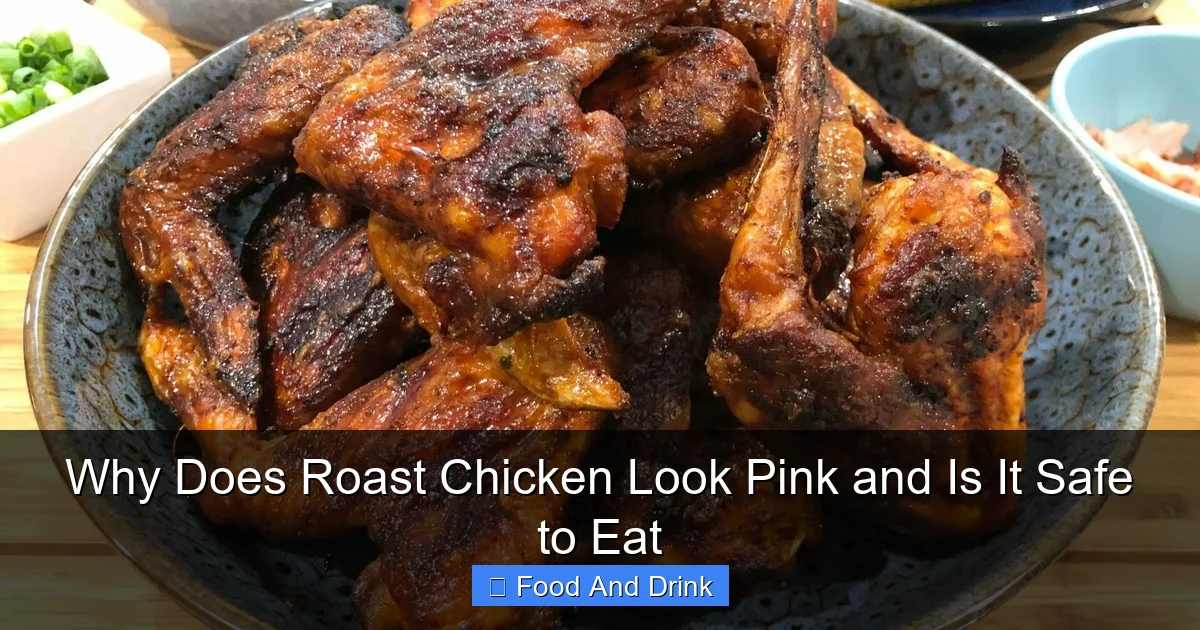
Now for the million-dollar question: Is pink roast chicken safe to eat? The short answer is: it depends. Pink color alone isn’t a reliable indicator of doneness or safety. What matters most is the internal temperature.
According to the U.S. Department of Agriculture (USDA), all poultry—including chicken—must be cooked to a minimum internal temperature of 165°F (74°C) to kill harmful bacteria like Salmonella and Campylobacter. This temperature ensures that pathogens are destroyed, regardless of how the meat looks.
So, if your roast chicken has reached 165°F in the thickest part of the thigh (without touching the bone), it’s safe to eat—even if it still looks a little pink. In fact, many food safety experts agree that color is a poor predictor of doneness. Meat can turn brown before it’s fully cooked, or stay pink even when it’s safe. Relying on visual cues alone can lead to undercooked chicken or, worse, overcooked dry meat.
The best way to check doneness is with a reliable instant-read meat thermometer. Insert it into the thickest part of the thigh, avoiding the bone, and wait for the reading to stabilize. If it hits 165°F, you’re good to go. For extra peace of mind, check multiple spots—especially near joints and the breast.
That said, there are rare cases where pinkness could indicate undercooking. If the pink color is widespread—not just near the bone—and the meat feels soft or slimy, it might not be fully cooked. Also, if the chicken was under-seasoned or cooked at a very low temperature for too short a time, it may not have reached a safe temperature throughout.
In these cases, return the chicken to the oven and cook it a bit longer, checking the temperature every few minutes. It’s always better to err on the side of caution. Overcooked chicken might be dry, but it won’t make you sick.
Tips for Preventing Unwanted Pinkness
While pink roast chicken is usually safe, some cooks prefer a more uniformly brown appearance. If you’d like to minimize pinkness—without sacrificing juiciness—here are some practical tips.
Use a Meat Thermometer
This can’t be stressed enough. A thermometer takes the guesswork out of cooking. Invest in a good instant-read model and use it every time. Place the probe in the thickest part of the thigh, away from the bone, and aim for 165°F. This ensures safety and helps you avoid overcooking.
Roast at a Moderate Temperature
Avoid extremely low or high heat. A moderate oven temperature—around 375°F (190°C)—provides even cooking without excessive pigment retention. You can start at a higher heat (425°F or 220°C) for the first 15 minutes to crisp the skin, then reduce to 375°F for the remainder.
Let the Chicken Rest
Always let your roast chicken rest for 15 to 20 minutes after cooking. This allows carryover cooking to finish the job and helps juices redistribute. The result? More even color and better texture.
Avoid Over-Brining
While brining adds flavor and moisture, it can increase pinkness. If appearance is a concern, limit brining time to 4–6 hours for a whole chicken, or skip flavored brines with nitrates.
Choose Older Birds
Older chickens have denser bones that are less likely to release hemoglobin. If you’re buying from a butcher or farmers market, ask about the bird’s age. Older birds may also have more flavor, though they can be slightly tougher.
Pat Dry Before Roasting
Excess moisture on the skin can lead to steaming instead of roasting, which affects both texture and color. Always pat your chicken dry with paper towels before seasoning and roasting.
Common Myths About Pink Chicken
There are several myths floating around about pink roast chicken. Let’s clear them up.
Myth 1: Pink Chicken Is Always Undercooked
False. As we’ve discussed, pinkness near the bone is often due to hemoglobin or myoglobin reactions, not undercooking. Always check temperature, not color.
Myth 2: Only Organic or Free-Range Chickens Turn Pink
Not true. While diet and age can influence pigment stability, any chicken—conventional or organic—can appear pink when roasted. It’s more about cooking method than breed or farming practices.
Myth 3: You Can Tell Doneness by Juices Running Clear
This is unreliable. Juices can run clear even in undercooked chicken, especially if it’s been brined. Always use a thermometer.
Myth 4: Pink Chicken Tastes Different
No—it tastes the same as fully browned chicken. The color is cosmetic, not flavor-related.
Myth 5: All Pink Chicken Is Safe
Not necessarily. If the pinkness is widespread and the meat hasn’t reached 165°F, it could be unsafe. Temperature is the only true measure of safety.
Conclusion
Seeing pink in your roast chicken can be surprising, but it’s rarely a cause for concern. In most cases, that pink hue near the bones is the result of natural pigments reacting to heat, moisture, and cooking methods—not undercooking. Understanding the science behind it helps you cook with confidence and avoid unnecessary worry.
The key to safe, delicious roast chicken is using a meat thermometer to ensure the internal temperature reaches 165°F (74°C). Visual cues like color, juice clarity, or texture can be misleading. By focusing on temperature, resting your bird, and choosing the right cooking method, you can enjoy juicy, flavorful chicken every time—pink or not.
So the next time you pull a golden-brown roast chicken from the oven and spot a little pink near the bone, take a deep breath. Grab your thermometer, check the temperature, and serve it up with pride. Your dinner guests will be impressed not just by the taste, but by your knowledge of poultry science.
Frequently Asked Questions
Why does roast chicken look pink near the bone?
Pinkness near the bone is usually caused by hemoglobin from the bone marrow seeping into the meat during roasting. This is common in younger chickens with more porous bones and doesn’t indicate undercooking.
Is pink chicken safe to eat if it’s been cooked properly?
Yes, as long as the internal temperature has reached 165°F (74°C). The pink color is often due to natural pigments and doesn’t affect safety.
Can cooking method affect how pink roast chicken looks?
Absolutely. Low and slow roasting, brining, and high-heat methods can all influence pigment retention. Resting the chicken also helps reduce pinkness.
Does the age of the chicken affect pinkness?
Yes. Younger chickens have more active bone marrow and porous bones, making them more likely to show pink near the bone when roasted.
Should I use a meat thermometer when roasting chicken?
Definitely. A thermometer is the only reliable way to ensure your chicken is safe to eat, regardless of how it looks.
Can seasonings make roast chicken look pink?
Yes. Ingredients like celery, liquid smoke, or smoked paprika contain nitrates that can react with myoglobin to create a pink color, even in fully cooked meat.


