

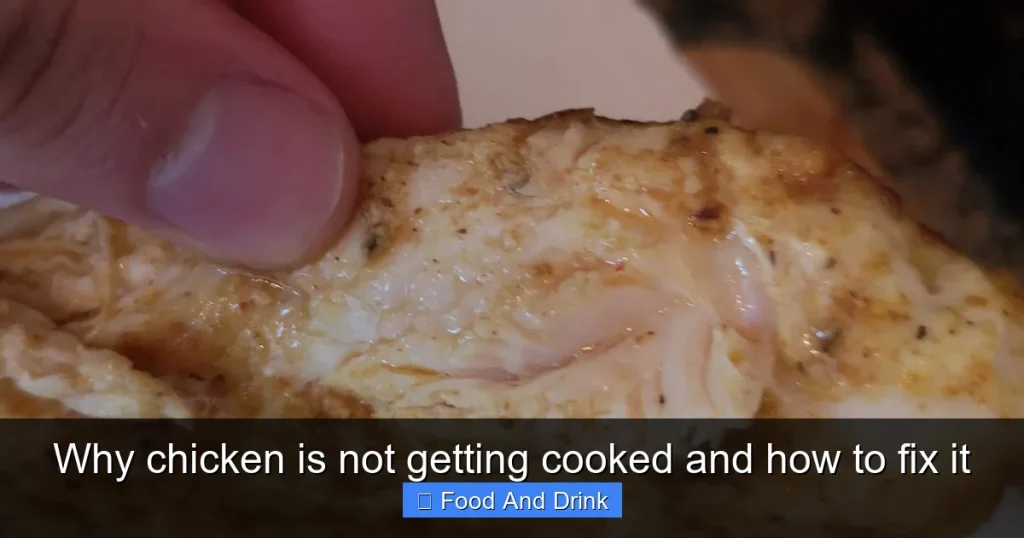

If your chicken is not getting cooked, it’s often due to incorrect temperature, poor timing, or improper technique. This guide breaks down the most common causes and offers simple, effective solutions to ensure your chicken is always safe, tender, and fully cooked.
Key Takeaways
- Undercooked chicken is a food safety risk: Consuming raw or undercooked poultry can lead to foodborne illnesses like salmonella and campylobacter.
- Internal temperature is key: Chicken must reach 165°F (74°C) as measured by a food thermometer to be safe to eat.
- Cooking method matters: Grilling, baking, frying, and slow cooking each require different approaches to ensure even cooking.
- Thawing properly prevents uneven cooking: Never cook frozen chicken directly—thaw it safely in the fridge, cold water, or microwave.
- Cut thickness affects cooking time: Uneven or thick pieces take longer and may remain undercooked in the center.
- Resting time improves results: Letting chicken rest after cooking allows juices to redistribute and ensures even doneness.
- Using the right tools makes a difference: A reliable meat thermometer and proper cookware help prevent undercooking.
Quick Answers to Common Questions
Why is my chicken still pink after cooking?
Chicken can appear pink even when fully cooked due to natural pigments reacting with heat or exposure to gases in packaging. Always check the internal temperature—165°F means it’s safe, regardless of color.
Can I eat chicken if it’s slightly undercooked?
No. Undercooked chicken can contain harmful bacteria. Return it to heat and cook until it reaches 165°F internally.
How long does it take to cook chicken breast?
It depends on thickness and method. A 1-inch thick breast baked at 375°F usually takes 20–30 minutes. Always use a thermometer to confirm doneness.
Is it safe to cook chicken from frozen?
It’s not recommended. Frozen chicken cooks unevenly and may remain undercooked in the center. Thaw it safely in the fridge or cold water first.
Why does my chicken dry out when I cook it?
Dry chicken is often overcooked or not brined. Use a thermometer to avoid overcooking, and consider brining or marinating for moisture.
📑 Table of Contents
- Why Chicken Is Not Getting Cooked: Common Causes and Fixes
- Understanding the Science of Cooking Chicken
- Common Reasons Chicken Is Not Getting Cooked
- How to Fix Undercooked Chicken
- Best Practices for Perfectly Cooked Chicken
- Special Considerations for Different Cooking Methods
- Conclusion: Cook Chicken with Confidence
Why Chicken Is Not Getting Cooked: Common Causes and Fixes
Cooking chicken seems simple—until it’s not. You follow the recipe, set the timer, and pull out a piece that’s still pink in the middle. Or worse, you bite into it and realize it’s rubbery and undercooked. Frustrating? Absolutely. Dangerous? Yes, because undercooked chicken can harbor harmful bacteria like Salmonella and Campylobacter, which cause serious foodborne illnesses.
But don’t worry—this problem is more common than you think, and it’s almost always fixable. Whether you’re grilling, baking, frying, or slow-cooking, there are specific reasons why chicken might not be getting cooked properly. The good news? Most of these issues come down to a few key factors: temperature, timing, preparation, and technique. In this guide, we’ll walk you through the most common causes of undercooked chicken and give you practical, easy-to-follow solutions so you can cook chicken that’s safe, juicy, and delicious every single time.
Understanding the Science of Cooking Chicken
Before we dive into fixes, it helps to understand what’s happening when you cook chicken. Chicken is made up of proteins, fats, and water. When heat is applied, the proteins denature and coagulate, turning from translucent to opaque. This process happens gradually, and the rate depends on temperature, moisture, and the cut of meat.
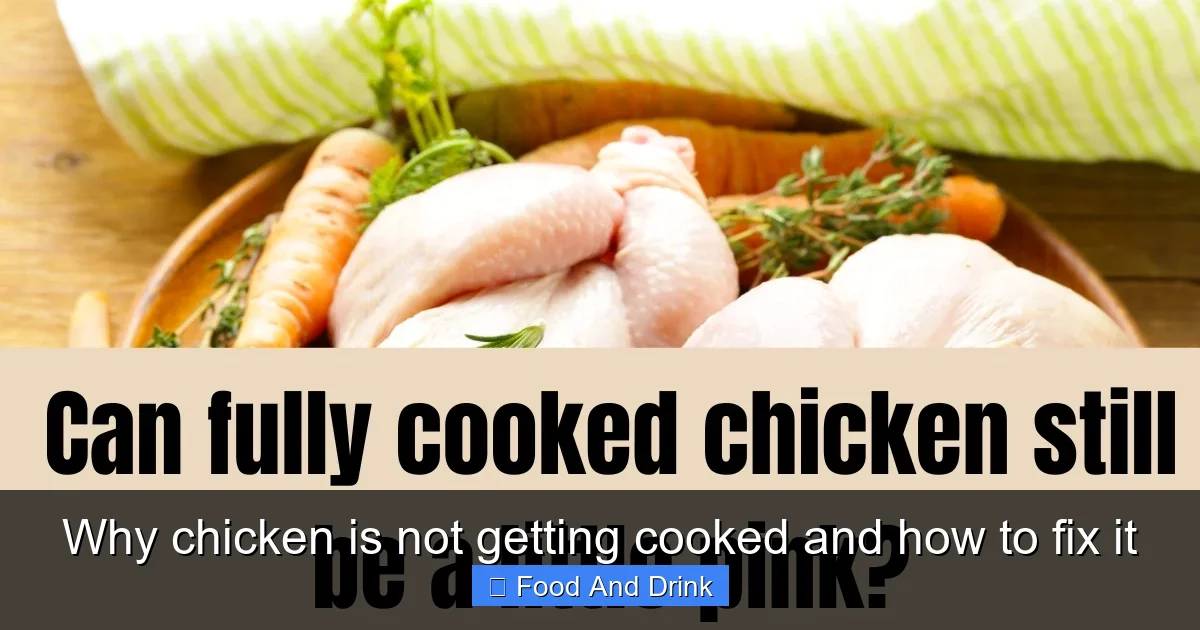
Visual guide about Why chicken is not getting cooked and how to fix it
Image source: projectperfecthome.com
Why Temperature Matters
The most critical factor in cooking chicken safely is reaching the right internal temperature. According to the USDA, all poultry—including chicken breasts, thighs, wings, and whole birds—must reach a minimum internal temperature of 165°F (74°C) to kill harmful bacteria. This temperature is measured at the thickest part of the meat, avoiding bones and fat.
But here’s the catch: many home cooks rely on time or appearance instead of temperature. A chicken breast might look done on the outside but still be undercooked in the center. That’s why using a food thermometer is non-negotiable. It’s the only reliable way to know if your chicken is truly cooked.
The Role of Heat Transfer
Heat must penetrate the chicken evenly for it to cook thoroughly. If the heat source is too low, the outside may dry out before the inside reaches 165°F. If it’s too high, the exterior can burn while the interior remains raw. This is especially true for thicker cuts like chicken breasts or whole chickens.
Different cooking methods transfer heat in different ways:
- Grilling: Direct, high heat sears the outside quickly but may not penetrate thick cuts fast enough.
- Baking: Dry, ambient heat cooks evenly but can dry out chicken if not monitored.
- Pan-frying: Direct contact with a hot pan browns the surface but may leave the center undercooked if the heat is too high.
- Slow cooking: Low, steady heat over time breaks down connective tissue but may not reach safe temperatures quickly enough if the chicken starts frozen.
Understanding these dynamics helps you adjust your method to ensure even cooking. For example, pounding chicken breasts to an even thickness or using a two-zone fire on the grill can make a big difference.
Common Reasons Chicken Is Not Getting Cooked
Now that we’ve covered the basics, let’s look at the most frequent culprits behind undercooked chicken. Identifying the root cause is the first step to fixing it.
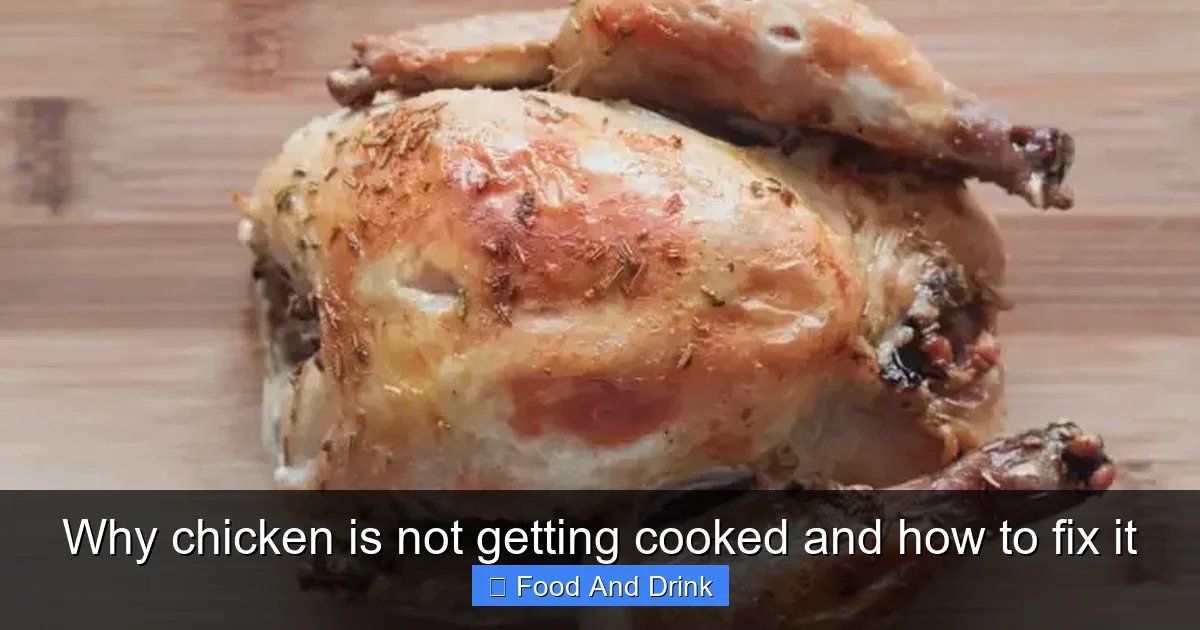
Visual guide about Why chicken is not getting cooked and how to fix it
Image source: cullyskitchen.com
1. Starting with Frozen or Improperly Thawed Chicken
One of the biggest mistakes people make is cooking chicken straight from the freezer. Frozen chicken takes much longer to cook, and the outside can appear done while the inside remains icy and raw. Even if you thaw it in the microwave, uneven thawing can leave cold spots that don’t cook through.
Solution: Always thaw chicken safely before cooking. The best method is to place it in the refrigerator for 24 hours. For quicker thawing, use the cold water method: submerge the chicken in a sealed bag in cold water, changing the water every 30 minutes. Never thaw chicken at room temperature—it encourages bacterial growth.
2. Incorrect Oven or Grill Temperature
Setting your oven or grill too low is a recipe for undercooked chicken. For example, baking chicken at 300°F (150°C) instead of 375°F (190°C) can result in a long, slow cook that never reaches the safe internal temperature. Similarly, a grill that’s not preheated properly won’t sear the chicken effectively, leading to uneven cooking.
Solution: Always preheat your oven or grill before adding chicken. Use an oven thermometer to verify accuracy—many ovens run hotter or cooler than displayed. For grilling, aim for medium-high heat (around 375–400°F or 190–200°C) and let the grates get hot before placing the chicken on them.
3. Cooking Time Is Too Short
Recipes often provide estimated cooking times, but these are just guidelines. Factors like the size of the chicken pieces, starting temperature, and equipment can all affect how long it takes to cook. Relying solely on time without checking temperature is a common mistake.
Example: A recipe might say “bake chicken breasts for 25 minutes,” but if your breasts are extra thick or started cold from the fridge, they may need 35–40 minutes. Conversely, thin cutlets might be done in 15 minutes.
Solution: Use time as a rough guide, but always verify doneness with a thermometer. Insert the probe into the thickest part of the meat, avoiding bone. If it reads below 165°F, return it to the heat and check every 2–3 minutes.
4. Uneven or Thick Cuts
Chicken pieces that are uneven in thickness cook at different rates. A breast that’s 2 inches thick at one end and ½ inch at the other will have a raw center while the thin end dries out. Whole chickens present the same challenge—the legs and thighs take longer to cook than the breast.
Solution: For even cooking, pound thicker parts to match thinner ones using a meat mallet or rolling pin. Alternatively, butterfly the chicken breast by slicing it horizontally and opening it like a book. For whole chickens, consider spatchcocking (removing the backbone and flattening the bird) to promote even cooking.
5. Overcrowding the Pan or Grill
When you pack too much chicken into a pan or grill, the temperature drops significantly. The chicken steams instead of searing, and moisture builds up, preventing proper browning and slowing down cooking. This is especially common when pan-frying multiple chicken breasts at once.
Solution: Cook in batches if necessary. Leave space between pieces so heat can circulate. This allows for better browning and more even cooking. If you’re grilling, use a two-zone fire: sear over direct heat, then move to indirect heat to finish cooking without burning.
6. Not Using a Meat Thermometer
Guessing whether chicken is done is risky. Visual cues like color and texture can be misleading. Chicken can turn white before it’s fully cooked, and it can still be undercooked even if it’s no longer pink. Juices running clear? That’s not a reliable indicator either—some undercooked chicken can still release clear juices.
Solution: Invest in a good instant-read meat thermometer. They’re affordable (usually under $20) and easy to use. Insert the probe into the thickest part of the meat, making sure it doesn’t touch bone or fat. Wait a few seconds for the reading to stabilize. If it’s below 165°F, keep cooking.
How to Fix Undercooked Chicken
So what do you do if you’ve already cooked your chicken and realized it’s not done? Don’t panic—there are ways to salvage it without starting over.
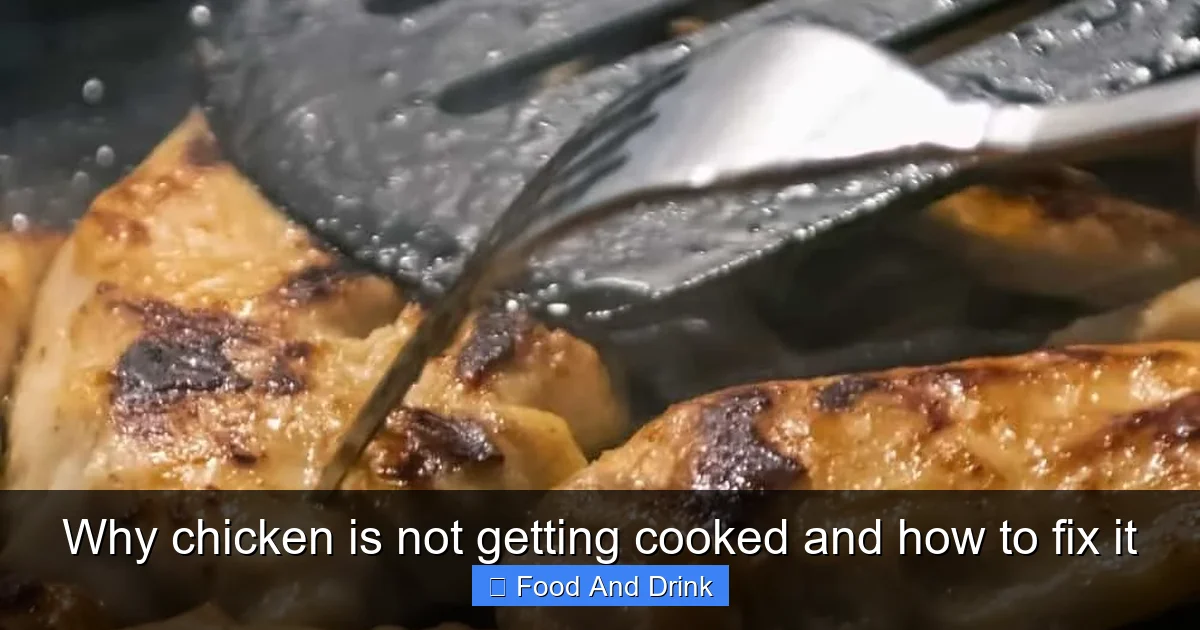
Visual guide about Why chicken is not getting cooked and how to fix it
Image source: chefstandards.com
Return It to the Heat
If the chicken is only slightly undercooked, simply return it to the oven, grill, or pan. Lower the heat slightly to prevent the outside from overcooking while the center catches up. Check the temperature every few minutes until it reaches 165°F.
Tip: Cover the chicken loosely with foil if the outside is browning too quickly. This traps steam and helps cook the interior without burning the surface.
Slice and Finish Cooking
For thicker cuts like chicken breasts, slicing them in half horizontally can help them cook faster. Once sliced, they’ll finish cooking in just a few minutes. This method works well for stir-fries, salads, or sandwiches where presentation isn’t critical.
Use a Sauce or Braise
If the chicken is nearly done but still a bit undercooked, you can finish it in a flavorful liquid. Add broth, wine, or a creamy sauce to a pan and simmer the chicken until it reaches the safe temperature. This method also adds moisture and flavor, making up for any dryness.
Example: Try finishing undercooked chicken in a lemon-garlic butter sauce or a tomato-based marinara. The liquid conducts heat and helps the center cook through.
Microwave as a Last Resort
In a pinch, you can use the microwave to finish cooking chicken—but do it carefully. Microwaves can create hot spots and overcook parts while leaving others raw. To minimize this, cut the chicken into smaller pieces, place them in a microwave-safe dish, cover with a lid or vented plastic wrap, and heat in 30-second intervals, stirring or flipping between each.
Warning: Only use this method if the chicken is already mostly cooked. Never microwave raw chicken from the fridge—it won’t cook evenly and could be unsafe.
Best Practices for Perfectly Cooked Chicken
Prevention is always better than a fix. By following a few best practices, you can avoid undercooked chicken altogether.
Choose the Right Cut for the Method
Different cuts of chicken have different cooking needs:
- Breasts: Lean and quick-cooking, but prone to drying out. Best for grilling, baking, or pan-searing. Pound to even thickness.
- Thighs and Drumsticks: Higher in fat and more forgiving. Great for slow cooking, braising, or grilling. Can handle longer cooking times.
- Wings: Best roasted at high heat or grilled. Cook until skin is crispy and internal temp reaches 165°F.
- Whole Chicken: Requires careful monitoring. Roast at 375°F (190°C), basting occasionally, until the internal temp in the thigh reaches 165°F.
Brining for Moisture and Even Cooking
Brining—soaking chicken in a saltwater solution—helps it retain moisture and cook more evenly. The salt changes the protein structure, allowing the meat to hold onto water during cooking. This is especially helpful for lean cuts like breasts.
Simple Brine Recipe: Dissolve ¼ cup of salt and ¼ cup of sugar in 4 cups of water. Submerge chicken for 1–2 hours (or up to 12 hours for a whole bird). Rinse and pat dry before cooking.
Let Chicken Rest After Cooking
Resting allows the juices to redistribute throughout the meat. If you cut into chicken immediately, the juices run out, leaving it dry. Let it rest for 5–10 minutes (longer for whole birds) before slicing or serving.
During this time, the internal temperature may even rise a few degrees due to carryover cooking—another reason to remove chicken from heat when it’s just under 165°F.
Use the Right Cookware
The type of pan you use affects cooking. Heavy-bottomed pans like cast iron distribute heat evenly and retain it well, reducing the risk of hot spots. Nonstick pans are great for delicate cuts but may not sear as effectively.
For baking, use a roasting pan with a rack to allow air circulation. For grilling, clean and oil the grates to prevent sticking and ensure even contact with the heat source.
Special Considerations for Different Cooking Methods
Each cooking method has its own quirks when it comes to ensuring chicken is fully cooked.
Grilling
Grilling is fast and flavorful, but high heat can fool you. Use a two-zone fire: sear over direct heat for 2–3 minutes per side, then move to indirect heat to finish cooking. This prevents charring while ensuring the center reaches 165°F.
Pro Tip: Marinate chicken for at least 30 minutes before grilling. Acidic marinades (with lemon, vinegar, or yogurt) can help tenderize and add flavor, but don’t marinate too long—over-marinating can make the texture mushy.
Baking and Roasting
Baking is reliable but requires attention to temperature and time. Preheat the oven, use a thermometer, and avoid opening the door too often, which causes heat loss.
For juicier results, try the “reverse sear” method: bake chicken at a low temperature (275°F or 135°C) until it reaches 150°F internally, then sear in a hot pan for a crispy exterior.
Pan-Frying and Sautéing
Pan-frying is great for quick meals, but overcrowding is a common mistake. Cook in batches, and use a lid to trap steam if the chicken is thick. This helps the center cook without burning the outside.
For extra insurance, finish thick cuts in a 350°F (175°C) oven for 5–10 minutes after searing.
Slow Cooking and Instant Pot
Slow cookers are convenient but can be tricky. Chicken can turn rubbery if overcooked, or remain undercooked if the cooker isn’t hot enough. Always ensure the liquid is simmering, not just warm.
In an Instant Pot, use the “Poultry” setting or manual high pressure for 6–8 minutes per pound, followed by a natural release. Check the temperature before serving.
Conclusion: Cook Chicken with Confidence
Cooking chicken doesn’t have to be a guessing game. When chicken is not getting cooked, it’s usually due to one of a handful of common issues—improper thawing, incorrect temperature, uneven cuts, or lack of a thermometer. But with the right knowledge and tools, you can turn every meal into a success.
Remember: safety comes first. Always cook chicken to 165°F, use a thermometer, and avoid shortcuts like cooking from frozen or relying on appearance. With practice, you’ll develop a feel for how your equipment works and how your chicken behaves under heat. Soon, you’ll be serving perfectly cooked, juicy, and safe chicken every time—no more pink centers, no more food safety scares.
So the next time you’re in the kitchen, take a deep breath, grab your thermometer, and cook with confidence. Your taste buds—and your stomach—will thank you.
Frequently Asked Questions
What temperature should chicken be cooked to?
Chicken must reach an internal temperature of 165°F (74°C) to be safe to eat. Use a food thermometer to check the thickest part of the meat.
Can I tell if chicken is done by looking at it?
No, visual cues like color or clear juices are not reliable. The only way to know for sure is to use a meat thermometer.
How do I prevent chicken from being undercooked on the grill?
Use a two-zone fire: sear over direct heat, then move to indirect heat to finish cooking. Always check the internal temperature.
Is it okay to eat chicken that’s a little pink?
Only if it has reached 165°F internally. Some fully cooked chicken can still look pink due to natural compounds or packaging gases.
What’s the best way to thaw chicken safely?
Thaw chicken in the refrigerator, in cold water (changing water every 30 minutes), or in the microwave using the defrost setting. Never thaw at room temperature.
Can I fix undercooked chicken after cooking?
Yes. Return it to the heat, slice it thinner, or finish it in a sauce. Always ensure it reaches 165°F before eating.


