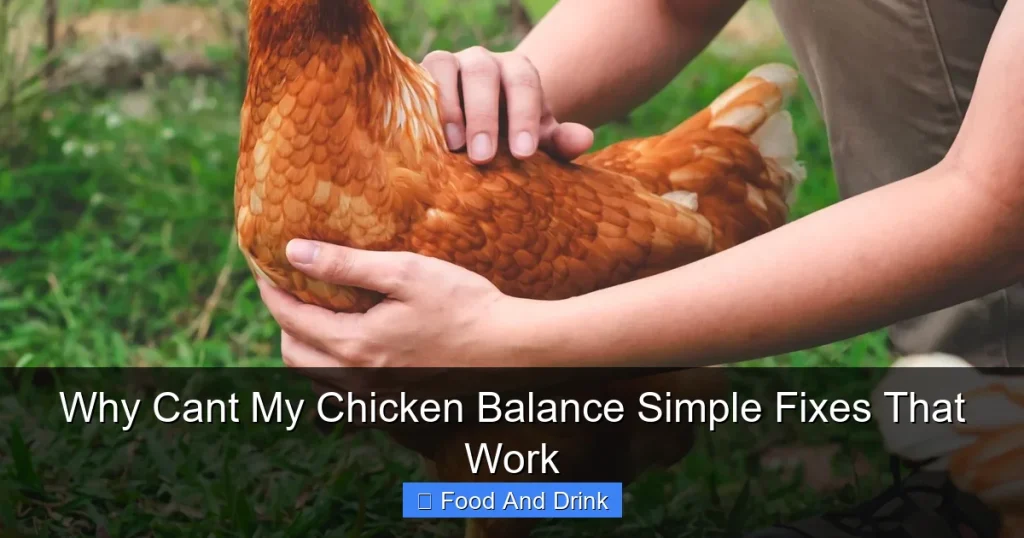

If your chicken struggles to balance, it’s often due to health issues, environmental factors, or nutritional gaps—not clumsiness. With a few simple adjustments like better perches, vet checks, and diet tweaks, most balance problems can be resolved quickly and safely.
Have you ever watched your chicken wobble on a perch, tilt its head oddly, or stumble while walking—and wondered, “Why can’t my chicken balance?” You’re not alone. Many backyard chicken keepers notice these unsettling behaviors and assume their bird is just clumsy or tired. But balance problems in chickens are rarely about lack of grace. More often, they’re red flags pointing to deeper issues that need attention.
Chickens are naturally agile creatures. In the wild, they hop from branch to branch, scratch the ground with precision, and roost safely through the night. So when one starts swaying, falling off perches, or walking in circles, it’s a sign something’s off. The good news? Most balance issues are treatable—especially when caught early. Whether it’s a nutritional deficiency, a minor injury, or a treatable infection, understanding the cause is the first step toward helping your feathered friend regain stability and confidence.
In this guide, we’ll explore the most common reasons chickens lose their balance and share practical, science-backed fixes that actually work. From perch design to diet adjustments, vet care to home remedies, you’ll learn how to support your flock’s health and well-being. No jargon, no fluff—just clear, actionable advice to help your chicken stand tall again.
Key Takeaways
- Balance issues in chickens are usually symptoms, not the root problem: They often signal underlying health conditions like infections, parasites, or neurological disorders.
- Proper perch design is crucial: Round, smooth perches can cause foot strain; flat, textured perches with rounded edges offer better grip and comfort.
- Nutrition plays a key role: Deficiencies in vitamins (especially B1 and E), calcium, or protein can weaken muscles and nerves, affecting coordination.
- Environmental stressors matter: Overcrowding, poor lighting, slippery floors, or sudden changes can disorient chickens and impact balance.
- Age and breed influence stability: Older hens or heavy breeds like Brahmas may naturally have more balance challenges than lighter, younger birds.
- Early intervention leads to better outcomes: Isolating affected birds, consulting a vet, and adjusting care promptly can prevent worsening conditions.
- Simple home remedies can help: Epsom salt soaks, supportive perches, and calming routines often restore confidence and mobility.
Quick Answers to Common Questions
Can a chicken recover from balance problems?
Yes, many chickens recover fully with proper care, especially if the cause is nutritional or environmental. Early intervention improves outcomes.
Are round perches bad for chickens?
Yes, round perches can cause foot strain and slipping. Flat perches with rounded edges are much better for grip and comfort.
What vitamin deficiency causes balance issues in chickens?
Vitamin B1 (thiamine) and vitamin E deficiencies are common culprits, as they affect nerve and muscle function.
Should I isolate a chicken with balance problems?
Yes, isolating the bird reduces stress and prevents injury. Use a quiet, warm space with food and water nearby.
Can stress cause a chicken to lose balance?
Yes, environmental stress like overcrowding, predators, or sudden changes can disorient chickens and affect coordination.
📑 Table of Contents
- Understanding Chicken Balance: How It Works and Why It Fails
- Top Causes of Balance Problems in Chickens
- Nutrition and Its Impact on Chicken Balance
- Perch Design and Housing Solutions
- When to See a Vet: Serious Conditions to Watch For
- Simple Fixes That Actually Work
- Preventing Future Balance Issues
- Conclusion
Understanding Chicken Balance: How It Works and Why It Fails
Chickens, like all birds, rely on a complex system of muscles, nerves, and inner ear function to maintain balance. Their vestibular system—located in the inner ear—helps them sense orientation and movement. When this system is disrupted, even slightly, a chicken may appear uncoordinated or dizzy. But balance isn’t just about ears. It also involves strong legs, healthy feet, proper vision, and a calm nervous system.
A healthy chicken walks with a steady gait, perches confidently, and reacts quickly to movement. But when balance fails, you might notice signs like head tilting, circling, falling over, or reluctance to move. These behaviors can be subtle at first—maybe your hen hesitates before jumping onto a roost, or she shakes her head more than usual. Over time, though, the symptoms can worsen, leading to isolation, reduced feeding, and even injury.
It’s important to remember that balance issues are almost always secondary symptoms. That means the real problem lies beneath the surface. For example, a chicken with a respiratory infection might develop secondary ear inflammation, which affects balance. Or a bird low in vitamin B1 might experience nerve damage that impairs coordination. By identifying the root cause, you can treat the issue effectively instead of just managing symptoms.
The Role of the Inner Ear and Nervous System
The inner ear contains fluid-filled canals that detect motion and gravity. When a chicken moves its head, the fluid shifts, sending signals to the brain about position and speed. If this system is inflamed—due to infection, injury, or toxin exposure—those signals get scrambled. The result? Dizziness, head tilting, and loss of balance.
Neurological health is equally important. Chickens need healthy nerves to send messages from the brain to the muscles. Deficiencies in B vitamins, especially thiamine (B1), can damage nerve function. This leads to weakness, tremors, and poor coordination. In severe cases, chickens may even develop twisted necks or paralysis.
Common Misconceptions About Chicken Clumsiness
Many people assume that if a chicken stumbles once in a while, it’s just being clumsy. But chickens are naturally sure-footed. Occasional slips might happen on wet or slippery surfaces, but frequent wobbling is not normal. Another myth is that older chickens are just “slowing down.” While age can affect mobility, sudden or severe balance loss in senior hens should never be dismissed as normal aging.
Some breeders also believe that heavy breeds like Orpingtons or Cochins are naturally less graceful. While it’s true that larger birds have more mass to manage, they shouldn’t struggle with basic balance. If your big hen can’t stay upright, there’s likely an underlying issue—not just her size.
Top Causes of Balance Problems in Chickens
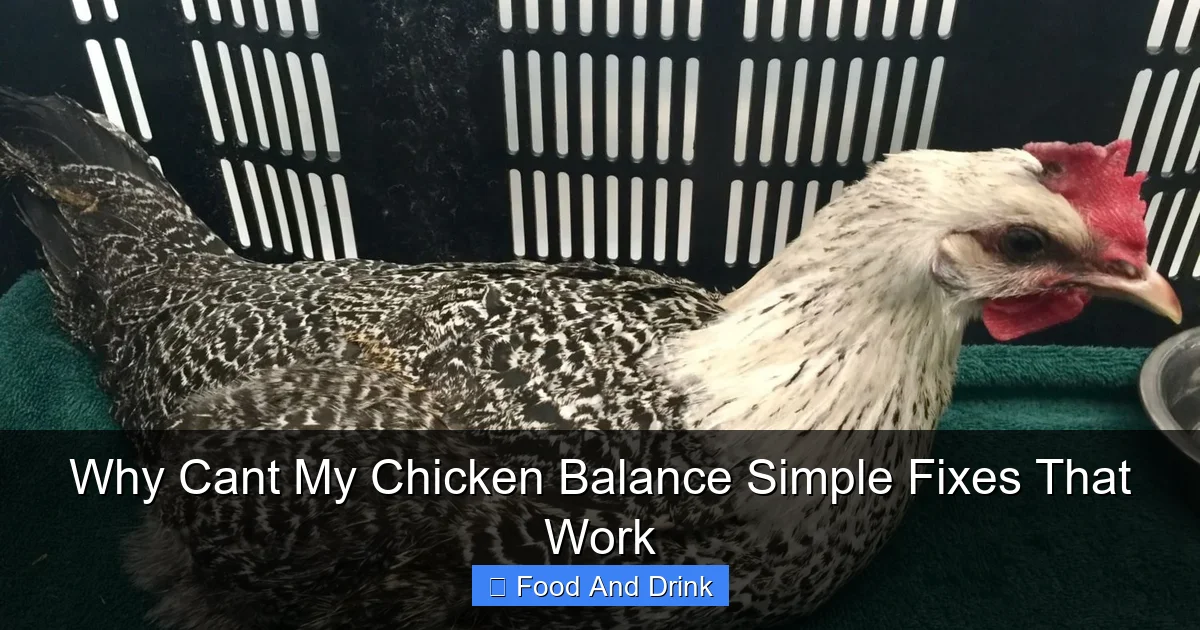
Visual guide about Why Cant My Chicken Balance Simple Fixes That Work
Image source: backyardchickens.com
Now that we understand how balance works, let’s look at the most common reasons it fails. These causes fall into three main categories: health issues, environmental factors, and nutritional deficiencies. Identifying which one applies to your chicken is key to finding the right fix.
Health Conditions That Affect Balance
Several illnesses can directly impact a chicken’s ability to balance. The most common include:
– **Marek’s Disease:** A viral disease that attacks the nervous system. It often causes paralysis, twisted necks, and uncoordinated movements. Unfortunately, there’s no cure, but vaccination can prevent it.
– **Avian Encephalomyelitis (AE):** A virus that affects the brain and spinal cord, especially in young chicks. Symptoms include tremors, weakness, and loss of balance.
– **Ear Infections:** Bacterial or fungal infections in the inner or middle ear can cause inflammation and dizziness. Head tilting is a classic sign.
– **Coccidiosis:** While primarily a gut disease, severe cases can lead to weakness and dehydration, making chickens unsteady on their feet.
– **Parasites:** Internal parasites like gapeworms or external ones like mites can stress the bird and indirectly affect coordination.
If your chicken shows sudden balance issues along with lethargy, loss of appetite, or discharge from the eyes or nose, it’s time to consult a poultry-savvy veterinarian.
Environmental Stressors and Poor Housing
Even healthy chickens can struggle with balance if their environment isn’t suited to their needs. Common environmental problems include:
– **Slippery Floors:** Wire flooring or smooth concrete can cause chickens to slip and lose confidence. This is especially true for heavier breeds.
– **Inadequate Lighting:** Chickens rely on light to navigate. Dim or flickering lights can disorient them, especially at night when they roost.
– **Overcrowding:** Too many birds in a small space leads to stress, pecking, and injuries—all of which can affect mobility.
– **Poor Perch Design:** Round, smooth perches are hard to grip. Chickens may slide off or develop bumblefoot from constant strain.
– **Temperature Extremes:** Heat stress or cold drafts can weaken a chicken’s overall condition, making balance harder to maintain.
A well-designed coop with proper flooring, good lighting, and comfortable perches can prevent many balance issues before they start.
Age, Breed, and Physical Factors
Not all balance problems are due to illness. Some are simply part of a chicken’s natural life cycle or breed traits.
– **Age:** Older hens (over 3–4 years) may develop arthritis or muscle atrophy, which affects their ability to stand or perch. They might also have weaker eyesight, making navigation harder.
– **Breed:** Heavy breeds like Brahmas, Jersey Giants, or Cochins have more body mass, which can make balancing on narrow perches more challenging. Lighter breeds like Leghorns or Silkies are generally more agile.
– **Injuries:** Sprains, fractures, or soft tissue damage from falls or fights can temporarily impair balance. Even minor leg injuries can cause a chicken to favor one side, leading to uneven weight distribution.
Understanding your chicken’s age and breed helps set realistic expectations and tailor care accordingly.
Nutrition and Its Impact on Chicken Balance
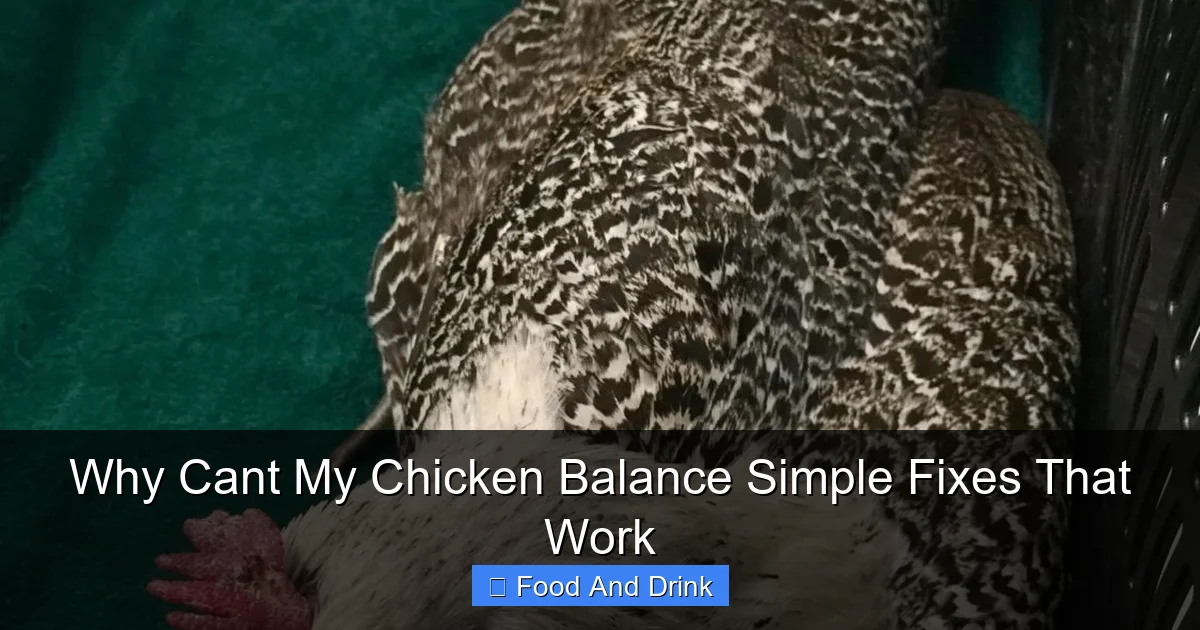
Visual guide about Why Cant My Chicken Balance Simple Fixes That Work
Image source: backyardchickens.com
You’ve probably heard the saying, “You are what you eat.” The same is true for chickens. What they consume directly affects their muscles, nerves, and overall health—including their ability to balance.
Key Nutrients for Coordination and Nerve Health
Several vitamins and minerals are essential for maintaining balance:
– **Vitamin B1 (Thiamine):** Critical for nerve function. Deficiency can cause weakness, tremors, and loss of coordination. Found in grains, seeds, and commercial layer feeds.
– **Vitamin E:** Acts as an antioxidant and supports muscle and nerve health. Low levels can lead to ataxia (loss of muscle control).
– **Calcium:** Needed for strong bones and proper muscle contraction. Hens laying eggs require extra calcium; deficiency can cause leg weakness.
– **Protein:** Muscles need protein to stay strong. Low-protein diets can lead to muscle wasting and poor posture.
– **Omega-3 Fatty Acids:** Support brain and nerve health. Found in flaxseed, fish oil, and certain greens.
Most quality layer feeds are formulated to meet these needs, but supplements may be necessary in certain cases.
Signs of Nutritional Deficiencies
Watch for these clues that your chicken’s diet might be lacking:
– Wobbly gait or frequent falling
– Weak legs or reluctance to stand
– Poor feather quality or slow growth
– Reduced egg production or soft-shelled eggs
– Lethargy or lack of appetite
If you suspect a deficiency, review your feed ingredients and consider adding supplements. For example, crushed eggshells or oyster shell can boost calcium, while brewer’s yeast is rich in B vitamins.
Feeding Tips to Support Balance
– **Choose a high-quality layer feed** with at least 16% protein and added vitamins.
– **Provide fresh greens daily** like kale, spinach, or dandelion leaves for natural nutrients.
– **Limit treats** to no more than 10% of the diet—too much scratch or bread can displace essential nutrients.
– **Offer supplements** like probiotics or vitamin-enriched water during stress or illness.
– **Ensure constant access to clean water**—dehydration worsens weakness and coordination.
A balanced diet isn’t just about eggs—it’s about overall vitality, including the ability to stand, walk, and roost with confidence.
Perch Design and Housing Solutions

Visual guide about Why Cant My Chicken Balance Simple Fixes That Work
Image source: ecop.b-cdn.net
One of the most overlooked factors in chicken balance is perch design. Many coops come with round, smooth wooden or metal perches—great for aesthetics, but terrible for chicken feet.
Why Perch Shape Matters
Chickens sleep with their feet gripping the perch and their tendons locking automatically. This “tendon lock” mechanism keeps them from falling asleep. But if the perch is too round or slippery, their feet can’t get a secure grip. Over time, this leads to foot strain, bumblefoot, and loss of confidence—especially in older or heavier birds.
Flat perches with rounded edges are ideal. They allow the chicken’s foot to rest flat, distributing weight evenly and reducing pressure on the toes. Textured surfaces—like sandpaper strips or grooved wood—add extra grip.
Best Practices for Perch Setup
– **Use flat perches** 2–4 inches wide with rounded corners.
– **Space perches 12–18 inches apart** to prevent crowding.
– **Place the highest perch at least 2 feet off the ground**—chickens prefer to roost high.
– **Avoid metal perches in cold climates**—they can freeze to feet.
– **Clean perches regularly** to prevent bacteria buildup.
If your chickens are struggling, try replacing one perch with a flat, textured alternative and observe the difference. Many owners report immediate improvement in confidence and stability.
Other Housing Improvements
– **Add non-slip flooring** like rubber mats or deep litter (straw or wood shavings) to reduce slipping.
– **Ensure good ventilation** to prevent respiratory issues that can affect overall health.
– **Provide hiding spots or low perches** for older or weaker birds who can’t reach high roosts.
– **Use night lights** in the coop to help chickens navigate in the dark.
A well-designed coop isn’t just comfortable—it’s a foundation for physical and mental well-being.
When to See a Vet: Serious Conditions to Watch For
While many balance issues can be resolved at home, some require professional help. Knowing when to call a vet can save your chicken’s life.
Red Flags That Need Immediate Attention
Seek veterinary care if your chicken shows:
– Sudden paralysis or inability to stand
– Severe head tilting or circling
– Seizures or tremors
– Loss of appetite for more than 24 hours
– Swollen joints or visible injuries
– Discharge from eyes, nose, or ears
These symptoms may indicate serious conditions like Marek’s disease, botulism, or advanced infections.
What to Expect at the Vet
A poultry vet will likely perform a physical exam, check reflexes, and may run tests like blood work or fecal exams. They might prescribe antibiotics, anti-inflammatories, or supportive care like fluids and vitamins.
Even if the diagnosis is uncertain, early treatment improves outcomes. Don’t wait—chickens hide illness well, and by the time symptoms are obvious, the condition may be advanced.
Simple Fixes That Actually Work
The best part? Many balance problems can be fixed with simple, low-cost changes. Here’s a step-by-step guide to help your chicken recover.
Step 1: Isolate and Observe
If one chicken is affected, move her to a quiet, warm recovery space. This reduces stress and prevents bullying. Observe her behavior closely—note how often she falls, whether she eats, and if symptoms worsen.
Step 2: Check the Environment
– Replace round perches with flat, textured ones.
– Add non-slip flooring.
– Ensure the coop is clean, dry, and well-lit.
Step 3: Review Diet and Hydration
– Switch to a high-quality layer feed.
– Add a vitamin supplement to water (like poultry vitamins with B-complex).
– Offer calcium sources like oyster shell.
– Ensure fresh water is always available.
Step 4: Try Home Remedies
– **Epsom salt soaks:** Dissolve 1–2 tablespoons in warm water and soak the chicken’s legs for 10 minutes to reduce swelling and relax muscles.
– **Calming routines:** Gentle handling, soft music, or dim lighting can reduce stress.
– **Supportive perches:** Use a low, wide perch or a roosting pad to help the bird rest comfortably.
Step 5: Monitor and Adjust
Most chickens show improvement within a few days. If not, consult a vet. Keep a journal of symptoms and changes to share with the veterinarian.
Preventing Future Balance Issues
Prevention is always better than cure. Here’s how to keep your flock steady and strong:
– **Vaccinate against common diseases** like Marek’s and Newcastle.
– **Maintain a clean, dry coop** to reduce infection risk.
– **Rotate pasture or provide dust baths** to control parasites.
– **Handle chickens gently** to avoid injuries.
– **Regular health checks**—look for signs of illness during daily feeding.
By creating a safe, nutritious, and stress-free environment, you’ll help your chickens thrive—and stay balanced—for years to come.
Conclusion
So, why can’t your chicken balance? It’s rarely about clumsiness. More often, it’s a signal that something deeper needs attention—whether it’s a health issue, a dietary gap, or a poorly designed coop. The good news is that most balance problems are fixable with the right approach.
Start by observing your chicken closely. Is she eating? Drinking? Acting otherwise normal? Then assess her environment—perches, flooring, lighting. Next, review her diet and consider supplements. If symptoms persist or worsen, don’t hesitate to call a vet.
With a little care and attention, your feathered friend can regain her confidence and stability. Remember, a balanced chicken is a happy chicken—and a happy chicken means a happier you.
🎥 Related Video: Is My Chicken Sick? How to Treat Chickens Naturally
📺 Nature’s Always Right
Learn My Step-by-Step System for Raising Chickens Naturally! → https://naturesalwaysright.com/natural-chicken-course ✓ Save …
Frequently Asked Questions
What causes sudden balance loss in chickens?
Sudden balance loss is often due to infections, neurological issues, or toxins. Conditions like Marek’s disease or ear infections can develop quickly and require prompt attention.
Can chickens get dizzy?
Yes, chickens can experience dizziness from inner ear infections, head injuries, or neurological disorders. Head tilting and circling are common signs.
How do I help an old chicken with balance issues?
Provide low perches, non-slip flooring, and a quiet space. Ensure she’s eating and drinking, and consider joint supplements or vet care for arthritis.
Is it normal for chickens to fall off perches?
Occasional slips can happen, but frequent falling is not normal. It may indicate perch design issues, illness, or weakness.
Can diet fix balance problems?
Yes, if the issue is due to nutritional deficiencies. Adding B vitamins, calcium, and high-quality feed can restore nerve and muscle function.
When should I worry about my chicken’s balance?
Worry if the chicken can’t stand, shows head tilting, seizures, or stops eating. These signs suggest serious conditions needing veterinary care.