

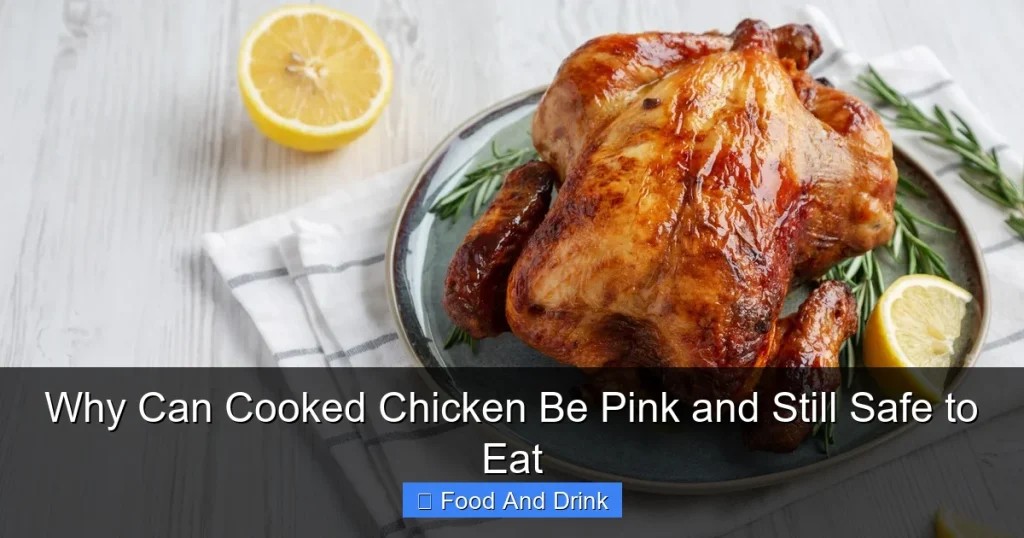

Cooked chicken can appear pink even when fully safe to eat due to chemical reactions, cooking methods, or natural pigments—not undercooking. Understanding the difference between appearance and doneness ensures you enjoy flavorful, juicy chicken without food safety risks.
Have you ever pulled a perfectly roasted chicken breast out of the oven, sliced into it, and gasped at the sight of a pinkish hue near the bone or along the surface? Your first thought might be, “Is this safe to eat?” or “Did I undercook it?” You’re not alone. Many home cooks—and even experienced chefs—have faced this puzzling moment. The truth is, **cooked chicken can be pink and still be completely safe to eat**. It’s a common kitchen mystery that stems from science, not spoilage.
Chicken is a staple in kitchens around the world, praised for its versatility, affordability, and protein content. But it’s also one of the most misunderstood meats when it comes to doneness. Unlike beef or pork, where color can be a somewhat reliable indicator of how well-done the meat is, chicken behaves differently. The pink color you see isn’t always a sign of rawness. In fact, it can appear even when the chicken has reached the safe internal temperature of 165°F (74°C), as recommended by the USDA. This phenomenon is caused by a combination of chemical reactions, cooking techniques, and natural pigments in the meat.
Understanding why cooked chicken can be pink is essential for both food safety and culinary confidence. Relying solely on color can lead to overcooking—resulting in dry, tough meat—or unnecessary worry about undercooked chicken. By learning the science behind the pink hue, you can cook chicken that’s juicy, flavorful, and safe. This article will explore the various reasons behind pink cooked chicken, debunk common myths, and provide practical tips to ensure your meals are both delicious and safe.
Key Takeaways
- Pink color doesn’t always mean raw: Chemical reactions involving myoglobin and nitric oxide can cause pink hues even in fully cooked chicken.
- Cooking method matters: Grilling, smoking, or using marinades with acidic ingredients can lead to pink cooked chicken.
- Chicken breast is more prone to pinkness: Leaner cuts like breasts retain moisture differently and react more visibly to heat and chemicals.
- Use a meat thermometer: The only reliable way to confirm doneness is by checking internal temperature—165°F (74°C) for safety.
- Freezing and thawing affect color: Previously frozen chicken may appear pinker after cooking due to changes in muscle structure.
- Nitrites in brines cause pink rings: Similar to cured meats, brined or injected chicken can develop a pink outer layer when cooked.
- Don’t rely on color alone: Visual cues are misleading; always verify with temperature to avoid foodborne illness.
Quick Answers to Common Questions
Is pink cooked chicken safe to eat?
Yes, pink cooked chicken can be safe to eat if it has reached an internal temperature of 165°F (74°C). The pink color is often due to chemical reactions, not undercooking.
Why does grilled chicken turn pink?
Grilled chicken can turn pink due to nitric oxide in smoke binding to myoglobin, creating a pink pigment. This is common and safe.
Can marinades make chicken pink after cooking?
Yes, acidic marinades can alter the pH of chicken, causing myoglobin to retain its pink color even when fully cooked.
Why is my chicken pink near the bone?
Bones retain heat differently, and the surrounding meat may appear pink even when cooked. Use a thermometer to confirm safety.
Does freezing chicken cause pinkness when cooked?
Yes, freezing can damage muscle fibers, leading to pink discoloration after cooking. This doesn’t affect safety.
📑 Table of Contents
The Science Behind Pink Cooked Chicken
At the heart of the pink chicken mystery lies a protein called myoglobin. Found in muscle tissue, myoglobin is responsible for storing oxygen and giving meat its red or pink color. In raw chicken, myoglobin is in its natural state, giving the meat a pinkish or grayish hue. When chicken is cooked, heat causes myoglobin to denature—meaning its structure changes—and typically turns it brown or gray, signaling doneness.
However, under certain conditions, myoglobin can react with other compounds and retain or even develop a pink color, even after reaching safe temperatures. One key player in this reaction is nitric oxide (NO), a gas that forms when nitrogen-containing compounds in the meat interact with heat. Nitric oxide binds to myoglobin, creating a stable pink pigment known as nitrosomyoglobin. This is the same compound that gives cured meats like ham or bacon their pink color—even though they’re fully cooked.
This reaction is more likely to occur when chicken is exposed to smoke, high heat, or certain marinades. For example, grilling or smoking chicken introduces nitric oxide from the smoke, which can penetrate the meat and cause a pink ring or surface discoloration. Similarly, marinades containing acidic ingredients like vinegar, lemon juice, or wine can alter the pH of the meat, affecting how myoglobin reacts to heat. In some cases, the pink color may appear only near the bone or in thicker parts of the meat, where heat penetration and chemical reactions differ.
Another factor is the presence of nitrites or nitrates in brines or injected solutions. Many commercially sold chickens are injected with salt, water, and flavor enhancers—some of which contain sodium nitrite. When these chickens are cooked, the nitrites react with myoglobin to form the same pink compound seen in cured meats. This is why you might notice a pink outer layer on a rotisserie chicken from the grocery store, even though it’s been fully cooked.
It’s also worth noting that freezing and thawing can influence color. When chicken is frozen, ice crystals form and can damage muscle fibers, altering how myoglobin behaves during cooking. Thawed chicken may appear pinker after cooking because the damaged tissue holds onto moisture and pigments differently. This doesn’t mean the chicken is undercooked—it’s simply a visual effect of the freezing process.
Common Causes of Pinkness in Cooked Chicken
Visual guide about Why Can Cooked Chicken Be Pink and Still Safe to Eat
Image source: tastingtable.com
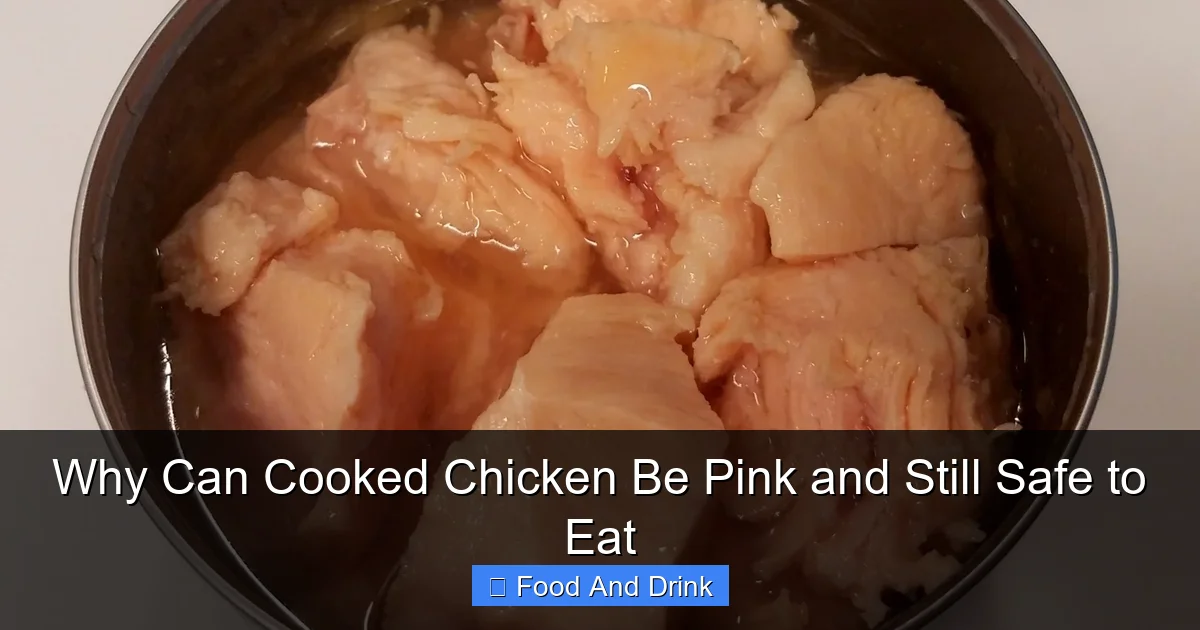
Now that we understand the science, let’s break down the most common real-world causes of pink cooked chicken. These factors often work together, making it even more confusing to determine whether your chicken is safe to eat.
Cooking Method: Grilling and Smoking
Grilling and smoking are beloved cooking methods for chicken because they add rich, smoky flavor and create a delicious crust. However, they’re also prime culprits behind pink cooked chicken. When chicken is exposed to wood smoke, especially from hardwoods like hickory or mesquite, nitric oxide is released. This gas binds to the surface of the meat and penetrates slightly, creating a pink ring—similar to what you’d see in smoked brisket or salmon.
This pink ring is not a sign of undercooking. It’s a chemical reaction between the smoke and myoglobin. In fact, many pitmasters consider the pink ring a badge of honor, indicating proper smoking technique. The same effect can occur with gas or charcoal grills if the chicken is close to the heat source and exposed to smoke or flare-ups.
Marinades and Acidic Ingredients
Marinating chicken in acidic liquids like lemon juice, vinegar, or wine can also lead to pink discoloration. These ingredients lower the pH of the meat, which affects how myoglobin reacts to heat. In low-pH environments, myoglobin is more likely to retain its pink color even when cooked. This is especially common with chicken breasts, which have less fat and more exposed surface area.
For example, if you marinate chicken in a lemon-herb mixture and then grill it, you might notice a pinkish tint along the surface. This doesn’t mean the chicken is raw—it’s simply the result of the marinade interacting with the meat during cooking. The same can happen with yogurt-based marinades, which are alkaline but still alter the meat’s chemistry.
Brining and Injection Solutions
Many store-bought chickens are injected with a solution of salt, water, and sometimes sodium nitrite to enhance flavor and moisture retention. This process, known as “enhanced” or “flavor-infused” chicken, is common in supermarkets. When these chickens are cooked, the nitrites in the solution react with myoglobin to form nitrosomyoglobin, creating a pink outer layer.
This pink ring is especially noticeable in rotisserie chickens, which are often injected and then slow-roasted. Even though the chicken reaches a safe internal temperature, the outer layer may remain pink due to the chemical reaction. This is perfectly safe to eat—it’s the same process used in making cured meats like ham or pastrami.
Freezing and Thawing Effects
If you’ve ever cooked chicken that was previously frozen, you might have noticed it turns pink after cooking. This is because freezing causes ice crystals to form inside the muscle fibers, damaging their structure. When the chicken is thawed and cooked, the damaged tissue holds onto moisture and pigments differently, leading to a pink appearance.
This effect is more common in chicken breasts, which have less fat and more delicate muscle fibers. The pink color is not a sign of undercooking—it’s simply a result of the freezing process. To minimize this, try cooking chicken from a partially thawed state or using a brine to help retain moisture.
Bone Proximity and Heat Distribution
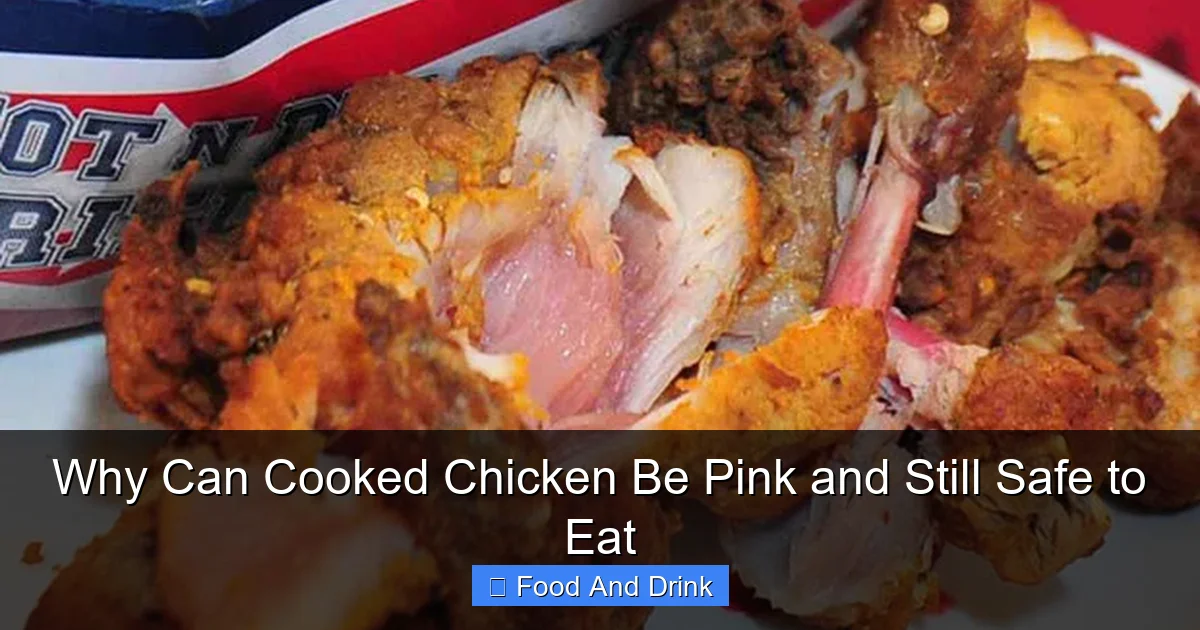
Another common cause of pinkness is the proximity to the bone. Chicken bones retain heat differently than muscle tissue, and the area near the bone can appear pink even when the rest of the meat is fully cooked. This is because the bone conducts heat slowly, and the surrounding meat may not reach the same temperature as the outer layers.
This is especially true for whole chickens or chicken parts with bones, like drumsticks or thighs. The pink color near the bone is usually harmless, but it’s important to check the internal temperature with a meat thermometer to ensure safety.
How to Tell If Chicken Is Safe to Eat
Visual guide about Why Can Cooked Chicken Be Pink and Still Safe to Eat
Image source: i.ytimg.com
With so many factors that can cause pinkness, it’s understandable to feel uncertain about whether your chicken is safe. The good news is, there’s a simple, reliable way to know for sure: use a meat thermometer.
The USDA recommends cooking all poultry to an internal temperature of **165°F (74°C)** to kill harmful bacteria like Salmonella and Campylobacter. This temperature ensures that the chicken is safe to eat, regardless of its color. To check the temperature, insert the thermometer into the thickest part of the meat, avoiding the bone. For chicken breasts, this is usually the center. For thighs or drumsticks, aim for the middle of the meat, away from the bone.
If the thermometer reads 165°F or higher, the chicken is safe—even if it looks pink. If it’s below that, continue cooking and check again in a few minutes. Remember, color is not a reliable indicator of doneness. Relying on visual cues alone can lead to overcooked, dry chicken or, worse, foodborne illness.
In addition to using a thermometer, pay attention to other signs of doneness. Fully cooked chicken should be firm to the touch, not rubbery or slimy. The juices should run clear, not pink or bloody. And when you cut into it, there should be no trace of raw, translucent meat.
It’s also helpful to let chicken rest for a few minutes after cooking. This allows the juices to redistribute, making the meat more tender and easier to slice. During this time, the internal temperature may rise slightly due to carryover cooking, so you might even reach 165°F after removing the chicken from the heat.
Myths and Misconceptions About Pink Chicken
Visual guide about Why Can Cooked Chicken Be Pink and Still Safe to Eat
Image source: cdn.images.dailystar.co.uk
Despite the science, many myths persist about pink cooked chicken. Let’s clear up some of the most common misconceptions.
Myth: Pink Chicken Is Always Undercooked
This is the biggest myth of all. As we’ve seen, pinkness can occur even when chicken is fully cooked and safe to eat. Chemical reactions, cooking methods, and natural pigments can all cause pink hues without any risk of foodborne illness.
Myth: Only Raw Chicken Is Pink
Raw chicken can be gray, tan, or even greenish depending on age and storage conditions. Color is not a reliable indicator of freshness or doneness. Some raw chicken may not look pink at all, while cooked chicken can appear bright pink.
Myth: Pink Chicken Tastes Different
The pink color is purely visual and doesn’t affect the taste or texture of the chicken. In fact, chicken that’s cooked to the right temperature but retains some pinkness is often more juicy and flavorful than overcooked meat.
Myth: You Can’t Eat Chicken That’s Pink Near the Bone
As long as the internal temperature reaches 165°F, chicken near the bone is safe to eat—even if it looks pink. The bone’s heat retention can cause discoloration, but it doesn’t mean the meat is undercooked.
Myth: All Pink Chicken Is From Nitrites
While nitrites in brines can cause pinkness, they’re not the only cause. Grilling, smoking, marinades, and freezing can all contribute to pink cooked chicken without any added chemicals.
Practical Tips for Cooking Safe, Juicy Chicken
Now that you understand why cooked chicken can be pink, here are some practical tips to ensure your chicken is always safe, tender, and delicious.
Use a Meat Thermometer
This is the most important tip. Invest in a good digital instant-read thermometer and use it every time you cook chicken. Insert it into the thickest part of the meat, avoiding the bone, and wait for the reading to stabilize.
Brine Your Chicken
Brining—soaking chicken in a saltwater solution—helps retain moisture and can reduce the risk of overcooking. It also minimizes the appearance of pinkness caused by freezing or acidic marinades. A simple brine of 1/4 cup salt per quart of water, soaked for 1–2 hours, works well.
Avoid Overcooking
Chicken dries out quickly when overcooked. Remove it from the heat when the internal temperature reaches 160°F (71°C) and let it rest. The temperature will rise to 165°F during resting, ensuring safety without sacrificing juiciness.
Choose the Right Cooking Method
Different methods suit different cuts. Chicken breasts are best cooked with moist heat (like poaching or braising) or quick, high-heat methods (like grilling or pan-searing). Dark meat (thighs, drumsticks) is more forgiving and can handle longer cooking times.
Let Chicken Rest
Always let chicken rest for 5–10 minutes after cooking. This allows the juices to settle, making the meat more tender and easier to slice.
Store and Handle Safely
Keep raw chicken refrigerated at 40°F (4°C) or below, and cook or freeze it within 1–2 days. Always wash your hands, utensils, and surfaces after handling raw chicken to prevent cross-contamination.
Conclusion
The next time you slice into a piece of cooked chicken and see a hint of pink, don’t panic. That pink color doesn’t automatically mean the chicken is undercooked or unsafe. Thanks to chemical reactions involving myoglobin, nitric oxide, and cooking methods like grilling or smoking, chicken can appear pink even when it’s reached the safe internal temperature of 165°F (74°C).
Understanding the science behind pink cooked chicken empowers you to cook with confidence. You can enjoy juicy, flavorful chicken without overcooking it or worrying unnecessarily about food safety. The key is to rely on a meat thermometer, not color, to determine doneness. Whether you’re grilling, roasting, or smoking, knowing why cooked chicken can be pink helps you make better decisions in the kitchen.
So go ahead—fire up the grill, marinate that chicken, and cook it to perfection. And when you see that pink hue, remember: it’s not a warning sign. It’s just science at work, making your meal even more delicious.
Frequently Asked Questions
Can I eat chicken that’s pink in the middle?
Only if it has reached 165°F (74°C) internally. Use a meat thermometer to check. If it’s undercooked, continue cooking until safe.
Is pink chicken from the grocery store safe?
Yes, especially if it’s rotisserie chicken. The pink color is often from nitrites in brines and doesn’t indicate undercooking.
Why does my chicken breast turn pink when I cook it?
Chicken breasts are lean and react more visibly to heat, marinades, or freezing. Pinkness doesn’t mean it’s unsafe if cooked to temperature.
Can I prevent pink cooked chicken?
You can reduce pinkness by avoiding acidic marinades, not over-smoking, and cooking from thawed (not frozen) chicken. But some pinkness is normal.
Is pink chicken a sign of bacteria?
No, pink color is not caused by bacteria. Harmful bacteria are killed at 165°F (74°C), regardless of color.
Should I throw away pink cooked chicken?
No, not if it’s been cooked to the proper temperature. Only discard chicken that smells bad, feels slimy, or hasn’t reached 165°F.


