
Hamilton Beach products are primarily manufactured in China and Mexico, with design and engineering rooted in the U.S. Understanding where they’re made helps consumers make informed choices about quality, ethics, and environmental impact.
When you’re standing in the kitchen, blending a morning smoothie or brewing your third cup of coffee, you probably don’t think much about where that Hamilton Beach appliance came from. But behind every sleek toaster, powerful blender, or reliable slow cooker is a global story of design, manufacturing, and distribution. Hamilton Beach has been a trusted name in American kitchens for over a century, but like many modern appliance brands, its products are no longer made exclusively in the U.S. So, where exactly are Hamilton Beach products made—and why should that matter to you?
Understanding the origin of your kitchen tools isn’t just about patriotism or curiosity. It’s about making smarter, more informed decisions as a consumer. The location of manufacturing affects everything from product quality and environmental impact to labor ethics and long-term durability. With rising concerns about supply chain transparency and sustainable living, knowing where your appliances are made gives you the power to choose products that align with your values. And when it comes to Hamilton Beach, a brand known for affordability and reliability, the story of its global production is both complex and revealing.
Key Takeaways
- Global manufacturing footprint: Most Hamilton Beach appliances are produced in China and Mexico, leveraging cost-efficient production while maintaining quality standards.
- U.S.-based innovation: Product design, engineering, and customer support remain centered in the United States, ensuring familiarity and reliability.
- Quality control matters: Despite overseas production, Hamilton Beach implements strict quality checks to meet North American safety and performance standards.
- Environmental and ethical considerations: Manufacturing location affects carbon footprint and labor practices—factors increasingly important to conscious consumers.
- Warranty and support: Products made abroad still come with U.S.-backed warranties and accessible customer service, offering peace of mind.
- Why it matters to you: Knowing where your appliances are made helps you evaluate value, durability, and alignment with personal values like sustainability and fair labor.
Quick Answers to Common Questions
Where are most Hamilton Beach products made?
Most Hamilton Beach products are made in China and Mexico, with design and engineering based in the U.S.
Are Hamilton Beach appliances safe if made overseas?
Yes. All products meet U.S. safety standards like UL and are subject to rigorous quality testing.
Does Hamilton Beach have any U.S. manufacturing?
Currently, Hamilton Beach does not manufacture products in the U.S., but design and support teams are based in Virginia.
Why does Hamilton Beach make products in China?
China offers cost-efficient production, skilled labor, and established supply chains, helping keep prices affordable.
How can I tell where my Hamilton Beach product was made?
Check the label on the product or packaging, or contact customer service with your model number.
📑 Table of Contents
A Brief History of Hamilton Beach
Hamilton Beach was founded in 1910 in Washington, D.C., originally as the Hamilton Beach Manufacturing Company. It quickly gained a reputation for innovation, introducing one of the first electric hand mixers in 1919—a game-changer for home bakers. Over the decades, the brand expanded its lineup to include blenders, coffee makers, toasters, food processors, and more, becoming a staple in American households.
For much of the 20th century, Hamilton Beach products were manufactured in the United States, primarily in facilities across Wisconsin and other Midwest states. This domestic production helped build the brand’s image as a reliable, homegrown appliance maker. However, as global markets evolved and manufacturing costs rose in the U.S., the company—like many others—began shifting production overseas to remain competitive.
Today, Hamilton Beach is owned by **Newell Brands**, a global consumer goods company that also owns names like Crock-Pot, Sharpie, and Rubbermaid. This corporate structure has further influenced where and how Hamilton Beach products are made, aligning with broader trends in global manufacturing.
Where Are Hamilton Beach Products Made Today?
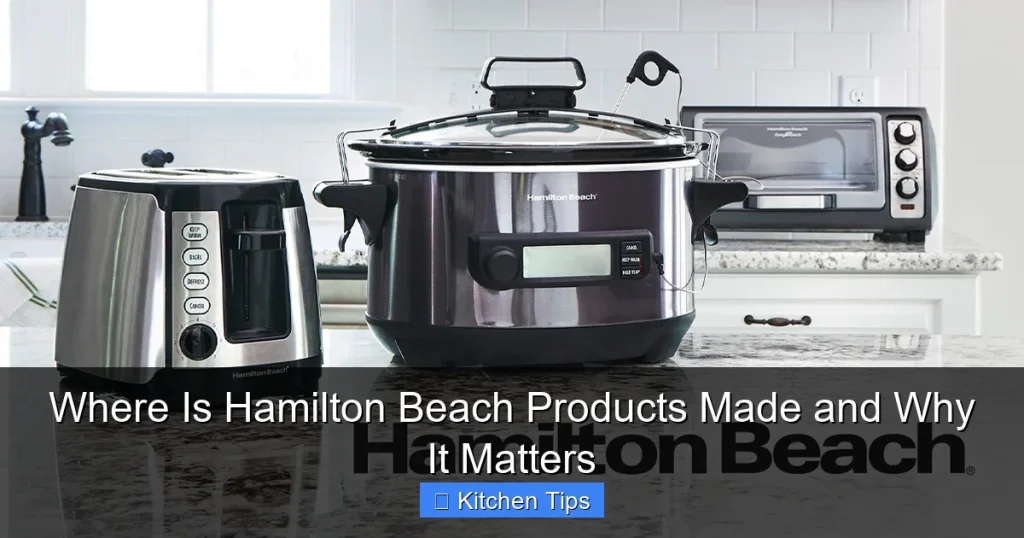
Visual guide about Where Is Hamilton Beach Products Made and Why It Matters
Image source: hamiltonbeach.com
So, where are Hamilton Beach products made in the modern era? The short answer: mostly outside the United States. The majority of Hamilton Beach appliances are now manufactured in **China and Mexico**, with some components sourced from various countries across Asia.
Manufacturing in China
China is the primary production hub for Hamilton Beach. Many of the brand’s most popular items—including blenders, toasters, coffee makers, and air fryers—are assembled in Chinese factories. These facilities are often operated by third-party manufacturers under contract with Newell Brands. China offers significant advantages in terms of cost efficiency, skilled labor, and established supply chains for electronics and small appliances.
For example, a Hamilton Beach 12-cup coffee maker might be designed in the U.S. but assembled in a factory in Guangdong Province, where components like heating elements, plastic housings, and circuit boards are sourced locally or regionally. This allows Hamilton Beach to keep prices affordable while maintaining consistent output.
Production in Mexico
In recent years, Hamilton Beach has also increased its manufacturing presence in **Mexico**, particularly for products destined for the North American market. Mexican factories offer a strategic balance: lower labor costs than the U.S., but closer proximity, which reduces shipping times and carbon emissions. This is especially beneficial for larger appliances like slow cookers or food steamers that are bulky to transport.
Some Hamilton Beach products, especially those with higher voltage requirements or regional certifications, are made in Mexican facilities to meet U.S. and Canadian safety standards more efficiently. This regional approach also helps the company respond faster to market demands and reduce dependency on long-distance shipping from Asia.
U.S. Involvement in Design and Support
While the physical manufacturing happens abroad, it’s important to note that **Hamilton Beach’s design, engineering, and quality assurance teams are still based in the United States**. The company maintains offices in Glen Allen, Virginia, where product development, testing, and customer support are managed. This means that even though your blender was assembled in China, it was likely designed with American kitchen habits and preferences in mind.
Additionally, Hamilton Beach products sold in the U.S. must comply with strict regulations set by the **Consumer Product Safety Commission (CPSC)** and meet **UL (Underwriters Laboratories)** safety standards. These requirements ensure that regardless of where a product is made, it undergoes rigorous testing before hitting store shelves.
Why Manufacturing Location Matters
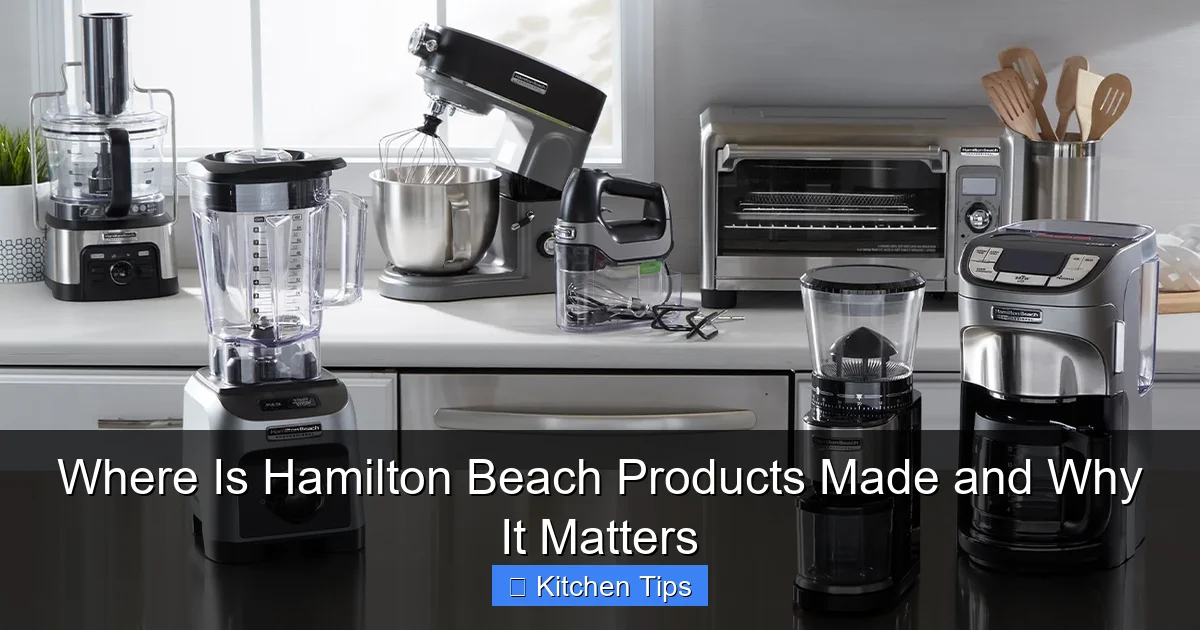
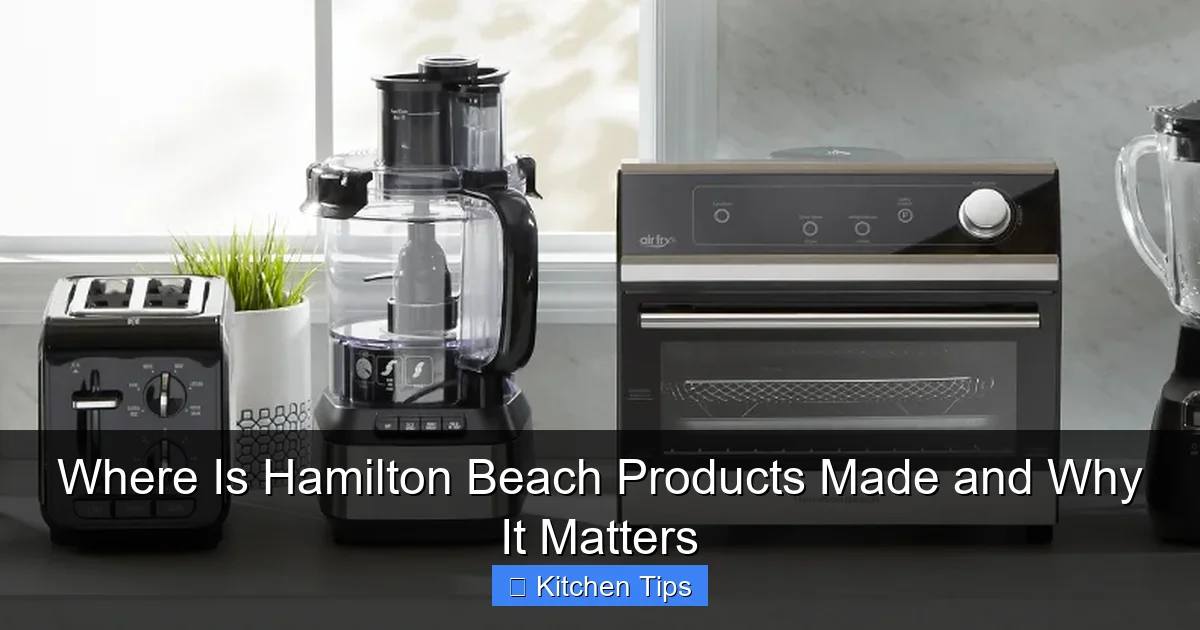
Visual guide about Where Is Hamilton Beach Products Made and Why It Matters
Image source: hamiltonbeach.com
You might be wondering: does it really matter where my toaster was made? The answer is yes—especially if you care about quality, ethics, and sustainability.
Quality and Consistency
One common concern about overseas manufacturing is quality control. However, Hamilton Beach has implemented robust quality assurance processes across its global supply chain. Each product undergoes multiple inspections during production, and random samples are tested for performance, durability, and safety.
For instance, a Hamilton Beach blender might be tested for motor strength, blade sharpness, and leak resistance at various stages. If a batch fails inspection, it’s either reworked or scrapped—ensuring only compliant units reach consumers. This level of oversight helps maintain the brand’s reputation for reliability, even with overseas production.
Environmental Impact
The environmental footprint of manufacturing is another critical factor. Producing goods in China and shipping them to the U.S. involves significant carbon emissions due to long-distance transportation. However, Hamilton Beach has taken steps to reduce its environmental impact. The company has committed to sustainable packaging, using recycled materials and minimizing plastic wherever possible.
Moreover, shifting some production to Mexico helps lower the carbon footprint for North American customers. Shorter shipping distances mean fewer emissions and faster delivery times. While not perfect, these efforts reflect a growing awareness of sustainability in global manufacturing.
Labor Practices and Ethics
Ethical labor practices are a growing concern for consumers. Hamilton Beach, through its parent company Newell Brands, adheres to a **Supplier Code of Conduct** that outlines expectations for fair wages, safe working conditions, and prohibition of child or forced labor. The company conducts regular audits of its manufacturing partners to ensure compliance.
While no system is flawless, Hamilton Beach’s commitment to ethical sourcing is a step in the right direction. Consumers who prioritize fair labor practices can feel more confident knowing the brand takes these issues seriously.
Economic and Community Impact
Manufacturing location also affects local economies. While overseas production allows Hamilton Beach to offer affordable prices, it means fewer manufacturing jobs in the U.S. This shift has contributed to the decline of domestic appliance manufacturing over the past few decades.
However, Hamilton Beach still supports American jobs through its design, marketing, distribution, and customer service teams. So while the physical product may be made abroad, the brand continues to contribute to the U.S. economy in meaningful ways.
How to Identify Where Your Hamilton Beach Product Was Made
Visual guide about Where Is Hamilton Beach Products Made and Why It Matters
Image source: chefsupplies.ca
If you’re curious about the origin of your Hamilton Beach appliance, there are a few ways to find out:
– **Check the label:** Most products have a label on the bottom or back that includes the country of manufacture. Look for phrases like “Made in China” or “Assembled in Mexico.”
– **Review the packaging:** The box often lists the manufacturing country, along with compliance certifications like UL or ETL.
– **Visit the website:** Hamilton Beach’s official site provides product details, including model numbers and sometimes manufacturing info.
– **Contact customer service:** If you can’t find the information, reach out to Hamilton Beach support with your model number—they can often tell you where it was made.
For example, a Hamilton Beach 58148A Countertop Blender might say “Made in China” on the base, while a Hamilton Beach 33967 Set ‘n Forget Slow Cooker could be labeled “Assembled in Mexico.” These details help you understand the product’s journey from factory to your kitchen.
Tips for Making Informed Appliance Purchases
Knowing where Hamilton Beach products are made empowers you to make better choices. Here are some practical tips:
– **Prioritize what matters to you:** If sustainability is key, look for products made closer to home (like those from Mexico). If affordability is your main concern, Chinese-made models offer great value.
– **Read reviews:** Customer feedback often highlights real-world performance, which can be more telling than the manufacturing location alone.
– **Check warranty terms:** Hamilton Beach offers warranties ranging from 1 to 5 years, depending on the product. A strong warranty can offset concerns about overseas production.
– **Support brands with transparency:** Choose companies that openly share their manufacturing practices and sustainability goals.
Conclusion
Hamilton Beach products are made in a globalized world—primarily in China and Mexico—but designed with American kitchens in mind. While the shift away from U.S. manufacturing may raise questions, the brand maintains high standards for quality, safety, and ethics. Understanding where your appliances come from helps you evaluate not just the product, but the values behind it.
Whether you’re blending, toasting, or slow-cooking, knowing the story behind your Hamilton Beach appliance adds a layer of meaning to everyday moments. And in a world where conscious consumption is more important than ever, that knowledge truly matters.
Frequently Asked Questions
Are Hamilton Beach products made in the USA?
No, Hamilton Beach products are not currently manufactured in the USA. However, they are designed and engineered in the U.S., with quality control and customer support based in Virginia.
Is it safe to buy Hamilton Beach appliances made in China?
Yes. All Hamilton Beach products sold in the U.S. must meet strict safety and performance standards, regardless of where they are made. The brand conducts thorough quality checks to ensure reliability.
Why did Hamilton Beach stop making products in the U.S.?
Like many appliance brands, Hamilton Beach shifted production overseas to reduce costs and remain competitive in a global market. Rising labor and manufacturing expenses in the U.S. made domestic production less feasible.
Do Hamilton Beach products come with a warranty?
Yes. Most Hamilton Beach appliances come with a 1- to 5-year limited warranty, depending on the product. Warranties are honored in the U.S. and Canada, even for items made abroad.
Are Hamilton Beach factories ethical?
Hamilton Beach, through its parent company Newell Brands, requires suppliers to follow a strict code of conduct that promotes fair labor practices, safe working conditions, and environmental responsibility.
Can I recycle my old Hamilton Beach appliance?
Yes. Many components can be recycled. Check with your local waste management service or retailers like Best Buy, which often offer appliance recycling programs.