



Roasting chicken to juicy perfection starts with choosing the right cooking method and environment. Whether you’re using an oven, grill, or rotisserie, understanding where do you roast chicken makes all the difference in flavor, texture, and safety.
Key Takeaways
- Oven roasting is the most reliable method for even cooking and crispy skin, especially in a conventional or convection oven set between 375°F and 425°F.
- Grilling adds smoky flavor and char, but requires careful heat control to prevent drying out the meat—indirect heat is key.
- Rotisserie cooking delivers self-basting juiciness thanks to constant rotation, keeping the chicken moist and evenly browned.
- Pan roasting on the stovetop then finishing in the oven combines searing and slow cooking for restaurant-quality results at home.
- Air fryers offer a quick, crispy alternative for smaller birds or cut-up pieces, mimicking deep-fried texture with less oil.
- Resting the chicken after roasting for 10–15 minutes allows juices to redistribute, ensuring every bite stays moist.
- Brining or dry-brining before cooking significantly improves moisture retention, no matter where you roast chicken.
Quick Answers to Common Questions
Can I roast a whole chicken in an air fryer?
Most air fryers are too small for a whole chicken, but you can roast spatchcocked halves or individual parts like thighs and drumsticks with excellent results.
What’s the best temperature to roast chicken in the oven?
Roast at 375°F for even cooking or 425°F for faster browning. Use a meat thermometer to ensure the internal temperature reaches 165°F.
How long should I brine a chicken before roasting?
Wet brine for 4–12 hours; dry brine for 4–24 hours. Dry brining is often preferred for better skin crisping.
Can I use a rotisserie on a gas grill?
Yes, many gas grills have rotisserie kits available. Use indirect heat and a counterbalance for best results.
Why is my roast chicken dry?
Common causes include overcooking, starting with a cold bird, or not brining. Always use a thermometer and let the chicken rest before carving.
📑 Table of Contents
- Introduction: The Quest for the Perfect Roast Chicken
- Oven Roasting: The Classic Choice for Consistency
- Grilling: Smoky Flavor with a Charred Crust
- Rotisserie: The Self-Basting Marvel
- Pan Roasting: Stovetop to Oven for Restaurant-Quality Results
- Air Frying: The Quick and Crispy Alternative
- Brining and Resting: The Secret Weapons for Juiciness
- Conclusion: Choosing the Best Place to Roast Chicken
Introduction: The Quest for the Perfect Roast Chicken
There’s something deeply comforting about the aroma of a roast chicken wafting through the kitchen. It’s a universal symbol of home, warmth, and good food. But behind that golden, crispy skin lies a culinary challenge: how do you roast chicken so it’s juicy, flavorful, and cooked through without drying out? The answer often comes down to one simple question—where do you roast chicken?
It might sound straightforward, but the location and method you choose can dramatically affect the outcome. Are you using your oven? Firing up the grill? Or maybe you’ve invested in a rotisserie attachment? Each method has its strengths, quirks, and ideal conditions. And while a perfectly roasted chicken is achievable in many setups, knowing where do you roast chicken for the best results is the first step toward mastering this classic dish.
In this guide, we’ll explore the most popular and effective places to roast chicken—oven, grill, rotisserie, stovetop-to-oven, and even air fryer—so you can choose the best option for your kitchen, time, and taste preferences. Whether you’re a weeknight cook or a weekend warrior, understanding these methods will help you serve up a bird that’s tender, succulent, and unforgettable.
Oven Roasting: The Classic Choice for Consistency

Visual guide about Where Do You Roast Chicken for the Juiciest Results
Image source: addrecipes.com
When most people think about where do you roast chicken, the oven is usually the first thing that comes to mind—and for good reason. Oven roasting is reliable, accessible, and delivers consistently delicious results. Whether you’re using a conventional oven or a convection model, this method gives you full control over temperature, timing, and browning.
Why the Oven Works So Well
The oven provides dry, ambient heat that surrounds the chicken evenly, allowing it to cook from all sides. This consistent exposure helps render fat from the skin, creating that coveted crispy exterior while keeping the meat beneath moist. Unlike frying or grilling, there’s less risk of flare-ups or hot spots, making it ideal for beginners and seasoned cooks alike.
One of the biggest advantages of oven roasting is predictability. You can set your temperature, walk away, and return to a perfectly cooked bird—assuming you follow a few key guidelines. Most recipes call for roasting at 375°F to 425°F (190°C to 220°C). Lower temperatures (375°F) result in slower, more even cooking, which is great for larger birds or when you want to avoid overcooking the breast. Higher temperatures (425°F) promote faster browning and crispier skin, which many people prefer.
Tips for Oven Roasting Success
To get the juiciest results when you roast chicken in the oven, start with a few proven techniques:
– Bring the chicken to room temperature before roasting. Cold chicken straight from the fridge cooks unevenly, with the outside drying out before the inside reaches safe temperatures. Let it sit on the counter for 30–60 minutes.
– Pat the skin dry with paper towels. Moisture on the surface prevents browning, so dry skin is essential for crispiness.
– Season generously, both inside and out. Salt, pepper, herbs like thyme and rosemary, and aromatics like garlic and lemon can be stuffed into the cavity for extra flavor.
– Use a roasting pan with a rack to allow air circulation underneath the bird. This prevents the bottom from steaming and ensures even browning.
– Tent with foil if browning too quickly. If the skin is getting dark before the internal temperature reaches 165°F (74°C), loosely cover the chicken with aluminum foil.
Oven Temperature and Timing Guide
A general rule of thumb is to roast a whole chicken at 375°F for about 20 minutes per pound. So a 4-pound bird would take roughly 80 minutes. However, always use a meat thermometer to check doneness—insert it into the thickest part of the thigh without touching the bone. The safe internal temperature is 165°F.
For extra juiciness, consider the “reverse sear” method: roast the chicken at a lower temperature (325°F) until it reaches 150°F internally, then crank the oven to 450°F for the last 10–15 minutes to crisp the skin. This technique minimizes moisture loss while maximizing texture.
Grilling: Smoky Flavor with a Charred Crust
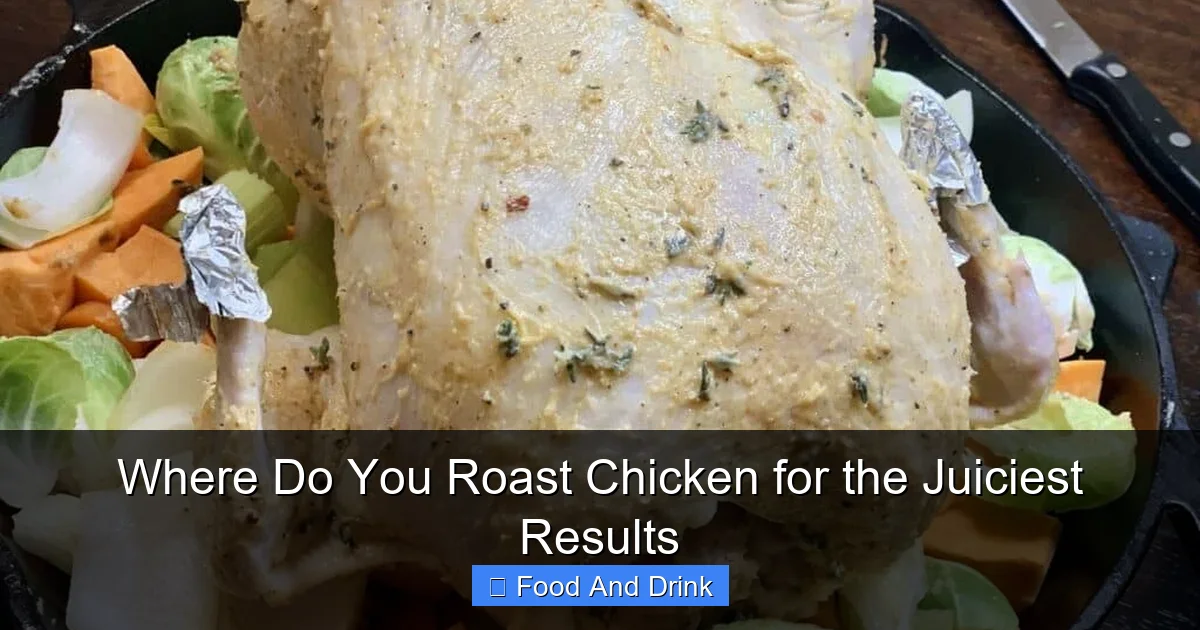
Visual guide about Where Do You Roast Chicken for the Juiciest Results
Image source: addrecipes.com
If you’re wondering where do you roast chicken for a bold, smoky taste, the grill is your answer. Grilling imparts a distinctive char and depth of flavor that’s hard to replicate in the oven. But it’s also trickier—because direct heat can easily dry out the meat if you’re not careful.
Indirect Heat: The Secret to Juicy Grilled Chicken
The key to successful grilled roast chicken is using indirect heat. This means arranging the coals (or turning off burners on a gas grill) so that the chicken isn’t directly over the flames. Instead, it cooks in the radiant heat circulating around it—much like an outdoor oven.
For a charcoal grill, pile the coals on one side and place the chicken on the opposite side, skin-side up. On a gas grill, turn on only one or two burners and place the chicken on the unlit side. This setup allows the chicken to roast slowly, absorbing smoky flavors without burning.
Grilling Techniques for Whole Birds
Roasting a whole chicken on the grill requires some prep. Trussing the bird—tying the legs together with kitchen twine—helps it cook evenly and prevents the wings from burning. You can also use a grill basket or a vertical chicken roaster (like a beer can chicken stand) to stabilize the bird and promote even cooking.
Many grill masters swear by the “beer can chicken” method, where the bird is placed upright on a half-full can of beer (or another liquid like broth or soda). The liquid steams from the inside, keeping the meat moist, while the exterior gets beautifully charred. Just make sure the can is stable and the chicken is secure to avoid accidents.
Temperature Control and Monitoring
Maintaining a steady grill temperature between 350°F and 375°F is crucial. Use a grill thermometer to monitor the heat, and adjust vents (on charcoal) or burner settings (on gas) as needed. Cooking time is similar to oven roasting—about 15–20 minutes per pound—but always rely on a meat thermometer to check for doneness.
One advantage of grilling is the ability to add wood chips for extra smoke flavor. Soak hickory, apple, or cherry chips in water for 30 minutes, then place them on the coals or in a smoker box. This infuses the chicken with a subtle, aromatic smokiness that elevates the entire dish.
Rotisserie: The Self-Basting Marvel

Visual guide about Where Do You Roast Chicken for the Juiciest Results
Image source: addrecipes.com
If you’ve ever seen a golden, spinning chicken at a rotisserie, you know there’s something magical about this method. Rotisserie cooking is one of the best answers to where do you roast chicken for consistent juiciness and even browning. The constant rotation bastes the bird in its own juices, creating a self-basting effect that keeps the meat incredibly moist.
How Rotisserie Cooking Works
A rotisserie uses a motorized spit to slowly turn the chicken over a heat source—usually gas, charcoal, or electric. As the bird rotates, the skin crisps evenly, and the natural fats render and drip back onto the meat, enhancing flavor and moisture. This method is especially effective for whole chickens because it mimics the slow, even cooking of a professional rotisserie oven.
Many modern ovens come with built-in rotisserie functions, but you can also buy standalone rotisserie ovens or attachments for your grill. These setups often include a drip pan to catch juices, which can be used to make gravy or au jus.
Tips for Perfect Rotisserie Chicken
To get the best results from your rotisserie:
– Truss the chicken securely so it doesn’t wobble on the spit. Loose parts can throw off the balance and cause uneven cooking.
– Use a counterbalance if your rotisserie kit includes one. This helps distribute weight evenly, especially for larger birds.
– Season well and let it rest before cooking. A dry brine (salting the chicken and letting it sit uncovered in the fridge for 4–24 hours) enhances flavor and helps the skin crisp up.
– Cook at 325°F to 350°F for about 15 minutes per pound. The lower temperature ensures even cooking without drying out the breast meat.
Rotisserie chickens are often ready when the skin is deeply golden and the internal temperature reaches 165°F. Let the bird rest for 10–15 minutes before carving to allow the juices to settle.
Flavor Variations
One of the joys of rotisserie cooking is the ability to infuse flavor. Try rubbing the chicken with a mixture of olive oil, garlic, paprika, and herbs before roasting. Or stuff the cavity with lemon slices, onion wedges, and fresh rosemary. The slow rotation ensures these flavors penetrate deeply, resulting in a richly seasoned bird.
Pan Roasting: Stovetop to Oven for Restaurant-Quality Results
Pan roasting is a hybrid method that combines the best of both worlds: the searing power of the stovetop and the gentle, even heat of the oven. This technique is a favorite among professional chefs and home cooks who want a deeply flavorful, crispy-skinned chicken with minimal effort.
The Pan Roasting Process
Start by heating a heavy, oven-safe skillet (like cast iron) over medium-high heat. Add a tablespoon of oil and sear the chicken, skin-side down, until golden brown—about 5–7 minutes. Then flip it and transfer the entire pan to a preheated oven (usually 375°F) to finish cooking.
The initial sear creates a flavorful crust through the Maillard reaction, while the oven gently cooks the interior to perfection. This method is especially effective for chicken parts (thighs, breasts, or a spatchcocked bird), but it works for whole chickens too—just make sure your pan is large enough.
Why Pan Roasting Delivers Juicy Results
Because the chicken starts hot and finishes in a controlled environment, there’s less risk of overcooking. The high heat jump-starts browning, while the oven’s ambient heat ensures even doneness. Plus, any juices that collect in the pan can be deglazed with wine, broth, or lemon juice to make a quick pan sauce.
Tips for Success
– Use an oven-safe pan with a tight-fitting lid or foil cover if needed.
– Don’t overcrowd the pan—cook in batches if necessary to ensure proper searing.
– Monitor internal temperature closely. Chicken breasts may be done in 15–20 minutes in the oven, while thighs and drumsticks take longer.
Pan roasting is ideal when you want a quick, flavorful meal with minimal cleanup. It’s also a great way to use up leftover herbs and aromatics—just toss them into the pan during the last few minutes of cooking.
Air Frying: The Quick and Crispy Alternative
In recent years, air fryers have become a popular answer to where do you roast chicken for busy weeknights. These countertop appliances use rapid air circulation to crisp food with little to no oil, making them a healthier alternative to deep frying—and surprisingly effective for roasting chicken.
How Air Fryers Work for Chicken
Air fryers cook by blowing hot air around the food at high speed, creating a crispy exterior similar to frying. While they’re not ideal for whole chickens (most models are too small), they excel at cooking chicken parts—thighs, drumsticks, wings, or spatchcocked halves.
To roast chicken in an air fryer, season the pieces and place them in the basket in a single layer, skin-side up. Cook at 375°F to 400°F for 20–30 minutes, flipping halfway through. The result is juicy meat with a crackling skin—perfect for a quick dinner.
Tips for Air Fryer Roasting
– Pat the chicken dry before seasoning to ensure crispiness.
– Don’t overcrowd the basket—cook in batches if needed.
– Use a light spray of oil if desired, though it’s not necessary for browning.
– Check for doneness early—air fryers cook faster than ovens, so start checking at the 15-minute mark.
Air frying is also great for reheating leftover roast chicken. It restores crispness better than a microwave and avoids the soggy texture of oven reheating.
Brining and Resting: The Secret Weapons for Juiciness
No matter where you roast chicken, two techniques can dramatically improve moisture and flavor: brining and resting.
The Power of Brining
Brining involves soaking the chicken in a saltwater solution (sometimes with sugar, herbs, and spices) for several hours or overnight. The salt helps the meat retain moisture during cooking, resulting in a juicier, more flavorful bird.
There are two main types of brining:
– Wet brining: Submerging the chicken in a liquid solution. A basic brine is 1 cup of salt per gallon of water, soaked for 4–12 hours.
– Dry brining: Rubbing salt directly onto the skin and letting it sit uncovered in the fridge. This method also draws out moisture, which is then reabsorbed, seasoning the meat deeply.
Dry brining is often preferred because it requires no extra containers and helps the skin dry out for better crisping.
The Importance of Resting
After roasting, always let the chicken rest for 10–15 minutes before carving. During this time, the juices redistribute throughout the meat, preventing them from spilling out when you cut into it. A well-rested chicken stays moist and tender, bite after bite.
To rest, transfer the chicken to a cutting board, tent loosely with foil, and let it sit. This short pause makes a big difference in the final texture.
Conclusion: Choosing the Best Place to Roast Chicken
So, where do you roast chicken for the juiciest results? The answer depends on your equipment, time, and flavor preferences—but all the methods we’ve covered can deliver exceptional results when done right.
The oven remains the gold standard for reliability and even cooking. The grill adds irresistible smokiness, especially with indirect heat. Rotisserie cooking offers self-basting juiciness and show-stopping presentation. Pan roasting combines searing and slow cooking for restaurant-quality flavor. And air frying provides a quick, crispy option for smaller portions.
No matter which method you choose, remember the fundamentals: start with a dry, seasoned bird, monitor internal temperature, and always let it rest. With practice and the right technique, you’ll be able to roast chicken that’s golden, juicy, and unforgettable—every single time.
Frequently Asked Questions
What’s the best way to ensure crispy skin when roasting chicken?
Pat the skin dry before seasoning, use a rack in the roasting pan, and avoid covering the chicken too early. Dry brining also helps by drawing moisture to the surface.
Can I roast chicken on a baking sheet instead of a roasting pan?
Yes, but a roasting pan with a rack allows better air circulation. If using a baking sheet, elevate the chicken with a wire rack to prevent steaming.
Is it safe to stuff a chicken before roasting?
It’s safe if the stuffing reaches 165°F internally. For safety, many cooks prefer to cook stuffing separately and use aromatics like lemon and herbs inside the cavity.
How do I prevent the breast from drying out while roasting?
Use a lower oven temperature (325°F), brine the chicken, or try the reverse sear method. Cover the breast with foil if it browns too quickly.
Can I roast chicken in a slow cooker?
While possible, slow cookers don’t crisp the skin and can make the meat mushy. They’re better for shredded chicken dishes than traditional roasting.
What should I do with the drippings from roasting?
Use them to make gravy or au jus. Skim off excess fat, then deglaze the pan with broth or wine and simmer with herbs for a flavorful sauce.


