



Knowing when to put roast chicken in fridge is crucial for food safety and taste. Cool it properly within two hours of cooking to prevent bacterial growth and preserve quality. Follow simple steps to store it safely and enjoy leftovers for days.
Key Takeaways
- Cool roast chicken within 2 hours: To prevent bacteria like Salmonella and E. coli from multiplying, refrigerate cooked chicken within two hours of removing it from the oven.
- Let it rest before storing: Allow the chicken to rest for 20–30 minutes after roasting to retain juices, but don’t leave it out longer than two hours at room temperature.
- Store in airtight containers: Use shallow, airtight containers or resealable bags to keep moisture in and contaminants out, ensuring better texture and flavor.
- Label and date your leftovers: Always mark storage containers with the date so you can track freshness and use them within 3–4 days.
- Reheat safely to 165°F (74°C): When reheating, ensure the internal temperature reaches at least 165°F to kill any potential bacteria and maintain food safety.
- Freeze for longer storage: If not eating within 4 days, freeze roast chicken in portion-sized containers for up to 4 months without significant quality loss.
- Avoid the “danger zone”: Keep cooked chicken out of the temperature danger zone (40°F to 140°F or 4°C to 60°C) as much as possible to reduce spoilage risk.
Quick Answers to Common Questions
Can I put hot roast chicken directly in the fridge?
No, you shouldn’t put hot chicken straight into the fridge. It can raise the internal temperature and risk spoiling other foods. Let it cool for 20–30 minutes first, then refrigerate.
How long can roast chicken sit out after cooking?
Roast chicken should not sit out for more than two hours at room temperature. If it’s over 90°F outside, limit it to one hour.
Can I freeze roast chicken?
Yes, you can freeze roast chicken for up to 4 months. Store it in airtight containers or freezer bags, and thaw in the refrigerator before reheating.
Is it safe to eat roast chicken after 5 days in the fridge?
No, it’s not recommended. Roast chicken should be eaten within 3–4 days for safety and quality. After that, the risk of spoilage increases.
How do I know if my roast chicken has gone bad?
Look for a sour smell, slimy texture, discoloration, or mold. If you see any of these signs, throw it out immediately.
📑 Table of Contents
Why Timing Matters When Storing Roast Chicken
Roast chicken is one of the most beloved comfort foods around the world. Whether it’s a Sunday family dinner, a holiday feast, or a quick weeknight meal, few dishes are as versatile and satisfying. But once that golden-brown bird comes out of the oven, the clock starts ticking—literally. Knowing when to put roast chicken in fridge isn’t just about convenience; it’s about food safety, flavor preservation, and avoiding foodborne illness.
Many home cooks make the mistake of letting their roast chicken sit out for hours, thinking it’s fine as long as it’s covered. But here’s the truth: bacteria grow rapidly in the “danger zone” between 40°F and 140°F (4°C and 60°C). At room temperature, harmful pathogens like Salmonella and Campylobacter can double in number every 20 minutes. That means a perfectly safe roast chicken can become a health hazard if left out too long. The solution? Refrigerate it promptly—but not immediately. There’s a right way and a right time to do it.
This guide will walk you through everything you need to know about storing roast chicken safely and effectively. From cooling techniques to storage methods, reheating tips, and how long your leftovers will last, we’ve got you covered. Whether you’re meal prepping or saving leftovers for tomorrow’s lunch, following these best practices ensures your chicken stays delicious, juicy, and safe to eat.
Understanding the Food Safety Clock
When it comes to cooked poultry, time is your enemy. The U.S. Department of Agriculture (USDA) and food safety experts agree: perishable foods, including roast chicken, should not be left at room temperature for more than two hours. If the ambient temperature is above 90°F (32°C)—like on a hot summer day—this window shrinks to just one hour. This rule applies whether your chicken is whole, sliced, or shredded.
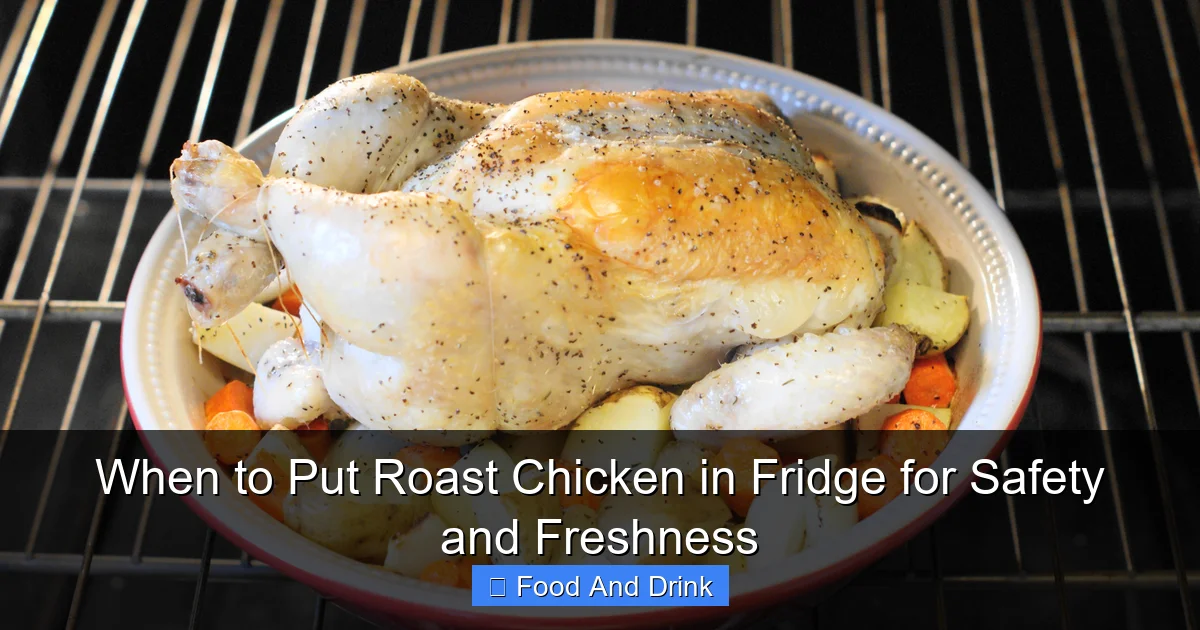
Visual guide about When to Put Roast Chicken in Fridge for Safety and Freshness
Image source: img.food.com.s3.amazonaws.com
The Danger Zone Explained
The “danger zone” refers to the temperature range where bacteria multiply most rapidly. Between 40°F and 140°F, bacteria can grow to dangerous levels in a short amount of time. Even if your chicken smells and looks fine, it may already be contaminated. Symptoms of foodborne illness—such as nausea, vomiting, diarrhea, and fever—can appear within hours or days after eating spoiled food. For vulnerable groups like young children, pregnant women, older adults, and those with weakened immune systems, the risks are even greater.
Why Immediate Refrigeration Isn’t Always Best
While speed is important, you shouldn’t shove a hot roast chicken straight into the fridge. Placing a large, hot item in the refrigerator can raise the internal temperature, potentially putting other foods at risk. It can also create condensation, leading to soggy skin and uneven cooling. The key is to cool the chicken quickly but safely before storing.
To do this, let the chicken rest for about 20–30 minutes after removing it from the oven. This allows the juices to redistribute, keeping the meat moist. Then, transfer it to a shallow container or cut it into smaller pieces to speed up cooling. You can also place the container in an ice bath or use a food-safe cooling rack to promote airflow. Once the chicken reaches room temperature (or close to it), it’s ready for the fridge.
Step-by-Step Guide to Storing Roast Chicken
Storing roast chicken properly doesn’t have to be complicated. With a few simple steps, you can preserve its flavor, texture, and safety for several days. Here’s how to do it right:
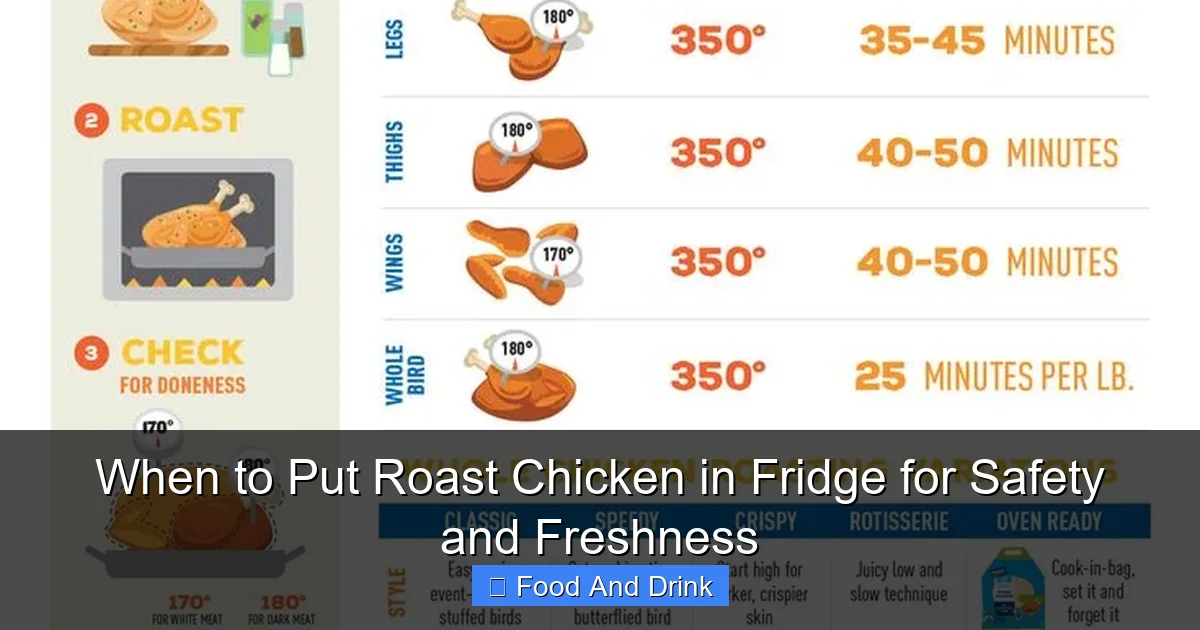
Visual guide about When to Put Roast Chicken in Fridge for Safety and Freshness
Image source: i.pinimg.com
Step 1: Let It Rest (But Not Too Long)
After roasting, remove the chicken from the oven and let it rest on a cutting board or platter. This step is crucial for juiciness. As the meat cools, the muscle fibers relax, allowing the natural juices to settle back into the meat. Skipping this step can result in dry, tough chicken—even if it was perfectly cooked.
However, don’t let it rest for more than 30 minutes at room temperature. If you’re in a hurry, you can speed up the process by transferring the chicken to a cooler environment, like a shaded countertop or near an open window with a breeze. Just keep an eye on the clock.
Step 2: Portion for Faster Cooling
Whole chickens take longer to cool than smaller pieces. To speed up the process, consider carving the chicken before storing. Remove the legs, wings, breasts, and thighs, and place them in separate shallow containers. Smaller pieces cool faster and more evenly, reducing the risk of bacterial growth in the center of the meat.
If you prefer to store the chicken whole, make sure it fits in a shallow container with a lid. Avoid deep containers, as they trap heat and slow cooling. You can also place the whole chicken on a wire rack inside a baking sheet to allow air to circulate underneath.
Step 3: Use Airtight Containers or Bags
Once the chicken has cooled, transfer it to airtight containers or heavy-duty resealable plastic bags. These help prevent moisture loss, keep odors out, and reduce the risk of cross-contamination. Glass or BPA-free plastic containers are ideal, but food-safe zip-top bags work well too—just squeeze out as much air as possible before sealing.
For added protection, you can wrap individual pieces in plastic wrap or aluminum foil before placing them in a container. This is especially helpful if you plan to freeze the chicken later.
Step 4: Label and Date
Always label your containers with the date you stored the chicken. This simple habit helps you keep track of freshness and avoid eating spoiled food. Use a permanent marker or a removable label, and write clearly so there’s no confusion later.
If you’re storing different types of leftovers (like chicken and gravy), label them separately. This makes it easier to grab what you need without opening multiple containers.
Step 5: Refrigerate Promptly
Place the containers in the refrigerator as soon as the chicken has cooled to room temperature—ideally within two hours of cooking. Store them on a shelf, not in the door, where temperatures fluctuate more. The ideal fridge temperature is 40°F (4°C) or below. Use a refrigerator thermometer to check if needed.
If you’re not sure whether the chicken has been out too long, use the “two-hour rule” as your guide. When in doubt, throw it out. It’s better to be safe than sorry.
How Long Does Roast Chicken Last in the Fridge?
Properly stored roast chicken can last in the refrigerator for 3 to 4 days. This timeframe applies to both whole chickens and cut-up pieces, as long as they were cooled and stored correctly. After this point, the risk of bacterial growth increases, and the texture and flavor may begin to degrade.
Visual guide about When to Put Roast Chicken in Fridge for Safety and Freshness
Image source: shungrill.com
Signs Your Chicken Has Gone Bad
Even within the 3–4 day window, it’s important to check your chicken before eating. Look for these signs of spoilage:
- Unpleasant odor: Fresh roast chicken should smell mild and meaty. If it has a sour, ammonia-like, or “off” smell, it’s likely spoiled.
- Slimy texture: A sticky or slimy film on the surface is a red flag. This is caused by bacterial growth and means the chicken should be discarded.
- Discoloration: Gray, green, or yellow patches on the meat indicate spoilage. While some discoloration can occur naturally, any unusual color changes warrant caution.
- Mold: Visible mold growth is a clear sign the chicken is no longer safe to eat. Do not cut off the moldy part and eat the rest—mold can penetrate deep into the meat.
If you notice any of these signs, don’t taste the chicken to check. Spit it out immediately and throw the entire portion away. When in doubt, trust your senses and err on the side of caution.
Extending Shelf Life with Freezing
If you know you won’t eat the chicken within 3–4 days, freezing is your best option. Frozen roast chicken can last for up to 4 months without significant loss of quality. For best results, freeze it in portion-sized containers or freezer bags, removing as much air as possible to prevent freezer burn.
To thaw frozen chicken safely, transfer it to the refrigerator and let it thaw overnight. Avoid thawing at room temperature, as this can allow bacteria to grow. Once thawed, use the chicken within 1–2 days and do not refreeze unless it has been cooked again.
Best Practices for Reheating Roast Chicken
Reheating roast chicken properly is just as important as storing it correctly. Done right, reheated chicken can taste almost as good as fresh. Done wrong, it can become dry, rubbery, or unsafe to eat.
Safe Reheating Temperatures
The USDA recommends reheating leftover poultry to an internal temperature of at least 165°F (74°C). This ensures any potential bacteria are killed and the food is safe to consume. Use a food thermometer to check the temperature in the thickest part of the meat, avoiding bones.
Methods for Reheating
There are several ways to reheat roast chicken, each with its own advantages:
- Oven: Preheat to 325°F (165°C). Place chicken in a baking dish, cover with foil, and heat for 20–30 minutes. Add a splash of broth or water to keep it moist.
- Stovetop: Heat a skillet over medium-low heat. Add a little oil or butter, then place chicken pieces skin-side down. Cover and cook for 5–7 minutes per side.
- Microwave: Place chicken on a microwave-safe plate, cover with a damp paper towel, and heat in 30-second intervals. Rotate and flip pieces to ensure even heating.
- Air fryer: Great for restoring crispy skin. Heat at 350°F (175°C) for 5–8 minutes, checking frequently.
Avoid reheating chicken more than once. Each time you cool and reheat, the risk of bacterial growth increases. If you have large portions, consider reheating only what you plan to eat.
Common Mistakes to Avoid
Even experienced cooks can make mistakes when storing roast chicken. Here are some common pitfalls and how to avoid them:
Leaving Chicken Out Too Long
This is the #1 mistake. Whether you’re distracted by guests or just forget, leaving roast chicken on the counter for hours is a food safety hazard. Set a timer if needed, and make refrigeration a priority.
Storing in Deep Containers
Deep containers trap heat and slow cooling, increasing the risk of bacterial growth. Always use shallow containers to promote faster, more even cooling.
Not Labeling Containers
Unlabeled leftovers can lead to confusion and wasted food. Always write the date and contents on your storage containers.
Reheating Without Checking Temperature
Just because chicken looks hot doesn’t mean it’s safe. Always use a food thermometer to verify the internal temperature reaches 165°F.
Freezing Without Proper Packaging
Freezer burn can ruin the texture and flavor of chicken. Use airtight containers or freezer bags, and remove excess air before sealing.
Tips for Maximizing Flavor and Texture
Storing roast chicken isn’t just about safety—it’s also about preserving that delicious, juicy flavor. Here are some pro tips to keep your leftovers tasting great:
- Save the drippings: Collect the juices from the roasting pan and store them separately. Use them to moisten reheated chicken or make gravy.
- Store skin separately: If you want crispy skin, store it in a separate container. Reheat it in the oven or air fryer to restore crunch.
- Add moisture when reheating: A splash of broth, water, or butter can prevent dryness, especially in the microwave.
- Use within 3 days for best quality: While chicken is safe for 4 days, flavor and texture peak within the first 2–3 days.
- Repurpose leftovers: Turn leftover chicken into soups, salads, tacos, or sandwiches to keep meals exciting.
Conclusion
Knowing when to put roast chicken in fridge is a small but essential step in food safety and meal planning. By cooling it properly within two hours, storing it in airtight containers, and reheating it to the right temperature, you can enjoy delicious, safe leftovers for days. Avoid common mistakes, label your containers, and don’t forget the freezer for longer storage.
With these tips, you’ll never have to worry about wasted chicken or foodborne illness again. Whether you’re feeding a family or meal prepping for the week, proper storage ensures your roast chicken stays fresh, flavorful, and safe. So next time you pull that golden bird out of the oven, remember: timing is everything.
Frequently Asked Questions
Can I refrigerate roast chicken while it’s still warm?
Yes, but it should be cooled to room temperature first—usually within 30 minutes. Placing very hot chicken in the fridge can affect other foods and cause condensation.
Should I carve the chicken before storing?
Carving it into pieces helps it cool faster and more evenly, which is safer. However, you can store it whole if placed in a shallow container.
Can I reheat roast chicken more than once?
It’s best to avoid reheating more than once. Each cycle increases the risk of bacterial growth. Reheat only the portion you plan to eat.
What’s the best way to store chicken skin?
Store crispy skin separately in an airtight container. Reheat it in the oven or air fryer to restore crunchiness.
Can I use leftover roast chicken in soups?
Absolutely! Shredded or chopped roast chicken is perfect for soups, stews, and casseroles. Just make sure it’s been stored properly.
How do I prevent freezer burn on frozen roast chicken?
Use airtight containers or heavy-duty freezer bags, and remove as much air as possible before sealing. Label with the date and use within 4 months.


