

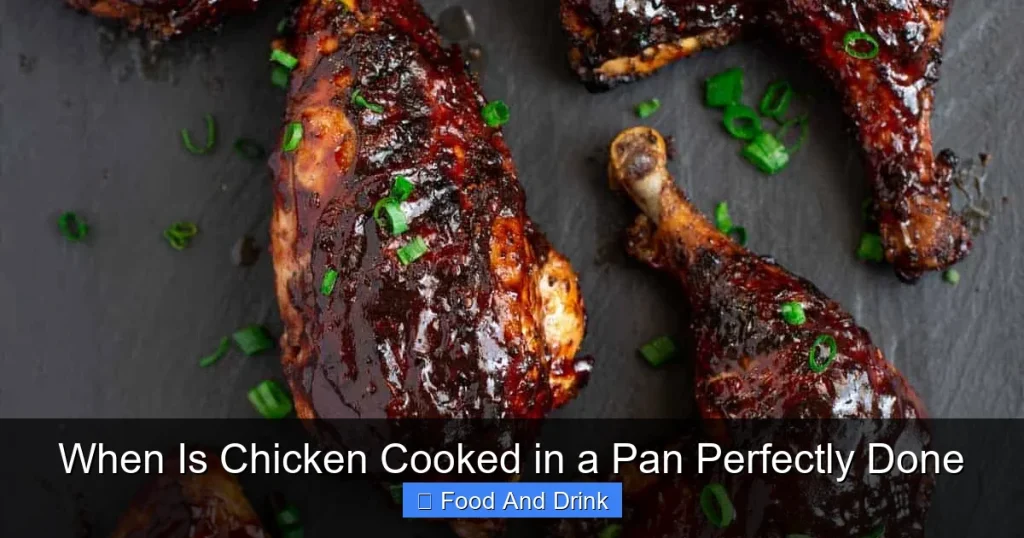

Chicken cooked in a pan is perfectly done when it reaches an internal temperature of 165°F (74°C), has no pink meat, and juices run clear. This guide covers visual cues, timing, tools, and pro tips to ensure safe, tender, and delicious results every time you cook.
Key Takeaways
- Use a meat thermometer: The most reliable way to check doneness is by measuring the internal temperature—165°F (74°C) is the safe target.
- Look for visual signs: Cooked chicken should be white throughout with no pink, and juices should run clear, not pink or cloudy.
- Rest the chicken: Let it sit for 3–5 minutes after cooking to allow juices to redistribute, keeping it moist.
- Adjust heat and time: Use medium-high heat for browning, then lower to prevent burning while ensuring thorough cooking.
- Choose the right cut: Boneless breasts cook faster than thighs; bone-in pieces need more time but stay juicier.
- Don’t overcrowd the pan: Cook in batches if needed to avoid steaming instead of searing, which affects texture and browning.
- Season properly: Salt and season before cooking to enhance flavor and help form a delicious crust.
When Is Chicken Cooked in a Pan Perfectly Done?
There’s nothing quite like the sizzle of chicken hitting a hot pan—the aroma of garlic and herbs, the golden-brown crust forming, and the promise of a juicy, flavorful meal. But how do you know when chicken cooked in a pan is perfectly done? It’s a question that plagues home cooks and seasoned chefs alike. Undercooked chicken can pose serious health risks, while overcooked chicken turns dry and rubbery. The sweet spot? That’s where safety meets satisfaction.
Cooking chicken in a pan is one of the most common and convenient methods in home kitchens. Whether you’re searing boneless breasts, browning thighs, or pan-frying cutlets, the goal is always the same: tender, fully cooked meat with a delicious crust. But achieving that balance requires more than just guesswork. You need to understand the science behind cooking, recognize visual and tactile cues, and use the right tools. This guide will walk you through everything you need to know—from temperature checks to timing tips—so you can confidently serve perfectly cooked chicken every time.
Why Properly Cooked Chicken Matters
Chicken is a staple in diets around the world, prized for its versatility, lean protein, and mild flavor. But it’s also one of the most common sources of foodborne illness when not handled or cooked properly. Bacteria like Salmonella and Campylobacter can thrive in raw poultry, and consuming undercooked chicken can lead to serious gastrointestinal issues, including nausea, vomiting, diarrhea, and fever.
That’s why knowing when chicken is cooked in a pan perfectly done isn’t just about taste—it’s about safety. The USDA recommends cooking all poultry to an internal temperature of 165°F (74°C) to kill harmful bacteria. This temperature ensures that pathogens are destroyed while still allowing the meat to remain tender and juicy if cooked correctly.
But safety isn’t the only concern. Overcooking chicken can ruin a meal just as easily as undercooking it. Dry, tough, flavorless chicken is a disappointment, especially after the effort of seasoning and cooking. The key is precision: hitting that 165°F mark without going overboard. With the right techniques, you can achieve both safety and flavor, turning a simple pan-cooked chicken into a restaurant-quality dish.
The Science of Cooking Chicken in a Pan
Cooking chicken in a pan involves a combination of conduction, convection, and the Maillard reaction—yes, that fancy term for browning that makes food taste amazing. When you place chicken in a hot pan, the surface quickly reaches high temperatures, causing proteins to denature and moisture to evaporate. This creates a crispy, golden crust that locks in flavor.
But the real magic happens inside. As heat penetrates the meat, the internal temperature rises gradually. Collagen begins to break down, especially in cuts like thighs and drumsticks, making the meat more tender. Meanwhile, muscle fibers contract, which can squeeze out moisture if the chicken is overcooked.
The ideal internal temperature for chicken is 165°F (74°C). At this point, harmful bacteria are destroyed, and the meat is safe to eat. However, chicken can still be juicy and tender at this temperature if it’s not overdone. In fact, many chefs prefer to pull chicken from the heat at 160°F (71°C) and let it rest, as the temperature will continue to rise to 165°F during the resting period due to carryover cooking.
Understanding this process helps you avoid common mistakes. For example, flipping chicken too often can prevent proper browning, while cooking at too high a heat can burn the outside before the inside is done. The goal is to balance high heat for searing with lower heat for thorough cooking.
How Heat Affects Chicken Texture
Heat transforms chicken in predictable ways. At around 140°F (60°C), proteins begin to coagulate, and the meat starts to firm up. By 150°F (66°C), it’s mostly opaque and safe to eat, though still slightly pink in some areas. At 160°F (71°C), the chicken is fully white and juicy. At 165°F (74°C), it’s safe and tender, but any higher and it risks drying out.
This is why timing and temperature control are crucial. A well-calibrated stove, a good-quality pan, and a reliable thermometer make all the difference. Stainless steel and cast iron pans are ideal for even heat distribution and excellent browning.
The Role of Carryover Cooking
One of the most overlooked aspects of pan-cooking chicken is carryover cooking. When you remove chicken from the heat, the internal temperature continues to rise by 5–10°F as heat redistributes from the surface to the center. This means if you pull chicken at 160°F, it will reach 165°F during the resting period.
Resting also allows juices to settle. When meat is cut immediately after cooking, those juices—packed with flavor and moisture—escape onto the cutting board. But if you let the chicken rest for 3–5 minutes, the proteins relax and reabsorb the juices, resulting in a more succulent bite.
How to Tell When Chicken Is Done: Visual and Tactile Cues
While a thermometer is the gold standard, there are visual and tactile signs you can use to gauge doneness—especially if you don’t have a thermometer handy. These cues won’t be as precise, but they’re helpful for experienced cooks.
One of the most obvious signs is color. Raw chicken has a pink or grayish hue, especially near the bone. As it cooks, the meat turns white or opaque. If you cut into the thickest part and see no pink, that’s a good sign. However, be cautious: some chicken, particularly thighs, may retain a slight pink tint even when fully cooked due to myoglobin, a protein that can react with heat and smoke.
Another cue is the texture. Raw chicken feels soft and squishy. As it cooks, it firms up. When fully cooked, it should feel springy but not rubbery. Press it gently with a fork or tongs—if it springs back, it’s likely done.
Juices are also a helpful indicator. Pierce the chicken with a knife or fork and watch the liquid that comes out. If it’s clear or straw-colored, the chicken is done. If it’s pink or bloody, it needs more time.
Using a Meat Thermometer: The Best Method
Despite these visual cues, the most accurate way to determine when chicken is cooked in a pan perfectly done is with a meat thermometer. Instant-read thermometers are affordable, easy to use, and widely available. Insert the probe into the thickest part of the meat, avoiding bone and fat, and wait for the reading to stabilize.
For boneless chicken breasts, insert the thermometer from the side. For bone-in pieces, go in from the top, making sure the tip doesn’t touch the bone, as bones conduct heat differently and can give a false reading.
Digital thermometers are preferred over analog ones because they’re faster and more precise. Look for one with a thin probe for easy insertion and quick response time.
Common Mistakes to Avoid
Even with the best intentions, mistakes happen. One common error is cutting into the chicken to check doneness. This not only releases precious juices but also increases the risk of contamination if the knife isn’t clean. Instead, use a thermometer or rely on timing and visual cues.
Another mistake is cooking chicken straight from the fridge. Cold chicken cooks unevenly, with the outside overcooking before the inside reaches temperature. Let it sit at room temperature for 15–20 minutes before cooking, or pat it dry and season it while it warms up.
Overcrowding the pan is another pitfall. When too many pieces are added at once, the temperature drops, and the chicken steams instead of sears. This leads to soggy skin and uneven cooking. Cook in batches if necessary, and don’t be afraid to use a second pan.
Pan-Cooking Techniques for Perfect Chicken
The way you cook chicken in a pan can dramatically affect the outcome. Different techniques suit different cuts and desired results. Here are some of the most effective methods.
Searing and Finishing on the Stovetop
This is the classic method for boneless chicken breasts. Heat a heavy-bottomed pan (like cast iron or stainless steel) over medium-high heat. Add a small amount of oil with a high smoke point, such as canola, avocado, or grapeseed oil. Once the oil shimmers, add the chicken in a single layer, leaving space between pieces.
Sear for 5–7 minutes on the first side until golden brown. Flip and cook for another 5–7 minutes, depending on thickness. Use a thermometer to check doneness. For thicker breasts, you may need to reduce the heat to medium to prevent burning while ensuring the center cooks through.
Pan-Searing with Oven Finish
For thicker cuts or bone-in chicken, searing on the stovetop and finishing in the oven is ideal. After browning both sides in the pan, transfer it to a preheated oven at 375°F (190°C). This allows even cooking without scorching the exterior. Cook until the internal temperature reaches 165°F.
This method works well for chicken thighs, drumsticks, or whole chicken pieces. It’s also great for recipes that include a sauce or braising liquid, as you can deglaze the pan and continue cooking in the oven.
Pan-Frying with a Lid
Covering the pan with a lid traps steam, which helps cook the chicken more evenly and keeps it moist. This is especially useful for thinner cuts or when cooking at lower heat. After searing both sides, reduce the heat, add a splash of broth or water, cover, and let it steam for 3–5 minutes.
Be careful not to overdo it—too much steam can make the crust soggy. Use this method when you want tender, juicy chicken with a lighter crust.
Deglazing for Flavor
After cooking, don’t clean the pan just yet. The browned bits stuck to the bottom—called fond—are packed with flavor. Add a liquid like wine, broth, or lemon juice to deglaze the pan, scraping up the bits with a wooden spoon. Reduce the liquid to create a quick pan sauce that enhances the chicken’s flavor.
This technique turns a simple pan-cooked chicken into a gourmet dish with minimal effort. Add garlic, herbs, or butter for extra richness.
Timing and Temperature Guidelines by Cut
Different cuts of chicken require different cooking times and techniques. Here’s a quick guide to help you nail the timing.
Boneless, Skinless Chicken Breasts
These cook quickly but are prone to drying out. Aim for 6–8 minutes per side over medium-high heat. Use a thermometer to check—165°F is the target. For even cooking, pound the thicker end to create uniform thickness.
Bone-In, Skin-On Chicken Thighs
Thighs are more forgiving and stay juicy even if slightly overcooked. Cook skin-side down first for 8–10 minutes until crispy, then flip and cook for another 6–8 minutes. The bone helps conduct heat, so they take longer than boneless cuts.
Chicken Cutlets or Tenderloins
These are thin and cook in just 3–4 minutes per side. They’re perfect for quick meals but can dry out fast. Keep the heat moderate and watch closely.
Whole Chicken Pieces (Legs, Wings)
These benefit from lower, slower cooking. Sear first, then finish in the oven or on low heat with a lid. Wings may need 15–20 minutes total, depending on size.
Tips for Juicy, Flavorful Pan-Cooked Chicken
Even with perfect timing and temperature, chicken can fall flat without the right preparation. Here are some pro tips to elevate your pan-cooked chicken.
Brining for Moisture
Brining—soaking chicken in a saltwater solution—helps it retain moisture during cooking. A simple brine of 1/4 cup salt per quart of water, soaked for 30 minutes to 2 hours, can make a big difference. Rinse and pat dry before cooking.
Seasoning in Advance
Salt the chicken at least 15 minutes before cooking, or up to 24 hours in advance. This not only seasons the meat but also helps it retain moisture. Add pepper, herbs, and spices just before cooking to prevent burning.
Using the Right Pan
Choose a pan that conducts heat well and has a flat bottom. Cast iron retains heat beautifully and creates a great crust. Stainless steel is also excellent and works well with deglazing. Avoid nonstick pans for high-heat searing, as they can’t handle the temperature and may release fumes.
Don’t Move the Chicken Too Soon
Let the chicken sear undisturbed for the first few minutes. This allows a crust to form and prevents sticking. Only flip when it releases easily from the pan.
Finish with Butter and Herbs
In the last minute of cooking, add a knob of butter, garlic, and fresh herbs like thyme or rosemary to the pan. Tilt the pan and spoon the melted butter over the chicken for extra flavor and shine.
Conclusion
Knowing when chicken is cooked in a pan perfectly done is a skill that combines science, experience, and a few essential tools. The key is to aim for an internal temperature of 165°F (74°C), use visual and tactile cues as backup, and let the chicken rest before serving. With the right techniques—like proper searing, avoiding overcrowding, and deglazing for flavor—you can turn a simple pan-cooked chicken into a delicious, restaurant-quality meal.
Whether you’re cooking boneless breasts, bone-in thighs, or crispy cutlets, the principles remain the same: patience, precision, and attention to detail. Don’t rely on guesswork—use a thermometer, trust the process, and enjoy the results. With practice, you’ll develop the confidence to cook chicken that’s not only safe but also tender, juicy, and full of flavor.
So the next time you hear that sizzle in the pan, you’ll know exactly what to do. Cook with care, season with love, and serve with pride. Perfectly cooked chicken is within your reach—one pan at a time.
Quick Q&A
How long does it take to cook chicken in a pan?
Boneless chicken breasts take about 6–8 minutes per side over medium-high heat. Bone-in thighs may take 15–20 minutes total, depending on size and method.
Can you cook chicken in a pan without oil?
Yes, but oil helps prevent sticking and promotes browning. If avoiding oil, use a nonstick pan and cook over lower heat to avoid burning.
Is it safe to eat chicken if it’s slightly pink?
Not necessarily. Some chicken may retain a pink hue near the bone even when fully cooked. Always check the internal temperature—165°F is safe.
Should I cover the pan when cooking chicken?
Covering helps retain moisture and cook evenly, especially for thicker cuts. Use a lid for steaming or braising, but remove it to crisp the skin.
Can I reuse the pan drippings?
Yes! Deglaze the pan with broth or wine to make a flavorful sauce. Just make sure to cook it thoroughly to kill any bacteria.
FAQS
What temperature should chicken be cooked to?
Chicken should reach an internal temperature of 165°F (74°C) to be safe to eat. This ensures harmful bacteria are destroyed while keeping the meat tender.
How do I prevent chicken from drying out in a pan?
Use a meat thermometer to avoid overcooking, brine the chicken beforehand, and let it rest after cooking. Cooking bone-in cuts also helps retain moisture.
Can I cook frozen chicken in a pan?
It’s not recommended. Frozen chicken cooks unevenly and can lead to food safety issues. Thaw it in the fridge overnight before cooking.
Why is my pan-cooked chicken tough?
This usually happens from overcooking. Use a thermometer and remove the chicken at 160°F, letting carryover cooking finish the job. Also, avoid high heat for too long.
How do I get a crispy skin on pan-cooked chicken?
Pat the skin dry before cooking, use a hot pan with oil, and don’t move the chicken too soon. Cook skin-side down first for 8–10 minutes until golden.
Can I use a nonstick pan for searing chicken?
Nonstick pans aren’t ideal for high-heat searing, as they can’t handle the temperature and may degrade. Use cast iron or stainless steel for best browning.
This is a comprehensive guide about when is chicken cooked in a pan.
Key Takeaways
- Understanding when is chicken cooked in a pan: Provides essential knowledge
Quick Answers to Common Questions
What is when is chicken cooked in a pan?
when is chicken cooked in a pan refers to essential knowledge and techniques.
Frequently Asked Questions
What is when is chicken cooked in a pan?
when is chicken cooked in a pan is an important topic with many practical applications.

