



Roasting a chicken is simple, but the magic lies in what you put on it. From aromatic herbs to bold spices and rich fats, the right ingredients transform plain poultry into a show-stopping meal. This guide covers everything you need to know to maximize flavor—whether you’re a beginner or a seasoned home cook.
There’s something deeply satisfying about pulling a golden, crispy-skinned roast chicken out of the oven. The aroma fills the kitchen, the meat is tender and juicy, and every bite is packed with flavor. But let’s be honest—not all roast chickens are created equal. Some turn out dry, bland, or under-seasoned. The secret to a truly exceptional roast chicken? It’s not just about cooking time or temperature. It’s about what you put on it.
Whether you’re roasting a whole bird for Sunday dinner or a spatchcocked chicken for a weeknight meal, the ingredients you use to season and baste it make all the difference. From classic herb blends to bold international spices, the right combination can elevate your chicken from ordinary to extraordinary. And the best part? You don’t need fancy equipment or hard-to-find ingredients. With a few pantry staples and some simple techniques, you can create a roast chicken that’s crispy on the outside, succulent on the inside, and bursting with flavor.
In this guide, we’ll walk you through everything you need to know about what to put on roast chicken for maximum flavor. We’ll cover essential seasonings, aromatic additions, fat-based flavor boosters, and even global spice blends that will take your chicken to the next level. Whether you’re a beginner or a confident cook looking to refine your technique, these tips and recipes will help you master the art of the perfect roast chicken.
Key Takeaways
- Use a combination of fat and seasoning: Butter, oil, or herb butter helps seasonings stick and keeps the meat moist during roasting.
- Fresh herbs beat dried in most cases: Rosemary, thyme, and sage add bright, aromatic notes that dried versions can’t match.
- Don’t skip the aromatics inside the cavity: Onions, garlic, lemon, and herbs infuse the meat from the inside out.
- Spice blends add depth and complexity: Try za’atar, harissa, or smoked paprika for bold, global flavors.
- Acidic elements enhance flavor: Lemon juice, vinegar, or wine tenderizes and brightens the overall taste.
- Let the chicken rest before carving: This locks in juices and ensures every bite is tender and flavorful.
- Experiment with compound butters: Mix softened butter with garlic, herbs, and citrus zest for a rich, flavorful crust.
Quick Answers to Common Questions
What’s the best oil to use for roasting chicken?
Olive oil is a great choice because it has a rich flavor and a high smoke point. For a lighter taste, use avocado oil or canola oil.
Can I use dried herbs instead of fresh?
Yes, but use about one-third the amount. Dried herbs are more concentrated, so 1 teaspoon dried equals 1 tablespoon fresh.
How long should I roast a 4-pound chicken?
Roast at 425°F (220°C) for about 1 hour to 1 hour 15 minutes, or until the internal temperature reaches 165°F (74°C).
Should I stuff the chicken with aromatics?
Yes! Onions, garlic, lemon, and herbs in the cavity add flavor from the inside out. Just don’t stuff it with bread stuffing—it won’t cook safely.
Can I marinate chicken before roasting?
Absolutely. Marinate for 2–24 hours in the fridge. Yogurt, buttermilk, or acidic liquids like lemon juice help tenderize the meat.
📑 Table of Contents
- Start with the Basics: Salt, Pepper, and Fat
- Herbs and Aromatics: The Flavor Powerhouses
- Spice It Up: Global Flavors for Roast Chicken
- Acidic Ingredients: Brighten and Tenderize
- Compound Butters and Pastes: Flavor Bombs
- Finishing Touches: Sauces and Garnishes
- Pro Tips for the Perfect Roast Chicken
- Conclusion
Start with the Basics: Salt, Pepper, and Fat
Before you reach for the fancy spices or exotic herbs, let’s talk about the foundation of great roast chicken: salt, pepper, and fat. These three ingredients might seem simple, but they’re the backbone of flavor.
Salt is your best friend when it comes to seasoning chicken. It doesn’t just make the meat taste salty—it enhances all the other flavors and helps the chicken retain moisture. Use kosher salt or sea salt for even distribution. For best results, season the chicken at least 30 minutes before roasting, or even better, dry-brine it overnight. This allows the salt to penetrate deep into the meat, resulting in juicier, more flavorful chicken.
Black pepper adds a subtle heat and complexity. Freshly ground pepper has a brighter, more aromatic flavor than pre-ground, so invest in a good pepper mill. A light sprinkle over the skin and under the breast skin is all you need.
Now, fat. Fat is crucial for flavor and texture. It helps the seasonings stick to the skin, promotes browning, and keeps the meat moist. You can use olive oil, melted butter, or a combination of both. Brush the oil or butter all over the chicken, making sure to get under the skin of the breast and thighs. This step ensures that the meat stays juicy and the skin crisps up beautifully.
Why Fat Matters
Fat carries flavor. It’s a scientific fact. When you roast chicken, the fat in the skin and the added fat from oil or butter melts and bastes the meat from the outside in. This not only prevents dryness but also helps distribute seasonings evenly. Plus, fat contributes to that irresistible golden-brown crust that everyone loves.
Butter is especially effective because it contains milk solids that brown and caramelize, adding a rich, nutty flavor. Olive oil, on the other hand, has a lighter taste and a higher smoke point, making it ideal for high-heat roasting. For the best of both worlds, try a compound butter—softened butter mixed with herbs, garlic, and lemon zest. Slather it under the skin and over the top for a flavor explosion.
Herbs and Aromatics: The Flavor Powerhouses
Visual guide about What to Put on Roast Chicken for Maximum Flavor
Image source: tastingtable.com
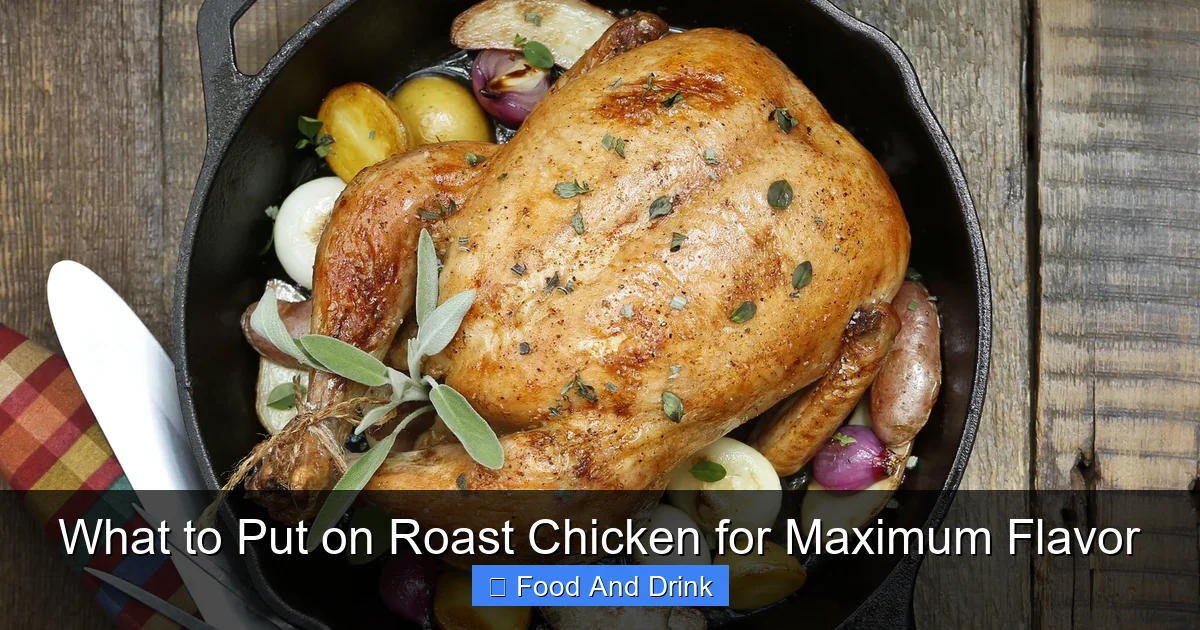
Herbs are one of the easiest and most effective ways to add depth and aroma to roast chicken. Fresh herbs like rosemary, thyme, sage, and parsley are classic choices, but don’t be afraid to experiment with others like oregano, marjoram, or tarragon.
Classic Herb Combinations
One of the most beloved herb blends for roast chicken is the French *herbes de Provence*. This mix typically includes thyme, rosemary, oregano, marjoram, and lavender. It adds a fragrant, slightly floral note that pairs beautifully with chicken. Simply sprinkle it over the skin and inside the cavity.
Another favorite is the simple trio of rosemary, thyme, and sage. These woody herbs stand up well to long cooking times and infuse the chicken with a warm, earthy flavor. Chop them finely and mix with olive oil to create a paste that you can rub under and over the skin.
For a Mediterranean twist, try oregano and lemon zest. The bright citrus cuts through the richness of the chicken, while oregano adds a slightly peppery, aromatic kick. This combo works especially well with garlic and olive oil.
Using Aromatics Inside the Cavity
Don’t forget the cavity! Stuffing the chicken with aromatics is a game-changer. Onions, garlic, lemon halves, and fresh herb sprigs all release their flavors as the chicken roasts, infusing the meat from the inside out.
Cut a lemon in half and squeeze the juice over the chicken before placing the halves inside. The acidity helps tenderize the meat and adds a subtle tang. Add a few garlic cloves (smashed or sliced) and a small onion, quartered. These aromatics won’t be eaten, but they’ll work their magic during cooking.
For extra flavor, toss in a few sprigs of fresh thyme or rosemary. As the chicken roasts, the heat will release the essential oils from the herbs, creating a fragrant steam that permeates the meat.
Spice It Up: Global Flavors for Roast Chicken
Visual guide about What to Put on Roast Chicken for Maximum Flavor
Image source: tastingtable.com
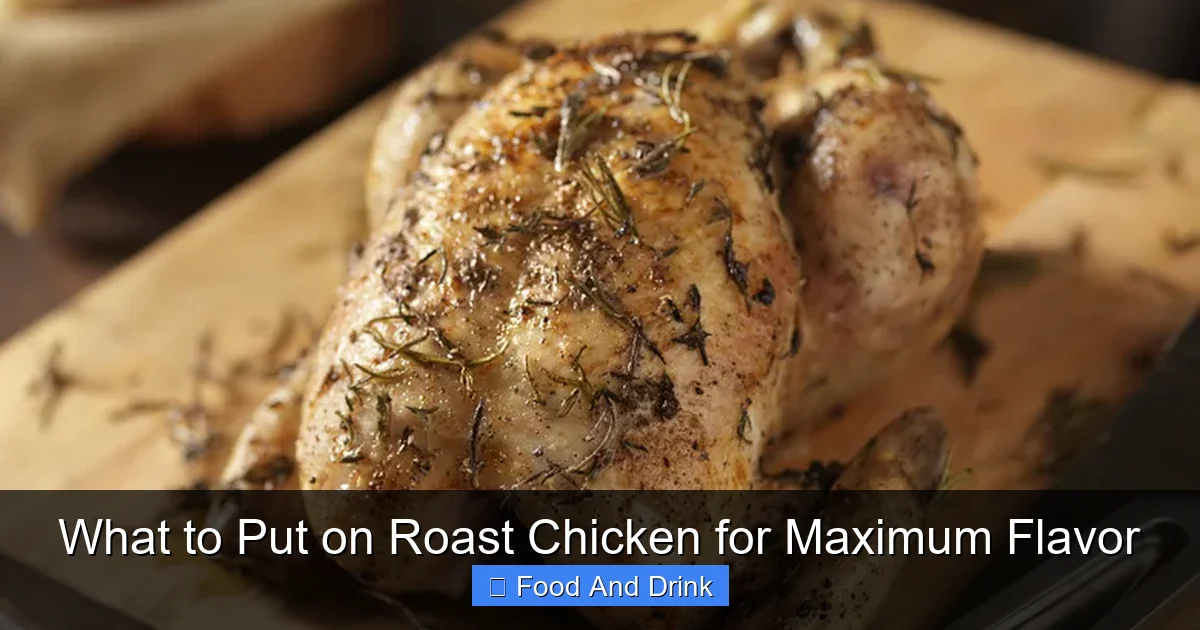
If you’re tired of the same old herb-and-butter routine, it’s time to explore global spice blends. These mixes can transform your roast chicken into a dish inspired by cuisines from around the world.
Middle Eastern Za’atar
Za’atar is a fragrant blend of thyme, sumac, sesame seeds, and sometimes oregano or marjoram. It has a tangy, nutty flavor that pairs beautifully with chicken. Rub a mixture of za’atar, olive oil, and a touch of garlic under and over the skin. Roast as usual for a chicken that tastes like it came from a Tel Aviv kitchen.
North African Harissa
Harissa is a spicy chili paste made from roasted red peppers, garlic, cumin, coriander, and chili flakes. For a bold, smoky flavor, mix harissa with olive oil and a little honey to balance the heat. Brush it over the chicken and let it marinate for at least an hour before roasting. The result is a deeply flavorful, slightly spicy bird with a gorgeous red hue.
Smoked Paprika and Cumin (Spanish-Inspired)
For a Spanish twist, use smoked paprika, cumin, garlic powder, and a pinch of cayenne. This blend gives the chicken a rich, smoky flavor reminiscent of chorizo or paella. Mix the spices with olive oil and a splash of sherry vinegar, then rub all over the chicken. Roast until the skin is crisp and the meat is tender.
Indian Garam Masala
Garam masala is a warm, aromatic blend of cinnamon, cardamom, cloves, cumin, and coriander. It’s perfect for adding depth and complexity to roast chicken. Combine garam masala with yogurt, ginger, and garlic to make a marinade. Let the chicken soak in it for a few hours or overnight, then roast. The yogurt tenderizes the meat while the spices infuse it with flavor.
Acidic Ingredients: Brighten and Tenderize
Visual guide about What to Put on Roast Chicken for Maximum Flavor
Image source: tastingtable.com
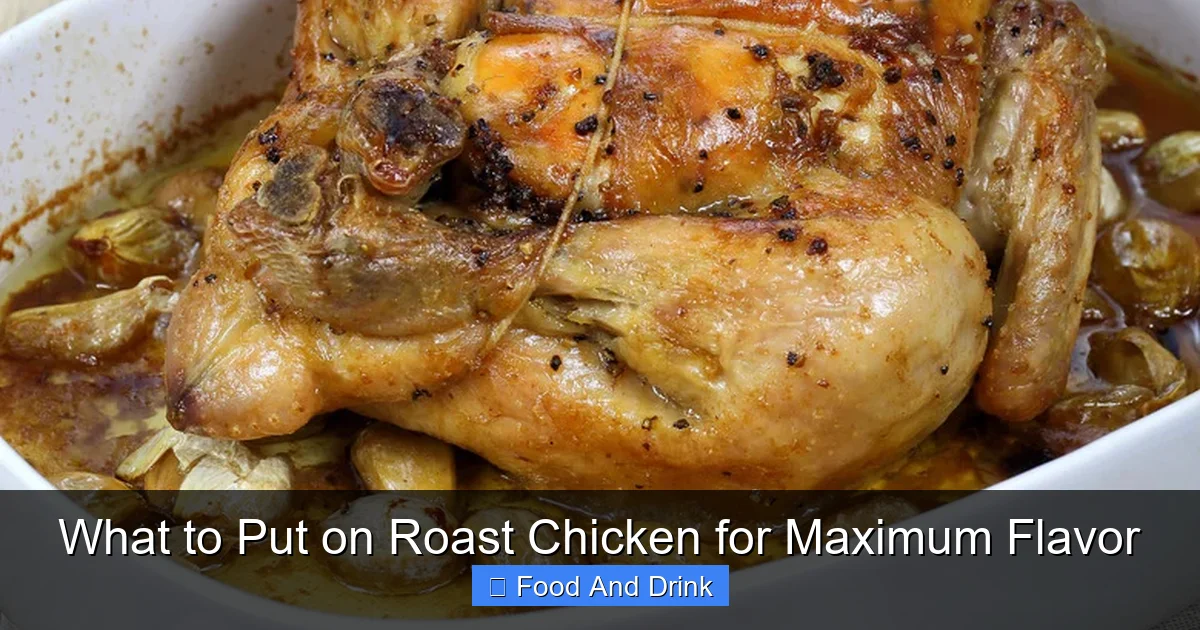
Acid is a secret weapon in roast chicken. It does two important things: it tenderizes the meat and brightens the overall flavor. Without acid, even the most well-seasoned chicken can taste flat.
Lemon Juice and Zest
Lemon is the most common acidic ingredient used with roast chicken. The juice tenderizes the meat, while the zest adds a fresh, citrusy aroma. Squeeze fresh lemon juice over the chicken before roasting, or mix it into your herb butter or oil blend. You can also place lemon wedges inside the cavity or on top of the chicken during cooking.
Wine and Vinegar
White wine, apple cider vinegar, or balsamic vinegar can also be used to add acidity. Deglaze the roasting pan with a splash of wine during the last 10 minutes of cooking to create a flavorful jus. Or, mix vinegar into your basting liquid for a tangy glaze.
For a French-inspired dish, try roasting chicken with white wine, garlic, and thyme. The wine reduces into a rich, aromatic sauce that you can drizzle over the carved chicken.
Compound Butters and Pastes: Flavor Bombs
Compound butters are one of the easiest ways to pack a punch of flavor into roast chicken. Made by mixing softened butter with herbs, spices, garlic, citrus, or even honey, these butters melt into the skin and meat as the chicken roasts, creating a juicy, flavorful crust.
Classic Herb Butter
To make herb butter, combine 1/2 cup (1 stick) of softened unsalted butter with 2 tablespoons of chopped fresh herbs (like parsley, thyme, and chives), 2 minced garlic cloves, the zest of one lemon, and a pinch of salt and pepper. Mix well and refrigerate until firm.
To use, gently loosen the skin over the breast and thighs with your fingers, then slide small pats of butter underneath. Spread the rest over the top of the chicken. Roast as usual. The butter will melt and baste the meat, resulting in incredibly moist, flavorful chicken.
Garlic and Rosemary Butter
For a bold, aromatic option, try garlic and rosemary butter. Mix softened butter with 4 minced garlic cloves, 2 tablespoons of chopped rosemary, and a pinch of red pepper flakes. This butter is perfect for those who love strong, savory flavors.
Honey and Mustard Glaze
If you prefer a sweet and tangy flavor, try a honey-mustard paste. Mix 2 tablespoons of Dijon mustard, 2 tablespoons of honey, 1 tablespoon of olive oil, and a pinch of thyme. Brush it over the chicken during the last 20 minutes of roasting. The honey caramelizes, creating a glossy, slightly sticky crust.
Finishing Touches: Sauces and Garnishes
Once your chicken is roasted to perfection, don’t skip the finishing touches. A simple sauce or garnish can elevate the dish from great to unforgettable.
Pan Jus
After removing the chicken from the roasting pan, pour off excess fat, leaving about 1 tablespoon. Place the pan on the stove over medium heat and add 1 cup of chicken broth or water. Scrape up the browned bits from the bottom of the pan—these are packed with flavor. Simmer for 5–10 minutes, then strain and serve alongside the chicken.
Herb Garnish
A sprinkle of fresh herbs like parsley, chives, or dill adds color and freshness. Chop them finely and scatter over the carved chicken just before serving.
Lemon Wedges
Serve with lemon wedges on the side. A squeeze of fresh lemon juice at the table brightens the flavors and adds a final touch of acidity.
Pro Tips for the Perfect Roast Chicken
Even with the best ingredients, technique matters. Here are a few pro tips to ensure your roast chicken turns out perfectly every time:
– **Dry the skin thoroughly before seasoning.** Moisture prevents browning, so pat the chicken dry with paper towels.
– **Let the chicken come to room temperature** before roasting. This ensures even cooking.
– **Use a meat thermometer.** The internal temperature should reach 165°F (74°C) in the thickest part of the thigh.
– **Rest the chicken for 15–20 minutes** after roasting. This allows the juices to redistribute, keeping the meat moist.
– **Truss the legs** with kitchen twine for even cooking and a neat presentation.
Conclusion
Roasting a chicken doesn’t have to be complicated, but the right ingredients can make all the difference. From simple salt and pepper to bold spice blends and aromatic herbs, what you put on roast chicken determines its flavor, texture, and overall success. Whether you stick to classic combinations or venture into global flavors, the key is to balance fat, seasoning, acidity, and aroma.
Experiment with different herbs, try new spice mixes, and don’t be afraid to get creative. With these tips and techniques, you’ll be able to roast a chicken that’s not just delicious, but truly memorable. So next time you’re planning a meal, remember: the secret to maximum flavor starts with what you put on your roast chicken.
Frequently Asked Questions
What’s the best way to season a whole roast chicken?
Season generously with salt and pepper, both under and over the skin. Add herbs, garlic, and lemon for extra flavor. Let it rest for 30 minutes before roasting.
Can I use butter instead of oil?
Yes, butter adds rich flavor and helps crisp the skin. Use a mix of butter and oil to prevent burning at high temperatures.
How do I keep roast chicken moist?
Baste with butter or oil, use a compound butter under the skin, and avoid overcooking. Let the chicken rest before carving to retain juices.
What spices go well with roast chicken?
Thyme, rosemary, sage, garlic powder, onion powder, paprika, cumin, and coriander are all excellent choices. Mix and match based on your taste.
Can I add vegetables to the roasting pan?
Yes! Carrots, potatoes, onions, and celery roast beautifully alongside chicken. They absorb the drippings and make a complete meal.
How do I get crispy skin on roast chicken?
Dry the skin thoroughly, season well, and roast at a high temperature (425°F/220°C). Avoid covering the chicken while it cooks.


