

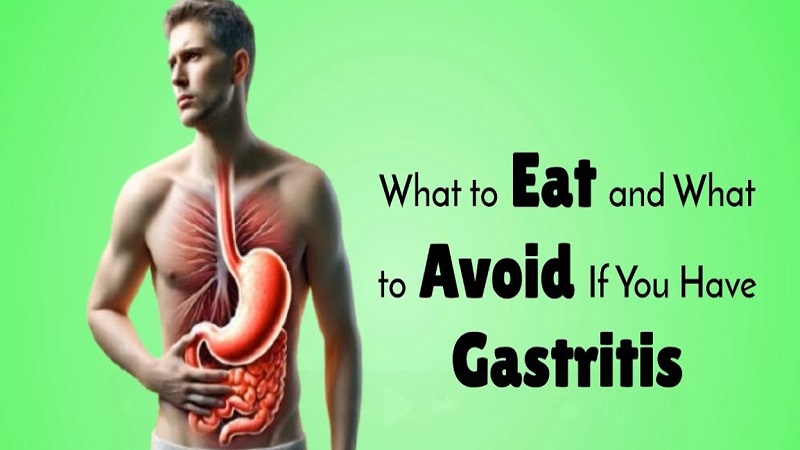

Managing gastritis requires careful attention to your daily diet to prevent painful inflammation and promote healing. Knowing what to not eat with gastritis is the first step toward finding relief, as certain foods can irritate your stomach lining and worsen your symptoms. By eliminating acidic, spicy, and processed items, you can soothe your digestive tract and enjoy your meals comfortably again.
Dealing with a burning, gnawing ache in your upper belly is no fun at all. If you have been diagnosed with gastritis, you know how frustrating it is when your favorite meals turn into a source of pain. Gastritis happens when your stomach lining becomes inflamed or swollen. This delicate lining needs a break to heal, and that is where your daily diet comes into play.
The golden rule for soothing your tummy is learning what to not eat with gastritis. While medication can help lower acid levels, your food choices are the real heroes in your recovery journey. Eating the wrong thing can set your healing back by days. Let us walk through the exact foods, drinks, and habits you should steer clear of to keep your stomach happy and calm.
Key Takeaways
- Understand the Triggers: Knowing what to not eat with gastritis helps you avoid foods that cause stomach acid spikes and irritation.
- Cut Out Spice: Hot peppers, chili powder, and heavy spices are top offenders that inflame a sensitive stomach lining.
- Limit Acidic Foods: Citrus fruits, tomatoes, and vinegar can erode your comfort and should be strictly managed.
- Beware of Beverages: Coffee, alcohol, and carbon
ated drinks are major culprits on the list of what to not eat with gastritis. - Choose Gentle Cooking: Opt for baking, steaming, and grilling instead of deep-frying your meals to protect your gut.
- Listen to Your Body: Everyone reacts differently, so keep a food journal to track your personal pain points.
Spicy Foods and Hot Peppers
When thinking about what to not eat with gastritis, spicy foods usually top the list. That fiery salsa or extra-hot curry might taste amazing going down, but it wreaks havoc on an inflamed stomach lining. Spices do not actually cause gastritis on their own, but they sure act like gasoline on a fire once the inflammation is already there.
Common Spices to Avoid
You want to be very careful with chili powder, cayenne pepper, red pepper flakes, and hot sauces. Even black pepper and garlic powder can sometimes cause a sharp, burning sensation if your stomach is extra sensitive. When you are planning your meals, stick to mild herbs like basil, parsley, or rosemary instead of reaching for the spice rack.
Practical Tip for Flavor
You do not have to eat bland, boring food while you heal. Try using fresh herbs, a squeeze of lemon (if your stomach tolerates it), or a pinch of sea salt to boost flavor. Keeping your meals simple allows you to enjoy your food without paying for it later with stomach cramps.
Acidic Fruits and Vegetables
Acid is your stomach’s enemy when you are dealing with gastritis. Because your stomach lining is already raw and angry, adding extra acid from outside sources will only make things worse. This category catches a lot of people by surprise because many healthy fruits and veggies are naturally quite acidic.
Citrus and Tomatoes
Oranges, lemons, limes, grapefruits, and pineapples are absolute big no-nos on the list of what to not eat with gastritis. Tomatoes and tomato-based products like pasta sauce, ketchup, and salsa are equally harsh. The high acid content in these foods directly irritates the stomach walls and triggers that familiar burning pain.
How to Swap Them Out
Instead of citrus, try snacking on bananas, melons, or papayas. These fruits are gentle, alkaline-friendly, and very easy on your digestive tract. For vegetables, swap out raw onions and heavy tomato sauces for steamed zucchini, carrots, or spinach.
Beverages That Burn
What you drink matters just as much as what you chew. Many daily drinks are secret agents of stomach irritation. If you want to give your gut a fighting chance, you must look closely at your beverage routine.
Coffee and Caffeine
Morning coffee is a sacred ritual for many of us, but regular coffee stimulates acid production in the stomach. Even decaf can be a problem because compounds in the coffee bean itself irritate the gut lining. Energy drinks and strong black teas should also be set aside while you recover.
Alcohol and Carbonation
Alcohol is a major player in what to not eat with gastritis. It directly erodes the protective mucosal barrier of your stomach. Beer, wine, and liquor can cause severe flare-ups. Similarly, carbonated drinks like soda and sparkling water introduce extra gas and pressure into your stomach, leading to bloating and discomfort.
Fatty, Fried, and Greasy Meals
We all love a good french fry or a cheesy slice of pizza from time to time. Unfortunately, high-fat foods sit in your stomach much longer than proteins or simple carbs. This extended digestion time means your stomach has to produce more acid to break the food down.
The Problem with Grease
When your stomach churns out extra acid to deal with a greasy burger, that acid splashes against your inflamed stomach lining. Deep-fried foods, butter-heavy pastries, and fatty cuts of red meat are classic examples of what to not eat with gastritis if you want to avoid that heavy, bloated feeling.
Better Cooking Methods
You can still enjoy comforting meals by changing how you cook them. Swap out deep-frying for baking, boiling, steaming, or grilling. Choose lean proteins like skinless chicken breast or white fish, and use healthy fats like a tiny drizzle of olive oil rather than heavy cream or loads of butter.
Processed Foods and Hidden Irritants
Processed convenience foods often hide ingredients that irritate a sensitive stomach. Packaged snacks, instant noodles, and frozen dinners are frequently loaded with preservatives, artificial flavors, and high amounts of sodium that can upset your digestive balance.
Watch Out for Mint and Chocolate
Two surprising items on the list of what to not eat with gastritis are chocolate and mint. While they sound harmless, mint and chocolate relax the lower esophageal sphincter. This muscle is supposed to stay tightly closed to keep stomach acid where it belongs. When it relaxes, acid creeps up, causing both gastritis pain and acid reflux.
Reading Labels
Become a detective at the grocery store. Check ingredient lists for hidden additives, excessive sugars, and chemical preservatives. Eating whole, single-ingredient foods is always the safest route when you are trying to calm your stomach down.
Navigating gastritis can feel tricky at first, but keeping track of what to not eat with gastritis makes the process much clearer. By cutting out spicy foods, acidic fruits, coffee, alcohol, and greasy meals, you give your stomach the break it desperately needs. Listen closely to your body, choose gentle and whole foods, and take it one day at a time on your path to total healing.
Frequently Asked Questions
Can I drink green tea if I have gastritis?
Many people with gastritis tolerate green tea in small amounts, provided it is not too strong or caffeinated. However, green tea still contains some caffeine and tannins, which can irritate sensitive stomachs if consumed on an empty stomach. It is best to test a small cup and see how your body responds.
Is dairy safe to consume with gastritis?
Dairy affects everyone differently when dealing with gastritis. While milk was once prescribed to coat the stomach, modern science shows that the fat and calcium in dairy can actually trigger your stomach to produce more acid. Low-fat or plant-based milks like almond or oat milk are usually safer choices.
How long do I need to avoid these trigger foods?
The timeline depends entirely on the severity of your gastritis and how well your stomach lining heals. Most people need to stick to a strict healing diet for at least a few weeks to months. Once your symptoms completely disappear, you can slowly reintroduce your favorite foods one at a time.
Can I eat bread and grains?
Yes, simple grains like white or whole-wheat bread, white rice, and oatmeal are generally very well tolerated with gastritis. They are easy to digest and provide gentle energy without putting too much work on your stomach. Just avoid heavy, buttery pastries or spicy grain dishes.
Are eggs okay to eat?
Eggs are typically a fantastic protein source for people with gastritis. They are soft, easy to digest, and gentle on the stomach lining, especially when boiled, poached, or scrambled with minimal oil. Just skip the heavy butter or hot sauce toppings.
What should I eat instead of these restricted foods?
Focus your meals on lean proteins like chicken and fish, bland complex carbohydrates like rice and oatmeal, and well-cooked, non-acidic vegetables. Eating smaller, more frequent meals throughout the day rather than three large ones will also help keep your stomach calm and happy.