

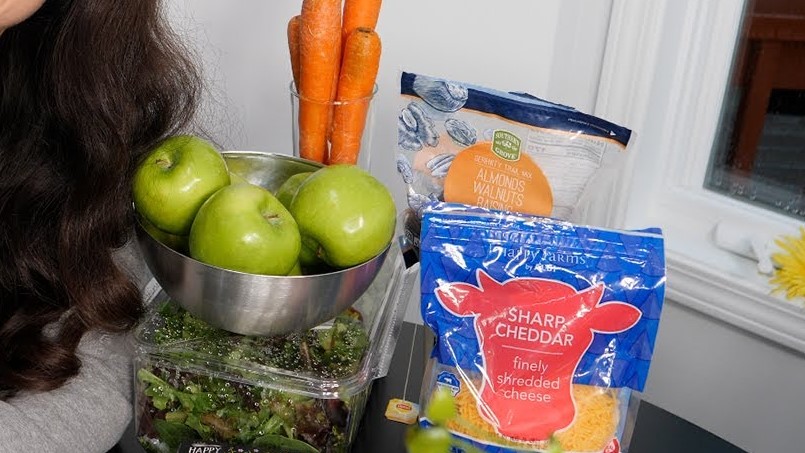

Dealing with tender and puffy mouth tissue can make every meal a challenge, which is why knowing what to eat with swollen gums is essential for your comfort and recovery. Choosing the right soft, nutrient-rich foods helps you stay nourished without irritating sensitive areas, while avoiding triggers prevents further inflammation. By focusing on gentle meals and proper oral care, you can support your gum health and heal faster.
Have you ever woken up, brushed your teeth, and noticed a little pink in the sink along with a tender, puffy feeling around your teeth? Dealing with tender mouth tissue is no fun at all. Every time you try to take a bite of your favorite meal, a sharp ache reminds you that your mouth needs a break. When you are going through this, figuring out what to eat with swollen gums becomes your top priority for getting through the day without agony.
Eating well is still important when your mouth hurts. You need vitamins and minerals to help your body heal, but biting into an apple or chewing on a crunchy piece of toast is completely out of the question. The good news is that you do not have to starve or live on plain water. There are plenty of delicious, comforting, and healing choices that will keep your belly full and your mouth happy while you recover.
Key Takeaways
- Focus on Soft Foods: Stick to purees, blended soups, and tender proteins that require minimal chewing to protect sore mouth tissue.
- Prioritize Vitamin C and A: Incorporate nutrient-dense options like mashed sweet potatoes and blended berries to boost tissue repair and immune function.
- Avoid Irritants: Stay away from spicy, acidic, crunchy, and sugary foods that can worsen inflammation and cause sharp pain.
- Maintain Hydration: Drink plenty of water and herbal teas to wash away food particles and keep your mouth moist and clean.
- Practice Gentle Hygiene: Continue brushing softly and using saltwater rinses to keep the area clean without causing additional trauma.
- Know When to See a Dentist: Persistent swelling may indicate an underlying infection or gum disease that requires professional dental treatment.
Understanding Gum Inflammation and Your Diet
Before we dive into the kitchen, it helps to understand why your mouth feels the way it does. Swelling usually happens when your body sends extra blood and white blood cells to fight off bacteria or irritation. This natural defense mechanism is helpful, but it leaves the tissue stretched, sensitive, and easily aggravated by what you put in your mouth.
Why Food Choices Matter for Healing
When you have puffy mouth tissue, your diet plays a massive role in how fast you recover. If you eat harsh, scratchy, or highly processed items, you can easily scrape the delicate surface and make the irritation worse. On the flip side, eating wholesome, anti-inflammatory options gives your immune system the building blocks it needs to repair the tissue naturally.
The Goal of Gentle Eating
The main goal when figuring out what to eat with swollen gums is to minimize mechanical stress and chemical irritation. Mechanical stress means avoiding foods that require heavy chewing or have sharp edges. Chemical irritation means steering clear of things that burn, sting, or feed harmful bacteria, such as refined sugars and extreme acids.
The Best Foods to Eat When Your Gums Are Puffy
When your mouth is sore, you want items that slide down easily and require almost zero chewing effort. Fortunately, comfort food can also be super healthy. Here are some of the best things to put on your plate during a flare-up.
Soothing Soups and Broths
Warm, nutrient-dense bone broth or blended vegetable soup is a lifesaver. Broths are packed with amino acids and minerals that support tissue repair. Just make sure your soup is warm, not piping hot, as extreme temperatures can trigger more discomfort in sensitive tissue.
Soft Fruits and Smoothies
Fruit is packed with healing vitamins, but raw apples and citrus fruits can be too harsh. Instead, whip up a smooth fruit blend using bananas, avocados, and berries. Bananas are naturally soft and filling, while berries provide powerful antioxidants. Just be sure to avoid using very small seeds, like strawberries or raspberries have, if they tend to get stuck easily.
Mashed Veggies and Root Crops
Steamed and thoroughly mashed vegetables are fantastic options. Think of creamy mashed potatoes, sweet potatoes, or pureed squash. Sweet potatoes are especially great because they are loaded with vitamin A, which is essential for maintaining healthy mucous membranes and oral tissue.
Nutrient-Dense Options That Support Gum Health
As you plan what to eat with swollen gums, you want to focus on nutrients that actively fight inflammation. Healing takes energy and specific vitamins, so make every bite count with these smart choices.
Protein Choices That Require Minimal Chewing
You still need protein to heal, but tough steaks are off the menu. Try soft scrambled eggs, Greek yogurt, smooth cottage cheese, or flaked white fish. Scrambled eggs are soft, easy to chew, and packed with vitamins D and B12. Greek yogurt offers a cool, soothing texture along with probiotics that promote a healthy balance of bacteria in your mouth.
Healthy Fats for Reduced Inflammation
Healthy fats help your body absorb fat-soluble vitamins and keep inflammation at bay. Avocado is a wonderful choice because it is buttery, soft, and rich in omega-3 fatty acids. You can mash it on its own, blend it into a smoothie, or mix it into soups for extra creaminess.
Foods and Drinks to Avoid Completely
Just as important as knowing what to eat with swollen gums is knowing what to skip. Certain items can turn a minor case of puffiness into a painful ordeal.
Crunchy and Sharp Snacks
Chips, pretzels, nuts, and popcorn are your worst enemies right now. These crunchy items break down into sharp fragments that can easily poke and cut your sensitive tissue, leading to bleeding and delayed healing.
Acidic and Spicy Culprits
Put away the hot sauce, salsa, lemons, and oranges. Acidic juices and spicy seasonings will sting the moment they touch your mouth. They cause an immediate burning sensation and can aggravate the inflammation even further.
Sticky and Sugary Treats
Sticky candies, dried fruits, and sugary pastries cling to your teeth and feed the exact bacteria that likely caused your gum issues in the first place. Keep your sugar intake low while your mouth is healing to give your immune system a fighting chance.
Tips for Comfortable Eating and Quick Recovery
Adjusting your diet is only part of the puzzle. How you eat and care for your mouth during this time matters just as much.
Watch the Temperature
Avoid eating or drinking anything that is steaming hot or freezing cold. Extreme temperatures can shock sensitive nerves and increase discomfort in inflamed areas.
Rinse After Every Meal
Even when eating soft foods, tiny particles can get trapped around your teeth. Gently swish with warm saltwater after every meal to clean the area naturally and reduce swelling without irritating the tissue.
Conclusion
Dealing with sore, puffy mouth tissue is never pleasant, but adjusting your diet can make the healing process much smoother. By focusing on what to eat with swollen gums—such as soothing broths, mashed veggies, smoothies, and soft proteins—you nourish your body while giving your mouth the rest it deserves. Remember to steer clear of crunchy, spicy, and sugary items, practice gentle oral hygiene, and consult a dental professional if the discomfort lingers. Take care of your smile, and you will be back to eating your favorite foods in no time!
Frequently Asked Questions
What is the best food to eat when your gums hurt?
Soft, cool, or lukewarm foods like Greek yogurt, mashed sweet potatoes, scrambled eggs, and blended smoothies are ideal. These options require little to no chewing and deliver essential nutrients without irritating sensitive mouth tissue.
Can I drink coffee or tea when my gums are swollen?
You can enjoy lukewarm herbal teas, such as chamomile, which offer soothing properties. However, it is best to avoid very hot coffee, as extreme temperatures and high acidity can increase discomfort in inflamed areas.
How long does it take for swollen gums to heal?
Mild swelling caused by minor irritation or food getting trapped usually improves within a few days with good oral hygiene and soft foods. If the swelling lasts longer than a week, you should visit a dentist for an evaluation.
Are cold foods good for swollen gums?
Cool foods like chilled applesauce, yogurt, or a smoothie can feel very soothing on puffy mouth tissue because the low temperature helps numb minor aches. Just make sure the food is not ice-cold, as extreme cold can sometimes trigger sharp sensitivity.
Should I brush my teeth if my gums are swollen and bleeding?
Yes, you should continue cleaning your teeth, but switch to a soft-bristled toothbrush and use a very gentle, circular motion. Stopping your oral routine can allow more bacteria to build up and worsen the inflammation.
What vitamin deficiency causes swollen gums?
A lack of vitamin C is commonly linked to tender and bleeding mouth tissue, a condition historically known as scurvy. Ensuring your diet includes plenty of vitamin C-rich soft foods can help support your overall oral health.