



Finding your roast chicken undercooked can be stressful, but it’s fixable with the right steps. This guide covers safe reheating methods, prevention tips, and how to check doneness like a pro—so your next roast is perfectly juicy and safe to eat.
Key Takeaways
- Don’t panic—undercooked chicken can often be safely corrected. With proper handling, you can finish cooking without ruining the meal.
- Use a meat thermometer to check internal temperature. Safe doneness is 165°F (74°C) in the thickest part of the breast and thigh, away from bone.
- Slice or debone the chicken for faster, more even reheating. Smaller pieces cook quicker and reduce the risk of drying out the meat.
- Reheat gently using the oven, stovetop, or microwave. High heat can dry out the meat, so low and slow is best.
- Prevent undercooking by planning ahead. Thaw frozen chicken fully, use a thermometer, and allow resting time after roasting.
- Never serve pink or rubbery chicken. It may contain harmful bacteria like Salmonella or Campylobacter.
- Save the drippings and bones for stock. Even if the chicken was undercooked, you can still use the remnants for flavorful soups or sauces.
Quick Answers to Common Questions
Can I eat slightly pink chicken if it smells fine?
No. Pink color in chicken—especially near the bone—indicates it hasn’t reached a safe internal temperature. Smell isn’t a reliable indicator of doneness. Always use a thermometer to check for 165°F (74°C).
Is it safe to reheat undercooked chicken in the microwave?
Yes, but only if done carefully. Use low power, cover the chicken, and heat in short intervals while checking the temperature. High heat can dry it out or create unsafe hot spots.
How long does it take to fix undercooked roast chicken?
It depends on the method. In the oven, it may take 15–30 minutes. On the stovetop, 5–10 minutes. Always check with a thermometer to be sure.
Can I freeze undercooked chicken to cook later?
No. Freezing doesn’t kill bacteria. If the chicken is undercooked, it must be cooked to 165°F (74°C) before freezing or consuming.
What if only one part of the chicken is undercooked?
Remove the undercooked pieces and finish cooking them separately using the stovetop or microwave method. The rest of the chicken can be served as is.
📑 Table of Contents
- Introduction: The Dreaded Pink Chicken Moment
- Why Undercooked Chicken Is a Serious Concern
- Step-by-Step: How to Fix Undercooked Roast Chicken
- How to Prevent Undercooked Roast Chicken in the Future
- What to Do with Leftover Undercooked Chicken
- When to Toss the Chicken
- Conclusion: Stay Calm, Stay Safe, and Keep Cooking
Introduction: The Dreaded Pink Chicken Moment
You’ve spent hours preparing a beautiful roast chicken—herbs tucked under the skin, vegetables roasting alongside, the kitchen smelling like a holiday feast. You pull it out of the oven, golden and glistening, ready to carve. But as you slice into the thigh, you see it: a hint of pink. Your heart sinks. Is it undercooked? Can you still save it?
Don’t worry—you’re not alone. Even experienced cooks face this moment. Undercooked roast chicken is more common than you think, especially when dealing with uneven oven heat, inaccurate timers, or inconsistent bird sizes. The good news? It’s usually fixable. With the right approach, you can finish cooking your chicken safely without turning it into a dry, rubbery mess. This guide will walk you through exactly what to do if your roast chicken is undercooked, how to fix it, and—most importantly—how to avoid the problem next time.
Why Undercooked Chicken Is a Serious Concern
Before we dive into solutions, it’s important to understand why undercooked chicken is dangerous. Unlike beef or pork, which can be safely eaten at lower temperatures (like medium-rare steak), chicken must be cooked thoroughly to kill harmful bacteria. The two biggest culprits are Salmonella and Campylobacter, both of which can cause food poisoning with symptoms like nausea, vomiting, diarrhea, and fever.
Visual guide about What to Do If Roast Chicken Is Undercooked
Image source: i.stack.imgur.com
The Science Behind Safe Cooking Temperatures
The USDA recommends cooking all poultry to an internal temperature of 165°F (74°C). At this temperature, harmful bacteria are destroyed almost instantly. While some chefs argue that chicken can be safe at slightly lower temperatures if held for a longer time (a method called “time-temperature pasteurization”), this requires precise control and is not recommended for home cooks.
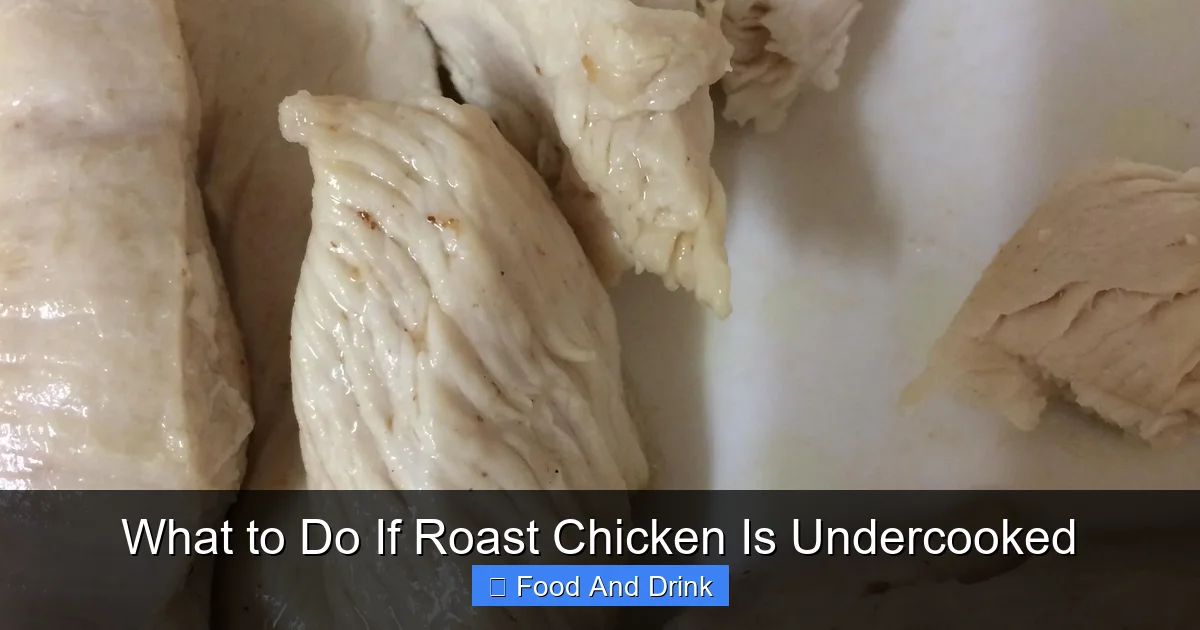
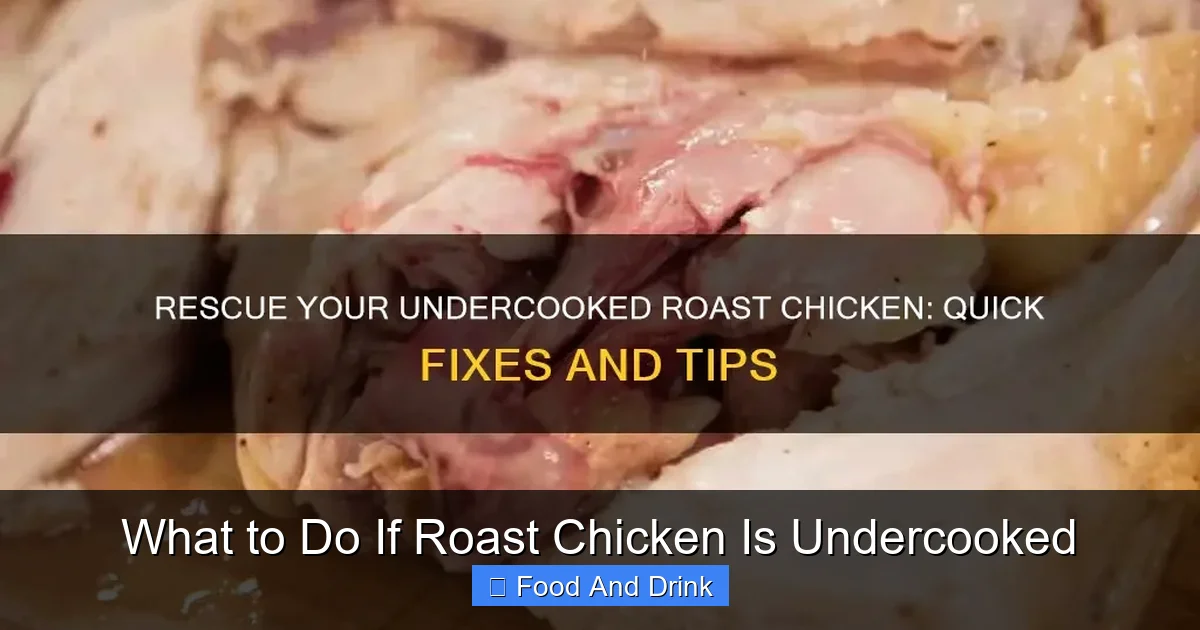
Chicken that’s pink, rubbery, or still cold in the center is a red flag. Even if it looks mostly done, the thickest parts—like the breast near the bone or the thigh—may not have reached a safe temperature. Bone-in chicken is especially tricky because the bones conduct heat differently than meat, sometimes giving a false sense of doneness.
Common Signs of Undercooked Chicken
- Pink or grayish meat: Especially near the bone or in the thickest parts.
- Rubbery texture: Undercooked chicken feels stretchy or bouncy when pressed.
- Clear or bloody juices: Juices should run clear, not pink or red.
- Cold spots: Use a thermometer to check multiple areas.
If you spot any of these signs, stop carving and take action immediately. Serving undercooked chicken isn’t just unappetizing—it’s a health risk.
Step-by-Step: How to Fix Undercooked Roast Chicken
The key to fixing undercooked roast chicken is to finish cooking it gently and evenly. Rushing the process with high heat can dry out the meat, turning a salvageable meal into a tough, flavorless disappointment. Here’s how to do it right.
Visual guide about What to Do If Roast Chicken Is Undercooked
Image source: shungrill.com
Step 1: Assess the Situation
First, determine how undercooked the chicken is. Is it just slightly pink near the bone, or is the entire bird still raw? Use a reliable meat thermometer to check the internal temperature in several spots:
- The thickest part of the breast (without touching the bone)
- The innermost part of the thigh
- The joint where the wing meets the body
If any reading is below 165°F (74°C), the chicken needs more cooking.
Step 2: Let It Rest (Briefly)
Even if the chicken is undercooked, let it rest for 5–10 minutes after removing it from the oven. This allows the residual heat to distribute and may push some parts closer to the safe temperature. However, don’t wait too long—cold spots won’t improve on their own.
Step 3: Choose the Best Reheating Method
There are three safe and effective ways to finish cooking undercooked roast chicken: the oven, the stovetop, and the microwave. The best method depends on how much cooking is needed and how much chicken you have.
Option A: Return to the Oven (Best for Whole Birds)
If the chicken is only slightly undercooked and still mostly intact, return it to a preheated oven at 325°F (165°C). Cover it loosely with foil to prevent drying out. Check the temperature every 10 minutes until it reaches 165°F (74°C). This method is gentle and preserves moisture.
Pro Tip: Add a splash of broth or water to the roasting pan to create steam, which helps keep the meat juicy.
Option B: Slice and Finish on the Stovetop (Best for Partially Carved Chicken)
If you’ve already started carving, slice the undercooked pieces (like the breast or thighs) and finish them in a skillet. Heat a little oil or butter over medium-low heat, add the chicken, and cover with a lid. Cook for 3–5 minutes per side, checking the temperature frequently. This method cooks quickly and adds a nice sear.
Example: Say you’ve carved the breast and noticed it’s still pink in the center. Slice it into cutlets, pan-fry them covered for 4 minutes, then check with a thermometer. You’ll have perfectly cooked, juicy chicken in under 10 minutes.
Option C: Use the Microwave (Best for Small Portions)
For small pieces or leftovers, the microwave can work—if done carefully. Place the chicken in a microwave-safe dish, cover with a damp paper towel, and heat in 30-second intervals on 50% power. Check the temperature after each interval. This prevents overcooking and drying.
Caution: Microwaving can create hot spots, so stir or rearrange the pieces between intervals. Avoid high power settings, which can turn chicken rubbery.
Step 4: Monitor Temperature Closely
No matter which method you use, always check the internal temperature with a meat thermometer. Don’t rely on time or appearance alone. Insert the probe into the thickest part of the meat, avoiding bones, and wait for a stable reading.
Step 5: Let It Rest Again
Once the chicken reaches 165°F (74°C), remove it from heat and let it rest for 5–10 minutes. This allows the juices to redistribute, ensuring moist, flavorful meat. Carve and serve as planned.
How to Prevent Undercooked Roast Chicken in the Future
The best way to handle undercooked chicken is to avoid it altogether. With a few smart strategies, you can roast a perfect bird every time—golden, juicy, and safe to eat.
Visual guide about What to Do If Roast Chicken Is Undercooked
Image source: cychicken.com
Use a Reliable Meat Thermometer
This is the #1 tool for perfect roast chicken. Instant-read thermometers are affordable (under $20) and take the guesswork out of cooking. Insert it into the thickest part of the breast and thigh, and aim for 165°F (74°C).
Tip: Calibrate your thermometer regularly by testing it in ice water (should read 32°F/0°C) or boiling water (212°F/100°C at sea level).
Thaw Frozen Chicken Completely
Frozen chicken cooks unevenly. If you’re roasting a frozen bird, it may look done on the outside while the inside remains undercooked. Always thaw chicken in the refrigerator (allow 24 hours per 5 pounds), in cold water (change water every 30 minutes), or in the microwave using the defrost setting.
Bring Chicken to Room Temperature
Let the chicken sit out for 20–30 minutes before roasting. This ensures more even cooking. Cold chicken straight from the fridge can lead to overcooked edges and undercooked centers.
Truss the Chicken Properly
Trussing (tying the legs together with kitchen twine) helps the chicken cook evenly by keeping the breast and thighs close together. It also prevents the wings and legs from burning.
Roast at the Right Temperature
Most roast chickens are cooked at 375°F (190°C) to 425°F (220°C). Higher temperatures give a crispier skin, but can lead to uneven cooking. For more control, try the “low and slow” method: roast at 325°F (165°C) for longer. This gives the heat time to penetrate deeply.
Allow for Resting Time
After roasting, let the chicken rest for 15–20 minutes before carving. During this time, the internal temperature can rise by 5–10°F due to carryover cooking. This means you can actually remove the chicken from the oven at 160°F (71°C) and it will reach 165°F (74°C) while resting.
Use a Roasting Rack
A rack elevates the chicken, allowing hot air to circulate underneath. This promotes even browning and prevents the bottom from steaming instead of roasting.
What to Do with Leftover Undercooked Chicken
Even if your chicken was undercooked, you can still salvage parts of it—especially the drippings, skin, and bones. These can be used to make flavorful stocks, soups, or sauces.
Make Chicken Stock
Simmer the carcass, wings, and any undercooked pieces in water with vegetables (carrots, celery, onion) and herbs for 2–4 hours. The long, slow cooking will extract flavor and ensure any remaining bacteria are destroyed. Strain and use the stock for soups, risottos, or gravies.
Save the Drippings for Gravy
The juices that collect in the roasting pan are liquid gold. Skim off excess fat, then whisk in flour and broth to make a rich, savory gravy. Even if the chicken was undercooked, the drippings are safe to use as long as they’ve been heated to 165°F (74°C).
Use the Skin for Crackling
If the skin is crispy but the meat underneath was undercooked, you can still enjoy the skin. Bake it separately on a wire rack at 400°F (200°C) for 10–15 minutes until extra crispy. Sprinkle with salt and enjoy as a snack or garnish.
When to Toss the Chicken
In rare cases, undercooked chicken may be beyond saving. If the chicken was left at room temperature for more than 2 hours, or if it smells sour, slimy, or off, it’s safer to discard it. Bacteria multiply rapidly in the “danger zone” (40°F to 140°F / 4°C to 60°C), and reheating may not eliminate all toxins.
Also, if the chicken was severely undercooked—like still raw in the middle—and you’re unsure how long it’s been sitting out, it’s better to err on the side of caution. Food safety is more important than saving a meal.
Conclusion: Stay Calm, Stay Safe, and Keep Cooking
Finding your roast chicken undercooked is frustrating, but it doesn’t have to ruin your dinner. With the right tools and techniques, you can fix the problem safely and still serve a delicious, juicy meal. The key is to act quickly, use a thermometer, and choose a gentle reheating method.
More importantly, use this experience as a learning opportunity. Invest in a good meat thermometer, plan your cooking time carefully, and don’t skip the resting period. With practice, you’ll roast perfect chickens every time—golden, tender, and always safe to eat. And if you do run into trouble? Now you know exactly what to do.
Frequently Asked Questions
How do I know if my roast chicken is done without a thermometer?
Without a thermometer, it’s risky. You can check if juices run clear and the legs move easily, but these signs aren’t foolproof. A meat thermometer is the only reliable way to ensure safety.
Can I cook undercooked chicken in a slow cooker?
Yes, but only if it reaches 165°F (74°C) within a safe time. Add liquid, cover, and cook on low for 2–3 hours, checking the temperature frequently.
Is it safe to eat chicken that was undercooked but reheated properly?
Yes, as long as it reaches 165°F (74°C) during reheating. Proper cooking kills harmful bacteria, making it safe to eat.
Why is my chicken still pink near the bone even when cooked?
This can happen due to myoglobin in the meat or the bone itself retaining heat. As long as the internal temperature is 165°F (74°C), it’s safe to eat.
Can I use undercooked chicken in a casserole or soup?
Only if the entire dish reaches 165°F (74°C) and is cooked long enough to kill bacteria. Simmering for at least 10–15 minutes is recommended.
What’s the best way to store leftover roast chicken?
Store in an airtight container in the refrigerator for up to 4 days. Reheat to 165°F (74°C) before eating. For longer storage, freeze for up to 4 months.


