



If your cat ate cooked chicken bones, it’s important to stay calm but act quickly. Cooked bones can splinter and cause serious internal injuries, including choking, intestinal blockages, or perforations. Contact your veterinarian immediately—even if your cat seems fine—because symptoms may take hours or days to appear.
Key Takeaways
- Act immediately: Time is critical when your cat ingests cooked chicken bones. Contact your vet or an emergency animal clinic right away.
- Do not induce vomiting: Never try to make your cat vomit at home unless specifically instructed by a veterinarian, as it can worsen internal damage.
- Watch for symptoms: Signs like vomiting, lethargy, loss of appetite, or difficulty defecating may indicate a serious problem and require urgent care.
- Cooked bones are dangerous: Unlike raw bones, cooked chicken bones become brittle and can splinter, leading to choking or internal injuries.
- Prevention is key: Keep all cooked bones out of reach and avoid feeding table scraps that may contain bone fragments.
- Veterinary evaluation is essential: Even if your cat appears normal, an X-ray or ultrasound may be needed to check for obstructions or damage.
- Follow-up care matters: After treatment, monitor your cat closely and follow your vet’s dietary and activity recommendations.
Quick Answers to Common Questions
Can cats digest cooked chicken bones?
No, cats cannot safely digest cooked chicken bones. These bones become brittle when cooked and can splinter into sharp fragments that may cause internal injuries, blockages, or perforations in the digestive tract.
How long after eating bones do symptoms appear?
Symptoms may appear within a few hours or take up to several days to develop. Some cats show immediate signs like vomiting, while others may seem fine until a blockage or infection occurs.
Should I make my cat vomit after eating bones?
No, never induce vomiting at home unless instructed by a veterinarian. Forcing your cat to vomit can cause sharp bone fragments to damage the esophagus on the way back up.
Can a cat pass a chicken bone naturally?
In rare cases, small bone fragments may pass through the digestive system without issue. However, this is risky and not guaranteed. Even if bones are passed, internal damage may have already occurred.
What should I do if my cat ate a bone but seems fine?
Contact your veterinarian immediately. Even if your cat appears normal, an X-ray or ultrasound may be needed to check for hidden obstructions or injuries.
📑 Table of Contents
- What to Do If My Cat Ate Cooked Chicken Bones
- Why Cooked Chicken Bones Are Dangerous for Cats
- Immediate Steps to Take After Your Cat Eats Cooked Chicken Bones
- Signs and Symptoms to Watch For
- Veterinary Treatment Options
- How to Prevent Your Cat from Eating Cooked Chicken Bones
- What to Feed Your Cat Instead of Bones
- Conclusion
What to Do If My Cat Ate Cooked Chicken Bones
It’s a quiet evening. You’re enjoying a roast chicken dinner, and your curious cat is weaving between your legs, hoping for a taste. You toss a small piece of meat—no bones, you think—onto the floor. But later, you notice a few tiny bone fragments near your trash can. Your heart skips a beat. Did your cat eat cooked chicken bones?
If this sounds familiar, you’re not alone. Many cat owners have faced this stressful situation. Cats are naturally drawn to the smell of meat, and it’s easy for them to sneak a bite when we’re not looking. But while raw chicken bones are tough and less likely to break, cooked chicken bones are a different story. Once cooked, bones become brittle and can easily splinter into sharp fragments. These shards can cause serious harm as they pass through your cat’s digestive system.
The good news? With quick action and the right information, you can help protect your cat from serious injury. This guide will walk you through what to do if your cat ate cooked chicken bones, including immediate steps, warning signs to watch for, and how to prevent it from happening again. Whether your cat just swallowed a tiny piece or you’re unsure how much was consumed, staying informed could make all the difference.
Why Cooked Chicken Bones Are Dangerous for Cats
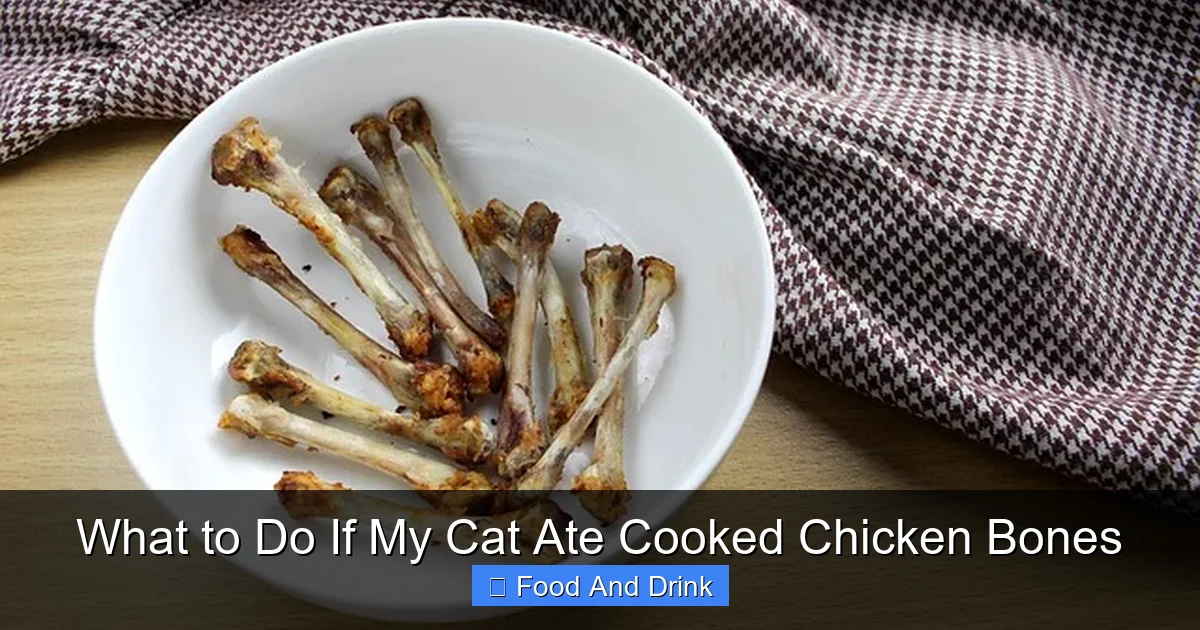
Visual guide about What to Do If My Cat Ate Cooked Chicken Bones
Image source: petloverguy.com
Not all bones are created equal—especially when it comes to your cat’s safety. While some pet owners feed raw bones under supervision, cooked chicken bones are widely considered unsafe and potentially life-threatening. The main reason? Cooking changes the structure of the bone.
When chicken bones are cooked, they lose moisture and become dry and brittle. This makes them far more likely to crack or shatter when chewed or swallowed. Instead of breaking into smooth pieces, they form sharp, jagged edges—like tiny daggers. As these fragments move through your cat’s esophagus, stomach, and intestines, they can cause cuts, tears, or even puncture the digestive tract.
One of the most dangerous risks is intestinal perforation. If a sharp bone fragment pokes through the wall of the intestine, it can lead to peritonitis—a severe and often fatal infection of the abdominal cavity. This condition develops quickly and requires immediate surgery. Other risks include choking, esophageal blockage, or obstruction in the stomach or intestines. Even small bones can cause big problems, especially in smaller cats or kittens.
It’s also important to understand that cats don’t chew their food the way dogs or humans do. They tend to swallow small pieces whole, which increases the chance that a sharp bone fragment will cause internal damage without you even realizing it. And because cats are masters at hiding pain, they may not show symptoms right away—even if something is seriously wrong.
Raw vs. Cooked Bones: What’s the Difference?
You might wonder why some people feed raw bones to their pets while cooked bones are so dangerous. The difference lies in the bone’s flexibility and structure. Raw bones, especially from poultry, are softer and more pliable. They can bend and break into larger, less hazardous pieces. In contrast, cooked bones become rigid and brittle, making them prone to splintering.
That said, even raw bones come with risks and should only be given under strict supervision. But when it comes to cooked chicken bones, the consensus among veterinarians is clear: they should never be fed to cats—or any pets, for that matter.
Common Misconceptions About Bones and Cats
Some people believe that because cats are carnivores, they can safely eat any type of bone. While it’s true that cats thrive on a meat-based diet, their digestive systems aren’t designed to handle sharp, splintered bone fragments. Another myth is that if a cat passes the bone in their stool, they’re fine. Unfortunately, internal damage may have already occurred, even if the bone is eventually expelled.
Always remember: just because your cat seems okay now doesn’t mean they’re out of the woods. Internal injuries can take hours or even days to show symptoms.
Immediate Steps to Take After Your Cat Eats Cooked Chicken Bones
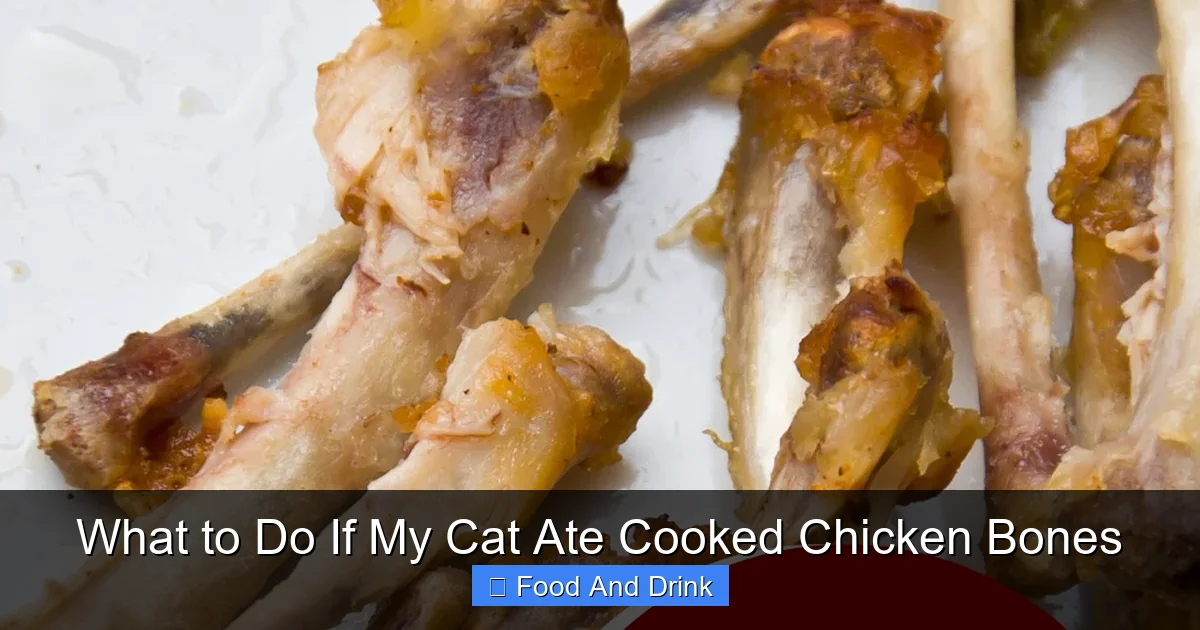
Visual guide about What to Do If My Cat Ate Cooked Chicken Bones
Image source: fruglife.com
Discovering that your cat has eaten cooked chicken bones can be terrifying. But staying calm and acting quickly is the best thing you can do. Here’s a step-by-step guide on what to do right away.
1. Stay Calm and Assess the Situation
First, take a deep breath. Panicking won’t help your cat. Try to determine how much your cat may have eaten. Look for bone fragments on the floor, in the trash, or near where your cat was eating. Note the size and type of bones—were they small rib bones, wing tips, or larger pieces? This information will be helpful when you speak to your vet.
Even if you only saw one small piece, don’t assume it’s harmless. Tiny bones can still cause blockages or injuries, especially in smaller cats.
2. Do Not Induce Vomiting
You might be tempted to make your cat vomit to get the bones out. But this is a big no-no unless your veterinarian specifically tells you to do so. Inducing vomiting at home—using hydrogen peroxide or other methods—can actually make things worse. If sharp bone fragments are already in the esophagus or stomach, forcing them back up could cause additional tearing or choking.
Only a trained professional should attempt to remove objects from your cat’s digestive tract. Your vet may use safe, controlled methods if necessary.
3. Contact Your Veterinarian Immediately
Call your vet or an emergency animal clinic right away. Explain what happened, including how much your cat may have eaten and when it occurred. Even if your cat seems perfectly fine, it’s crucial to get professional advice. Your vet may recommend bringing your cat in for an examination or monitoring at home—depending on the situation.
If it’s after hours, contact a 24-hour emergency vet clinic. Many cities have animal ERs that can handle urgent cases like this. Don’t wait until morning if your cat shows any signs of distress.
4. Monitor Your Cat Closely
While you’re waiting for veterinary advice, keep a close eye on your cat. Watch for any changes in behavior, appetite, or litter box habits. Note any vomiting, drooling, coughing, or signs of pain such as crying out when touched.
Keep your cat in a quiet, comfortable space where you can observe them easily. Avoid giving them food or water unless your vet says it’s okay—sometimes, withholding food can help reduce the risk of further irritation.
5. Be Prepared to Visit the Vet
Your vet may recommend bringing your cat in for an X-ray or ultrasound to check for blockages or internal damage. These imaging tools can show whether bones are stuck in the esophagus, stomach, or intestines. In some cases, blood tests may be done to check for signs of infection or inflammation.
If your cat is stable, your vet might suggest a wait-and-see approach with close monitoring. But if there’s any concern about obstruction or perforation, immediate treatment—possibly including surgery—may be needed.
Signs and Symptoms to Watch For
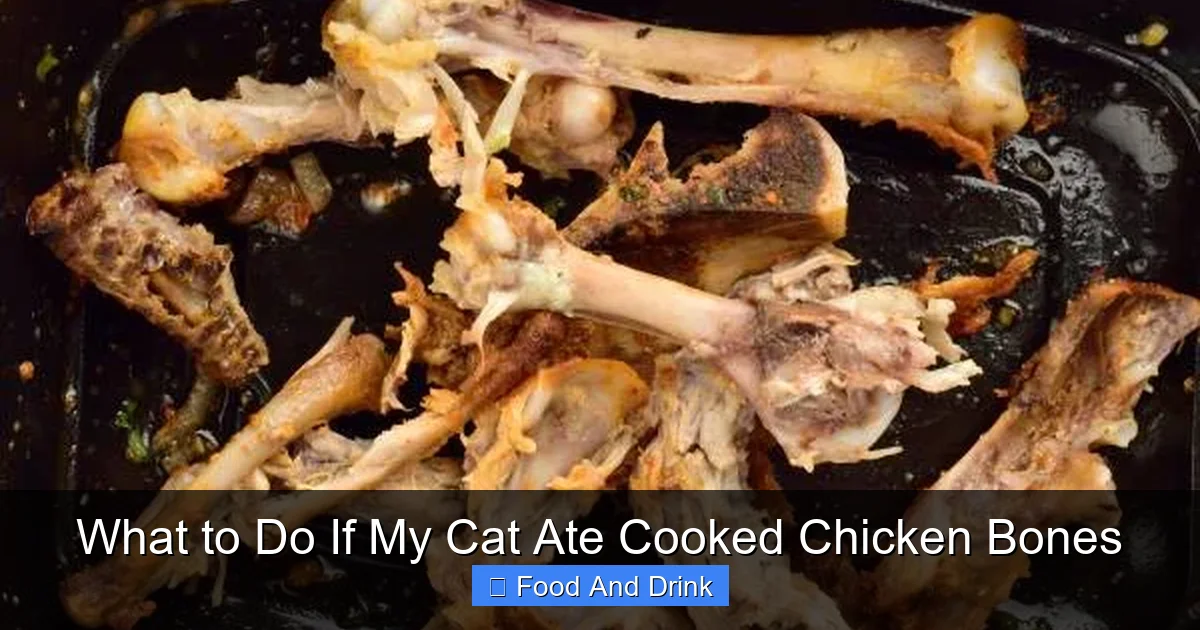
Visual guide about What to Do If My Cat Ate Cooked Chicken Bones
Image source: ourfitpets.com
One of the most challenging aspects of a cat eating cooked chicken bones is that symptoms may not appear right away. Your cat could seem completely normal for hours or even days before showing signs of trouble. That’s why it’s so important to monitor them closely—even if they appear fine.
Here are the key symptoms to watch for:
Vomiting
Vomiting is one of the most common signs that something is wrong. Your cat may vomit once or repeatedly. If the vomit contains blood, bone fragments, or has a foul odor, seek immediate veterinary care. Persistent vomiting can lead to dehydration and electrolyte imbalances, which are dangerous on their own.
Lethargy or Weakness
If your usually active cat becomes unusually tired, hides, or refuses to move, it could be a sign of pain or internal injury. Lethargy is especially concerning if it comes on suddenly or worsens over time.
Loss of Appetite
Cats often stop eating when they’re in pain or feeling unwell. If your cat turns away from food or water for more than 12–24 hours, it’s a red flag. Dehydration can set in quickly, especially in smaller cats.
Difficulty Defecating or Straining
If your cat is straining in the litter box, producing small or hard stools, or not pooping at all, it could indicate a blockage. This is a medical emergency. A complete intestinal obstruction can be life-threatening within 24–48 hours.
Abdominal Pain or Swelling
Gently feel your cat’s belly. If they flinch, cry out, or tense up when touched, they may be experiencing abdominal pain. Swelling or a hard abdomen could suggest inflammation or infection, such as peritonitis.
Excessive Drooling or Gagging
Drooling or gagging may indicate that a bone is stuck in the throat or esophagus. This can lead to choking or difficulty breathing. If your cat is pawing at their mouth or making choking sounds, seek help immediately.
Changes in Behavior
Any unusual behavior—such as aggression, restlessness, or hiding—can be a sign that your cat is in discomfort. Cats are experts at masking pain, so behavioral changes are often the first clue that something is wrong.
If you notice any of these symptoms, don’t wait. Contact your vet or go to an emergency clinic right away. Early intervention can prevent complications and improve your cat’s chances of a full recovery.
Veterinary Treatment Options
When you bring your cat to the vet after they’ve eaten cooked chicken bones, the treatment will depend on several factors: the size and number of bones ingested, how long it’s been since ingestion, and whether your cat is showing symptoms.
Physical Examination and History
Your vet will start with a thorough physical exam, checking your cat’s temperature, heart rate, hydration, and abdominal tenderness. They’ll also ask detailed questions about what happened—when it occurred, how much was eaten, and any symptoms you’ve noticed.
Imaging Tests
To see what’s happening inside your cat’s body, your vet may recommend imaging tests:
– X-rays: These can show bone fragments in the esophagus, stomach, or intestines. However, small or soft bones may not always show up clearly.
– Ultrasound: This provides a more detailed view of soft tissues and can detect inflammation, fluid buildup, or perforations that X-rays might miss.
In some cases, both tests are used together for a complete picture.
Endoscopy
If a bone is stuck in the esophagus or upper stomach, your vet may use an endoscope—a thin, flexible tube with a camera—to locate and remove it. This is a minimally invasive procedure that can often be done without surgery.
Surgery
If imaging shows that bones have caused a blockage or perforation in the intestines, surgery may be necessary. During the procedure, the vet will remove the obstruction and repair any damaged tissue. Surgery is more common in severe cases, but it can be life-saving.
Supportive Care
Depending on your cat’s condition, they may need supportive treatments such as:
– IV fluids to prevent dehydration
– Pain medication to keep them comfortable
– Antibiotics to prevent or treat infection
– A special diet to help the digestive system heal
Most cats recover well with prompt treatment, but recovery time varies. Your vet will provide detailed aftercare instructions, including dietary restrictions and activity limits.
How to Prevent Your Cat from Eating Cooked Chicken Bones
The best way to handle a cooked chicken bone incident is to prevent it from happening in the first place. Here are practical tips to keep your cat safe:
Keep Bones Out of Reach
After cooking or eating chicken, dispose of bones immediately. Use a secure trash can with a lid, or place bones in a sealed bag before throwing them away. Never leave bones on countertops, tables, or in open compost bins.
Supervise Mealtime
If you’re eating chicken at the table, keep your cat in another room or use a baby gate to block access. Even a small piece of bone can be dangerous.
Educate Family Members
Make sure everyone in your household—especially children—knows not to feed bones to the cat. A well-meaning family member might toss a “tiny piece” without realizing the risk.
Choose Safe Treats
Instead of giving table scraps, offer your cat vet-approved treats or cooked, boneless chicken. You can even make homemade cat treats using shredded chicken breast—just make sure there are no bones or seasonings.
Use Puzzle Feeders
If your cat is food-motivated, use puzzle feeders or food-dispensing toys to keep them entertained. This reduces their interest in scavenging for food during human meals.
Regular Vet Checkups
Regular veterinary visits can help catch digestive issues early. Your vet can also advise on safe feeding practices and monitor your cat’s overall health.
What to Feed Your Cat Instead of Bones
Cats love the taste and texture of meat, but that doesn’t mean they need bones to enjoy it. There are plenty of safe, healthy alternatives:
– Cooked boneless chicken: Shredded or diced, plain and unseasoned, is a great treat.
– Commercial cat food: High-quality wet or dry food provides complete nutrition.
– Freeze-dried meat treats: These are convenient, tasty, and bone-free.
– Cat-safe broths: Look for low-sodium, onion-free options made specifically for cats.
Always introduce new foods gradually and in small amounts to avoid upsetting your cat’s stomach.
Conclusion
If your cat ate cooked chicken bones, it’s natural to feel worried—but remember, quick action can make all the difference. Cooked bones are brittle and can splinter, leading to choking, blockages, or life-threatening internal injuries. The most important step is to contact your veterinarian immediately, even if your cat seems fine.
Do not try to induce vomiting or wait for symptoms to appear. Monitor your cat closely for signs like vomiting, lethargy, or difficulty defecating, and be prepared to seek emergency care if needed. With prompt veterinary attention, most cats recover fully.
Prevention is always better than treatment. Keep all cooked bones securely stored, avoid feeding table scraps, and choose safe, bone-free treats instead. By staying informed and proactive, you can protect your feline friend from harm and enjoy many more safe, happy meals together.
🎥 Related Video: Can Cats Safely Eat Bones? Everything You Need to Know!
📺 Cats Oasis
Welcome back to Cats Oasis! Today, we’re answering a burning question that many cat owners have: Can Cats Safely Eat …
Frequently Asked Questions
Are raw chicken bones safe for cats?
Raw bones are less likely to splinter than cooked ones, but they still pose risks such as bacterial contamination (like salmonella) and choking. Most vets recommend avoiding bones altogether and opting for safer treats.
How can I tell if my cat has a blockage?
Signs of a blockage include vomiting, loss of appetite, lethargy, abdominal pain, and inability to defecate. If you notice these symptoms, seek veterinary care immediately.
Can cooked chicken bones cause death in cats?
Yes, in severe cases, cooked chicken bones can lead to fatal complications such as intestinal perforation, peritonitis, or complete obstruction. Prompt veterinary treatment is essential to prevent death.
Is it safe to feed my cat chicken without bones?
Yes, plain, cooked, boneless chicken is safe and healthy for cats in moderation. Avoid seasonings, skin, and bones, and always serve it in small, manageable pieces.
What if my cat ate a bone days ago and is still acting normal?
Even if your cat seems fine, internal damage could still be present. Schedule a vet visit for an examination and possible imaging to rule out hidden injuries or blockages.
Can kittens eat cooked chicken bones?
No, kittens should never eat cooked chicken bones. Their smaller size and developing digestive systems make them even more vulnerable to choking, blockages, and internal injuries.


