

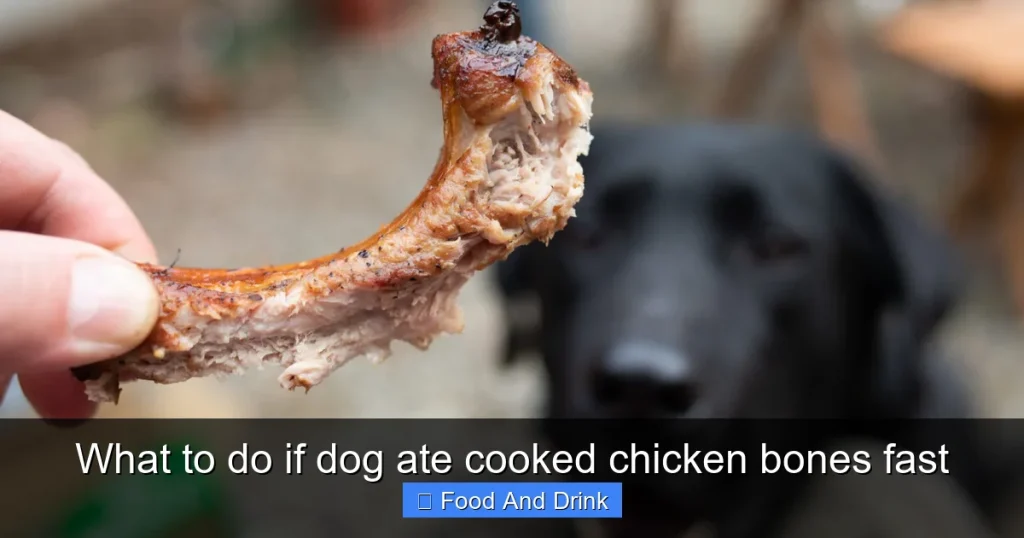

If your dog ate cooked chicken bones, don’t panic—but act fast. Cooked bones can splinter and cause serious internal injuries. Watch for symptoms like vomiting, gagging, or lethargy, and contact your vet immediately for guidance.
Key Takeaways
- Act quickly but calmly: Panicking won’t help your dog. Stay calm so you can assess the situation and take the right steps.
- Do not induce vomiting at home: This can cause more harm, especially if bones are already in the esophagus or stomach.
- Contact your veterinarian immediately: Even if your dog seems fine, bones can cause hidden damage. A vet can recommend X-rays or monitoring.
- Watch for warning signs: Symptoms like drooling, gagging, vomiting, diarrhea, or abdominal pain mean your dog needs urgent care.
- Prevent future incidents: Keep cooked bones out of reach and train your dog to avoid scavenging from trash or tables.
- Raw bones are not a safe alternative: While some advocate raw bones, they still pose choking and blockage risks and aren’t recommended without veterinary guidance.
- Know your dog’s size and breed: Small dogs are at higher risk for bone-related injuries due to their narrow digestive tracts.
Quick Answers to Common Questions
Can I make my dog vomit after eating chicken bones?
No, do not induce vomiting at home. This can cause sharp bone fragments to damage the esophagus or airway. Always consult your vet first.
How long after eating bones will my dog show symptoms?
Symptoms can appear within hours or take up to 72 hours. Some dogs show no signs at all until serious damage has occurred.
Are small dogs more at risk from chicken bones?
Yes, small dogs have narrower digestive tracts, making blockages and injuries more likely. They require extra caution.
Can cooked chicken bones dissolve in a dog’s stomach?
No, cooked bones do not dissolve. They can break into sharp pieces that cause internal damage.
What should I feed my dog after they ate chicken bones?
Follow your vet’s advice. A bland diet of boiled chicken (boneless) and rice may be recommended for a few days.
📑 Table of Contents
- What to Do If Your Dog Ate Cooked Chicken Bones Fast
- Why Cooked Chicken Bones Are Dangerous for Dogs
- Immediate Steps to Take After Your Dog Eats Cooked Chicken Bones
- Symptoms to Watch For After Bone Ingestion
- Veterinary Treatment Options
- How to Prevent Your Dog from Eating Cooked Chicken Bones
- Long-Term Care and Recovery
- Conclusion
What to Do If Your Dog Ate Cooked Chicken Bones Fast
It happens in a flash—your dog spots a piece of cooked chicken on the counter, leaps up, and swallows it whole, bones and all. Or maybe they snatch a chicken wing from the trash while you’re not looking. In that moment, your heart skips a beat. You know cooked chicken bones are dangerous, but what do you do next?
The truth is, cooked chicken bones are one of the most common—and most dangerous—items dogs accidentally eat. Unlike raw bones, which are softer and more pliable, cooked bones become brittle. When chewed or swallowed, they can easily splinter into sharp shards. These shards can puncture the mouth, throat, esophagus, stomach, or intestines. In severe cases, they can cause life-threatening blockages or internal bleeding.
But here’s the good news: knowing what to do if your dog ate cooked chicken bones fast can make all the difference. With the right knowledge and quick action, you can protect your furry friend from serious harm. This guide will walk you through every step—from immediate response to long-term prevention—so you’re prepared the next time curiosity strikes.
Why Cooked Chicken Bones Are Dangerous for Dogs
Visual guide about What to do if dog ate cooked chicken bones fast
Image source: yourdogadvisor.com
You might wonder why cooked chicken bones are so risky when dogs in the wild eat bones all the time. The key difference lies in how cooking changes the bone structure. When chicken bones are cooked—whether baked, grilled, or boiled—they lose moisture and become dry and brittle. This makes them prone to breaking into sharp, jagged pieces when chewed.
These sharp fragments can cause a range of problems as they travel through your dog’s digestive system. In the mouth or throat, they can cause cuts, swelling, or even choking. If they make it to the esophagus, they can get stuck and cause painful blockages. In the stomach or intestines, they can puncture the lining, leading to peritonitis—a severe, life-threatening infection.
Even if your dog seems fine right after eating the bones, danger may still be lurking. Internal injuries can take hours or even days to show symptoms. That’s why it’s crucial to act fast and monitor your dog closely.
Common Risks Associated with Cooked Chicken Bones
- Choking: Small bone fragments can get lodged in the throat, blocking airflow.
- Esophageal blockage: Bones can become stuck in the esophagus, causing pain, drooling, and difficulty swallowing.
- Gastric perforation: Sharp edges can poke holes in the stomach wall, leading to infection.
- Intestinal blockage: Bone pieces can obstruct the intestines, preventing food and waste from passing.
- Internal bleeding: Punctures in the digestive tract can cause bleeding that may not be immediately visible.
Why Raw Bones Aren’t a Safe Alternative
Some pet owners believe raw chicken bones are safer because they’re softer and less likely to splinter. While raw bones do pose a lower risk of breaking into sharp pieces, they’re not without danger. Raw bones can still cause choking, blockages, or dental damage. Additionally, they may carry harmful bacteria like Salmonella or E. coli, which can make both your dog and your family sick.
Veterinarians generally do not recommend giving any type of bone—cooked or raw—to dogs unless under strict supervision and with veterinary approval. Safer alternatives, like vet-approved chew toys or dental chews, are a much better option for satisfying your dog’s chewing instincts.
Immediate Steps to Take After Your Dog Eats Cooked Chicken Bones
Visual guide about What to do if dog ate cooked chicken bones fast
Image source: yourdogadvisor.com
When you realize your dog has eaten cooked chicken bones, your first instinct might be to panic. But staying calm is the most important thing you can do. Your dog can sense your stress, and a calm owner is better equipped to help.
The first step is to assess the situation. How many bones did your dog eat? Were they small pieces or large chunks? Did your dog chew them or swallow them whole? This information will help your vet determine the level of risk.
Next, do not try to induce vomiting at home. While it might seem like a good idea to get the bones out quickly, forcing your dog to vomit can cause more harm. If bones are already in the esophagus or stomach, vomiting could push sharp fragments deeper or cause them to tear tissue on the way back up.
Instead, contact your veterinarian or an emergency animal clinic right away. Explain what happened, including the type and amount of bones, your dog’s size and breed, and any symptoms you’ve noticed. Your vet may recommend bringing your dog in for an examination, or they might suggest monitoring at home if the risk is low.
What Not to Do
- Do not give your dog bread or milk: These old home remedies don’t work and can upset your dog’s stomach.
- Do not wait and see: Even if your dog seems fine, internal damage can occur without obvious signs.
- Do not use over-the-counter medications: Human pain relievers or anti-nausea drugs can be toxic to dogs.
- Do not let your dog exercise vigorously: Physical activity can increase the risk of bone fragments moving and causing injury.
When to Go to the Emergency Vet
Some situations require immediate veterinary attention. Take your dog to the emergency clinic if you notice any of the following:
- Your dog is choking or gagging
- They are drooling excessively or pawing at their mouth
- They are vomiting repeatedly
- They show signs of abdominal pain (whining, restlessness, hunched posture)
- They are lethargic or unresponsive
- They have difficulty breathing
Even if your dog appears normal, it’s still wise to call your vet. They may recommend an X-ray to check for bone fragments or blockages. Early detection can prevent serious complications.
Symptoms to Watch For After Bone Ingestion
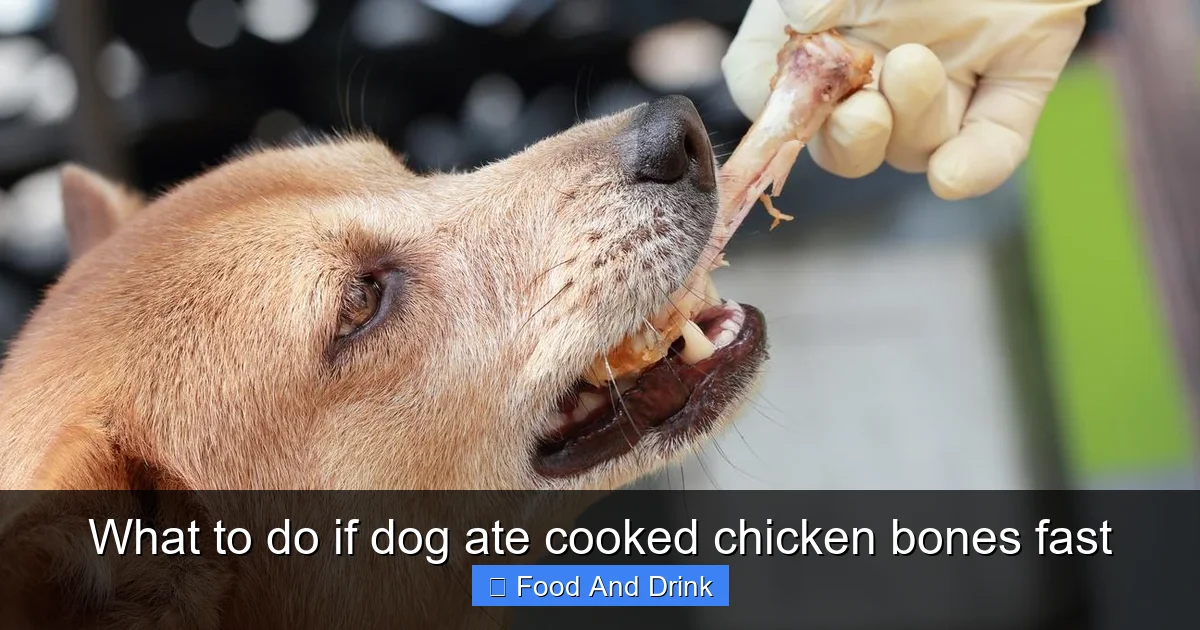
Visual guide about What to do if dog ate cooked chicken bones fast
Image source: assets-global.website-files.com
After your dog eats cooked chicken bones, the next 24 to 72 hours are critical. Many dogs show no symptoms at first, which can be misleading. But internal injuries can develop quietly, so close monitoring is essential.
Early Warning Signs (Within Hours)
- Drooling or foaming at the mouth: This can indicate pain in the mouth, throat, or esophagus.
- Gagging or retching: Your dog may try to vomit but can’t bring anything up.
- Difficulty swallowing: They may refuse food or water or seem hesitant to eat.
- Pawing at the mouth or face: This is a sign of discomfort or irritation.
- Lethargy or restlessness: Your dog may seem unusually tired or unable to settle.
Later Symptoms (Within 1–3 Days)
- Vomiting: This may include food, bile, or blood. Blood in vomit is a red flag.
- Diarrhea: Especially if it contains blood or looks dark and tarry.
- Loss of appetite: A sudden refusal to eat can signal internal pain.
- Abdominal tenderness: Your dog may whine or pull away when you touch their belly.
- Straining to defecate: This could indicate a blockage in the intestines.
- Dehydration: Signs include dry gums, sunken eyes, and reduced skin elasticity.
If you notice any of these symptoms, contact your vet immediately. Delaying treatment can lead to severe complications, including sepsis or organ failure.
How to Monitor Your Dog at Home
If your vet advises home monitoring, here’s how to do it safely:
- Check your dog’s gums every few hours—they should be pink and moist.
- Offer small amounts of water frequently to prevent dehydration.
- Feed a bland diet (boiled chicken and rice) in small portions if your dog is eating.
- Keep your dog calm and restrict activity to reduce the risk of injury.
- Note any changes in behavior, appetite, or bathroom habits.
Keep a log of symptoms and share it with your vet during follow-up calls.
Veterinary Treatment Options
If your dog needs veterinary care, your vet will assess the situation based on symptoms, physical examination, and diagnostic tests.
Diagnostic Tools
- Physical exam: The vet will check for signs of pain, swelling, or obstruction.
- X-rays: These can reveal bone fragments in the esophagus, stomach, or intestines.
- Ultrasound: Useful for detecting soft tissue injuries or fluid buildup.
- Blood tests: These can show signs of infection, inflammation, or internal bleeding.
Treatment Options
Depending on the severity, treatment may include:
- Endoscopy: A camera is used to locate and remove bones from the esophagus or stomach.
- Surgery: Required if bones have caused perforations or blockages in the intestines.
- IV fluids: To prevent dehydration and support recovery.
- Medications: Pain relievers, antibiotics, or anti-nausea drugs may be prescribed.
- Hospitalization: Some dogs need to stay overnight for monitoring and treatment.
The sooner treatment begins, the better the outcome. Most dogs recover fully with prompt care, but delays can lead to life-threatening complications.
How to Prevent Your Dog from Eating Cooked Chicken Bones
The best way to handle a crisis is to prevent it from happening in the first place. Here are practical tips to keep your dog safe:
Secure Your Trash
Dogs are natural scavengers. A chicken carcass in the trash is like a five-star meal to them. Use trash cans with secure, locking lids, and keep them in cabinets or behind closed doors. Consider using a trash can with a pedal or motion sensor to reduce temptation.
Supervise Meal Prep and Cleanup
Never leave cooked chicken unattended on counters, tables, or stovetops. Dogs can jump higher than you think. Clean up immediately after meals, and dispose of bones in a sealed container.
Train Your Dog
Teach your dog the “leave it” command. Practice with treats, gradually increasing difficulty. A well-trained dog is less likely to grab food when told no.
Use Safe Chew Alternatives
Provide your dog with vet-approved chew toys, rubber bones, or dental chews. These satisfy their need to chew without the risks of real bones.
Educate Your Family
Make sure everyone in the household understands the dangers of feeding cooked bones to dogs. Children, in particular, may not realize the risks and could accidentally share food.
Be Extra Cautious with Small Dogs
Small breeds like Chihuahuas, Dachshunds, or Toy Poodles are at higher risk because their digestive tracts are narrower. A small bone fragment that passes safely in a large dog could cause a blockage in a small one.
Long-Term Care and Recovery
After an incident, your dog may need time to recover—even if they seem fine. Follow your vet’s instructions carefully.
Dietary Adjustments
Your vet may recommend a bland diet for a few days to give the digestive system time to heal. Stick to boiled chicken (boneless) and white rice, and avoid fatty or spicy foods.
Activity Restrictions
Limit exercise and play until your vet gives the all-clear. Vigorous activity can stress healing tissues.
Follow-Up Appointments
Attend all scheduled check-ups. Your vet may want to repeat X-rays or blood tests to ensure full recovery.
Watch for Delayed Symptoms
Some injuries take days to appear. Continue monitoring your dog for a week or more after the incident.
Conclusion
If your dog ate cooked chicken bones fast, the most important thing is to act quickly and wisely. Stay calm, avoid home remedies, and contact your veterinarian right away. While the situation can be scary, most dogs recover fully with prompt care.
Remember, prevention is always better than treatment. Keep cooked bones out of reach, train your dog to avoid scavenging, and provide safe alternatives for chewing. By being proactive, you can protect your dog from this common but dangerous hazard.
Your dog relies on you to keep them safe. With the right knowledge and quick action, you can turn a potential crisis into a manageable situation—and keep your furry friend happy and healthy for years to come.
🎥 Related Video: DOGS CAN EAT COOKED CHICKEN BONES 🐔 #presacanario #DOGS #SHORTS #LOVE #dogsofyoutube #dogbreed
📺 NALA & SPECS
Frequently Asked Questions
Are cooked chicken bones dangerous for all dogs?
Yes, cooked chicken bones are dangerous for dogs of all sizes and breeds. Their brittle nature makes them prone to splintering and causing internal injuries.
Can I give my dog raw chicken bones instead?
Raw bones are not recommended either. They can still cause choking, blockages, or bacterial infections. Safer chew alternatives are available.
How soon should I call the vet after my dog eats chicken bones?
Contact your vet immediately, even if your dog seems fine. Early assessment can prevent serious complications.
Will my dog need surgery if they ate chicken bones?
Not always. Many dogs pass small fragments without issues. Surgery is only needed if there’s a blockage or perforation.
Can I use bread or milk to help my dog pass the bones?
No, these home remedies are ineffective and can upset your dog’s stomach. They do not prevent bone splintering or blockages.
What are the long-term effects of eating chicken bones?
Most dogs recover fully with proper care. However, severe cases can lead to chronic digestive issues or require ongoing treatment.


