



Roast chicken Chinese style is a beloved dish known for its crispy, golden skin and tender, flavorful meat. It’s marinated with a blend of soy sauce, five-spice, and other aromatic ingredients, then roasted to perfection—creating a savory, slightly sweet, and deeply satisfying meal that’s both comforting and impressive.
If you’ve ever walked past a Chinese restaurant and caught a whiff of something deeply savory, slightly sweet, and utterly mouthwatering—chances are, it was roast chicken Chinese style. This isn’t just any roasted chicken. It’s a culinary masterpiece that balances crispiness, tenderness, and bold flavor in every bite. From the golden, crackling skin to the juicy, aromatic meat beneath, this dish has earned its place as a staple in Chinese cuisine and a favorite among food lovers worldwide.
What makes roast chicken Chinese style so special isn’t just the ingredients—it’s the technique. Unlike Western roasting, which often relies on herbs and butter, Chinese-style roasting uses a carefully crafted marinade packed with soy sauce, rice wine, ginger, garlic, and the iconic five-spice powder. The result? A deeply flavorful bird that’s both succulent and richly seasoned. Whether you’re enjoying it at a bustling dim sum hall in Hong Kong or making it in your own kitchen, this dish delivers comfort and sophistication in equal measure.
Key Takeaways
- Distinctive flavor profile: Chinese roast chicken combines savory, sweet, and umami notes from ingredients like soy sauce, hoisin, and five-spice powder.
- <>Crispy skin, juicy meat: Achieved through proper marination, drying, and roasting techniques that lock in moisture while crisping the exterior.
- Versatile and widely loved: Found in homes, dim sum restaurants, and street food stalls across China and beyond.
- Traditional methods matter: Air-drying or using a fan before roasting is key to achieving that signature crackly skin.
- Easy to make at home: With the right marinade and oven technique, you can recreate authentic Chinese roast chicken in your kitchen.
- Cultural significance: Often served during festivals, family gatherings, and special occasions as a symbol of prosperity and unity.
Quick Answers to Common Questions
What makes Chinese roast chicken different from regular roasted chicken?
Chinese roast chicken uses a rich marinade with soy sauce, hoisin, five-spice, and aromatics, and is air-dried before roasting to achieve crispy skin and deep flavor—unlike plain roasted chicken.
Can I make roast chicken Chinese style in a regular oven?
Yes! While traditional methods use wood-fired ovens, a home oven at 375°F (190°C) works perfectly with proper marination and drying.
How long should I marinate the chicken?
At least 4 hours, but overnight marination delivers the best flavor and tenderness.
Why is my chicken skin not crispy?
Most likely, you skipped the drying step. Air-drying the chicken in the fridge for several hours is essential for crispy skin.
What can I serve with roast chicken Chinese style?
Steamed rice, pickled vegetables, congee, or a simple cucumber salad pair beautifully. Serve with a soy-vinegar dipping sauce.
📑 Table of Contents
What Is Roast Chicken Chinese Style?
Roast chicken Chinese style, often called *siu gai* (燒雞) in Cantonese, is a traditional roasted poultry dish that’s popular across various regions of China, especially in Cantonese cuisine. It’s characterized by its glossy, reddish-brown skin, tender meat, and complex flavor profile that blends salty, sweet, and aromatic notes. Unlike simple roasted chicken, this version is marinated for hours—sometimes overnight—and often air-dried before roasting to achieve that signature crispy exterior.
The dish is commonly found in Chinese barbecue shops (*siu mei* 燒味), where whole chickens are hung in display windows, glistening under heat lamps. They’re sold by weight or as part of a meal combo, often served with steamed rice, pickled vegetables, or a side of soy-based dipping sauce. But its appeal isn’t limited to takeout—many families prepare it at home for Sunday dinners, Lunar New Year feasts, or special celebrations.
What sets it apart from other roasted chickens is the marinade. While recipes can vary by region and family, the base typically includes light soy sauce for saltiness, dark soy sauce for color, hoisin sauce for sweetness, Shaoxing wine for depth, and a touch of five-spice powder for warmth and complexity. Some versions also include fermented bean curd, rock sugar, or even a splash of plum sauce. The chicken is usually stuffed with aromatics like ginger slices and scallions to infuse flavor from the inside out.
Origins and Regional Variations
The roots of roast chicken Chinese style can be traced back to southern China, particularly Guangdong Province, where Cantonese cuisine emphasizes fresh ingredients, balanced flavors, and meticulous cooking techniques. The *siu mei* tradition—roasting meats over open flames or in specialized ovens—has been around for centuries, with roast duck and char siu (barbecued pork) being the most famous examples. Roast chicken joined this family of roasted delicacies as a more accessible and equally delicious option.
Over time, the dish spread across China and into overseas Chinese communities, adapting to local tastes and ingredients. In northern China, you might find versions that use more garlic and less sugar, while in Sichuan, a spicy twist with chili oil or Sichuan peppercorns could be added. In Taiwan, some recipes incorporate red fermented tofu for a funkier, umami-rich flavor.
Despite these variations, the core principles remain the same: marinate deeply, dry thoroughly, and roast slowly to perfection. The goal is always the same—crispy skin that crackles when you bite into it, and meat that’s so juicy it practically melts in your mouth.
Why Is It So Delicious?
Visual guide about Whats Roast Chicken Chinese Style and Why Its So Delicious
Image source: img.sndimg.com
There’s a reason roast chicken Chinese style has such a devoted following—it’s not just tasty, it’s *irresistibly* delicious. The magic lies in the harmony of textures and flavors, each element working together to create a dish that’s greater than the sum of its parts.
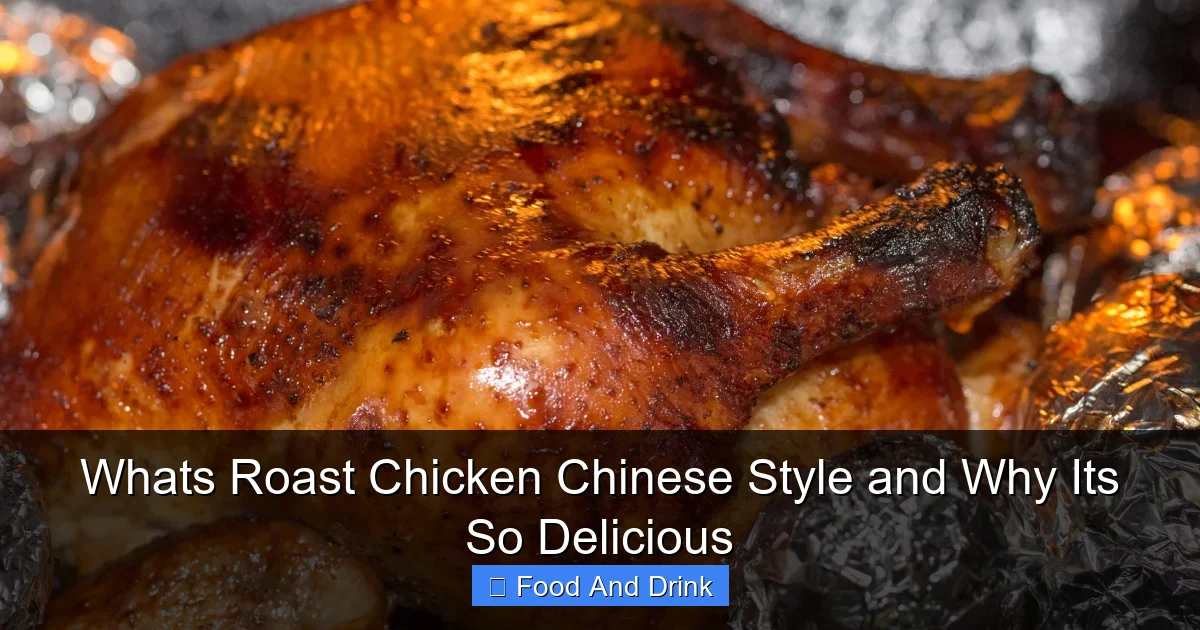
First, there’s the **skin**. When done right, it’s paper-thin, golden, and shatteringly crisp—like the best part of a pork crackling, but on chicken. This crispiness comes from a combination of marination, air-drying, and roasting at high heat. The marinade not only seasons the skin but also helps draw out moisture, which is key to achieving that crunch. After marinating, the chicken is often left uncovered in the fridge for several hours (or overnight) to dry the skin. This step is non-negotiable—skip it, and you’ll end up with soggy skin no matter how hot your oven is.
Then there’s the **meat**. Unlike dry, overcooked roasted chicken you might find at a supermarket, Chinese-style roast chicken is incredibly juicy and tender. This is thanks to the marinade, which not only flavors the meat but also helps retain moisture during cooking. The use of soy sauce and other liquid ingredients creates a brine-like effect, keeping the chicken succulent even after roasting. Plus, the slow, steady heat allows the fat to render gradually, basting the meat from within.
But what really sets it apart is the **flavor**. The marinade is a symphony of umami, sweetness, and spice. Soy sauce brings the salty depth, hoisin adds a rich, molasses-like sweetness, and five-spice powder delivers a warm, slightly peppery complexity with notes of star anise, cloves, and cinnamon. Ginger and garlic add a bright, aromatic kick, while rice wine lifts everything with a subtle fruitiness. When these ingredients penetrate the meat and caramelize during roasting, they create a glossy, flavorful crust that clings to every bite.
The Role of Five-Spice Powder
No discussion of roast chicken Chinese style is complete without mentioning five-spice powder. This blend of ground spices—typically star anise, cloves, Chinese cinnamon, Sichuan pepper, and fennel seeds—is the secret weapon behind the dish’s distinctive aroma and taste. It’s not overpowering; instead, it adds a balanced warmth that complements the other ingredients without dominating them.
In roast chicken, five-spice powder does more than just flavor the meat—it helps create that beautiful red-brown color on the skin. When combined with soy sauce and hoisin, it reacts during roasting to form a glossy, caramelized glaze. Some recipes even call for a post-roast glaze made with reduced marinade or additional hoisin, which enhances both flavor and appearance.
If you can’t find pre-made five-spice powder, you can make your own by toasting and grinding the individual spices. But for convenience, store-bought versions work just fine—just make sure they’re fresh and aromatic.
How Is It Traditionally Prepared?

Visual guide about Whats Roast Chicken Chinese Style and Why Its So Delicious
Image source: rasamalaysia.com
Making roast chicken Chinese style at home might seem intimidating, but with the right steps, it’s surprisingly achievable. The process involves three main stages: marinating, drying, and roasting. Each step is crucial to achieving that restaurant-quality result.
Step 1: Marinate the Chicken
Start with a whole chicken, preferably free-range or organic for better flavor and texture. Pat it dry with paper towels—this helps the marinade adhere better. Then, using a sharp knife, make shallow cuts in the skin over the breast and thighs. This allows the marinade to penetrate deeper and helps render fat more evenly during cooking.
For the marinade, combine:
– 3 tablespoons light soy sauce
– 1 tablespoon dark soy sauce (for color)
– 2 tablespoons hoisin sauce
– 1 tablespoon Shaoxing wine (or dry sherry)
– 1 tablespoon honey or rock sugar
– 1 teaspoon five-spice powder
– 1 teaspoon grated ginger
– 2 cloves minced garlic
– 1 teaspoon sesame oil (optional, for aroma)
Mix well, then rub the marinade all over the chicken, making sure to get it under the skin and into the cuts. Stuff the cavity with a few slices of ginger and green onion. Place the chicken in a large zip-top bag or covered dish and refrigerate for at least 4 hours—preferably overnight. The longer it marinates, the more flavorful it will be.
Step 2: Dry the Chicken
This is the step most home cooks skip—and it’s the reason their chicken skin turns out soft instead of crispy. After marinating, remove the chicken from the fridge and let it come to room temperature for about 30 minutes. Then, place it on a wire rack set over a baking sheet (to allow air circulation) and refrigerate, uncovered, for 4 to 12 hours. This drying process removes surface moisture, which is essential for crispy skin.
If you’re short on time, you can use a fan to speed up drying. Place the chicken in front of a fan in a cool, dry place for 2–3 hours. Some chefs even use a blow dryer on the cool setting to dry the skin quickly—just be careful not to overheat it.
Step 3: Roast the Chicken
Preheat your oven to 375°F (190°C). Remove the chicken from the fridge and let it sit for 15–20 minutes to take the chill off. If desired, brush the skin with a little extra hoisin or honey mixed with water to enhance browning and gloss.
Place the chicken breast-side up on a roasting rack in a pan. Roast for about 1 hour and 15 minutes, or until the internal temperature reaches 165°F (74°C) in the thickest part of the thigh (avoiding the bone). For extra crispiness, you can increase the heat to 425°F (220°C) for the last 10 minutes of cooking.
Let the chicken rest for 10–15 minutes before carving. This allows the juices to redistribute, ensuring every slice is moist and flavorful.
Serving Suggestions and Pairings

Visual guide about Whats Roast Chicken Chinese Style and Why Its So Delicious
Image source: rasamalaysia.com
Roast chicken Chinese style is incredibly versatile and pairs well with a variety of sides and sauces. In traditional settings, it’s often served with steamed jasmine rice, which soaks up the delicious drippings. A simple cucumber and radish salad or pickled vegetables (like *suan cai* or pickled daikon) provide a refreshing contrast to the rich, savory chicken.
For dipping, a classic sauce made from soy sauce, rice vinegar, minced garlic, and a touch of chili oil works beautifully. Some people also enjoy it with plum sauce or a spicy hoisin-based dip.
It’s also common to serve roast chicken with congee (rice porridge) for a comforting, hearty meal. The tender meat shreds easily and adds protein and flavor to the mild porridge.
Modern Twists and Fusion Ideas
While traditional roast chicken Chinese style is perfect as is, modern cooks have found creative ways to reinvent it. Some chefs brine the chicken in a soy-based solution before marinating for extra juiciness. Others add a splash of orange juice or zest to the marinade for a citrusy twist.
You can also use the leftovers in creative ways—shred the meat for fried rice, toss it into a noodle soup, or use it in a Chinese-style Caesar salad with crispy wonton strips and a ginger-soy dressing.
Cultural Significance and Occasions
In Chinese culture, food is deeply tied to tradition, family, and celebration. Roast chicken Chinese style is more than just a meal—it’s a symbol of abundance and togetherness. It’s commonly served during Lunar New Year, where whole roasted chickens represent prosperity and completeness. Families gather around the table, sharing dishes that have been passed down through generations.
It’s also a staple at weddings, birthdays, and holiday feasts. In many households, making roast chicken is a weekend ritual—a way to slow down, cook with love, and enjoy time with loved ones. The aroma that fills the kitchen as it roasts is almost as comforting as the meal itself.
Even in everyday life, roast chicken holds a special place. It’s a go-to comfort food, a reliable takeout order, and a dish that brings people together. Whether you’re celebrating a milestone or just craving something delicious, roast chicken Chinese style delivers.
Tips for Perfect Roast Chicken Chinese Style at Home
Want to nail this dish in your own kitchen? Here are some expert tips to ensure success:
- Use a meat thermometer: This is the best way to avoid overcooking. Aim for 165°F (74°C) in the thigh.
- Don’t skip the drying step: Crispy skin starts with dry skin. Patience pays off.
- Choose the right chicken: A 3–4 pound (1.4–1.8 kg) chicken works best—large enough to stay juicy, small enough to roast evenly.
- Baste with care: Avoid opening the oven too often, but a light brush of marinade or oil halfway through can enhance browning.
- Let it rest: Resting is crucial for juicy meat. Don’t carve it right out of the oven.
- Experiment with glazes: Try a post-roast glaze of reduced hoisin and honey for extra shine and flavor.
Conclusion
Roast chicken Chinese style is more than just a dish—it’s an experience. From the first whiff of the marinade to the satisfying crunch of the skin and the burst of flavor in every bite, it’s a meal that delights all the senses. Its combination of crispy texture, juicy meat, and complex flavors makes it one of the most delicious and beloved preparations of chicken in the world.
Whether you’re enjoying it at a bustling market in Guangzhou or making it in your own kitchen, this dish connects you to centuries of culinary tradition. It’s a testament to the power of simple ingredients, careful technique, and a deep love for good food. So the next time you’re craving something comforting, flavorful, and truly special, reach for roast chicken Chinese style—you won’t be disappointed.
Frequently Asked Questions
Is roast chicken Chinese style spicy?
Not typically. The flavor is savory, sweet, and aromatic, with warmth from five-spice powder—but not spicy. However, some regional versions may include chili.
Can I use chicken parts instead of a whole chicken?
Yes, you can roast chicken thighs or drumsticks using the same marinade. Adjust cooking time—smaller pieces may take 45–60 minutes.
What’s the best way to store leftovers?
Store in an airtight container in the fridge for up to 3 days. Reheat in the oven at 350°F (175°C) to maintain crispiness.
Can I freeze roast chicken Chinese style?
Yes, but freeze it before roasting for best results. Thaw, dry, and roast as usual. Fully cooked chicken can be frozen but may lose some crispiness.
What’s the difference between roast chicken and char siu?
Char siu is barbecued pork, while roast chicken is poultry. Both use similar marinades and roasting techniques, but char siu is sweeter and often red from food coloring.
Is five-spice powder necessary?
It’s not absolutely required, but it adds the signature aromatic depth. If you don’t have it, you can substitute with a mix of cinnamon, cloves, and star anise.


