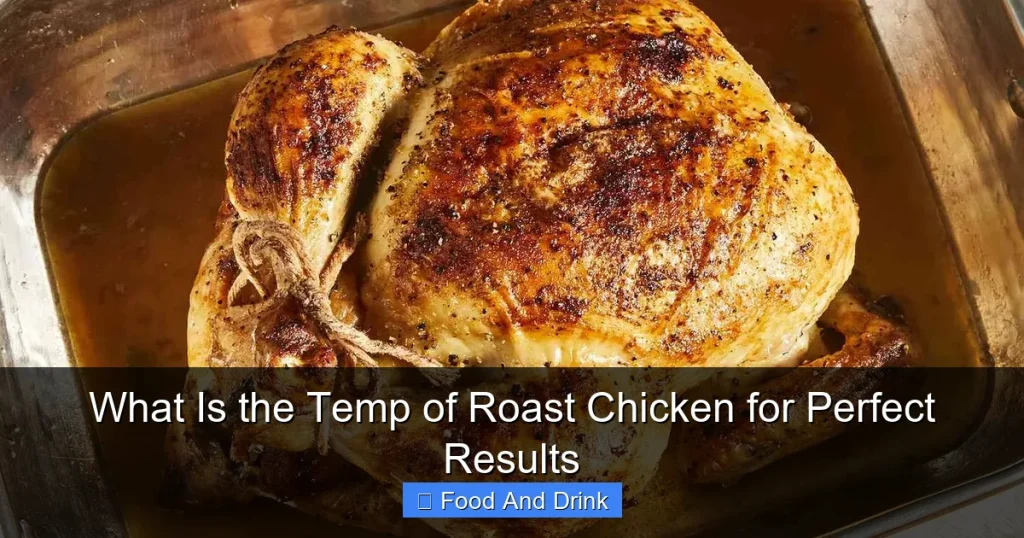

Roasting the perfect chicken starts with knowing the right internal temperature. For safe and delicious results, cook chicken to an internal temp of 165°F (74°C), but pull it out at 160°F (71°C) to avoid dryness. This guide covers everything from thermometer use to resting times for flawless roast chicken.
Key Takeaways
- Target internal temperature: Cook roast chicken to 165°F (74°C) for food safety, but remove from oven at 160°F (71°C) to retain moisture.
- Use a reliable meat thermometer: Insert it into the thickest part of the thigh, avoiding bone, for the most accurate reading.
- Resting is essential: Let the chicken rest for 15–20 minutes after roasting so juices redistribute and the final temp rises to 165°F.
- Roasting temperature matters: Most recipes use 375°F (190°C) for even cooking and crispy skin, but higher temps (425°F/220°C) can speed up browning.
- Size affects cooking time: A 4–5 lb chicken typically takes 1.5–2 hours at 375°F, but always rely on temperature, not time.
- Brining improves juiciness: Wet or dry brining before roasting helps the meat retain moisture, especially important when cooking to higher temps.
- Carryover cooking is real: The internal temp can rise 5–10°F after removal from the oven, so timing is key to avoiding overcooking.
Quick Answers to Common Questions
What is the safe internal temperature for roast chicken?
The USDA recommends cooking roast chicken to an internal temperature of 165°F (74°C) to ensure food safety and eliminate harmful bacteria.
Can I pull the chicken out before it reaches 165°F?
Yes, you can remove it at 160°F (71°C). The internal temperature will rise 5–10°F during resting, reaching 165°F safely.
Where should I insert the thermometer in a roast chicken?
Insert it into the thickest part of the thigh, avoiding the bone, for the most accurate reading.
How long should I let roast chicken rest?
Let it rest for 15–20 minutes after roasting. This allows juices to redistribute and the internal temperature to stabilize.
Does brining affect the cooking temperature?
Brining doesn’t change the target temperature, but it helps the meat retain moisture, making it more forgiving if slightly overcooked.
📑 Table of Contents
- What Is the Temp of Roast Chicken for Perfect Results
- Why Temperature Matters in Roasting Chicken
- What Is the Ideal Internal Temperature for Roast Chicken?
- How to Measure the Temperature Accurately
- Roasting Techniques and How They Affect Temperature
- Resting: The Final Step for Perfect Temp
- Troubleshooting Common Roasting Problems
- Conclusion
What Is the Temp of Roast Chicken for Perfect Results
There’s something deeply satisfying about pulling a golden, crispy-skinned roast chicken from the oven. The aroma fills the kitchen, the skin crackles under the fork, and the meat is tender and juicy. But achieving that perfect roast isn’t just about seasoning or basting—it’s about temperature. Knowing the exact temp of roast chicken is the secret to consistent, restaurant-quality results at home.
Whether you’re a weekend cook or a seasoned home chef, understanding how temperature affects your roast chicken can transform your meals. Too low, and the chicken is undercooked and unsafe. Too high, and you end up with dry, stringy meat. The key lies in mastering the internal temperature, using the right tools, and knowing when to take the chicken out of the oven. This guide will walk you through everything you need to know—from the science behind safe cooking temperatures to practical tips for juicy, flavorful results every time.
Why Temperature Matters in Roasting Chicken

Visual guide about What Is the Temp of Roast Chicken for Perfect Results
Image source: recipeler.com
Cooking chicken isn’t just about making it taste good—it’s also about making it safe to eat. Chicken can harbor harmful bacteria like Salmonella and Campylobacter, which are only eliminated when the meat reaches a high enough internal temperature. That’s why the temp of roast chicken is so critical.
But safety isn’t the only reason to pay attention to temperature. The way heat penetrates the meat affects texture, moisture, and flavor. Chicken breast, for example, dries out quickly because it’s lean. The thigh, on the other hand, is darker meat with more fat and connective tissue, so it stays juicy longer. Balancing these differences means understanding how temperature impacts each part.
When you roast a whole chicken, the goal is to cook it evenly so that both the breast and thighs are done at the same time. This is tricky because the breast cooks faster. If you wait for the breast to reach 165°F, the thighs might be overcooked. But if you pull the chicken out when the thighs are done, the breast might be undercooked. The solution? Use a thermometer and aim for the right internal temp in the right spot.
The Science of Safe Cooking
The USDA recommends cooking poultry to an internal temperature of 165°F (74°C) to ensure all harmful bacteria are destroyed. This temperature is based on extensive food safety research and is considered the gold standard for home and professional kitchens alike.
But here’s the catch: chicken doesn’t instantly become unsafe below 165°F. In fact, if chicken reaches 160°F (71°C) and is held at that temperature for a few minutes, it can still be safe. This is because bacteria are killed over time, not just by hitting a specific number. However, for simplicity and consistency, most home cooks aim for 165°F as the final internal temp.
The real magic happens when you understand carryover cooking. When you remove chicken from the oven, the internal temperature continues to rise due to residual heat. This means if you pull the chicken out at 160°F, it can easily reach 165°F during the resting period. That’s why many chefs recommend removing the chicken from the oven at 160°F—especially for the breast—to prevent overcooking.
Texture and Moisture: The Role of Temperature
Temperature doesn’t just affect safety—it also determines how your chicken feels in your mouth. Chicken meat is made up of muscle fibers that contract when heated. As the temperature rises, these fibers tighten and squeeze out moisture. That’s why overcooked chicken is dry and tough.
The ideal internal temp of roast chicken balances doneness with moisture retention. At around 160°F, the proteins in the meat have denatured enough to be safe and tender, but not so much that they’ve expelled all their juices. If you go beyond 170°F, especially in the breast, you’re likely to end up with dry meat.
Fat and connective tissue also play a role. Dark meat, like thighs and drumsticks, contains more fat and collagen, which break down into gelatin during roasting. This process happens best between 160°F and 180°F, giving dark meat its rich, succulent texture. That’s why thighs can handle higher temps than breasts without drying out.
What Is the Ideal Internal Temperature for Roast Chicken?
Visual guide about What Is the Temp of Roast Chicken for Perfect Results
Image source: mykitchen.co.za
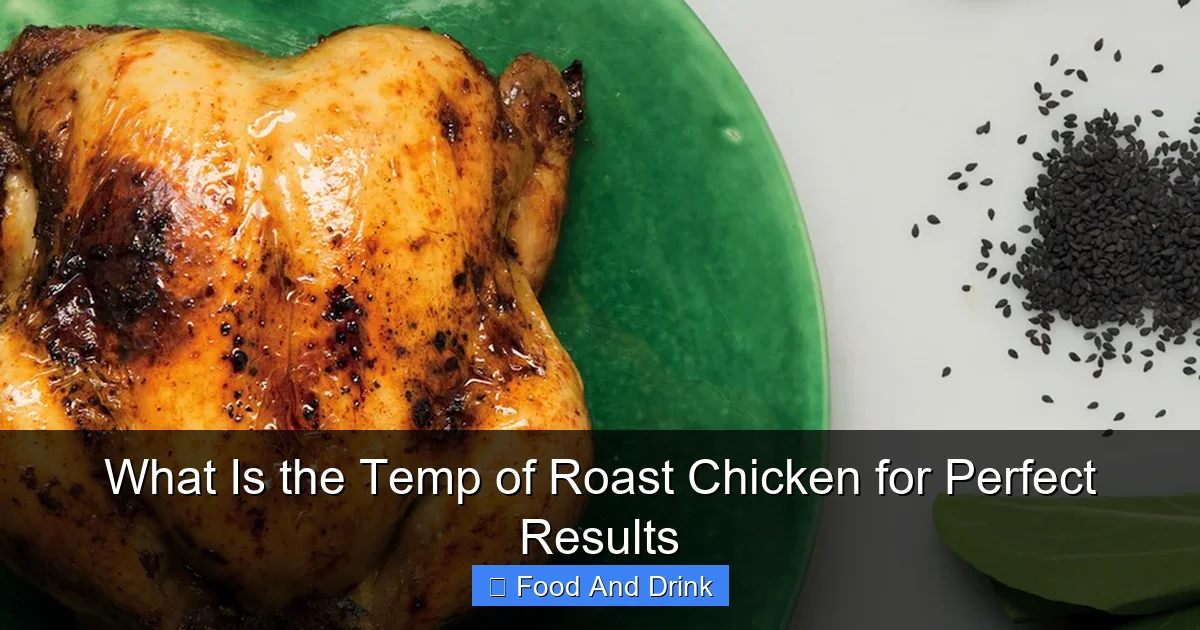
So, what is the temp of roast chicken for perfect results? The short answer: 165°F (74°C) measured in the thickest part of the thigh, avoiding bone.
But let’s break that down. The thigh is the best spot to check because it’s the last part to cook and the most forgiving. The breast cooks faster and dries out more easily, so if you base your doneness on the breast, you risk overcooking the thighs. By checking the thigh, you ensure the entire bird is safe and juicy.
Here’s how to do it right:
1. Use a reliable instant-read meat thermometer.
2. Insert the probe into the thickest part of the thigh, making sure it doesn’t touch the bone.
3. Wait for the reading to stabilize.
4. If it’s 160°F, remove the chicken from the oven. It will continue to cook to 165°F during resting.
Some chefs also recommend checking the breast, especially if you’re concerned about dryness. The breast should read around 160°F when removed from the oven. But again, the thigh is your best guide for the whole bird.
Why 165°F Is the Magic Number
The 165°F guideline comes from food safety experts who’ve studied how long it takes to kill harmful bacteria at different temperatures. At 165°F, Salmonella and other pathogens are destroyed almost instantly. This makes it the safest target for home cooks who want to eliminate risk.
But as mentioned earlier, you don’t always need to hit 165°F inside the oven. Thanks to carryover cooking, the internal temp will rise 5–10°F after removal. So pulling the chicken out at 160°F gives you a buffer. This is especially helpful for larger birds, which retain more heat.
For example, if you have a 5-pound chicken roasting at 375°F, it might reach 160°F in the thigh after 1 hour and 45 minutes. If you leave it in until 165°F, it could easily climb to 170°F or higher during resting—leading to dry meat. By pulling it out early, you protect the juiciness.
Different Cuts, Different Temps
While a whole roast chicken is usually checked at the thigh, different cuts have slightly different ideal temps:
– Boneless, skinless breast: 160°F (remove at 155°F)
– Bone-in, skin-on breast: 165°F
– Thighs and drumsticks: 175°F–180°F (for optimal tenderness)
– Wings: 165°F
These variations exist because of fat content, muscle structure, and cooking time. Dark meat benefits from higher temps because the collagen breaks down into gelatin, making it more tender. Breast meat, being lean, should be cooked to a lower final temp to stay moist.
If you’re roasting a spatchcocked chicken (butterflied), the cooking time is shorter, and the breast may cook faster than the thighs. In this case, use a dual-probe thermometer or check both areas.
How to Measure the Temperature Accurately
Visual guide about What Is the Temp of Roast Chicken for Perfect Results
Image source: images.squarespace-cdn.com
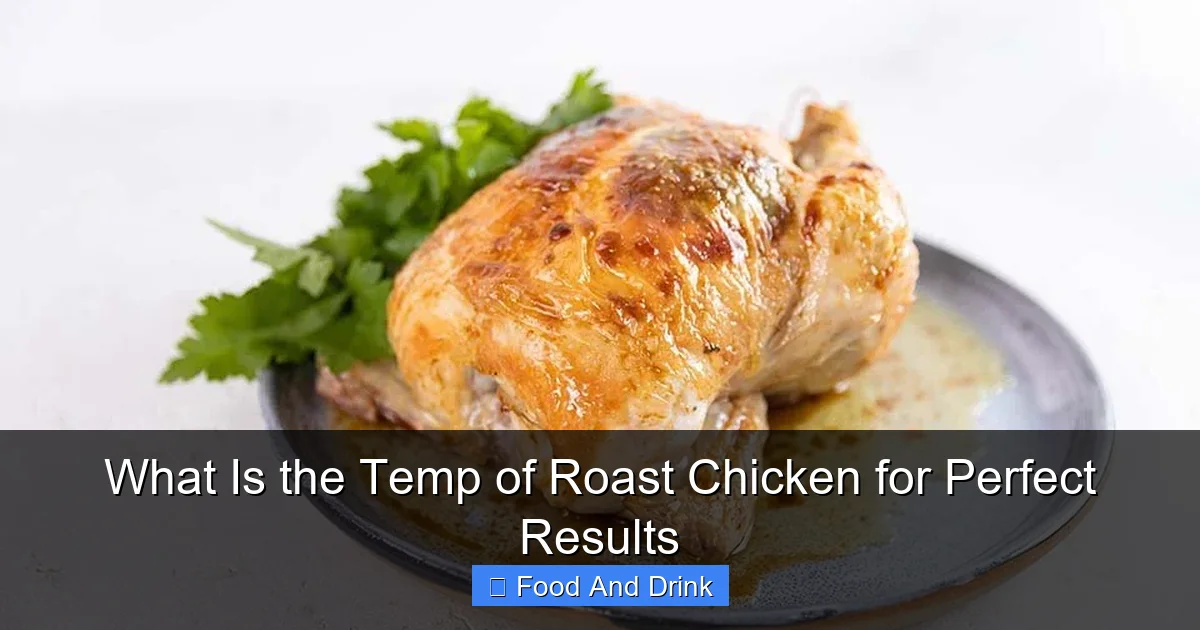
Knowing the right temp of roast chicken is one thing—measuring it correctly is another. A good thermometer is your best friend in the kitchen, but only if you use it properly.
Choosing the Right Thermometer
There are several types of thermometers on the market, but for roasting chicken, an instant-read digital thermometer is ideal. These are fast, accurate, and easy to use. Look for one that reads within 1–2 seconds and has a probe that’s long enough to reach the center of the meat.
Avoid analog dial thermometers—they’re slower and less precise. Oven-safe probe thermometers are great for long roasts because you can monitor the temp without opening the door, but they’re not as quick for spot checks.
Some popular models include the ThermoPop, Thermapen, and Lavatools JX. These are widely used by home cooks and professionals alike.
Where to Insert the Thermometer
The key to an accurate reading is placement. Insert the probe into the thickest part of the thigh, about halfway between the drumstick and the joint. Make sure it doesn’t touch the bone, as bone conducts heat differently and can give a false reading.
If you’re checking the breast, insert the probe from the side, aiming for the center. Again, avoid the bone.
For whole chickens, it’s best to check both the thigh and breast if you’re unsure. But remember: the thigh is the best indicator of overall doneness.
Common Mistakes to Avoid
Even with a good thermometer, mistakes happen. Here are a few to watch out for:
– Checking too early: If you check the temp before the chicken has had time to cook evenly, you might get a misleading reading.
– Touching the bone: Bone heats up faster than meat, so a reading taken against the bone will be higher than the actual meat temp.
– Not calibrating your thermometer: Over time, thermometers can drift. Test yours in ice water (should read 32°F) or boiling water (212°F at sea level) to ensure accuracy.
– Opening the oven too often: Every time you open the door, heat escapes, which can affect cooking time and temperature.
Roasting Techniques and How They Affect Temperature
The temp of roast chicken isn’t just about the final internal number—it’s also influenced by how you roast it. Different techniques can speed up cooking, improve browning, or help retain moisture.
Low and Slow vs. High Heat
Most traditional roast chicken recipes call for an oven temperature of 375°F (190°C). This is a sweet spot: hot enough to brown the skin and cook the meat evenly, but not so hot that the outside burns before the inside is done.
But some chefs prefer high-heat roasting—425°F (220°C) or even 450°F (230°C). This method crisps the skin quickly and reduces overall cooking time. The higher heat also helps render fat from the skin, making it extra crispy.
The downside? High heat can cause the breast to dry out if not monitored closely. To combat this, some cooks use the “reverse sear” method: start at a low temp (like 275°F) to gently cook the meat, then finish at high heat to crisp the skin.
Spatchcocking for Even Cooking
Spatchcocking—removing the backbone and flattening the chicken—is a game-changer for even cooking. It exposes more surface area to heat, so the breast and thighs cook at a similar rate. This reduces the risk of overcooking the breast while waiting for the thighs to reach the right temp.
Spatchcocked chickens also roast faster, usually in 45–60 minutes at 425°F. Because the meat is closer to the heat source, the skin gets extra crispy.
Brining and Its Impact on Temperature
Brining—soaking the chicken in salted water—helps the meat retain moisture during cooking. This is especially helpful when roasting to higher temps, as brined chicken is less likely to dry out.
Wet brining involves submerging the chicken in a saltwater solution (often with sugar and aromatics) for 4–12 hours. Dry brining is simpler: just rub salt all over the chicken and let it sit uncovered in the fridge for several hours or overnight.
Brined chicken can handle slightly higher internal temps without drying out, giving you more flexibility. But you still need to monitor the temp carefully.
Resting: The Final Step for Perfect Temp
One of the most overlooked steps in roasting chicken is resting. After you pull the chicken from the oven, it needs time to rest—usually 15–20 minutes. During this time, the internal temperature continues to rise due to carryover cooking, and the juices redistribute throughout the meat.
Why Resting Matters
When meat cooks, the proteins contract and push moisture toward the center. If you carve the chicken immediately, those juices will spill out, leaving the meat dry. Resting allows the fibers to relax and reabsorb the moisture.
Resting also ensures the final internal temp reaches 165°F. If you remove the chicken at 160°F, it can climb to 165°F or slightly higher during this time—perfect for safety and texture.
How to Rest Properly
To rest your roast chicken:
1. Remove it from the oven and transfer it to a cutting board or platter.
2. Tent loosely with aluminum foil. Don’t wrap tightly—this can steam the skin and make it soggy.
3. Let it rest for 15–20 minutes. Larger birds may need up to 30 minutes.
4. Carve and serve.
Some cooks also baste the chicken with pan juices during resting to add extra flavor and moisture.
Troubleshooting Common Roasting Problems
Even with the right temp of roast chicken, things can go wrong. Here’s how to fix common issues:
Dry Breast Meat
This is the most common complaint. The breast cooks faster than the thighs, so it’s easy to overcook. Solutions:
– Use a brine to increase moisture retention.
– Tent the breast with foil during the first half of roasting.
– Remove the chicken from the oven at 160°F and let carryover cooking finish the job.
– Consider spatchcocking for more even cooking.
Pale or Soggy Skin
Crispy skin requires dry heat and fat rendering. If your skin isn’t crispy:
– Pat the chicken very dry before seasoning.
– Dry brine and leave uncovered in the fridge overnight.
– Roast at a higher temperature (425°F or more).
– Don’t cover the chicken while resting.
Undercooked Thighs
If the thighs aren’t tender, they may need more time. Try:
– Increasing the roasting time slightly.
– Cooking at a lower temp for longer (e.g., 325°F for 2–2.5 hours).
– Using a meat thermometer to ensure they reach 175°F–180°F for optimal tenderness.
Overcooked and Dry All Over
This usually means the chicken was left in too long or at too high a temp. Prevent it by:
– Using a thermometer and removing at 160°F.
– Avoiding oven temps above 450°F unless using a reverse sear.
– Brining the chicken beforehand.
Conclusion
Mastering the temp of roast chicken is the foundation of a perfect roast. By aiming for an internal temperature of 165°F—removing the chicken at 160°F to account for carryover cooking—you ensure safety, juiciness, and flavor. Use a reliable thermometer, check the thigh, and let the bird rest. Combine that with smart techniques like brining, spatchcocking, or high-heat roasting, and you’ll have a golden, crispy, tender roast chicken every time.
Remember, time and size matter, but temperature is king. Don’t rely on cooking times alone—always check the internal temp. With practice, you’ll develop an instinct for when your chicken is done, but the thermometer will always be your most trusted guide.
So the next time you’re planning a family dinner or hosting guests, keep this guide handy. The perfect roast chicken isn’t just about seasoning or presentation—it’s about precision, patience, and knowing exactly when to take it out of the oven. And now, you do.
Frequently Asked Questions
Is it safe to eat chicken at 160°F?
Yes, if held at 160°F for a few minutes, chicken can be safe. However, most experts recommend 165°F for immediate safety and consistency.
Can I use a meat thermometer on a whole chicken?
Absolutely. An instant-read thermometer is the best tool for checking the internal temperature of a roast chicken.
Why is my roast chicken dry?
Dryness is usually caused by overcooking. Remove the chicken at 160°F and use brining or basting to retain moisture.
Should I roast chicken covered or uncovered?
Always roast uncovered to allow the skin to crisp. Covering traps steam and prevents browning.
How do I know if my thermometer is accurate?
Test it in ice water (should read 32°F) or boiling water (212°F at sea level). Calibrate if needed.
Can I roast chicken at 400°F?
Yes, roasting at 400°F (200°C) is fine and can help crisp the skin faster. Just monitor the internal temperature closely.