


Roasted chicken is slow-cooked in an oven with dry heat, resulting in juicy meat and crispy skin, while broasted chicken is pressure-fried with steam and oil for extra tenderness and crunch. Though both are delicious, they differ in technique, equipment, and final texture—making each ideal for different occasions and preferences.
If you’ve ever stood in front of a menu wondering whether to order roasted or broasted chicken, you’re not alone. Both sound delicious, both promise tender meat and golden skin, and both have loyal fans. But despite their similarities, roasted and broasted chicken are actually quite different—not just in name, but in how they’re made, how they taste, and how they feel in your mouth.
At first glance, the difference might seem minor. After all, both involve cooking chicken until it’s fully done and flavorful. But dig a little deeper, and you’ll find that the methods behind each style are worlds apart. Roasted chicken is a classic, time-honored technique that relies on dry, consistent heat from an oven. It’s the kind of dish your grandmother might have made for Sunday dinner—simple, comforting, and full of rich, savory flavor. Broasted chicken, on the other hand, is a modern twist on fried chicken, using a special pressurized cooking method that combines frying with steaming. The result? A chicken that’s crispy on the outside, juicy on the inside, and cooked in a fraction of the time.
Understanding the difference between roasted and broasted chicken isn’t just about satisfying curiosity—it’s about making better choices in the kitchen and at restaurants. Whether you’re planning a holiday feast, trying to eat healthier, or just craving something crispy and satisfying, knowing which method delivers what you want can make all the difference. So let’s break it down, step by step, and explore what sets these two popular chicken styles apart.
Key Takeaways
- Cooking Method: Roasted chicken uses dry oven heat; broasted chicken uses pressurized frying with oil and steam.
- Texture & Flavor: Roasted chicken has crispy skin and moist meat; broasted chicken is ultra-tender with a shatteringly crisp crust.
- Equipment Needed: Roasting requires an oven; broasting needs a specialized pressure fryer.
- Prep Time: Roasting takes longer (1–2 hours); broasting is faster (15–25 minutes).
- Oil Usage: Roasting uses minimal oil; broasting submerges chicken in oil under pressure.
- Best For: Roasting suits family dinners; broasting excels in fast-casual or crispy chicken cravings.
- Health Considerations: Roasted chicken is generally lower in fat; broasted chicken absorbs more oil but stays juicy.
Quick Answers to Common Questions
Is broasted chicken the same as fried chicken?
No, broasted chicken is pressure-fried with steam, making it juicier and less greasy than traditional fried chicken, which is open-fried.
Can I roast chicken in a pressure cooker?
You can cook chicken in a pressure cooker, but it won’t roast—it will steam or braise. For roasting, use an oven for dry heat and crispy skin.
Does broasted chicken absorb a lot of oil?
It absorbs some oil, but less than regular frying because the pressure helps drain excess. Still, it’s richer than roasted chicken.
What temperature do you roast a whole chicken?
Most recipes call for 350°F to 425°F (175°C to 220°C). Higher heat gives crispier skin; lower heat ensures even cooking.
Can you make broasted chicken without a pressure fryer?
You can approximate it with a sealable pot and careful monitoring, but results may vary. A dedicated pressure fryer gives the best outcome.
📑 Table of Contents
What Is Roasted Chicken?
Roasted chicken is one of the most beloved dishes in home cooking. It’s a staple in cuisines around the world, from American Sunday roasts to French poulet rôti and Italian pollo al forno. At its core, roasting involves cooking chicken in an oven using dry, ambient heat. The process slowly renders fat, crisps the skin, and allows the meat to absorb herbs, spices, and aromatics like garlic, onions, and citrus.
How Roasting Works
Roasting relies on convection and radiant heat. When you place a chicken in a preheated oven—typically between 350°F and 425°F (175°C to 220°C)—the outside begins to brown and crisp while the inside slowly cooks through. The dry environment helps form a golden, crackly skin, especially if the chicken is patted dry before seasoning. Over time, the natural juices in the meat redistribute, keeping it moist and flavorful.
One of the key advantages of roasting is control. You can adjust the temperature, cooking time, and seasoning to suit your taste. Some people roast at a low temperature for several hours to ensure even cooking, while others use a high-heat method to get extra-crispy skin. Basting with butter or pan juices can add richness, and stuffing the cavity with aromatics infuses the meat with subtle flavor from the inside out.
Popular Roasting Techniques
There are several ways to roast a chicken, each with its own benefits:
– **Spatchcocking:** This involves removing the backbone and flattening the chicken so it cooks more evenly and faster. It’s great for grilling or roasting on a sheet pan.
– **Trussing:** Tying the legs and wings close to the body helps the chicken cook uniformly and retain its shape.
– **Herb Butter Under the Skin:** Slipping softened butter mixed with herbs between the skin and meat adds moisture and flavor without making the skin soggy.
– **Roasting on a Bed of Vegetables:** Placing the chicken on top of potatoes, carrots, or onions allows the drippings to flavor the veggies, creating a one-pan meal.
Roasting is also incredibly versatile. You can use a whole chicken, chicken parts, or even bone-in, skin-on thighs and breasts. It’s a forgiving method—even if you slightly overcook it, the meat usually stays juicy thanks to the slow, gentle heat.
Flavor and Texture Profile
The hallmark of a well-roasted chicken is its balance of textures and flavors. The skin should be golden brown and crisp, with a satisfying crunch when you bite into it. The meat underneath should be tender, juicy, and infused with the aroma of herbs and spices. Because roasting uses dry heat, the natural flavors of the chicken shine through, especially if you use quality, fresh ingredients.
The drippings that collect in the pan are liquid gold. They can be used to make a rich pan sauce, gravy, or simply spooned over the carved meat for extra moisture. Many home cooks also save the carcass to make homemade chicken stock, maximizing flavor and reducing waste.
What Is Broasted Chicken?
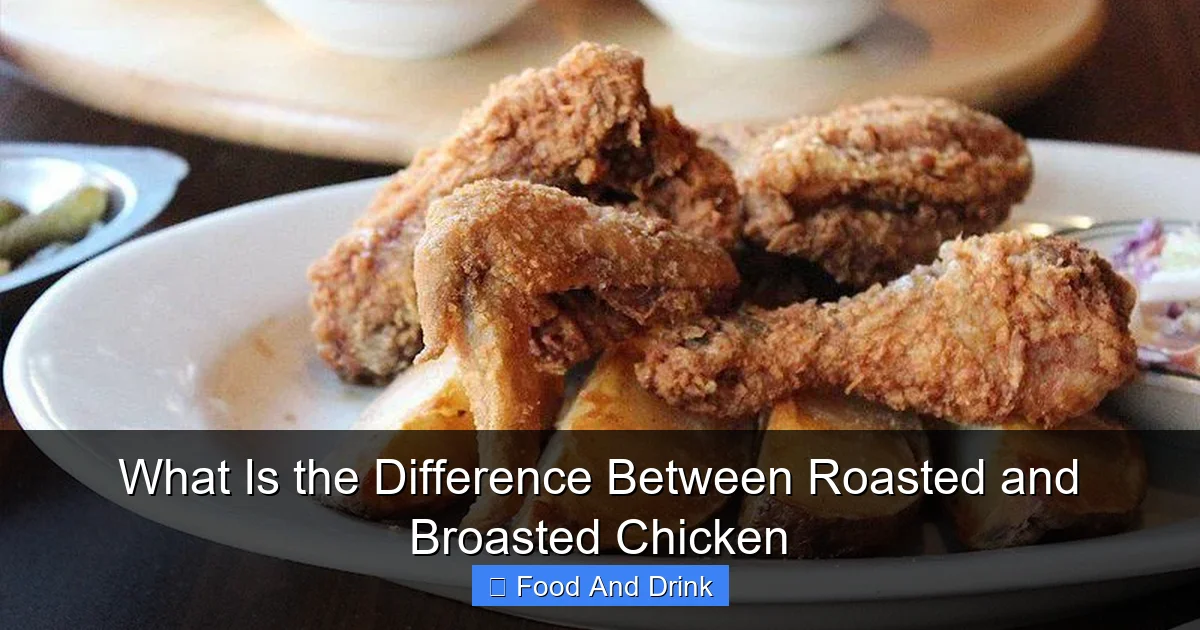
Visual guide about What Is the Difference Between Roasted and Broasted Chicken
Image source: genuinebroasterchicken.com
Broasted chicken might not be as universally recognized as roasted chicken, but it has a devoted following—especially in certain regions and fast-casual chains. The term “broasted” is a blend of “broil” and “roast,” but it doesn’t actually involve either method directly. Instead, broasting is a specialized form of pressure frying that combines the crispiness of deep frying with the moisture retention of steaming.
How Broasting Works
Broasting uses a pressure fryer—a sealed, high-pressure cooking vessel that fries food in hot oil while trapping steam. The process begins by marinating the chicken, often in a buttermilk or spice blend, to tenderize the meat and add flavor. Then, the chicken is coated in a seasoned flour mixture, similar to traditional fried chicken.
Once the oil reaches the right temperature (usually around 350°F or 175°C), the chicken is placed in the fryer and the lid is sealed. As the chicken cooks, moisture from the meat turns to steam, which builds pressure inside the cooker. This steam keeps the interior incredibly juicy while the oil crisps the exterior to a golden, shatteringly crunchy finish.
The pressure also speeds up the cooking process. While traditional frying might take 12–15 minutes per batch, broasting can cook chicken in as little as 10–12 minutes. This makes it a favorite in commercial kitchens where speed and consistency are key.
Origins and Popularity
Broasting was invented in the 1950s by a company called Broaster Company, which trademarked the process and the equipment. It quickly gained popularity in the Midwest United States, especially in states like Ohio, Indiana, and Michigan, where broasted chicken became a regional specialty. Today, you’ll find broasted chicken on menus at diners, food trucks, and family-owned restaurants, often served with coleslaw, fries, and honey mustard or ranch dressing.
Unlike roasted chicken, which is a home-cooking staple, broasted chicken is more commonly found in commercial settings. That’s because the equipment—pressure fryers—is expensive and requires training to use safely. However, some home cooks have adapted the method using stovetop pressure cookers or multi-cookers with frying functions, though results may vary.
Flavor and Texture Profile
Broasted chicken is all about contrast. The exterior is ultra-crisp, with a thick, crunchy crust that gives way to meat that’s surprisingly moist and tender. Because the steam is trapped during cooking, the chicken doesn’t dry out—even the white meat stays juicy. The seasoning in the flour coating adds a savory, slightly spicy kick, and the marinade infuses the meat with flavor from the inside.
The texture is often described as “crispy yet tender” or “juicy with a crackle.” It’s less greasy than traditional fried chicken because the pressure helps the oil drain more efficiently, but it’s still richer than roasted chicken due to the oil immersion.
Key Differences Between Roasted and Broasted Chicken
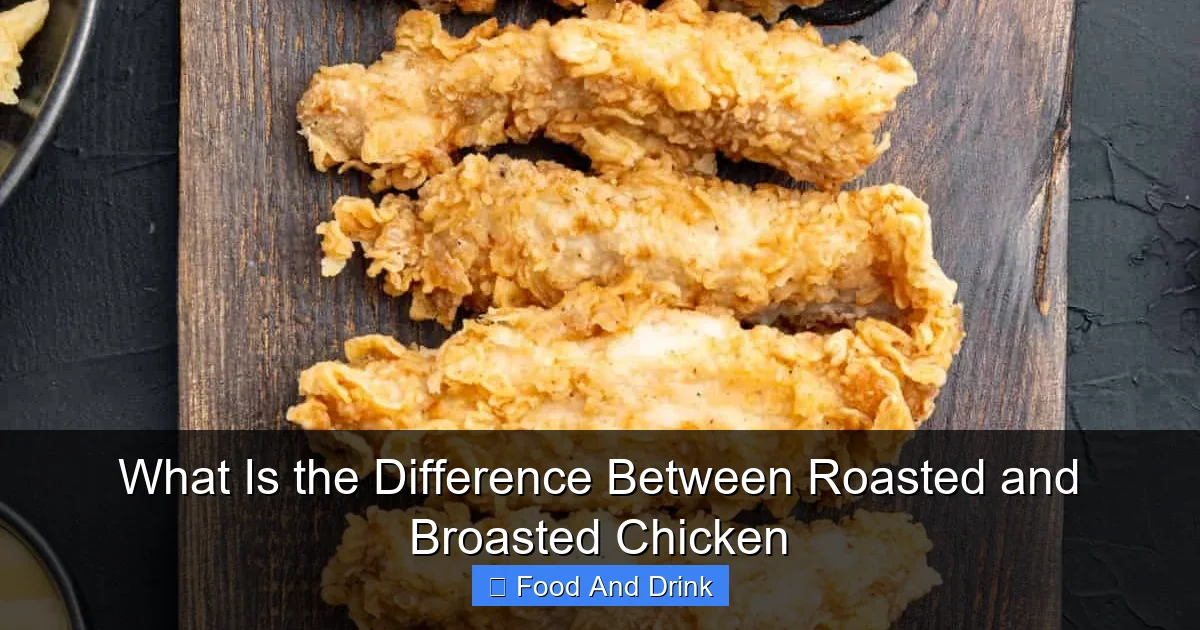
Visual guide about What Is the Difference Between Roasted and Broasted Chicken
Image source: recipefairy.com
Now that we’ve explored both methods, let’s compare them side by side. While roasted and broasted chicken may look similar on the plate, the differences in technique, equipment, and outcome are significant.
Cooking Method and Equipment
The most obvious difference is how each chicken is cooked. Roasted chicken uses dry heat in an oven—no oil immersion, no pressure. It’s a slow, gentle process that relies on time and temperature to develop flavor and texture. All you need is a roasting pan, a rack (optional), and an oven.
Broasted chicken, on the other hand, requires a pressure fryer—a specialized piece of equipment that combines frying and steaming under pressure. This method uses oil immersion, but the sealed environment traps steam, keeping the meat moist. Because of the equipment needed, broasting is less common in home kitchens and more typical in restaurants or food service settings.
Time and Temperature
Roasting takes longer. A whole chicken typically needs 1 to 1.5 hours in the oven, depending on size and temperature. Even chicken parts like thighs or breasts need 30–45 minutes. The slow cooking allows flavors to develop and the skin to crisp gradually.
Broasting is much faster. Due to the pressurized environment, chicken cooks in 10–15 minutes. This speed makes it ideal for busy kitchens or when you need crispy chicken in a hurry. However, the quick cook time means there’s less opportunity for deep flavor development unless the chicken is well-marinated.
Oil Usage and Health Considerations
Roasted chicken uses minimal oil—just enough to prevent sticking or to baste the skin. Most of the fat comes from the chicken itself, which renders during cooking. This makes roasted chicken a relatively healthier option, especially if you remove the skin or choose skinless cuts.
Broasted chicken, by contrast, is submerged in oil during cooking. While the pressure helps reduce oil absorption compared to regular frying, it still absorbs more fat than roasted chicken. That said, the steam keeps the meat juicy, so you don’t need to add extra fat or butter. For those watching their fat or calorie intake, roasted chicken is the lighter choice.
Texture and Mouthfeel
Texture is where the two styles really diverge. Roasted chicken has a crisp skin and tender, juicy meat, but the crust is thinner and less intense than broasted chicken. The meat is flavorful but not as intensely seasoned unless heavily marinated or brined.
Broasted chicken delivers a bold crunch—the crust is thick, golden, and shatters when you bite into it. The meat underneath is incredibly moist, almost buttery, thanks to the steam trapped during cooking. It’s a more indulgent experience, with a richer, oilier mouthfeel.
Flavor Development
Roasted chicken develops deep, savory flavors over time. The slow cooking allows herbs, spices, and aromatics to infuse the meat. The drippings create a rich base for sauces or gravies. It’s a dish that tastes better the longer it cooks.
Broasted chicken relies more on the marinade and seasoning in the coating for flavor. Because it cooks quickly, there’s less time for flavors to meld. However, a good marinade—like buttermilk with garlic, paprika, and cayenne—can make broasted chicken incredibly tasty.
When to Choose Roasted vs. Broasted Chicken
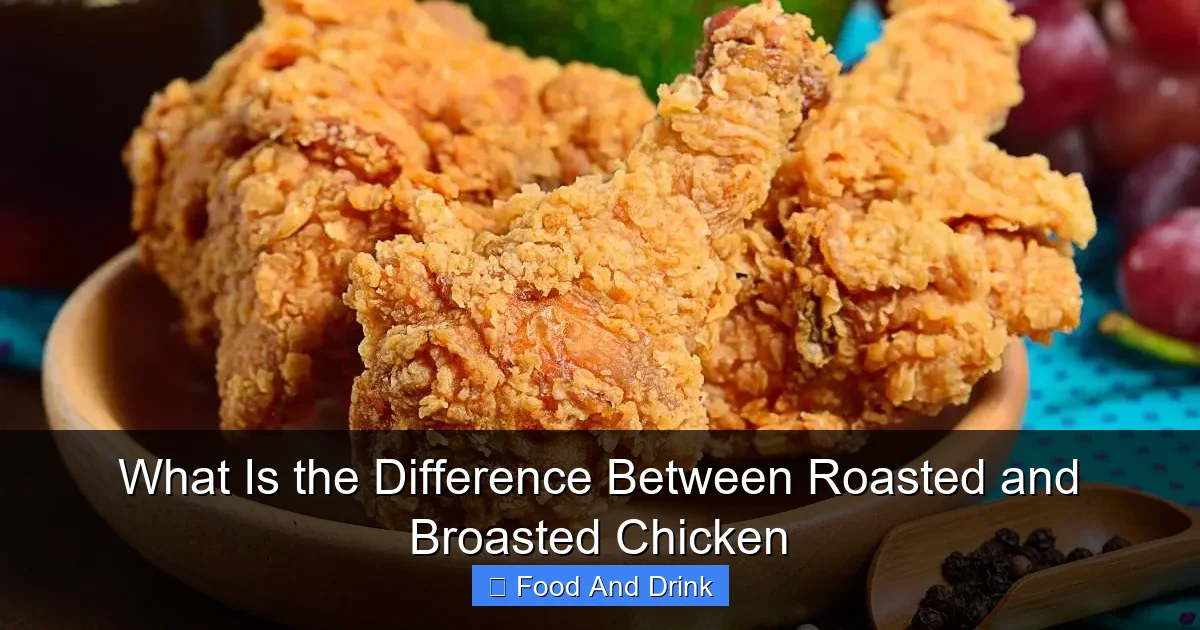
Visual guide about What Is the Difference Between Roasted and Broasted Chicken
Image source: therichrecipe.com
So which one should you choose? The answer depends on your occasion, equipment, and taste preferences.
Choose Roasted Chicken When…
– You’re cooking for a family dinner or holiday meal. Roasted chicken is elegant, comforting, and pairs well with sides like mashed potatoes, stuffing, or roasted vegetables.
– You want a healthier option. With less oil and fat, roasted chicken fits better into balanced diets.
– You have time to cook. Roasting is a slow process, but it’s mostly hands-off—perfect for a lazy Sunday.
– You enjoy making pan sauces or gravies. The drippings from roasted chicken are ideal for rich, flavorful sauces.
– You’re cooking at home. Roasting requires only basic kitchen tools, making it accessible to everyone.
Choose Broasted Chicken When…
– You crave crispy, juicy chicken fast. Broasting delivers restaurant-quality crunch in under 20 minutes.
– You’re dining out or visiting a specialty shop. Broasted chicken is a regional favorite in some areas and worth seeking out.
– You love bold, seasoned coatings. The flour mix used in broasting can be loaded with spices for a flavorful punch.
– You don’t mind a richer, oilier dish. Broasted chicken is indulgent—great for occasional treats.
– You have access to a pressure fryer. While not common at home, some enthusiasts invest in the equipment for authentic results.
Can You Make Broasted Chicken at Home?
Many people assume broasted chicken is only possible in commercial kitchens, but with the right tools and techniques, you can get close at home.
Using a Pressure Cooker or Multi-Cooker
Some modern pressure cookers, like the Instant Pot with a frying function, can mimic the broasting process. You’ll need to use the “sauté” or “fry” setting to heat oil, then switch to “pressure cook” to trap steam. However, most home pressure cookers aren’t designed for deep frying, so you’ll need to use a small amount of oil and cook in batches.
Stovetop Pressure Fryer Adaptations
A few companies sell home-sized pressure fryers, but they’re rare and expensive. Alternatively, you can use a heavy, sealable pot with a tight-fitting lid. Heat oil to 350°F, add coated chicken, and seal the lid to build pressure. Monitor carefully to avoid overcooking or oil splatter.
Tips for Best Results
– Marinate the chicken for at least 4 hours (preferably overnight) in buttermilk or a seasoned brine.
– Use a double coating: flour, then egg wash, then flour again for extra crunch.
– Don’t overcrowd the pot—cook in small batches to maintain oil temperature.
– Let the chicken rest for a few minutes after cooking to allow the crust to set.
While home broasting won’t perfectly replicate commercial results, it can still deliver delicious, crispy, juicy chicken.
Final Thoughts: Which Is Better?
There’s no clear winner between roasted and broasted chicken—only the right choice for the moment. Roasted chicken wins for health, simplicity, and tradition. It’s the go-to for family meals, holiday feasts, and anyone who loves a good pan sauce. Broasted chicken wins for speed, crunch, and indulgence. It’s perfect when you want that fast-food-level crispiness without leaving the house.
Ultimately, both methods celebrate the versatility of chicken. Whether you’re roasting a whole bird for Sunday dinner or broasting thighs for a quick weeknight meal, you’re enjoying one of the most beloved proteins in the world—cooked with care, flavor, and a little culinary science.
So next time you’re at a restaurant or planning a meal, remember: roasted and broasted chicken may sound similar, but they’re as different as a slow Sunday roast and a crispy, steam-sealed delight. Try both, savor the differences, and let your taste buds decide.
🎥 Related Video: What is broasted chicken?
📺 Antonio’s Pizza
Crispy on the outside, juicy on the inside—discover what makes our broasted chicken so irresistible! #Antonio’sPizza …
Frequently Asked Questions
What is the main difference between roasted and broasted chicken?
Roasted chicken is cooked in an oven with dry heat, while broasted chicken is pressure-fried in oil with steam. This gives broasted chicken a crispier crust and juicier interior.
Is broasted chicken healthier than fried chicken?
Broasted chicken is slightly healthier than traditional fried chicken because the pressure reduces oil absorption, but it’s still higher in fat than roasted chicken.
Why is broasted chicken so juicy?
The pressurized cooking traps steam inside the chicken, preventing moisture loss and keeping the meat tender and juicy, even the white meat.
Can I use a regular fryer to make broasted chicken?
No, a regular fryer doesn’t create the pressurized environment needed for broasting. You need a sealed pressure fryer to trap steam and cook effectively.
How long does it take to broast chicken?
Broasting typically takes 10–15 minutes, depending on the size of the pieces. It’s much faster than roasting, which can take over an hour.
What kind of oil is best for broasting?
High-smoke-point oils like peanut, canola, or vegetable oil work best for broasting, as they can withstand the high temperatures without burning.


