

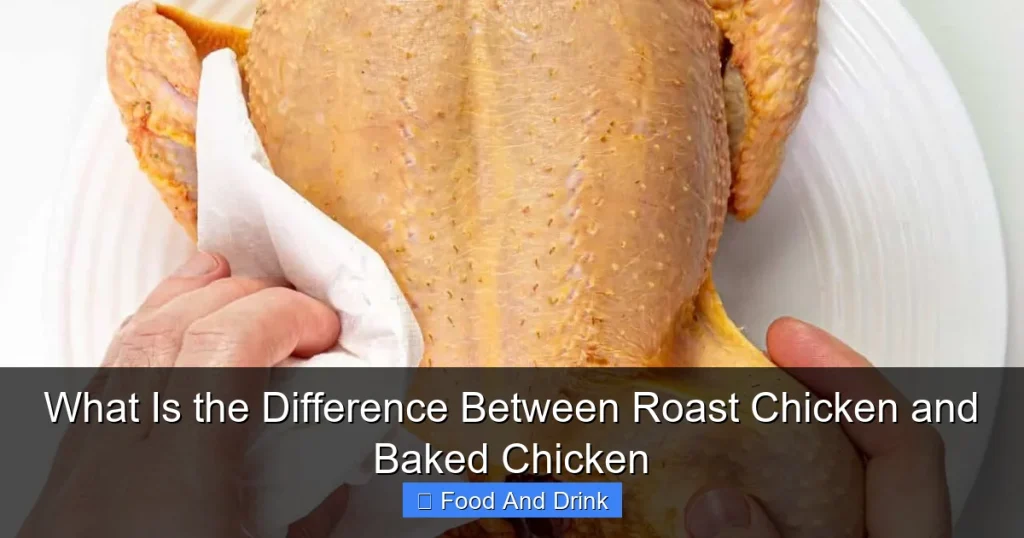

Roast chicken and baked chicken may sound similar, but they differ in technique, temperature, and outcome. Roasting typically uses higher heat and dry air for crispy skin and deep flavor, while baking often involves lower temperatures and moisture for tender, evenly cooked meat.
Key Takeaways
- Roasting uses higher heat (375°F–450°F) and dry air to create crispy skin and rich browning. It’s ideal for whole chickens or large cuts.
- Baking is done at lower temperatures (325°F–375°F) and often includes added moisture or covering. It’s better for smaller pieces or dishes with sauces.
- Roasting emphasizes caramelization and Maillard reaction for deeper flavor. Baking focuses on gentle, even cooking.
- Roasting usually requires no covering, while baking may use foil or a lid. This affects moisture retention and texture.
- Roast chicken is often seasoned simply and cooked uncovered. Baked chicken may be marinated, sauced, or cooked in liquid.
- The equipment matters: roasting pans vs. baking dishes. Roasting pans allow airflow; baking dishes trap steam.
- Both methods can yield delicious results—choose based on desired texture and time. Roasting is faster and crispier; baking is slower and more forgiving.
Quick Answers to Common Questions
Is roast chicken the same as baked chicken?
No, roast chicken and baked chicken are different cooking methods. Roasting uses higher heat and dry air for crispy skin, while baking uses lower heat and often includes moisture or covering for tender meat.
Can I roast chicken in a baking dish?
Yes, but it’s better to use a roasting pan with a rack for airflow. A baking dish can trap steam and prevent crispy skin.
Which method cooks chicken faster?
Roasting is generally faster due to higher temperatures. Baking takes longer but is more forgiving for lean cuts.
Should I cover chicken when roasting?
No, covering prevents browning and crisping. Roast uncovered for best results.
Can I get crispy skin with baked chicken?
Yes, if you uncover the dish during the last 10–15 minutes of cooking to allow the skin to dry and crisp up.
📑 Table of Contents
- What Is the Difference Between Roast Chicken and Baked Chicken?
- Understanding the Basics: Roasting vs. Baking
- Flavor Development: Browning, Caramelization, and the Maillard Reaction
- Texture and Juiciness: Crispy Skin vs. Tender Meat
- Equipment and Setup: Pans, Racks, and Oven Position
- When to Use Roasting vs. Baking: Practical Examples
- Conclusion: Choosing the Right Method for Your Meal
What Is the Difference Between Roast Chicken and Baked Chicken?
When it comes to cooking chicken, two of the most popular methods are roasting and baking. At first glance, they might seem interchangeable—after all, both involve putting chicken in the oven. But if you’ve ever wondered why your roast chicken comes out golden and crispy while your baked chicken turns out soft and saucy, you’re not alone. The truth is, roasting and baking are distinct techniques with different goals, equipment, and results.
Understanding the difference between roast chicken and baked chicken can transform your home cooking. It’s not just about semantics—it’s about choosing the right method for the flavor, texture, and experience you want. Whether you’re preparing a Sunday family dinner or a weeknight meal, knowing when to roast and when to bake makes all the difference. In this guide, we’ll break down the science, the tools, and the techniques behind each method so you can cook with confidence.
Let’s start by clearing up a common misconception: roasting and baking are not the same thing, even though both use dry heat in an oven. The key differences lie in temperature, airflow, moisture, and the type of food being cooked. Roasting is typically used for larger, denser foods like whole chickens, turkey, or vegetables, where the goal is browning and crisping. Baking, on the other hand, is often used for smaller, more delicate items like chicken breasts, casseroles, or dishes with sauces. By the end of this article, you’ll know exactly which method to use—and why.
Understanding the Basics: Roasting vs. Baking
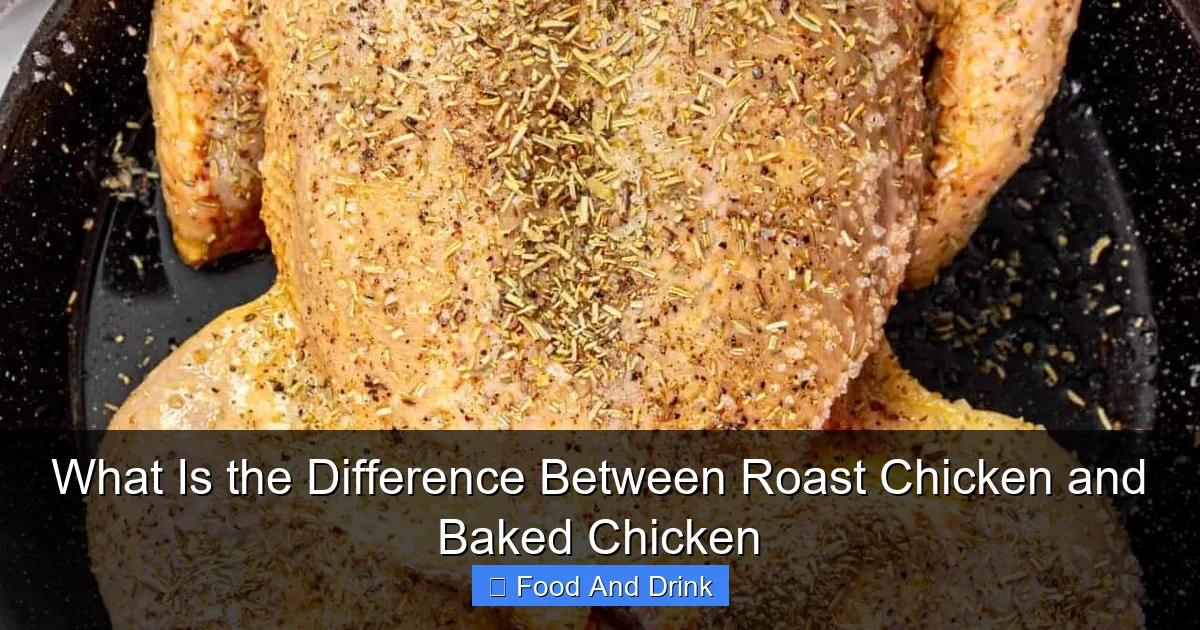
Visual guide about What Is the Difference Between Roast Chicken and Baked Chicken
Image source: cdn.bakedbree.com
At the heart of the roast chicken vs. baked chicken debate is a simple question: what’s the difference between roasting and baking? While both methods use an oven and dry heat, they serve different culinary purposes and produce different outcomes.
Roasting is a high-heat cooking method that emphasizes browning, caramelization, and the development of rich, complex flavors. It’s typically done at temperatures between 375°F and 450°F (190°C–230°C). The goal is to create a crispy, golden exterior while keeping the interior juicy and tender. Roasting works best for whole birds, large cuts of meat, or dense vegetables like potatoes and carrots. The dry, hot air circulates around the food, promoting the Maillard reaction—a chemical process that gives roasted foods their signature flavor and color.
Baking, in contrast, is a gentler, lower-temperature process, usually done between 325°F and 375°F (160°C–190°C). It’s often used for smaller cuts of meat, casseroles, or dishes that include liquids, sauces, or batters. Baking can involve covering the food with foil or a lid, which traps steam and keeps the meat moist. This method is ideal when you want even, slow cooking without excessive browning. Think of baked chicken breasts in a creamy sauce or chicken thighs simmering in a tomato-based stew—these are baked, not roasted.
One way to remember the difference is to think of roasting as “crisp and brown” and baking as “tender and moist.” Roasting is about transformation—turning raw chicken into a golden, aromatic centerpiece. Baking is about preservation—keeping the chicken soft and flavorful, often within a larger dish.
Another key distinction is the equipment used. Roasting is typically done in a roasting pan, which has low sides and allows hot air to circulate freely around the chicken. This promotes even browning and prevents steaming. Baking, on the other hand, often uses a baking dish or casserole pan with higher sides, which can trap moisture and steam. This is perfect for dishes where you want the chicken to absorb flavors from a sauce or broth.
The Role of Temperature and Heat Distribution
Temperature is one of the most important factors that sets roasting apart from baking. Roasting uses higher heat to achieve a crispy exterior and deep flavor. The intense heat causes the surface of the chicken to dehydrate quickly, forming a crust that locks in juices while allowing the skin to crisp up. This is especially important for whole chickens, where the skin is a major source of flavor and texture.
Baking, with its lower and more consistent heat, cooks the chicken more gently. This is ideal for smaller pieces like chicken breasts or thighs, which can dry out quickly if exposed to high heat. The lower temperature ensures even cooking from edge to center, reducing the risk of overcooked exteriors and undercooked interiors.
Heat distribution also plays a role. In a roasting setup, the chicken is usually placed on a rack inside the pan, allowing hot air to circulate underneath and around all sides. This promotes even browning and prevents the bottom from becoming soggy. In baking, the chicken often sits directly in a dish with liquid or sauce, which can create a steaming effect. While this keeps the meat moist, it also prevents the skin from crisping up.
For example, imagine cooking a whole chicken. If you roast it at 425°F on a rack, the skin will turn golden and crispy, and the meat will be juicy and flavorful. But if you bake it at 350°F in a covered dish with broth, the skin will stay soft and the meat will be tender—but not crispy. Both methods are valid, but they serve different purposes.
Moisture and Covering: To Cover or Not to Cover?
One of the biggest differences between roast chicken and baked chicken is how moisture is managed during cooking. Roasting is a dry-heat method, meaning little to no additional moisture is added. The chicken is usually seasoned and placed uncovered in the oven, allowing the skin to dry out and crisp up. Any natural juices that escape during cooking are often collected and used to make gravy.
Baking, on the other hand, often involves added moisture. This could be in the form of a marinade, sauce, broth, or even just covering the dish with foil. The covering traps steam, creating a moist environment that prevents the chicken from drying out. This is especially useful for lean cuts like chicken breasts, which can become tough if overcooked.
For instance, a classic baked chicken recipe might call for marinating chicken thighs in yogurt and spices, then baking them in a covered dish with onions and tomatoes. The result is tender, flavorful meat infused with the sauce. In contrast, a roast chicken recipe might involve rubbing the bird with olive oil, salt, and herbs, then roasting it uncovered until the skin is crackling and the internal temperature reaches 165°F.
The choice to cover or not to cover also affects cooking time. Covered dishes cook faster because the trapped steam raises the temperature inside the pan. Uncovered roasting takes longer but allows for better browning and crisping.
Flavor Development: Browning, Caramelization, and the Maillard Reaction
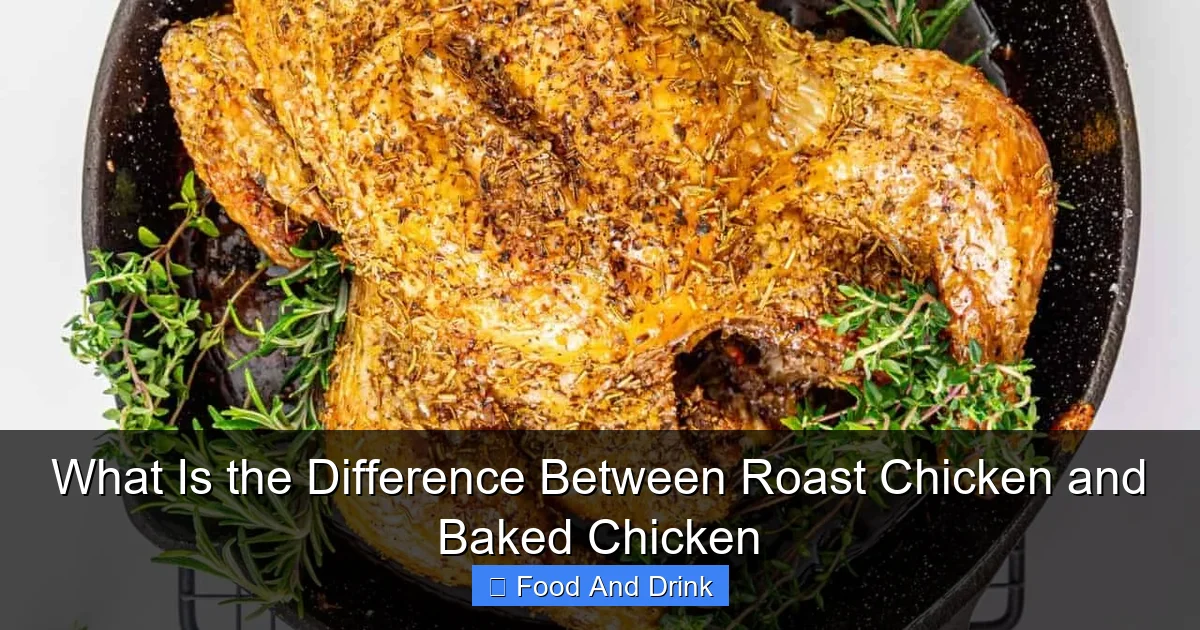
Visual guide about What Is the Difference Between Roast Chicken and Baked Chicken
Image source: bakedbree.com
If you’ve ever taken a bite of perfectly roasted chicken and marveled at its rich, savory flavor, you’ve experienced the magic of the Maillard reaction. This chemical process occurs when amino acids and sugars in the food react under high heat, creating hundreds of new flavor compounds. It’s responsible for the deep, complex taste of roasted meats, toasted bread, and seared steaks.
Roasting is the ideal method for triggering the Maillard reaction because of its high heat and dry environment. As the chicken cooks, the surface dehydrates, allowing browning to occur evenly. The result is a golden-brown skin with a depth of flavor that simply can’t be achieved through baking.
Baking, with its lower heat and potential for added moisture, inhibits browning. Steam from sauces or covering prevents the surface from drying out, which slows or stops the Maillard reaction. While baked chicken can still be delicious—especially when infused with herbs, spices, or sauces—it won’t have the same depth of flavor as a well-roasted bird.
That said, baking can enhance flavor in other ways. For example, marinating chicken before baking allows flavors to penetrate deep into the meat. Cooking in a flavorful liquid—like coconut milk, tomato sauce, or wine—infuses the chicken with rich, aromatic notes. So while baking may not create the same crusty, caramelized exterior, it can deliver a different kind of deliciousness.
Seasoning and Marinades: How They Affect the Outcome
Seasoning plays a crucial role in both roasting and baking, but the approach differs. Roast chicken is often seasoned simply—salt, pepper, herbs like rosemary or thyme, and sometimes garlic or lemon. The goal is to let the natural flavor of the chicken shine, enhanced by the browning process. A dry rub or oil-based seasoning helps the skin crisp up.
Baked chicken, especially in casseroles or one-pot meals, often benefits from more complex seasoning. Marinades with acids (like lemon juice or vinegar) and oils can tenderize the meat and add flavor. Spices, garlic, onions, and herbs are common, and the chicken absorbs these flavors as it cooks in the sauce.
For example, a Mediterranean-style baked chicken might include olives, sun-dried tomatoes, capers, and oregano. The chicken simmers in this mixture, becoming infused with bold, tangy flavors. In contrast, a classic roast chicken might be rubbed with just butter, salt, and rosemary, then roasted until golden.
Texture and Juiciness: Crispy Skin vs. Tender Meat
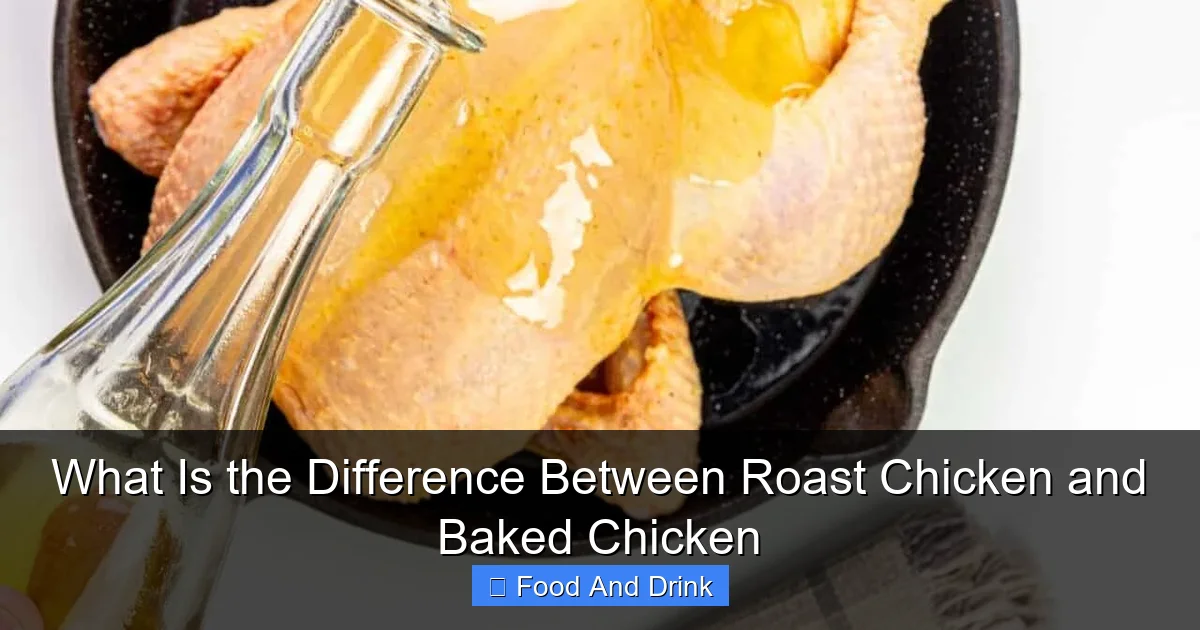
Visual guide about What Is the Difference Between Roast Chicken and Baked Chicken
Image source: bakedbree.com
Texture is where roast chicken and baked chicken truly diverge. Roasting produces a crispy, crackling skin and juicy, flavorful meat. The high heat renders fat from the skin, crisping it to perfection, while the interior stays moist thanks to the bird’s natural juices and the dry-heat environment.
Baking, especially when covered, results in softer skin and more uniformly tender meat. The steam keeps the chicken from drying out, making it ideal for dishes where you want a melt-in-your-mouth texture. However, the skin won’t crisp up unless the dish is uncovered toward the end of cooking.
If you love crispy skin, roasting is the way to go. But if you prefer tender, saucy chicken—like in a chicken pot pie or creamy casserole—baking is the better choice.
Tips for Achieving the Best Texture
– For roast chicken: Pat the skin dry before seasoning. Use a rack to elevate the chicken. Baste occasionally with pan juices.
– For baked chicken: Use a meat thermometer to avoid overcooking. Uncover during the last 10–15 minutes if you want slightly crispier skin.
– Brining (soaking in saltwater) can help both methods retain moisture, especially for lean cuts.
Equipment and Setup: Pans, Racks, and Oven Position
The tools you use can make or break your chicken dish. Roasting requires a roasting pan with a rack, which allows air to circulate and fat to drip away. Baking often uses a casserole dish or baking pan, sometimes with a lid.
Oven position also matters. For roasting, place the chicken on the middle or lower rack to promote even browning. For baking, the middle rack is usually best to ensure even cooking.
Common Mistakes to Avoid
– Overcrowding the pan: This traps steam and prevents browning.
– Not preheating the oven: Leads to uneven cooking.
– Skipping the thermometer: Guesswork can result in dry or undercooked chicken.
When to Use Roasting vs. Baking: Practical Examples
Use roasting for:
– Whole chickens or turkey
– Chicken parts with skin (thighs, drumsticks)
– When you want crispy skin and deep flavor
Use baking for:
– Chicken breasts or boneless cuts
– Casseroles, stews, or one-pot meals
– Dishes with sauces or liquids
Conclusion: Choosing the Right Method for Your Meal
The difference between roast chicken and baked chicken comes down to technique, temperature, and intention. Roasting delivers crispy skin and rich flavor through high heat and dry air. Baking offers tender, moist meat through gentle, often covered cooking. Both are valuable skills in the kitchen—choose based on your desired outcome.
With the right method, seasoning, and tools, you can master both and enjoy delicious chicken every time.
🎥 Related Video: chicken roast for beginners! #chicken #vegetables #roasting
📺 Jose.elcook
Frequently Asked Questions
What temperature should I roast chicken at?
Roast chicken at 375°F to 450°F (190°C–230°C) for crispy skin and even cooking. Use a meat thermometer to ensure the internal temperature reaches 165°F.
Can I bake a whole chicken?
Yes, but it’s better to roast it for crispy skin. If baking, consider uncovering it toward the end to crisp the skin.
Why is my roast chicken dry?
This usually happens from overcooking or not brining. Use a thermometer and remove the chicken when it reaches 160°F—it will continue cooking as it rests.
What’s the best way to keep baked chicken moist?
Use a marinade, cook in a sauce, or cover the dish with foil. Adding moisture prevents drying, especially for lean cuts like breasts.
Do I need to baste roast chicken?
Basting isn’t necessary but can add flavor and help crisp the skin. Use pan juices or melted butter every 20–30 minutes.
Can I use the same recipe for roasting and baking?
Not exactly. Adjust temperature, cooking time, and moisture levels based on the method. Roasting needs higher heat and no cover; baking often includes liquid and covering.


