



Roast and grilled chicken may look similar, but they’re cooked in very different ways, resulting in distinct textures, flavors, and nutritional profiles. Roasting uses dry, indirect heat in an oven, while grilling applies direct, high heat over flames or coals—each method brings out unique qualities in the chicken.
Key Takeaways
- Cooking Method: Roasting uses indirect, dry heat in an oven, while grilling uses direct, high heat from below.
- Flavor Profile: Grilled chicken has a smoky, charred taste due to flame contact; roasted chicken offers a rich, savory flavor with even browning.
- Texture Differences: Roasted chicken tends to be more tender and juicy throughout, while grilled chicken often has a crisp exterior and slightly firmer bite.
- Health Considerations: Grilling can reduce fat content as drippings fall away, but high-heat charring may form carcinogens; roasting retains moisture with less risk of charring.
- Cooking Time & Equipment: Roasting takes longer (45–90 minutes) and requires an oven; grilling is faster (20–40 minutes) and needs a grill or grill pan.
- Best Uses: Roast chicken shines in comfort dishes like stews or Sunday dinners; grilled chicken excels in salads, tacos, and summer meals.
- Marinating & Seasoning: Grilled chicken benefits more from marinades to prevent drying; roasted chicken absorbs herbs and spices deeply during slow cooking.
Quick Answers to Common Questions
What is the main difference between roast and grilled chicken?
The main difference is the cooking method: roasting uses indirect, dry heat in an oven, while grilling uses direct, high heat from below, often over flames or coals.
Which is juicier: roast or grilled chicken?
Roasted chicken is generally juicier because the slow, even heat helps retain moisture, while grilling can dry out meat if not carefully monitored.
Is grilled chicken healthier than roasted chicken?
Grilled chicken can be lower in fat since drippings fall away, but high-heat charring may form harmful compounds. Roasting is safer in that regard but may retain more fat.
Can I grill a whole chicken?
Yes! Use indirect grilling—place the chicken next to, not over, the heat source—and cook until the internal temperature reaches 165°F (74°C).
Do I need to marinate grilled chicken?
Marinating helps prevent dryness and adds flavor, especially for lean cuts like breasts. It’s highly recommended but not always required.
📑 Table of Contents
- Introduction: Two Classics, One Bird
- How Roasting Works: The Gentle Art of Indirect Heat
- How Grilling Works: Direct Flame and Smoky Flavor
- Flavor and Texture: A Side-by-Side Comparison
- Nutrition and Health: Which Is Healthier?
- Cooking Time, Equipment, and Practicality
- Best Uses: When to Choose Roast vs. Grilled Chicken
- Tips for Perfect Roast and Grilled Chicken
- Conclusion: Two Great Ways to Cook Chicken
Introduction: Two Classics, One Bird
Chicken is one of the most versatile and beloved proteins in kitchens around the world. Whether you’re planning a weeknight dinner or hosting a backyard barbecue, chances are chicken is on the menu. But when it comes to cooking methods, two techniques stand out: roasting and grilling. At first glance, both might seem like simple ways to cook chicken—after all, they both involve dry heat and result in golden, cooked meat. However, the differences between roast and grilled chicken go far beyond just the equipment used. From flavor and texture to nutrition and cooking time, each method brings something unique to the table.
Understanding these differences isn’t just about satisfying culinary curiosity—it’s about making better choices in the kitchen. Maybe you’re trying to decide whether to fire up the grill or preheat the oven for tonight’s dinner. Or perhaps you’re curious why your grilled chicken sometimes turns out dry while your roasted version stays juicy. By learning how each method works, what affects the final outcome, and when to use one over the other, you’ll gain confidence and control over your cooking. So let’s dive into the delicious details of roast versus grilled chicken—and discover which method suits your taste, lifestyle, and meal goals.
How Roasting Works: The Gentle Art of Indirect Heat
Roasting is a classic cooking technique that uses dry, indirect heat in an enclosed space—typically an oven. The chicken is placed on a rack or in a roasting pan, allowing hot air to circulate evenly around the bird. This method cooks the meat slowly and gently, promoting even browning and deep flavor development without direct flame contact.

Visual guide about What Is the Difference Between Roast and Grilled Chicken
Image source: askdifference.com
The Science Behind Roasting
When you roast chicken, the oven’s ambient heat gradually raises the internal temperature of the meat. As the surface reaches around 160°F (71°C), the Maillard reaction kicks in—a chemical process that creates complex, savory flavors and a beautiful golden-brown crust. Because the heat surrounds the chicken from all sides, moisture is retained more effectively than with high-heat methods. The result? A bird that’s tender, juicy, and uniformly cooked from skin to bone.
Equipment and Setup
To roast chicken properly, you’ll need an oven, a roasting pan (preferably with a rack), and possibly a meat thermometer. The rack elevates the chicken, preventing the bottom from steaming in its own juices and ensuring even crisping. Many home cooks also use a roasting bag or tent the bird with foil for the first part of cooking to lock in moisture, then remove it toward the end for browning.
Common Roasting Techniques
There are several ways to roast chicken, each yielding slightly different results:
- Traditional Roasting: Whole chicken seasoned and cooked at 375°F (190°C) for 1–1.5 hours, depending on size.
- Spatchcocking: The backbone is removed, and the chicken is flattened before roasting. This reduces cooking time and promotes even browning.
- Convection Roasting: Using a convection oven circulates hot air more efficiently, leading to faster, crispier skin.
- Low-and-Slow Roasting: Cooking at 275°F (135°C) for several hours results in ultra-tender meat that falls off the bone.
Roasting is ideal for whole birds, bone-in cuts like thighs and legs, or even boneless breasts if monitored carefully. It’s a forgiving method that allows for hands-off cooking once the chicken is in the oven—perfect for busy weeknights or holiday feasts.
How Grilling Works: Direct Flame and Smoky Flavor
Grilling, on the other hand, relies on direct, high heat applied from below—usually via gas flames, charcoal, or electric elements. The chicken is placed directly over the heat source, searing the exterior quickly while cooking the interior through conduction and radiant heat. This method is fast, flavorful, and deeply associated with outdoor cooking and summertime meals.

Visual guide about What Is the Difference Between Roast and Grilled Chicken
Image source: static01.nyt.com
The Science of the Sear
Grilling creates a dramatic contrast between the outside and inside of the chicken. The intense heat causes rapid moisture evaporation and caramelization on the surface, forming a crispy, slightly charred crust. Meanwhile, the interior cooks more slowly, relying on the retained heat within the meat. Because the heat is direct and localized, parts of the chicken closest to the flame cook faster, which is why flipping and rotating are essential.
Types of Grilling
Not all grilling is the same. There are two main styles:
- Direct Grilling: Food is placed directly over the heat source. Best for thin cuts like chicken breasts, wings, or skewers that cook quickly.
- Indirect Grilling: Food is placed next to, not over, the heat source. This mimics roasting and is ideal for whole chickens or large pieces that need longer cooking without burning.
Many grills have multiple burners or zones, allowing you to combine both methods. For example, you might sear chicken over direct heat to develop a crust, then move it to indirect heat to finish cooking through.
Flavor from Smoke and Char
One of grilling’s biggest advantages is the smoky flavor imparted by wood chips, charcoal, or even seasoned rubs. As fat drips onto the hot coals or grates, it vaporizes and rises back up as smoke, infusing the chicken with a distinctive aroma. This is what gives grilled chicken its signature “outdoor” taste—something roasting simply can’t replicate.
Flavor and Texture: A Side-by-Side Comparison
Now that we understand how each method works, let’s compare the end results. The differences in flavor and texture between roast and grilled chicken are noticeable even to casual eaters—and they stem directly from the cooking process.
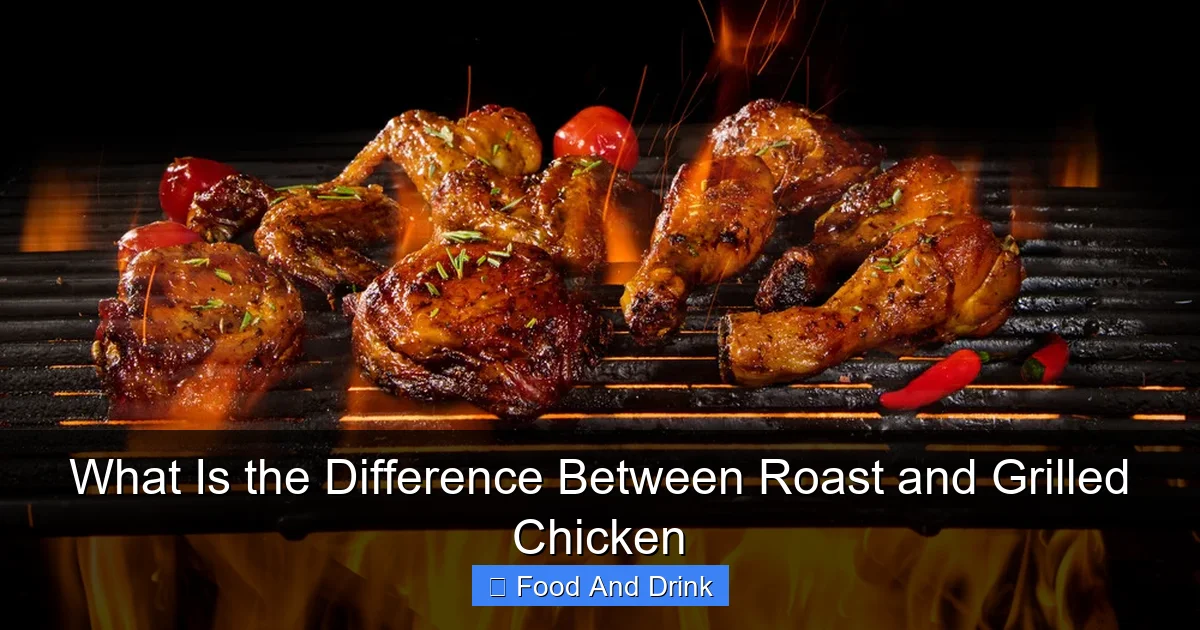
Visual guide about What Is the Difference Between Roast and Grilled Chicken
Image source: mashed.com
Flavor Profiles
Roasted chicken develops a deep, savory richness. The slow, even heat allows herbs, spices, and aromatics (like garlic, onions, and thyme) to meld into the meat. The skin becomes golden and crisp, but not charred, offering a buttery, umami-packed bite. Because the chicken cooks in its own juices, the flavor remains moist and cohesive—no single note dominates.
Grilled chicken, by contrast, has a bold, smoky character. The direct flame contact creates a charred, slightly bitter edge that balances the natural sweetness of the meat. If you use wood chips (like hickory or mesquite), the smoke adds layers of complexity. Marinades and spice rubs also caramelize on the surface, forming a flavorful crust known as a “bark.”
Texture Differences
Texture is where the two methods diverge most clearly. Roasted chicken is known for its tenderness and juiciness. The slow cooking process breaks down connective tissues, especially in dark meat, resulting in meat that’s soft and easy to pull from the bone. Even white meat, which tends to dry out easily, stays moist when roasted properly.
Grilled chicken often has a firmer, chewier texture—particularly on the outside. The high heat seals in juices initially, but prolonged exposure can lead to moisture loss if not monitored. However, this also creates a satisfying contrast: a crisp, slightly charred exterior gives way to tender, smoky meat underneath. When done right, grilled chicken offers a delightful balance of textures.
Visual Appeal
Both methods produce visually appealing results, but in different ways. Roasted chicken has an even, golden-brown skin with subtle browning around the edges. It looks elegant and homestyle—perfect for a Sunday dinner table.
Grilled chicken, on the other hand, often features grill marks, light charring, and a rustic, smoky appearance. It looks vibrant and appetizing, especially when served with fresh herbs or a squeeze of lime. The visual cues of grilling—blackened spots, smoky residue—signal bold flavor and outdoor cooking.
Nutrition and Health: Which Is Healthier?
When it comes to health, both roast and grilled chicken can be nutritious choices—but there are important distinctions based on cooking method, fat content, and potential byproducts.
Fat Content and Drippings
Grilling has a natural advantage when it comes to fat reduction. As chicken cooks over an open flame, excess fat drips away from the meat and falls onto the heat source. This means grilled chicken typically contains less fat than its roasted counterpart, especially if the skin is removed after cooking.
Roasting, especially with the skin on, retains more of the bird’s natural fats. While this contributes to juiciness and flavor, it also increases calorie and saturated fat content. However, if you roast on a rack and discard the drippings, you can reduce fat significantly.
Formation of Harmful Compounds
One concern with grilling is the potential formation of heterocyclic amines (HCAs) and polycyclic aromatic hydrocarbons (PAHs)—compounds linked to cancer when consumed in large amounts over time. These form when meat is cooked at very high temperatures, especially when charred or blackened.
Roasting, with its lower, more controlled heat, produces far fewer of these compounds. The risk is minimal, especially if you avoid burning the skin. That said, both methods are safe when practiced responsibly—moderation and proper technique are key.
Retention of Nutrients
Both methods preserve most of chicken’s essential nutrients, including protein, B vitamins, and selenium. However, grilling may cause slightly more loss of water-soluble vitamins (like B6 and folate) due to high heat and dripping juices. Roasting, with its enclosed environment, tends to retain more of these nutrients.
Ultimately, the healthiest version of either method involves using lean cuts, removing the skin if desired, and avoiding excessive charring or added oils.
Cooking Time, Equipment, and Practicality
Beyond flavor and nutrition, practical considerations like time, equipment, and ease of use play a big role in choosing between roast and grilled chicken.
Time Investment
Roasting a whole chicken typically takes 60–90 minutes, depending on size and temperature. Bone-in parts like thighs may take 45–60 minutes. While it’s mostly hands-off, you’ll need to monitor internal temperature to avoid overcooking.
Grilling is generally faster. Boneless breasts can be ready in 10–15 minutes, while bone-in pieces take 20–30 minutes. Whole chickens on a grill may take 45–60 minutes using indirect heat. The speed makes grilling ideal for quick weeknight meals.
Equipment Needs
Roasting requires an oven, roasting pan, and possibly a thermometer. Most households already have these, making it an accessible method year-round.
Grilling demands a grill—gas, charcoal, or electric—and outdoor space (or a well-ventilated indoor grill pan). It’s less convenient in cold weather or apartments without balconies. However, portable grills and countertop models have made grilling more accessible than ever.
Skill Level and Consistency
Roasting is more forgiving. As long as you don’t drastically overcook the chicken, it will likely turn out tender and edible. Temperature control is easier in an oven, and there’s less risk of burning.
Grilling requires more attention. You need to manage heat zones, flip at the right time, and watch for flare-ups. Overcooking or undercooking can happen quickly, especially with thin cuts. However, with practice, grilling becomes second nature—and the payoff in flavor is worth the effort.
Best Uses: When to Choose Roast vs. Grilled Chicken
Knowing when to use each method can elevate your meals and save time. Here’s a guide to help you decide.
Ideal Dishes for Roasted Chicken
Roasted chicken shines in comfort food and family-style meals. It’s perfect for:
- Sunday roasts with vegetables
- Shredded chicken for soups, stews, or casseroles
- Holiday dinners and special occasions
- Meal prep—roast once, eat all week
- Dishes where juicy, tender meat is key
The even cooking and rich flavor make it a reliable choice for recipes that rely on moist, flavorful chicken.
Ideal Dishes for Grilled Chicken
Grilled chicken excels in fresh, vibrant, and casual meals. Try it in:
- Salads (like Caesar or Greek salad)
- Tacos, wraps, and sandwiches
- Skewers and kebabs
- Summer barbecues and picnics
- Dishes with bold sauces or marinades
Its smoky flavor and firm texture stand up well to acidic dressings, spicy salsas, and crunchy toppings.
Hybrid Approaches
Don’t feel limited to one method! Some chefs use a combination: roast a chicken first, then finish it on the grill for extra char. Or grill chicken breasts and then slice them into a warm roasted vegetable bowl. Creativity in the kitchen often leads to the best results.
Tips for Perfect Roast and Grilled Chicken
Whether you’re roasting or grilling, a few simple tips can make a big difference in the final dish.
For Roasting:
- Let the chicken come to room temperature before cooking for even results.
- Pat the skin dry and rub with oil or butter for crispier skin.
- Season under the skin for maximum flavor penetration.
- Use a meat thermometer—165°F (74°C) in the thickest part of the thigh is safe.
- Rest the chicken for 10–15 minutes after roasting to redistribute juices.
For Grilling:
- Marinate chicken for at least 30 minutes (or overnight) to add moisture and flavor.
- Preheat the grill and clean the grates to prevent sticking.
- Use two-zone heat: sear over direct flame, then move to indirect to finish.
- Don’t flip too often—let a crust form before turning.
- Check internal temperature frequently to avoid dryness.
Conclusion: Two Great Ways to Cook Chicken
So, what’s the difference between roast and grilled chicken? In short: everything and nothing. Both methods transform raw chicken into delicious, satisfying meals, but they do so in fundamentally different ways. Roasting offers tenderness, even cooking, and deep, savory flavor—ideal for comforting, home-cooked dishes. Grilling delivers smoky char, bold taste, and a satisfying crunch—perfect for fresh, lively meals and outdoor gatherings.
The best method depends on your preferences, equipment, and the occasion. If you’re looking for juicy, fall-off-the-bone meat for a family dinner, roasting is your go-to. If you want bold flavor, quick cooking, and that unmistakable grilled aroma, fire up the grill. And remember—there’s no rule saying you can’t enjoy both. In fact, mastering both techniques will make you a more versatile, confident cook. So next time you’re planning a chicken dinner, ask yourself: do I want rich and tender, or smoky and crisp? Your taste buds will thank you.
🎥 Related Video: BBQ vs. Grilling: What's the Difference? | Southern Living
📺 Southern Living
Subscribe to Southern Living: http://bit.ly/1PtvKbe Southern Living Contributing Editor, Troy Black, explains the key differences …
Frequently Asked Questions
Can I roast chicken on the grill?
Yes, this is called indirect grilling. Set up your grill with heat on one side and place the chicken on the cooler side, then close the lid to mimic an oven.
Why is my grilled chicken dry?
This usually happens from overcooking or high heat. Use a meat thermometer, marinate beforehand, and avoid cooking over direct flame for too long.
Should I remove the skin when roasting or grilling?
Keeping the skin on helps retain moisture and flavor, especially when roasting. You can remove it after cooking if you prefer lower fat.
What temperature should chicken reach when roasting or grilling?
Chicken is safe to eat when the internal temperature reaches 165°F (74°C) in the thickest part of the thigh or breast, away from the bone.
Can I use the same seasoning for both methods?
Yes, but grilled chicken benefits more from wet marinades, while roasted chicken absorbs dry rubs and herbs more effectively during slow cooking.
Is spatchcocking better for roasting or grilling?
Spatchcocking (flattening the chicken) works well for both methods—it reduces cooking time and promotes even browning, especially on the grill.


