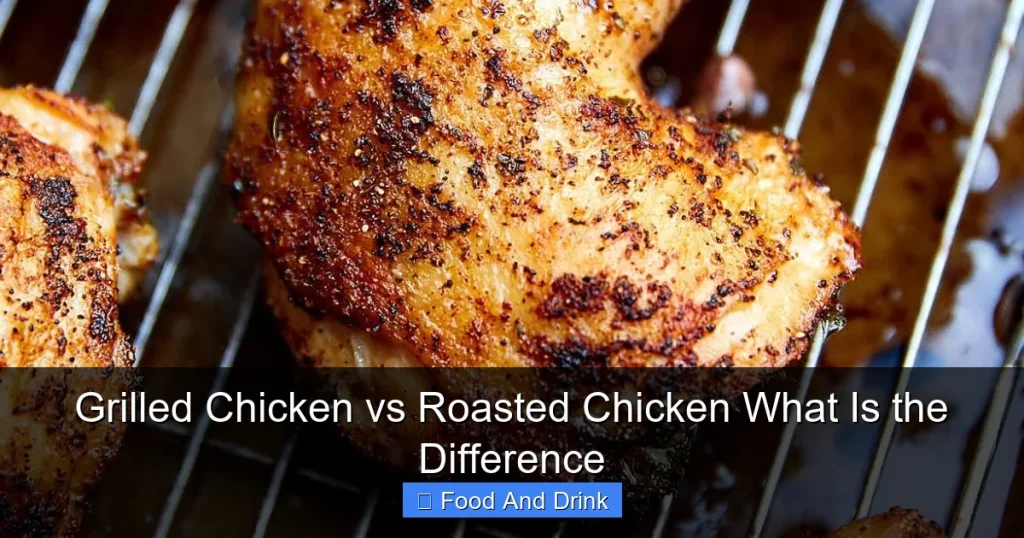

Grilled chicken and roasted chicken may both start with the same bird, but they end up tasting and feeling completely different on your plate. The way you cook them—direct flame vs. dry oven heat—shapes everything from crispness to juiciness. Whether you’re meal prepping or hosting dinner, knowing the difference helps you pick the right method for the right moment.
Key Takeaways
- Cooking Method: Grilled chicken is cooked over direct, high heat (usually on a grill), while roasted chicken is cooked in an oven using dry, indirect heat.
- Flavor Profile: Grilled chicken has a smoky, charred flavor from the grill, while roasted chicken offers a rich, buttery, and evenly seasoned taste.
- Texture: Grilled chicken tends to have a crisp exterior and slightly firmer texture, whereas roasted chicken is tender, juicy, and often fall-off-the-bone.
- Skin Quality: Roasted chicken skin becomes golden and crispy when properly cooked, while grilled chicken skin may char or burn if not monitored closely.
- Best Cuts: Grilling works best with boneless breasts, thighs, or skewers; roasting shines with whole birds, bone-in pieces, or stuffed cuts.
- Equipment Needed: Grilling requires a grill (gas, charcoal, or electric), while roasting needs an oven, roasting pan, and often a rack.
- Ideal Occasions: Grill for summer BBQs, quick weeknights, or smoky flavors; roast for holidays, family dinners, or when you want deep, comforting flavor.
Quick Answers to Common Questions
Is grilled chicken healthier than roasted chicken?
Not necessarily. Grilled chicken can be lower in fat if cooked without added oils, but roasted chicken cooked with skin and butter may have more calories. Both can be healthy depending on preparation.
Can I roast chicken on the grill?
Yes! Use indirect heat by turning off one side of a gas grill or piling coals to one side. Place the chicken on the cooler side and cover to mimic oven roasting.
Why is my grilled chicken dry?
It’s likely overcooked or not marinated. Use a meat thermometer, cook over medium heat, and marinate lean cuts like breasts for at least 30 minutes.
How do I get crispy skin on roasted chicken?
Pat the skin dry, season well, and roast at a high temperature (425°F) for the last 15–20 minutes. Using a rack also helps crisp the skin evenly.
Can I use the same seasoning for grilled and roasted chicken?
Yes, but adjust the method. Grilled chicken benefits from wet marinades, while roasted chicken works better with dry rubs or herb butter under the skin.
📑 Table of Contents
- Grilled Chicken vs Roasted Chicken: What Is the Difference?
- How Cooking Methods Shape Flavor and Texture
- Flavor Profiles: Smoke vs. Spice vs. Simplicity
- Texture and Mouthfeel: Crispy vs. Tender
- Best Cuts for Each Method
- Equipment and Setup: Grill vs. Oven
- Timing and Temperature: Mastering the Cook
- Health and Nutrition: Which Is Healthier?
- Best Occasions and Serving Ideas
- Common Mistakes and How to Avoid Them
- Conclusion: Choosing the Right Method for Your Meal
Grilled Chicken vs Roasted Chicken: What Is the Difference?
When it comes to cooking chicken, two of the most popular methods are grilling and roasting. Both deliver delicious results, but they’re as different as summer barbecues and Sunday family dinners. If you’ve ever stood over a sizzling grill or pulled a golden bird from the oven, you’ve likely noticed how each method transforms the same cut of meat in unique ways.
Grilled chicken sizzles over open flames, absorbing that unmistakable smoky aroma that makes your mouth water. It’s quick, bold, and perfect for warm-weather gatherings. Roasted chicken, on the other hand, bakes slowly in the oven, developing a deep, savory flavor and a tender texture that melts in your mouth. It’s the kind of dish that fills your kitchen with comforting aromas and makes everyone gather around the table.
So, what really sets them apart? It’s not just the equipment—it’s the entire cooking experience. From heat source to timing, seasoning to serving, every step influences the final bite. Whether you’re a weekend grill master or a home roaster who loves a golden-brown crust, understanding these differences helps you choose the right method for your meal, mood, and menu.
How Cooking Methods Shape Flavor and Texture
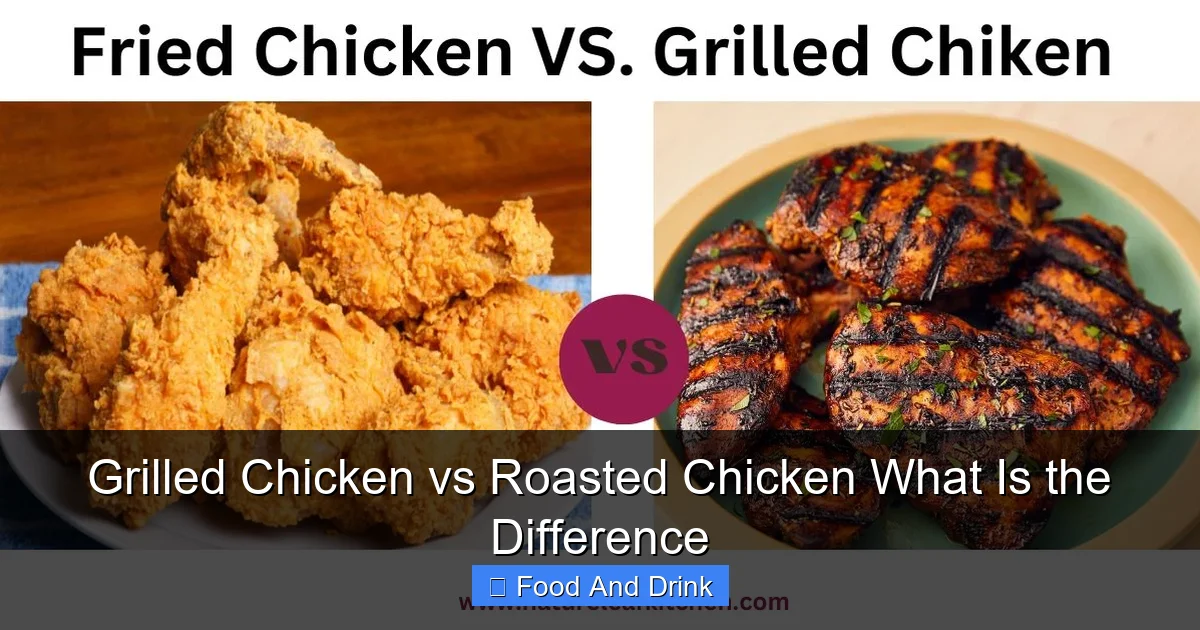
Visual guide about Grilled Chicken vs Roasted Chicken What Is the Difference
Image source: natureleafkitchen.com
The biggest difference between grilled and roasted chicken lies in how heat is applied. Grilling uses direct, high heat from below—usually from gas flames, charcoal, or an electric element. This method sears the surface quickly, creating a flavorful crust while keeping the inside moist. The intense heat also imparts a smoky, slightly charred taste that’s hard to replicate.
Roasting, by contrast, uses dry, indirect heat that surrounds the chicken in a closed oven. The heat circulates evenly, cooking the meat slowly and gently. This allows flavors to develop deeply, especially when herbs, butter, or aromatics are added. The result is a rich, buttery taste with a golden, crispy skin—especially when the chicken is roasted at high heat toward the end.
The Science of the Sear
When chicken hits a hot grill, the Maillard reaction kicks in. This chemical process between amino acids and sugars creates that delicious browned, complex flavor we associate with seared meats. Grilling maximizes this reaction because of the high, direct heat. You’ll often see grill marks—those dark, crisscrossed lines—that not only look appetizing but add texture and taste.
Roasting also triggers the Maillard reaction, but more slowly and evenly. Because the oven heat surrounds the chicken, browning happens all over, not just on one side. This leads to a uniformly golden exterior. Some cooks even start roasting at a lower temperature to keep the meat juicy, then crank up the heat at the end to crisp the skin.
Moisture and Juiciness
Grilling can dry out chicken if not done carefully. The high heat evaporates moisture quickly, especially with lean cuts like boneless breasts. That’s why marinating is so important for grilled chicken—it adds moisture and flavor while helping prevent dryness.
Roasting, especially with bone-in, skin-on cuts, retains more natural juices. The skin acts as a barrier, trapping steam and fat that bastes the meat from above. Whole roasted chickens often come out incredibly tender, with meat that practically falls off the bone. Brining or buttering the skin before roasting can enhance this effect even more.
Flavor Profiles: Smoke vs. Spice vs. Simplicity
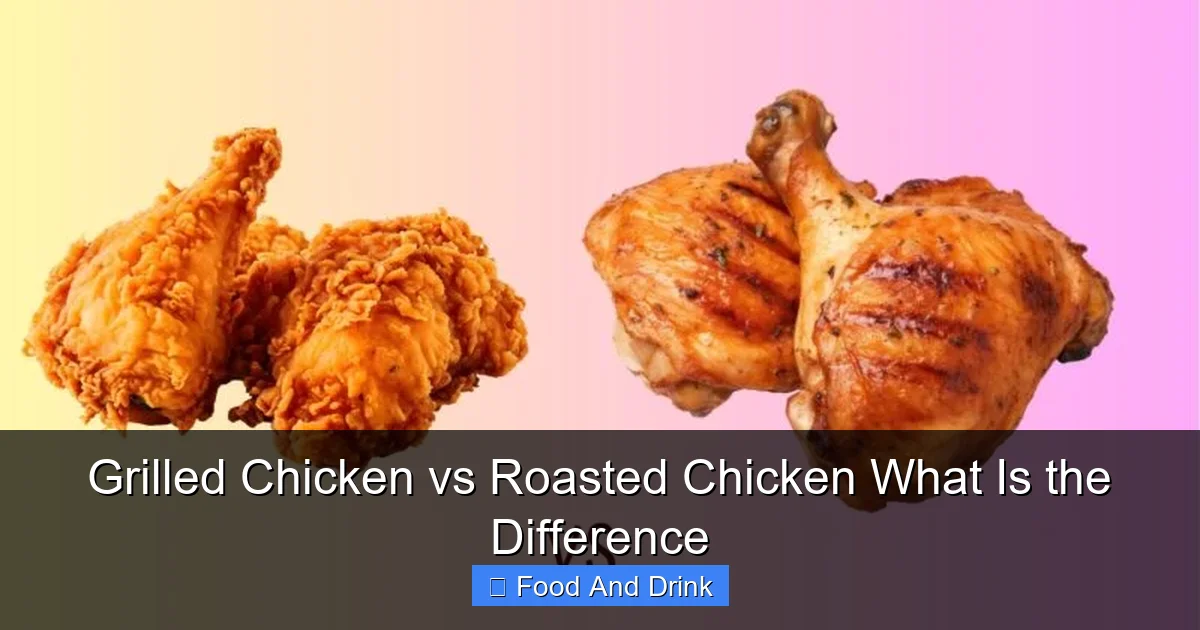
Visual guide about Grilled Chicken vs Roasted Chicken What Is the Difference
Image source: mtwildflowerkitchen.com
Flavor is where grilled and roasted chicken really diverge. Grilled chicken often carries a bold, smoky taste from the grill—especially if you’re using charcoal or wood chips. This smokiness pairs perfectly with tangy marinades, spicy rubs, or citrus-based sauces. Think lemon-garlic grilled thighs or chipotle-rubbed breasts sizzling over coals.
Roasted chicken, on the other hand, lets the natural flavor of the meat shine. It’s richer and more savory, with a buttery depth that comes from slow cooking and fat rendering. Herbs like rosemary, thyme, and sage infuse the skin and meat, creating a fragrant, comforting aroma. A simple roast chicken with salt, pepper, and butter can taste like a masterpiece.
Marinades and Rubs: What Works Best?
For grilled chicken, marinades are almost essential. A good marinade—like yogurt-based tandoori, soy-ginger, or Italian herb—not only adds flavor but also tenderizes the meat and helps retain moisture. Acidic ingredients like lemon juice or vinegar break down proteins, making the chicken more tender.
Roasted chicken benefits more from dry rubs or herb butter. A rub with paprika, garlic powder, onion powder, and brown sugar can create a flavorful crust. Or, you can slide pats of herb butter under the skin to baste the meat from within as it roasts. This method keeps the chicken juicy and adds a luxurious richness.
Sauce and Serving Styles
Grilled chicken is often served with bold, complementary sauces—barbecue, chimichurri, or spicy aioli. These sauces enhance the smoky flavor and add a fresh contrast. It’s common to see grilled chicken in tacos, salads, or skewers, where the charred edges add texture.
Roasted chicken is usually served as a centerpiece, often with pan juices or a simple gravy made from the drippings. It pairs well with roasted vegetables, mashed potatoes, or crusty bread to soak up the flavorful juices. Leftover roasted chicken is perfect for sandwiches, soups, or casseroles.
Texture and Mouthfeel: Crispy vs. Tender

Visual guide about Grilled Chicken vs Roasted Chicken What Is the Difference
Image source: mtwildflowerkitchen.com
Texture is a major differentiator. Grilled chicken typically has a firmer, slightly chewier bite, especially on the outside where it’s seared. The skin, if left on, can become crisp but may also char if the heat is too high. Boneless grilled chicken breasts can be tender if marinated and cooked properly, but they’re more prone to drying out.
Roasted chicken, especially when cooked with the skin on, delivers a melt-in-your-mouth tenderness. The slow, even heat breaks down connective tissues, making dark meat particularly succulent. The skin puffs up and turns golden and crispy—many consider it the best part of the bird.
Bone-In vs. Boneless
Bone-in chicken retains more moisture and flavor in both methods, but it’s especially beneficial for roasting. The bone conducts heat slowly, helping the meat cook evenly and stay juicy. Whole roasted chickens are almost always bone-in for this reason.
Grilling bone-in pieces like thighs or drumsticks works well, but they take longer to cook through. Boneless cuts grill faster and are easier to flip, making them ideal for quick meals or skewers. Just be sure to monitor the temperature to avoid overcooking.
Skin: The Golden Crown
Roasted chicken skin is legendary. When roasted properly, it becomes crackling-crisp and deeply flavorful. To achieve this, pat the skin dry before cooking, season generously, and roast at a high temperature (425°F/220°C) for the last 15–20 minutes.
Grilled chicken skin is trickier. It can burn easily due to direct flame contact. To prevent this, keep the grill at medium heat, oil the grates, and avoid moving the chicken too soon. Some grillers remove the skin altogether for a leaner option, but you lose that rich, crispy texture.
Best Cuts for Each Method
Not all chicken cuts are created equal when it comes to grilling or roasting. Choosing the right cut ensures the best texture, flavor, and cooking results.
Top Cuts for Grilling
– Boneless, Skinless Breasts: Quick-cooking and lean, perfect for marinades and skewers. Best grilled over medium heat to avoid drying out.
– Chicken Thighs (Boneless or Bone-In): More forgiving than breasts, with higher fat content that keeps them juicy. Great for grilling with bold rubs or sauces.
– Chicken Skewers or Kebabs: Cubed chicken threaded with vegetables. Cooks fast and absorbs marinades well.
– Drumsticks: Flavorful and fun to eat, with skin that crisps nicely on the grill.
Top Cuts for Roasting
– Whole Chicken: The classic roast. Cooks evenly, stays juicy, and makes a stunning centerpiece.
– Bone-In, Skin-On Breasts: Retain moisture and develop a crispy skin. Ideal for roasting with herbs and butter.
– Chicken Thighs and Legs: Perfect for slow roasting. Become incredibly tender and flavorful.
– Spatchcocked Chicken: A whole chicken flattened for even cooking. Roasts faster and more evenly than traditional methods.
What to Avoid
Avoid grilling very lean cuts like boneless breasts without marinating—they dry out fast. Similarly, don’t roast skinless chicken at high heat for too long, or it will lose moisture. Always use a meat thermometer to ensure safe internal temperatures (165°F/74°C).
Equipment and Setup: Grill vs. Oven
The tools you use make a big difference in the final result. Grilling and roasting require different setups, each with its own learning curve.
Grilling Essentials
– Grill Type: Gas grills offer convenience and control; charcoal grills provide superior smokiness; electric grills are great for indoor use.
– Grill Grates: Clean and oil them before cooking to prevent sticking.
– Thermometer: A meat thermometer is crucial for checking doneness without cutting into the meat.
– Tongs and Spatula: Use long-handled tools to flip chicken safely.
– Chimney Starter (for charcoal): Lights coals evenly without lighter fluid.
Roasting Essentials
– Oven: Preheat to the right temperature (usually 375°F–425°F / 190°C–220°C).
– Roasting Pan: A sturdy pan with a rack elevates the chicken, allowing heat to circulate.
– Meat Thermometer: Insert into the thickest part of the thigh (without touching bone) to check for 165°F.
– Basting Brush: For applying butter, oil, or marinade during roasting.
– Kitchen Twine: Ties legs together for even cooking in whole birds.
Indoor vs. Outdoor Cooking
Grilling is often associated with outdoor cooking—backyards, patios, or campfires. It’s social, smoky, and perfect for warm days. Roasting happens indoors, making it a year-round option, especially in colder months. Some people use indoor grills or broilers to mimic grilling, but the flavor won’t be the same as an open flame.
Timing and Temperature: Mastering the Cook
Cooking time and temperature are critical for both methods. Overcooking leads to dry, tough chicken; undercooking is unsafe.
Grilling Times
– Boneless Breasts: 6–8 minutes per side over medium heat (350°F–375°F / 175°C–190°C).
– Bone-In Thighs: 10–12 minutes per side.
– Drumsticks: 12–15 minutes, turning occasionally.
– Skewers: 10–12 minutes, rotating every few minutes.
Use a meat thermometer to confirm the internal temperature reaches 165°F. Let grilled chicken rest for 5 minutes before slicing to retain juices.
Roasting Times
– Whole Chicken (3–4 lbs): 20 minutes per pound at 375°F (190°C), or until internal temp hits 165°F.
– Bone-In Breasts: 35–45 minutes at 375°F.
– Thighs or Legs: 40–50 minutes.
– Spatchcocked Chicken: 45–55 minutes at 425°F (220°C) for faster, even cooking.
For extra crispy skin, increase the oven temperature to 425°F for the last 15 minutes. Always let roasted chicken rest for 10–15 minutes before carving.
Resting Is Key
Both grilled and roasted chicken benefit from resting. This allows juices to redistribute, ensuring every bite is moist and flavorful. Cover loosely with foil to keep warm.
Health and Nutrition: Which Is Healthier?
When it comes to health, both methods can be nutritious—depending on how you prepare them.
Fat and Calories
Grilled chicken is often seen as the healthier option because it doesn’t require added fats. However, marinades with oil or sauces can increase calories. Removing the skin reduces fat significantly.
Roasted chicken can be higher in fat, especially if cooked with butter or skin on. But the fat contributes to flavor and satiety. Using skinless cuts or draining excess fat after roasting can make it lighter.
Smoke and Carcinogens
Charring meat on a grill can produce heterocyclic amines (HCAs) and polycyclic aromatic hydrocarbons (PAHs), which are linked to cancer in high amounts. To reduce risk:
– Avoid flare-ups and excessive charring.
– Marinate chicken before grilling (acidic marinades reduce HCA formation).
– Trim excess fat to prevent dripping and smoke.
Roasting produces fewer harmful compounds, making it a safer option for regular cooking.
Retention of Nutrients
Both methods preserve most of chicken’s protein, B vitamins, and minerals. Slow roasting may retain slightly more moisture-soluble nutrients, while grilling can cause some loss due to high heat. Overall, the difference is minimal.
Best Occasions and Serving Ideas
Choosing between grilled and roasted chicken often depends on the occasion.
When to Grill
– Summer BBQs and picnics
– Quick weeknight dinners
– Outdoor gatherings with friends
– When you want smoky, bold flavors
– For meal prep with bold marinades
Serve grilled chicken with grilled veggies, corn on the cob, or a fresh salad. It’s also great in wraps, tacos, or grain bowls.
When to Roast
– Holiday dinners (Thanksgiving, Christmas)
– Family Sunday roasts
– Comfort food nights
– When you want a hands-off, aromatic meal
– For making leftovers (soup, sandwiches, casseroles)
Pair roasted chicken with mashed potatoes, roasted carrots, stuffing, or a rich gravy. Leftovers make excellent chicken salad or pot pie.
Creative Twists
– Grilled: Try pineapple salsa on grilled chicken, or serve with a mango-avocado salad.
– Roasted: Stuff the cavity with lemon, garlic, and herbs for extra flavor. Or roast with root vegetables for a one-pan meal.
Common Mistakes and How to Avoid Them
Even experienced cooks make errors. Here’s how to avoid the most common pitfalls.
Grilling Mistakes
– Flare-ups: Caused by dripping fat. Trim excess fat and keep a spray bottle of water handy.
– Sticking: Oil the grates and let the chicken sear before flipping.
– Overcooking: Use a thermometer and avoid high heat for lean cuts.
– No marinade: Always marinate boneless breasts for at least 30 minutes.
Roasting Mistakes
– Not preheating the oven: Always preheat for even cooking.
– Overcrowding the pan: Leave space around the chicken for proper browning.
– Skipping the rack: Use a roasting rack to lift the chicken and crisp the skin.
– Not resting: Let the chicken rest to keep it juicy.
General Tips
– Season generously—chicken needs salt and flavor.
– Use a meat thermometer—don’t guess.
– Let chicken come to room temperature before cooking for even results.
Conclusion: Choosing the Right Method for Your Meal
So, which is better—grilled chicken or roasted chicken? The truth is, there’s no winner. It all depends on what you’re craving, the occasion, and the flavors you want.
Grilled chicken brings bold, smoky excitement to your plate. It’s fast, flavorful, and perfect for outdoor fun. Roasted chicken offers comfort, richness, and a timeless appeal that warms the soul. It’s the kind of meal that brings people together.
Both methods have their place in a well-rounded kitchen. Master both, and you’ll never run out of delicious ways to enjoy chicken. Whether you’re firing up the grill on a sunny afternoon or filling your home with the aroma of a roasting bird, you’re in for a treat.
So next time you’re planning dinner, ask yourself: Do I want smoky and quick, or rich and slow? Your answer will guide you to the perfect chicken—every time.
🎥 Related Video: Gamma Cooks – Baked vs. Grilled Chicken
📺 Gamma Spidey
What’s the difference when you roast your chicken rather than grill it? Link to the marinade video: https://youtu.be/V_qIGDn9lEo …
Frequently Asked Questions
What is the main difference between grilled and roasted chicken?
The main difference is the cooking method. Grilled chicken is cooked over direct, high heat on a grill, giving it a smoky, charred flavor. Roasted chicken is cooked in an oven using dry, indirect heat, resulting in a tender, juicy texture with rich, buttery notes.
Which cooking method is faster?
Grilling is generally faster, especially for boneless cuts like breasts or thighs, which cook in 10–15 minutes. Roasting takes longer—usually 30–60 minutes depending on the cut—because it uses lower, slower heat.
Does grilled chicken taste smokier than roasted chicken?
Yes, grilled chicken often has a distinct smoky flavor, especially when cooked over charcoal or wood. Roasted chicken lacks this smokiness and instead develops deep, savory flavors from herbs, butter, and slow cooking.
Can I get crispy skin on grilled chicken?
It’s possible, but tricky. Grilled chicken skin can crisp up if the grill is hot and the skin is dry, but it’s prone to burning. Roasting is more reliable for achieving consistently crispy, golden skin.
Which method is better for meal prep?
Grilled chicken is often preferred for meal prep because it’s quick, holds up well in containers, and pairs easily with salads, grains, or wraps. Roasted chicken is also great, especially for making soups or casseroles with leftovers.
Is one method safer than the other?
Roasting is generally safer because it produces fewer harmful compounds like HCAs and PAHs, which can form when meat is charred over high heat. To make grilling safer, avoid flare-ups, marinate the chicken, and don’t over-char.