

Grilled chicken and crispy chicken fritta may both start with the same protein, but they’re worlds apart in taste, texture, and cooking technique. Grilled chicken is lean, smoky, and healthy, while crispy chicken fritta is golden, crunchy, and indulgent—each offering a unique dining experience.
When it comes to chicken, few dishes are as universally loved—or as easily confused—as grilled chicken and crispy chicken fritta. At first glance, they might seem similar: both feature chicken as the star ingredient, and both can be found on menus from fast food joints to fine dining restaurants. But dig a little deeper, and you’ll find that these two preparations are fundamentally different in how they’re made, how they taste, and how they fit into your lifestyle.
Grilled chicken is all about simplicity and purity of flavor. Cooked over an open flame or on a hot grill pan, it develops a light char on the outside while staying moist and tender inside. The smoky aroma, the slight caramelization, the way the juices sizzle as they hit the heat—it’s a sensory experience that celebrates the natural qualities of the meat. On the other hand, crispy chicken fritta is a celebration of texture and indulgence. Whether it’s breaded, battered, or coated in a seasoned crust, this chicken is fried until golden and crunchy, delivering a satisfying crunch with every bite. It’s rich, savory, and undeniably delicious—but it comes with a higher calorie count and more fat.
So why does this distinction matter? Because understanding the difference between grilled chicken and crispy chicken fritta can help you make smarter food choices, whether you’re trying to eat healthier, impress guests at a dinner party, or simply satisfy a craving. It’s not just about taste—it’s about nutrition, cooking technique, and how each dish fits into your overall diet. In this article, we’ll break down everything you need to know about these two popular chicken preparations, from their origins and cooking methods to their nutritional profiles and best uses in meals.
Key Takeaways
- Grilled chicken is cooked over direct heat, resulting in a smoky flavor and tender, juicy texture with minimal added fat.
- Crispy chicken fritta is deep-fried or pan-fried, creating a crunchy exterior and rich, savory taste due to the breading and oil absorption.
- Grilling preserves more nutrients and is lower in calories and fat, making it a healthier choice for weight management.
- Fritta-style chicken uses a coating like flour, breadcrumbs, or batter, which adds texture and locks in moisture during frying.
- Grilled chicken absorbs marinades well, allowing for bold flavors without extra calories, while fritta relies on seasoning in the coating.
- Both can be part of a balanced diet, but portion control and cooking method matter—grilled for everyday meals, fritta for occasional treats.
- Understanding the difference helps you choose the right option based on your health goals, taste preferences, and meal context.
Quick Answers to Common Questions
What is the main difference between grilled chicken and crispy chicken fritta?
The main difference is the cooking method: grilled chicken is cooked over direct heat, resulting in a smoky, tender texture, while crispy chicken fritta is breaded and fried, creating a crunchy exterior and rich flavor.
Which is healthier: grilled chicken or crispy chicken fritta?
Grilled chicken is generally healthier, as it’s lower in calories, fat, and sodium. Crispy chicken fritta is higher in fat and calories due to the breading and frying process.
Can I make crispy chicken fritta without deep-frying?
Yes! You can pan-fry with minimal oil or use an air fryer to achieve a crispy texture with less fat.
What cuts of chicken work best for grilling?
Boneless, skinless breasts, thighs, and drumsticks are ideal for grilling. Thighs are especially flavorful and resist drying out.
How do I prevent grilled chicken from drying out?
Marinate the chicken, avoid overcooking, and use a meat thermometer to ensure it reaches 165°F (74°C) without going over.
📑 Table of Contents
What Is Grilled Chicken?
Grilled chicken is exactly what it sounds like: chicken that has been cooked over direct heat, typically on a grill, grill pan, or open flame. This method of cooking has been around for centuries and is deeply rooted in many culinary traditions, from Mediterranean kebabs to American backyard barbecues. The hallmark of grilled chicken is its clean, smoky flavor and tender, juicy texture. Unlike frying, grilling doesn’t require added fats or oils, which means the chicken retains its natural moisture while absorbing the subtle char and aroma of the heat source.
How Is Grilled Chicken Prepared?
The process of making grilled chicken starts with selecting the right cut—usually boneless, skinless breasts, thighs, or drumsticks. The chicken is often marinated for several hours (or even overnight) to infuse it with flavor and keep it moist during cooking. Common marinades include olive oil, lemon juice, garlic, herbs like rosemary or thyme, and spices such as paprika or cumin. Once marinated, the chicken is placed on a preheated grill or grill pan and cooked until it reaches an internal temperature of 165°F (74°C), ensuring it’s safe to eat while remaining tender.
One of the key advantages of grilling is the Maillard reaction—a chemical process that occurs when proteins and sugars in the meat react to high heat, creating that desirable browned, flavorful crust. This reaction gives grilled chicken its distinctive taste and appealing appearance. Because the chicken isn’t submerged in oil, it absorbs minimal fat, making it a leaner option compared to fried alternatives.
Popular Varieties of Grilled Chicken
Grilled chicken comes in many forms depending on regional and cultural influences. In Mediterranean cuisine, you’ll find grilled chicken skewers (like souvlaki) seasoned with oregano, lemon, and olive oil. In Latin American cooking, chicken is often marinated in citrus and chili-based sauces before grilling, as seen in dishes like Peruvian pollo a la brasa. In the American South, grilled chicken is a staple at barbecues, often basted with tangy or sweet barbecue sauce during cooking.
Another popular variation is grilled chicken breast, which is commonly used in salads, wraps, and sandwiches due to its versatility and low fat content. Grilled chicken thighs, with their higher fat content, are especially flavorful and resistant to drying out, making them ideal for longer cooking times or high-heat grilling.
Health Benefits of Grilled Chicken
Grilled chicken is widely regarded as one of the healthiest ways to enjoy chicken. Because it’s cooked without added oils or breading, it’s naturally lower in calories and fat. A 3-ounce serving of grilled chicken breast contains about 140 calories and 3 grams of fat, compared to the same amount of fried chicken, which can have over 300 calories and 15 grams of fat. Grilling also helps preserve more of the chicken’s natural nutrients, including protein, B vitamins, and selenium.
Additionally, grilling allows you to control the ingredients in your marinade, avoiding unnecessary sugars, sodium, and preservatives often found in pre-packaged or restaurant versions. This makes grilled chicken an excellent choice for people managing their weight, blood pressure, or cholesterol levels.
What Is Crispy Chicken Fritta?
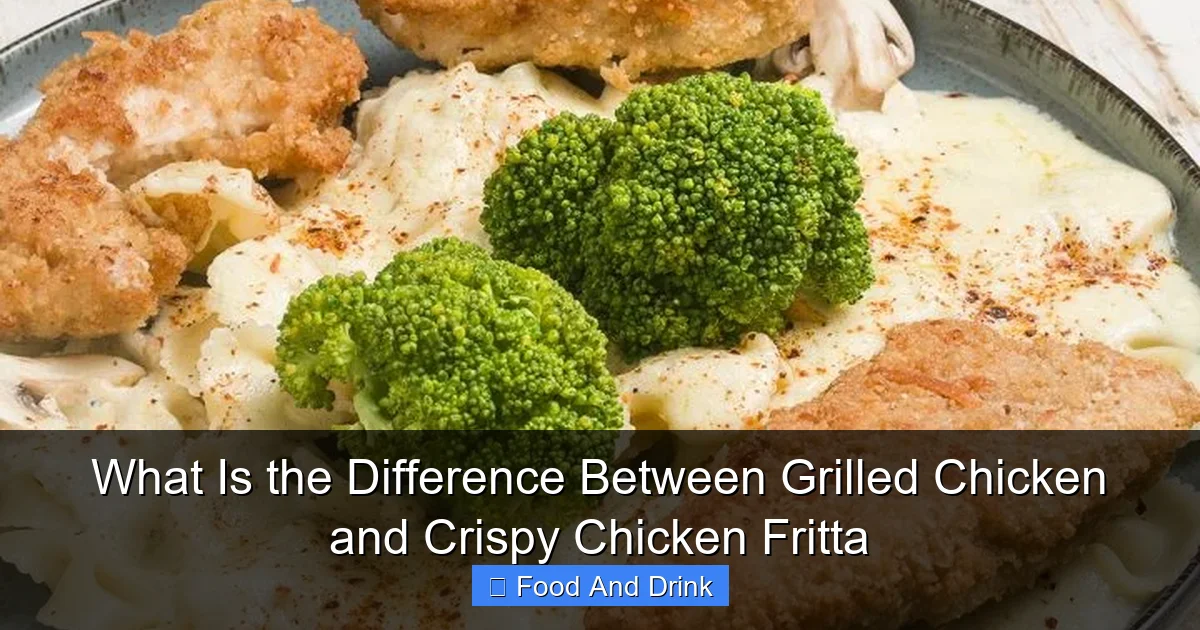
Visual guide about What Is the Difference Between Grilled Chicken and Crispy Chicken Fritta
Image source: halfscratched.com
Crispy chicken fritta is a term that combines Italian and culinary influences—“fritta” means “fried” in Italian—and refers to chicken that has been breaded or battered and then fried until golden and crunchy. This method of preparation transforms the texture of the chicken, giving it a satisfyingly crisp exterior while keeping the inside moist and tender. The result is a rich, savory dish that’s beloved in many cultures, from Southern fried chicken to Japanese karaage and Italian chicken cutlets.
How Is Crispy Chicken Fritta Prepared?
The process of making crispy chicken fritta begins with cutting the chicken into manageable pieces—often breasts, thighs, or tenders. The chicken is then seasoned, either with salt and pepper or a more complex spice blend, and coated in a layer of flour, breadcrumbs, or batter. Some recipes use a double-coating technique: first dredging the chicken in flour, then dipping it in beaten egg, and finally coating it in breadcrumbs or panko for extra crunch.
Once coated, the chicken is fried in hot oil—either deep-fried or pan-fried—until it reaches a golden brown color and an internal temperature of 165°F (74°C). Deep-frying submerges the chicken completely in oil, ensuring even cooking and maximum crispiness, while pan-frying uses less oil and is a slightly healthier alternative. The frying process seals in moisture, preventing the chicken from drying out, while the coating absorbs some of the oil, adding richness and flavor.
Popular Varieties of Crispy Chicken Fritta
Crispy chicken fritta appears in many global cuisines, each with its own twist. In the American South, it’s the star of classic fried chicken, often served with mashed potatoes, collard greens, and biscuits. In Japan, karaage features bite-sized pieces of chicken marinated in soy sauce, ginger, and garlic, then coated in potato starch and deep-fried for a light, crispy texture. In Italy, chicken cutlets (scaloppine) are breaded and pan-fried, often served with lemon and capers.
Another popular version is chicken tenders or strips, which are breaded and fried chicken breast pieces commonly found in fast food and casual dining. These are often served with dipping sauces like honey mustard, ranch, or barbecue sauce, enhancing their flavor and appeal.
Flavor and Texture Profile
The defining characteristic of crispy chicken fritta is its texture: a crunchy, golden crust that gives way to tender, juicy meat inside. The exterior is rich and savory, often enhanced by seasonings in the breading, such as garlic powder, onion powder, paprika, or herbs. The frying process also imparts a slight oiliness, which adds depth and richness to the flavor.
Because the chicken is coated before frying, it retains more moisture than grilled chicken, making it less likely to dry out—even if slightly overcooked. However, this comes at the cost of added calories and fat, as the breading absorbs oil during frying. The result is a dish that’s indulgent and satisfying, perfect for special occasions or comfort food cravings.
Cooking Methods Compared

Visual guide about What Is the Difference Between Grilled Chicken and Crispy Chicken Fritta
Image source: thedomesticspoon.com
The most significant difference between grilled chicken and crispy chicken fritta lies in their cooking methods. Grilling uses dry heat from an open flame or hot surface, while frying relies on hot oil to cook the chicken. These methods produce vastly different results in terms of texture, flavor, and nutritional content.
Heat Source and Technique
Grilling involves placing the chicken directly over a heat source—such as charcoal, gas, or electric grills—allowing the outside to sear while the inside cooks through. The high heat creates a charred exterior and locks in juices, resulting in a smoky, slightly caramelized flavor. Grilling is a dry-heat method, meaning no additional fats are needed, though marinades can enhance moisture and taste.
Frying, on the other hand, uses oil as the heat conductor. In deep-frying, the chicken is fully submerged in hot oil (usually between 350°F and 375°F), which cooks it quickly and evenly while creating a crisp crust. Pan-frying uses less oil, with the chicken cooked in a skillet until golden on both sides. Both methods rely on the oil to transfer heat and create the signature crunch of crispy chicken fritta.
Impact on Texture and Flavor
The cooking method directly affects the texture and flavor of the chicken. Grilled chicken has a firm yet tender bite, with a subtle char and smoky aroma. It’s lean and clean-tasting, allowing the natural flavor of the meat and marinade to shine. Because it’s not coated, grilled chicken doesn’t have a crispy exterior—instead, it develops a light sear that adds depth without heaviness.
Crispy chicken fritta, by contrast, is all about contrast: the crunchy, golden crust versus the soft, juicy interior. The breading or batter absorbs seasonings and oil, creating a rich, savory flavor that’s hard to resist. The frying process also seals in moisture, preventing the chicken from drying out, which is especially helpful for lean cuts like breast meat.
Equipment and Skill Level
Grilling requires a grill or grill pan, which may not be accessible to everyone, especially those living in apartments or areas with strict fire regulations. It also demands attention to prevent burning, as high heat can quickly char the chicken if not monitored. However, grilling is relatively simple once you master temperature control and timing.
Frying, especially deep-frying, requires more equipment—a deep fryer or heavy-bottomed pot, thermometer, and plenty of oil—and carries a higher risk of splattering and burns. It also produces more cleanup and odor. Pan-frying is more accessible but still requires careful monitoring to avoid overcooking or uneven browning.
Nutritional Differences

Visual guide about What Is the Difference Between Grilled Chicken and Crispy Chicken Fritta
Image source: thedomesticspoon.com
When it comes to nutrition, grilled chicken and crispy chicken fritta are on opposite ends of the spectrum. While both provide high-quality protein, their fat, calorie, and sodium content differ significantly due to cooking methods and ingredients.
Calorie and Fat Content
A 3-ounce serving of grilled chicken breast contains approximately 140 calories and 3 grams of fat, most of which is unsaturated. In contrast, the same serving of crispy chicken fritta can contain 250 to 350 calories and 12 to 18 grams of fat, depending on the coating and frying method. Much of this fat comes from the oil absorbed during frying, as well as the added fats in the breading or batter.
For example, a typical breaded and fried chicken tender might have over 200 calories and 10 grams of fat, while a grilled chicken tender of the same size would have around 120 calories and 2 grams of fat. Over time, these differences can add up, especially if fried chicken is consumed regularly.
Sodium and Additives
Crispy chicken fritta often contains higher levels of sodium due to seasonings in the breading and the use of pre-made mixes or restaurant preparations. Many commercial breading blends include salt, monosodium glutamate (MSG), and other flavor enhancers that can contribute to excessive sodium intake. Grilled chicken, especially when marinated at home, allows for better control over sodium levels.
Additionally, fried chicken may contain trans fats if partially hydrogenated oils are used, although many restaurants and manufacturers have phased these out due to health concerns. Still, it’s important to check labels and ask about cooking oils when dining out.
Protein and Nutrient Retention
Both grilled and fried chicken are excellent sources of protein, providing about 25 grams per 3-ounce serving. However, grilling tends to preserve more heat-sensitive nutrients, such as certain B vitamins, because it uses dry heat and shorter cooking times. Frying, especially at high temperatures, can degrade some vitamins and create potentially harmful compounds like acrylamide in the breading.
That said, the protein content remains largely intact in both methods, making chicken a valuable part of a balanced diet regardless of how it’s cooked.
Flavor and Texture: A Sensory Comparison
Taste and texture are where grilled chicken and crispy chicken fritta truly diverge. Each offers a unique sensory experience that appeals to different preferences and occasions.
Aroma and Visual Appeal
Grilled chicken has a clean, smoky aroma that comes from the charred exterior and the Maillard reaction. Visually, it’s often marked with grill lines and a golden-brown surface, signaling that it’s been cooked over an open flame. The appearance is rustic and appetizing, especially when served with fresh herbs or a drizzle of olive oil.
Crispy chicken fritta, on the other hand, boasts a deep golden hue and a textured, craggy surface that promises crunch. The aroma is rich and savory, with hints of garlic, onion, and toasted breadcrumbs. It’s visually indulgent—perfect for comfort food lovers.
Mouthfeel and Eating Experience
When you bite into grilled chicken, you first encounter a slightly firm exterior that gives way to tender, juicy meat. The texture is consistent and satisfying, with no added crunch. It’s clean and light, allowing you to taste the natural flavor of the chicken and any marinade used.
Crispy chicken fritta delivers an immediate crunch that crackles with each bite. The contrast between the crispy shell and the soft interior is part of its appeal. The texture is bold and indulgent, making it a favorite for those who enjoy a more dramatic eating experience.
Pairing and Serving Suggestions
Grilled chicken pairs well with fresh, light sides like salads, grilled vegetables, or quinoa. It’s often served with a squeeze of lemon or a light vinaigrette to enhance its natural flavors. It’s ideal for summer meals, healthy lunches, or post-workout dinners.
Crispy chicken fritta shines when served with rich, comforting sides like mashed potatoes, coleslaw, or mac and cheese. It’s commonly accompanied by dipping sauces—ranch, honey mustard, or hot sauce—that complement its savory crunch. It’s perfect for family dinners, game days, or when you’re in the mood for something indulgent.
When to Choose Grilled vs. Crispy Chicken Fritta
Choosing between grilled chicken and crispy chicken fritta isn’t just about taste—it’s about context, health goals, and meal planning.
Health and Dietary Considerations
If you’re watching your calorie or fat intake, grilled chicken is the clear winner. It’s lower in calories, fat, and sodium, making it a better choice for daily meals or weight management. It’s also ideal for people with heart health concerns or those following a Mediterranean or low-fat diet.
Crispy chicken fritta, while delicious, should be enjoyed in moderation due to its higher fat and calorie content. It’s best reserved for special occasions or occasional treats. If you do choose to eat it regularly, consider healthier frying methods—like air frying or using minimal oil—to reduce fat absorption.
Occasion and Setting
Grilled chicken is perfect for casual weeknight dinners, outdoor barbecues, or healthy meal prep. It’s versatile, easy to customize, and pairs well with a variety of cuisines. It’s also a great option for feeding a crowd without breaking the bank.
Crispy chicken fritta is ideal for comfort food cravings, family gatherings, or when you want to impress with a restaurant-quality dish. It’s a crowd-pleaser that works well in sandwiches, salads (as a topping), or as a main course with hearty sides.
Cooking at Home vs. Dining Out
At home, grilled chicken is often easier and healthier to prepare, especially if you have a grill or grill pan. It requires minimal cleanup and allows for full control over ingredients.
Crispy chicken fritta is more labor-intensive at home due to the breading and frying process, but it’s still achievable with practice. When dining out, grilled chicken is usually the healthier choice, but be cautious of heavy sauces or marinades that can add hidden calories.
Tips for Making the Best Grilled and Crispy Chicken
Whether you’re grilling or frying, a few simple tips can elevate your chicken from good to great.
Grilling Tips
- Marinate for at least 2 hours—or overnight—for maximum flavor and moisture.
- Preheat your grill to medium-high heat to prevent sticking and ensure even cooking.
- Use a meat thermometer to check for doneness—165°F (74°C) is the safe internal temperature.
- Let the chicken rest for 5 minutes after grilling to retain juices.
Frying Tips
- Pat the chicken dry before breading to help the coating stick.
- Use a three-step breading process: flour, egg wash, then breadcrumbs or panko.
- Maintain oil temperature between 350°F and 375°F to prevent soggy or burnt chicken.
- Drain on a wire rack instead of paper towels to keep the crust crispy.
Conclusion
Grilled chicken and crispy chicken fritta may both start with the same humble ingredient, but they end up as two very different culinary experiences. Grilled chicken celebrates simplicity, health, and natural flavor, while crispy chicken fritta delivers indulgence, crunch, and rich satisfaction. Understanding the difference between them—from cooking methods and nutrition to taste and texture—empowers you to make informed choices that align with your lifestyle and preferences.
Whether you’re firing up the grill for a summer cookout or frying up a batch of golden tenders for a cozy dinner, both dishes have their place in a well-rounded diet. The key is balance: enjoy grilled chicken as a regular, healthy option, and savor crispy chicken fritta as a special treat. With the right techniques and a little creativity, you can master both and enjoy the best of both worlds.
🎥 Related Video: parmesan crusted chicken
📺 Aissatou | @aisyaaeats
Frequently Asked Questions
Is grilled chicken always skinless?
Not necessarily. Grilled chicken can be made with or without skin. Skin-on chicken retains more moisture and flavor but adds fat and calories.
Can I grill chicken in the winter?
Yes! Use an indoor grill pan or broiler to achieve similar results. Preheat well and monitor closely to prevent burning.
What’s the best oil for frying chicken?
Neutral oils with high smoke points, like canola, vegetable, or peanut oil, are best for frying chicken.
How long does it take to grill chicken breast?
Typically 6 to 8 minutes per side over medium-high heat, depending on thickness. Always check with a thermometer.
Can I freeze crispy chicken fritta?
Yes, but the crust may lose crispiness. Reheat in an oven or air fryer to restore texture.
Is chicken fritta the same as fried chicken?
Essentially, yes. “Fritta” means fried in Italian, so crispy chicken fritta is a type of fried chicken, often with a breaded or battered coating.