

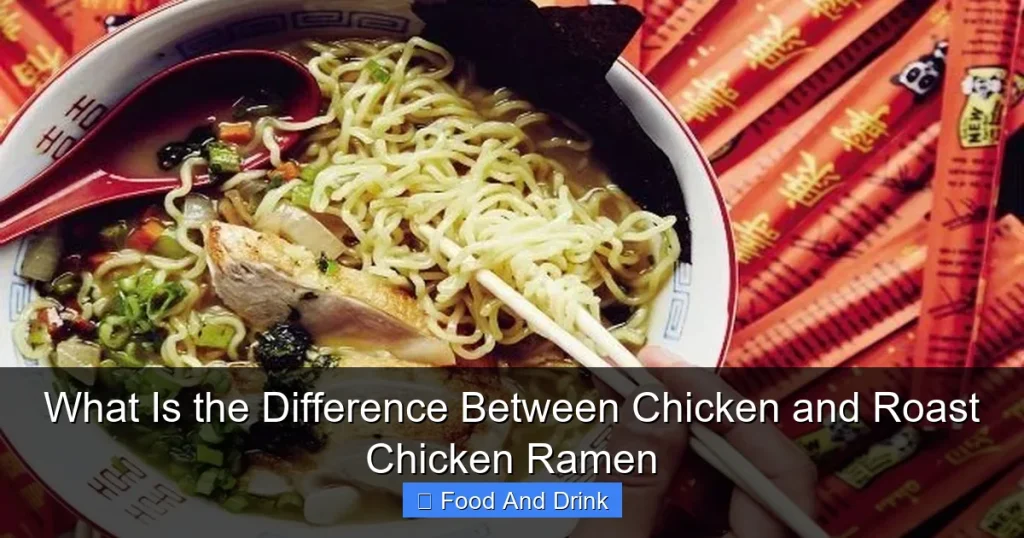

Chicken ramen uses simple poached or boiled chicken, offering a light, clean taste, while roast chicken ramen features slow-roasted or grilled chicken that adds deep, smoky richness and caramelized depth to the broth. The preparation, flavor profile, and overall experience of each style differ significantly, making them suited to different cravings and occasions.
Key Takeaways
- Chicken ramen typically features tender, poached chicken in a clear, delicate broth, ideal for a light and comforting meal.
- Roast chicken ramen uses roasted or grilled chicken, which imparts a richer, smokier flavor and adds depth to the soup base.
- The broth in roast chicken ramen is often more complex, sometimes incorporating roasted bones, skin, or drippings for added umami and body.
- Texture differs: poached chicken is soft and moist, while roast chicken has a firmer bite with crispy skin.
- Flavor intensity is higher in roast chicken ramen due to Maillard reaction and caramelization during roasting.
- Cooking time and technique vary—chicken ramen is quicker to prepare, while roast chicken ramen requires longer prep and roasting.
- Best for different moods: choose chicken ramen for simplicity and comfort, roast chicken ramen for bold, hearty satisfaction.
Quick Answers to Common Questions
What makes roast chicken ramen taste richer than regular chicken ramen?
Roast chicken ramen tastes richer because the roasting process triggers the Maillard reaction, creating deep, savory flavors. The chicken skin also renders fat, which emulsifies into the broth, adding body and umami.
Can I use rotisserie chicken for roast chicken ramen?
Yes! Rotisserie chicken is a great shortcut. Use the meat and save the bones to make a flavorful broth. Just crisp up the skin under the broiler for extra texture.
Is chicken ramen healthier than roast chicken ramen?
Chicken ramen is generally lower in fat and calories since it uses poached chicken and a lighter broth. Roast chicken ramen has more fat from the skin and drippings, but both can be part of a balanced diet.
How do I keep poached chicken from drying out in ramen?
Poach the chicken just until cooked (165°F), then let it rest before slicing. Avoid overcooking, and consider brining the chicken beforehand for extra moisture.
Can I make both styles with instant ramen noodles?
Absolutely! Use instant noodles as a base, then add your homemade chicken and broth. It’s a quick way to elevate packaged ramen into a gourmet meal.
📑 Table of Contents
Introduction: The Heart of Ramen Lies in the Chicken
Ramen is more than just noodles in broth—it’s a deeply personal, soul-warming experience that varies wildly depending on the ingredients, technique, and cultural touchstones behind each bowl. Among the many styles of ramen, chicken-based versions have gained immense popularity for their approachable flavor and comforting warmth. But not all chicken ramen is created equal. Two standout variations—chicken ramen and roast chicken ramen—offer distinctly different experiences, despite sharing the same core protein.
At first glance, the difference might seem minor: one uses plain chicken, the other uses roasted chicken. But dive deeper, and you’ll find that the preparation method, flavor development, texture, and even the broth composition can transform the entire dish. Whether you’re a ramen enthusiast, a home cook experimenting with recipes, or just someone who loves a good bowl of soup, understanding these differences can elevate your appreciation—and your next meal.
In this article, we’ll explore the nuances between chicken ramen and roast chicken ramen, from how the chicken is cooked to how it impacts the broth, garnishes, and overall dining experience. We’ll break down the science behind flavor development, offer practical tips for making both styles at home, and help you decide which version suits your cravings. So grab a spoon, and let’s dive into the delicious world of chicken-based ramen.
What Is Chicken Ramen?
Visual guide about What Is the Difference Between Chicken and Roast Chicken Ramen
Image source: i.redd.it
Chicken ramen is a classic, comforting style of ramen that centers around tender, poached, or boiled chicken served in a light to medium-bodied broth. It’s often associated with shio (salt-based) or shoyu (soy sauce-based) ramen styles, though it can also appear in lighter versions of tonkotsu or even vegetarian-inspired broths. The hallmark of traditional chicken ramen is its simplicity and clarity—both in flavor and appearance.
How Is the Chicken Prepared?
In most chicken ramen recipes, the chicken is gently poached or simmered in water or a light stock. This method preserves the meat’s natural moisture and ensures it remains tender and easy to shred. Common cuts include chicken breast, thigh, or even whole chicken pieces, depending on the recipe. The goal is to extract flavor into the broth while keeping the chicken itself mild and delicate.
For example, a typical home recipe might involve simmering a chicken breast in water with ginger, garlic, and scallions for 20–30 minutes. Once cooked, the meat is removed, cooled slightly, and either sliced or shredded before being added back to the bowl. This technique ensures the chicken doesn’t overcook and become dry when reheated in the hot broth.
Broth Characteristics
The broth in chicken ramen is usually clear or slightly cloudy, depending on whether it’s been simmered gently (for clarity) or boiled vigorously (for body). It’s often seasoned with soy sauce, salt, or miso, and may include aromatics like garlic, ginger, leeks, or dried mushrooms to build depth without overpowering the chicken.
Because the chicken isn’t roasted, the broth doesn’t pick up the rich, caramelized notes that come from browning. Instead, it offers a clean, savory base that lets the natural flavor of the chicken shine. This makes chicken ramen ideal for those who prefer lighter, less intense soups—perfect for a quick lunch or a soothing dinner on a cool evening.
Texture and Mouthfeel
The texture of the chicken in this style is soft, moist, and almost melt-in-your-mouth. There’s no crispiness or chewiness—just tender, easily biteable pieces that blend seamlessly with the noodles and broth. The overall mouthfeel of the soup is light to medium, with a smooth, comforting consistency that’s easy to sip and enjoy.
Common Garnishes and Additions
Garnishes in chicken ramen tend to be simple and fresh. You’ll often find soft-boiled eggs, sliced green onions, bamboo shoots, nori (seaweed), and menma (fermented bamboo). Some versions include corn, spinach, or mushrooms for added color and nutrition. The focus remains on balance and harmony, with each component enhancing the mild flavor of the chicken and broth.
What Is Roast Chicken Ramen?

Visual guide about What Is the Difference Between Chicken and Roast Chicken Ramen
Image source: f4.bcbits.com
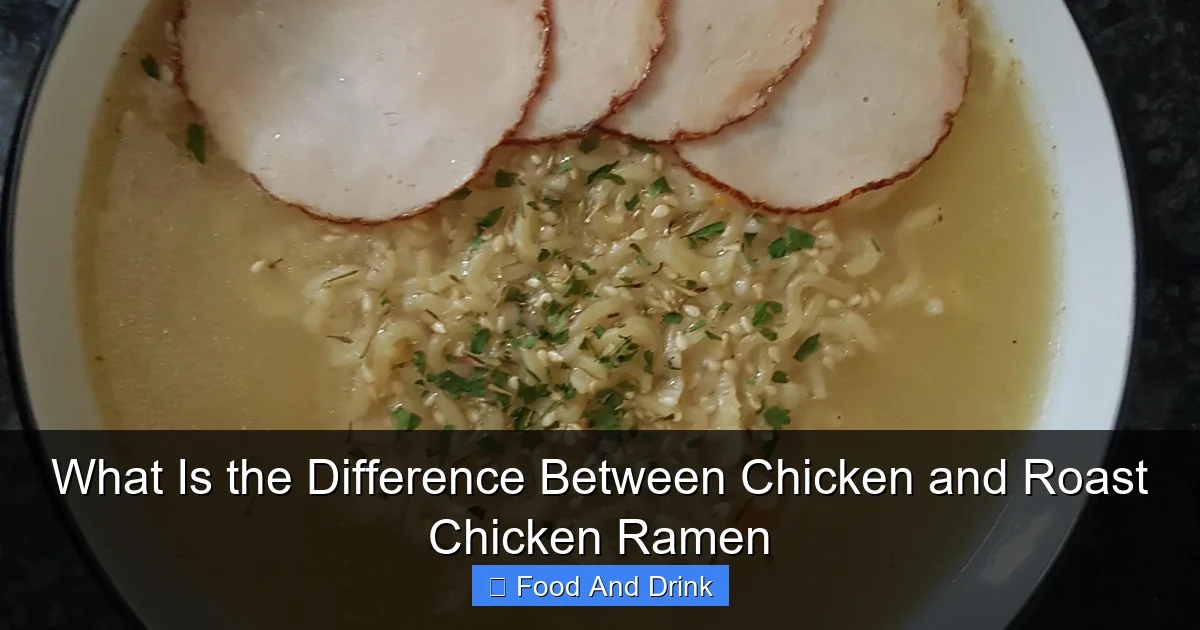
Roast chicken ramen takes the familiar concept of chicken ramen and elevates it with deeper, more complex flavors. Instead of poached chicken, this style uses roasted or grilled chicken—often with the skin on—that’s been slow-cooked to develop a golden, crispy exterior and rich, juicy interior. The result is a heartier, more robust bowl that satisfies on multiple levels.
How Is the Chicken Prepared?
Roast chicken ramen starts with whole chicken pieces—typically thighs, drumsticks, or even a whole bird—seasoned with salt, pepper, herbs, and sometimes soy sauce or miso before roasting. The chicken is cooked in a hot oven (usually around 375°F to 400°F) until the skin is golden and crisp and the meat is fully cooked through. Some recipes call for basting with butter or oil to enhance browning and moisture.
The roasting process triggers the Maillard reaction—a chemical reaction between amino acids and reducing sugars that creates hundreds of new flavor compounds. This gives the chicken a savory, slightly nutty, and deeply aromatic profile that poached chicken simply can’t match. The skin becomes a highlight, offering a satisfying crunch that contrasts beautifully with the soft noodles and broth.
Broth Development and Flavor Profile
One of the biggest differences in roast chicken ramen is how the broth is made. Many recipes use the roasted chicken bones, skin, or drippings to enrich the soup base. After roasting, the bones might be simmered with aromatics to extract maximum flavor, or the pan drippings could be deglazed with water or stock and added directly to the broth.
This creates a richer, more complex broth with layers of umami, fat, and caramelized notes. The broth may be slightly darker and more opaque than in traditional chicken ramen, with a fuller mouthfeel that coats the tongue. Some versions even blend roasted vegetables like onions, carrots, or garlic into the broth for added sweetness and depth.
Texture and Sensory Experience
The texture of roast chicken ramen is more varied and exciting. The meat is still tender, but it has a firmer bite and more structure than poached chicken. The crispy skin adds a textural contrast that makes each spoonful more dynamic. When you bite into a piece of roast chicken in the soup, you get a burst of juicy meat followed by the satisfying crunch of the skin—something that’s absent in the simpler chicken ramen.
The overall mouthfeel of the broth is also richer. The fat from the roasted chicken skin and bones emulsifies into the soup, giving it a silky, almost creamy quality without being heavy. This makes roast chicken ramen feel more indulgent and satisfying, perfect for colder weather or when you’re craving something hearty.
Garnishes and Pairings
Garnishes in roast chicken ramen often reflect the bolder flavor profile. You might find charred scallions, crispy garlic chips, shredded cabbage, or even a drizzle of chili oil to complement the richness. Some versions include a soft-boiled egg with a runny yolk, which adds creaminess and balances the savory depth. Pickled vegetables or a splash of yuzu juice can also cut through the richness and brighten the bowl.
Flavor Differences: Poached vs. Roasted

Visual guide about What Is the Difference Between Chicken and Roast Chicken Ramen
Image source: anothertablespoon.com
The most significant distinction between chicken and roast chicken ramen lies in flavor development. While both start with the same protein, the cooking method dramatically alters the taste, aroma, and overall experience.
The Science of Browning: Maillard Reaction
When chicken is roasted, the high heat causes the Maillard reaction—a chemical process that occurs when proteins and sugars in the meat are exposed to dry heat. This reaction produces a complex array of flavors, including nutty, roasted, and slightly sweet notes, along with the characteristic browned color and aroma.
In contrast, poached chicken never reaches the temperatures needed for the Maillard reaction. It cooks gently in liquid, preserving moisture but missing out on that deep, savory complexity. As a result, poached chicken tastes clean and mild, while roast chicken tastes rich and layered.
Umami and Fat Content
Roast chicken ramen typically has a higher umami content due to the breakdown of proteins during roasting and the inclusion of roasted bones or drippings in the broth. Umami—the fifth taste, often described as savory or meaty—is what makes food deeply satisfying. The fat from the roasted skin also contributes to a fuller mouthfeel and helps carry flavor across the palate.
Poached chicken, while still flavorful, lacks this depth. The broth may be seasoned well, but it doesn’t have the same richness or complexity. It’s lighter, cleaner, and more refreshing—ideal for those who prefer subtlety over intensity.
Aroma and Visual Appeal
The aroma of roast chicken ramen is unmistakable—warm, savory, and slightly smoky, with hints of garlic, herbs, and caramelized meat. It’s the kind of smell that makes your mouth water before you even take a bite. Visually, the dish is more vibrant, with golden-brown chicken, dark broth, and colorful garnishes.
Chicken ramen, on the other hand, has a more subdued aroma—clean, herbal, and comforting. The broth is lighter in color, and the chicken is pale and soft. While still appealing, it doesn’t have the same “wow” factor as roast chicken ramen.
Cooking Techniques and Time Investment
Another key difference between the two styles is the time and technique required to prepare them. Chicken ramen is generally quicker and easier to make, while roast chicken ramen demands more planning and patience.
Chicken Ramen: Quick and Simple
Making chicken ramen at home can take as little as 30–45 minutes. Start by poaching chicken in water with aromatics, then strain and season the broth. Cook your noodles separately, assemble the bowl with garnishes, and you’re done. It’s a great option for weeknight dinners or when you want comfort food without the fuss.
For example, a simple recipe might include:
– 1 chicken breast, poached in water with ginger and scallions
– Broth seasoned with soy sauce, salt, and a touch of mirin
– Ramen noodles, soft-boiled egg, green onions, and nori
This approach is beginner-friendly and requires minimal equipment—just a pot, a knife, and a few bowls.
Roast Chicken Ramen: Time-Intensive but Rewarding
Roast chicken ramen, by contrast, can take 1.5 to 2.5 hours, depending on the recipe. You’ll need to roast the chicken first, which takes about 45 minutes to an hour. Then, you may need to make a broth using the roasted bones or drippings, which can take another 30–60 minutes of simmering.
Some recipes even call for making a double stock—first roasting the chicken, then using the bones to make a rich, flavorful broth. This extra step adds depth but also increases the time commitment.
However, the payoff is worth it. The depth of flavor, the crispy skin, and the luxurious broth make roast chicken ramen a standout dish—perfect for special occasions, weekend cooking projects, or impressing guests.
Tips for Home Cooks
If you’re new to making ramen at home, start with chicken ramen. It’s forgiving, quick, and teaches you the basics of broth-building and balancing flavors. Once you’re comfortable, try your hand at roast chicken ramen.
Here are a few tips:
– Use a meat thermometer to ensure your roast chicken reaches 165°F internally.
– Save the drippings from roasting—they’re liquid gold for enriching your broth.
– Don’t skip the skin! It’s where a lot of the flavor and texture come from.
– Let the chicken rest for 10 minutes after roasting to keep it juicy.
Which One Should You Choose?
So, which style is better—chicken ramen or roast chicken ramen? The answer depends on your mood, time, and taste preferences.
Choose Chicken Ramen If:
– You want a quick, comforting meal.
– You prefer light, clean flavors.
– You’re cooking on a weeknight or short on time.
– You’re serving picky eaters or children.
– You’re recovering from illness and need something gentle on the stomach.
Chicken ramen is like a warm hug in a bowl—simple, soothing, and satisfying without being heavy.
Choose Roast Chicken Ramen If:
– You’re craving something hearty and indulgent.
– You have time to cook and want to impress.
– You love bold, complex flavors and crispy textures.
– It’s a cold day and you want maximum comfort.
– You’re hosting dinner and want a restaurant-quality dish.
Roast chicken ramen is the ultimate comfort food upgrade—rich, aromatic, and deeply satisfying.
Can You Combine Both Styles?
Absolutely! Some creative cooks blend the two approaches by adding both poached and roasted chicken to the same bowl. This gives you the best of both worlds—tender, moist meat from the poached piece and crispy, flavorful bites from the roasted one. You can also use roasted chicken bones to make the broth but serve it with poached chicken for a lighter texture.
Experimenting with combinations is a great way to personalize your ramen and discover what you love most.
Conclusion: Two Styles, One Love
At the end of the day, both chicken ramen and roast chicken ramen celebrate the humble chicken in deliciously different ways. Chicken ramen offers simplicity, clarity, and comfort—perfect for everyday meals and quick fixes. Roast chicken ramen delivers depth, richness, and indulgence—ideal for special occasions and flavor seekers.
Understanding the differences between them isn’t just about choosing a recipe—it’s about understanding how cooking methods shape flavor, texture, and experience. Whether you’re simmering a pot of poached chicken or roasting a whole bird to golden perfection, you’re participating in a culinary tradition that values patience, care, and attention to detail.
So the next time you’re craving ramen, ask yourself: do you want something light and soothing, or rich and bold? Your answer will guide you to the perfect bowl. And who knows? You might just discover a new favorite.
🎥 Related Video: Top Ramen Vs Maruchan
📺 Justice Hunter
Whats your favorite ramen brand? If you wanna support. My cash app is $ChefJusticeHunter My Venmo is ChefJusticeHunter And …
Frequently Asked Questions
What is the main difference between chicken and roast chicken ramen?
The main difference lies in how the chicken is cooked. Chicken ramen uses poached or boiled chicken, resulting in a light, clean flavor. Roast chicken ramen uses roasted or grilled chicken, which adds a rich, smoky depth and crispy texture.
Does roast chicken ramen have a different broth?
Yes, roast chicken ramen often uses broth made with roasted bones, skin, or drippings, giving it a richer, more complex flavor compared to the lighter broth in traditional chicken ramen.
Which style is better for beginners to make at home?
Chicken ramen is easier and faster to prepare, making it ideal for beginners. Roast chicken ramen requires more time and technique but offers a more rewarding result.
Can I use chicken breast for roast chicken ramen?
Yes, but chicken thighs or drumsticks are better because they have more fat and stay juicier during roasting. If using breast, baste it with oil or butter to prevent drying out.
Is roast chicken ramen spicier than regular chicken ramen?
Not necessarily. Spice level depends on added ingredients like chili oil or paste. Roast chicken ramen can be mild or spicy, just like regular chicken ramen.
How long does it take to make each type of ramen?
Chicken ramen takes about 30–45 minutes. Roast chicken ramen takes 1.5 to 2.5 hours due to roasting and broth preparation, but the extra time enhances flavor significantly.


