

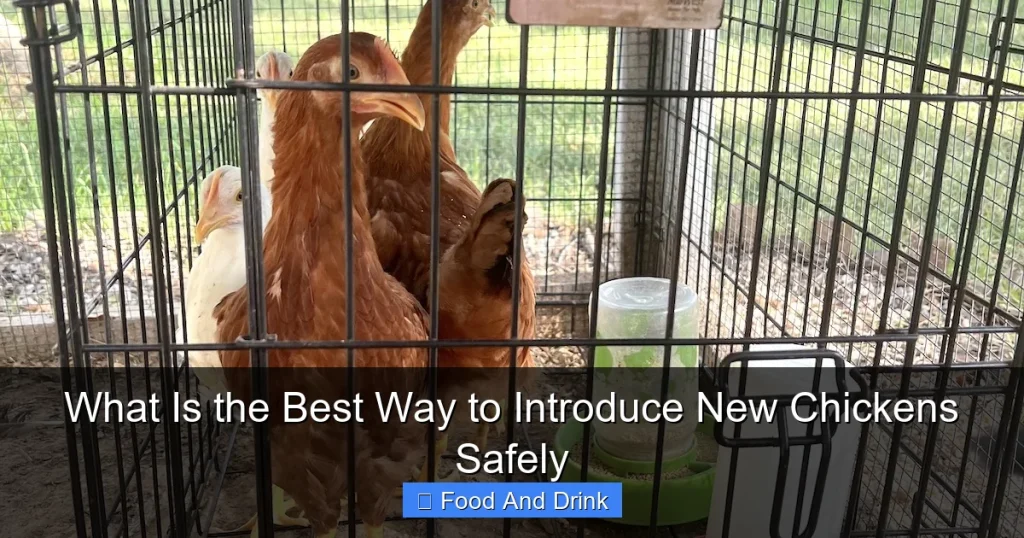

Introducing new chickens safely is crucial for flock harmony and health. By following a careful, step-by-step process—including quarantine, gradual introduction, and close observation—you can minimize stress and prevent disease. This guide walks you through every stage to ensure a smooth transition for both new and existing birds.
So, you’ve decided to expand your flock—congratulations! Whether you’re adding a few pullets to your backyard coop or bringing in a rare breed you’ve been dreaming about, introducing new chickens safely is one of the most important steps you can take as a poultry keeper. It’s not just about tossing a few new birds into the mix and hoping for the best. Chickens are social creatures with strong hierarchies, and sudden changes can lead to stress, injury, or even illness.
The good news? With a little planning and patience, you can help your feathered family members get along like old friends. The best way to introduce new chickens isn’t a one-size-fits-all solution—it’s a thoughtful process that considers health, behavior, and environment. From quarantine to coop integration, every step matters. Whether you’re a seasoned chicken keeper or a first-time flock owner, this guide will walk you through the safest, most effective methods to ensure a smooth transition.
Let’s dive into the details and make sure your new chickens feel welcome—without upsetting the pecking order.
Key Takeaways
- Quarantine new chickens for at least 30 days to prevent the spread of disease to your existing flock.
- Start with visual and scent introduction before allowing physical contact to reduce aggression.
- Use a neutral space for first face-to-face meetings to prevent territorial behavior.
- Monitor behavior closely during integration and be ready to separate birds if fighting occurs.
- Provide extra feeders and waterers to reduce competition and stress during the adjustment period.
- Introduce chickens gradually over several days or weeks rather than all at once for best results.
- Maintain clean coop and run conditions to support immune health during the transition.
Quick Answers to Common Questions
How long should I quarantine new chickens?
Quarantine new chickens for at least 30 days to monitor for signs of illness and prevent disease spread to your existing flock.
Can I introduce chickens during the winter?
Yes, but be extra cautious. Cold stress can weaken birds, so ensure the quarantine and coop areas are draft-free and warm enough.
What if my chickens keep fighting after integration?
Separate the aggressive bird temporarily and reintroduce slowly. Provide more space and resources to reduce competition.
Is it okay to introduce just one new chicken?
It’s better to introduce two or more together. A single bird is more likely to be bullied and stressed.
How do I know if the integration is successful?
Signs of success include peaceful coexistence, shared roosting, normal eating and drinking, and no signs of injury or stress.
📑 Table of Contents
Why Safe Introduction Matters
Chickens may seem simple, but they’re actually complex social animals with their own personalities, routines, and communication styles. When you bring new birds into an established flock, you’re disrupting a delicate balance. The existing chickens have already worked out their pecking order—a natural hierarchy that determines who eats first, who roosts where, and who gets picked on. Newcomers are seen as intruders, and the flock’s first instinct is often to assert dominance through pecking, chasing, or even isolation.
But it’s not just about behavior. Health is a major concern. New chickens can carry diseases—like avian influenza, coccidiosis, or respiratory infections—without showing symptoms. If you skip quarantine and introduce them directly, you risk infecting your entire flock. Even if your birds appear healthy, they could be asymptomatic carriers. A single sick bird can wipe out a flock in days, especially in close quarters.
Beyond health and hierarchy, stress plays a big role. Chickens are sensitive to change. Moving to a new environment, meeting new birds, and adjusting to different routines can weaken their immune systems. Stressed birds are more prone to illness, lay fewer eggs, and may exhibit abnormal behaviors like feather pecking or cannibalism.
That’s why the best way to introduce new chickens is a slow, controlled process. It’s not about rushing the friendship—it’s about building trust, minimizing stress, and protecting everyone’s health. Think of it like introducing a new roommate: you wouldn’t just move them in and expect everything to be perfect on day one. You’d talk, set boundaries, and give everyone time to adjust. The same goes for chickens.
Step 1: Quarantine New Chickens
Visual guide about What Is the Best Way to Introduce New Chickens Safely
Image source: i.pinimg.com
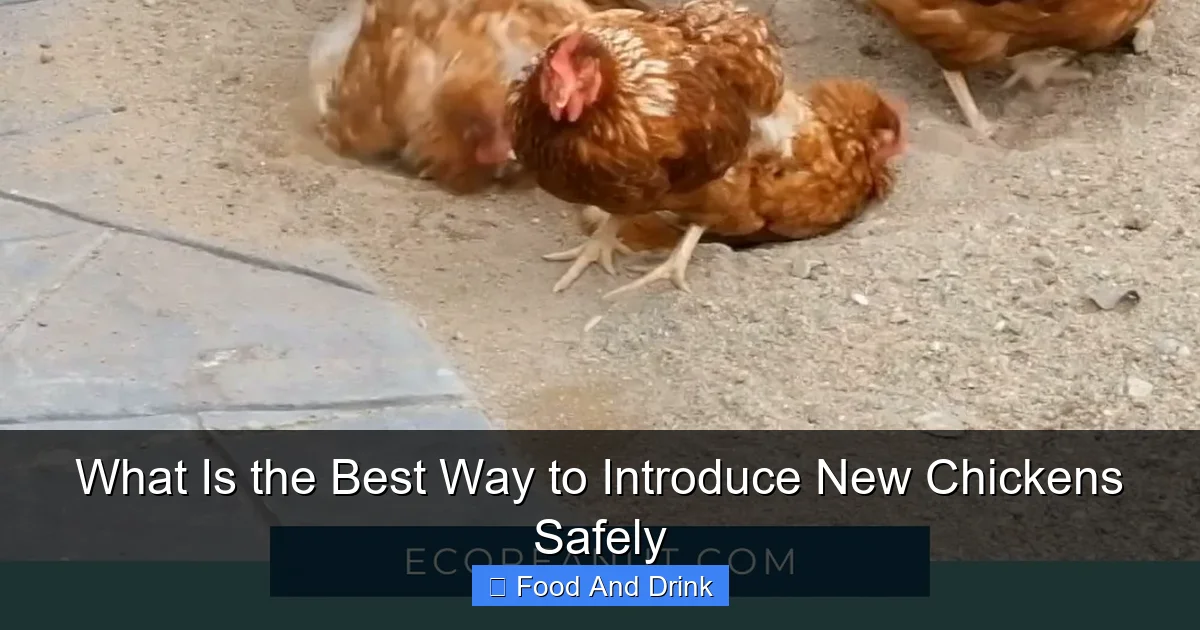
Before your new chickens even see the coop, they need a mandatory quarantine period. This is non-negotiable if you want to keep your flock safe. The standard recommendation is to isolate new birds for at least 30 days—sometimes longer if you’re unsure of their health history.
Why 30 Days?
Many poultry diseases have incubation periods that last weeks. For example, infectious bronchitis can take up to 21 days to show symptoms, and avian influenza can linger even longer. By keeping new chickens separate, you give yourself time to observe them for signs of illness—like coughing, sneezing, lethargy, or changes in droppings.
Setting Up a Quarantine Space
Your quarantine area should be completely separate from your main flock. Ideally, it should be in a different building or at least 20–30 feet away from the coop. This prevents airborne transmission of diseases and reduces stress from constant visual contact.
Use a spare shed, garage, or even a large dog crate with proper ventilation. Make sure it’s predator-proof, draft-free, and easy to clean. Provide fresh water, high-quality feed, and a comfortable roost or nesting box if they’re mature hens. A heat lamp may be necessary for young chicks.
What to Monitor During Quarantine
During the 30-day isolation, check your new chickens daily. Look for:
– Clear eyes and nostrils
– Active, alert behavior
– Normal droppings (not watery, bloody, or unusually foul-smelling)
– Consistent appetite and water intake
– No signs of parasites (lice, mites, or worms)
If you notice any red flags, consult a veterinarian who specializes in poultry. Don’t wait—early treatment can save lives.
Cleaning and Biosecurity
Always tend to your quarantine birds last when doing chores. Wash your hands, change clothes, and disinfect footwear before returning to the main flock. This prevents cross-contamination. Use a dedicated set of tools (feeders, waterers, brushes) for the quarantine area to avoid spreading germs.
Quarantine isn’t just about protecting your flock—it’s also about giving your new chickens time to adjust. Moving is stressful, and a quiet, safe space helps them settle in and build strength before meeting the others.
Step 2: Gradual Introduction Through Sight and Scent

Visual guide about What Is the Best Way to Introduce New Chickens Safely
Image source: i.pinimg.com
Once quarantine is over and your new chickens are healthy, it’s time to begin the introduction process—but not with a face-to-face meeting just yet. Chickens rely heavily on sight and smell to recognize each other, so the best way to introduce new chickens starts with indirect contact.
Use a Separate But Visible Enclosure
Place the new chickens in a secure, wire-sided enclosure inside or near the main coop. This allows the existing flock to see, hear, and smell the newcomers without physical contact. Think of it like a “chicken playpen” where they can observe each other safely.
For example, you might use a large dog crate with wire sides or a temporary chicken tractor placed in the run. Make sure it’s protected from weather and predators. Let them stay in this setup for 3–5 days.
Swap Bedding and Feathers
To help the birds get used to each other’s scent, swap some bedding or feathers between the quarantine area and the main coop. Place a handful of the new chickens’ droppings or feathers in the main coop, and vice versa. This subtle scent exchange helps reduce the “stranger danger” response.
Feed Them Side by Side
During this period, feed both groups at the same time, placing their feeders close to the barrier. This creates a positive association—mealtime happens when the “others” are around. Over time, they’ll start to see each other as part of the same group rather than threats.
Observe Behavior
Watch how both groups react. Are the existing chickens curious or aggressive? Are the new birds hiding or standing tall? Mild curiosity is normal. But if you see constant pecking at the barrier, loud squawking, or attempts to attack, slow down the process. Give them more time before moving to the next step.
This phase is all about building familiarity without pressure. It’s like letting two dogs sniff each other through a fence before meeting off-leash. Patience here pays off later.
Step 3: First Face-to-Face Meeting in a Neutral Space
Visual guide about What Is the Best Way to Introduce New Chickens Safely
Image source: i.pinimg.com
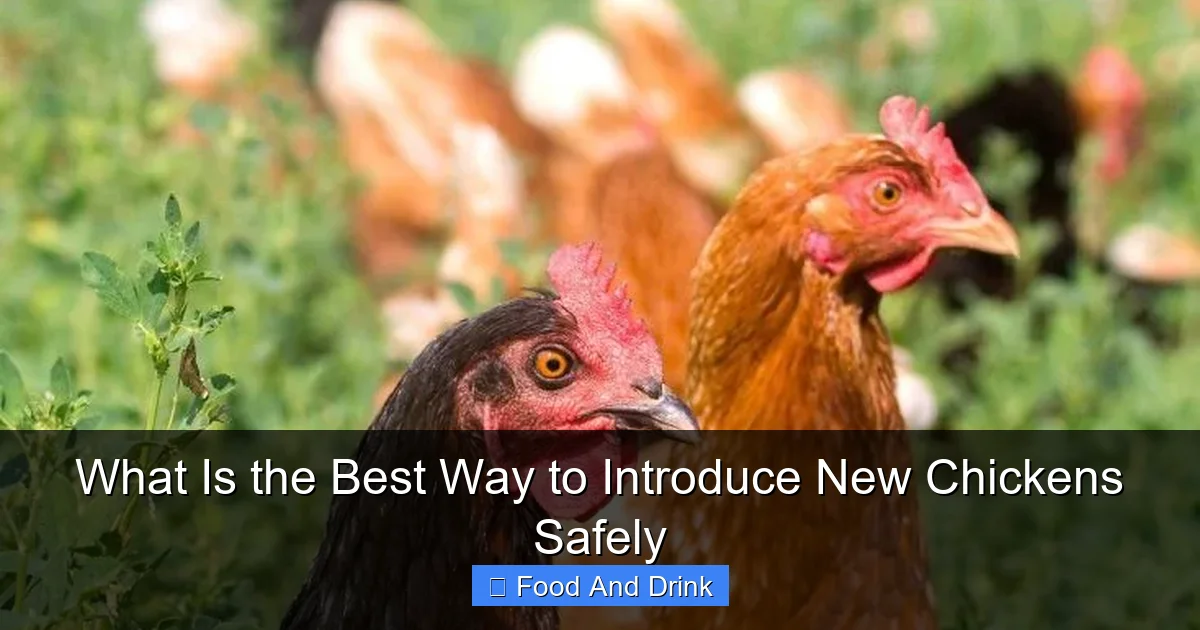
Now comes the big moment: the first physical introduction. But don’t do it in the coop or run where the existing flock feels territorial. Instead, choose a neutral space—somewhere neither group considers “theirs.”
Choose the Right Location
A large, fenced backyard, a garden area, or even a temporary pen set up in an open field works well. The key is that it’s unfamiliar to both groups, so no one feels the need to defend their turf.
Supervise Closely
Never leave the birds unattended during this first meeting. Stay nearby and watch for signs of aggression. Some pecking is normal—it’s how they establish the new pecking order. But if one bird is being relentlessly chased, cornered, or injured, step in immediately.
Use a broom or spray bottle to gently separate them if needed. The goal isn’t to stop all conflict, but to prevent serious harm.
Keep It Short and Positive
Limit the first face-to-face session to 15–30 minutes. End on a positive note—before tensions rise. You can repeat this process daily, gradually increasing the time as the birds become more comfortable.
Use Treats to Distract and Bond
Scatter mealworms, cracked corn, or fresh greens to distract the birds and encourage them to focus on food instead of each other. Eating together in a neutral space helps build positive associations.
Watch for Body Language
Learn to read chicken behavior. Puffing up, raised wings, and loud squawking are signs of aggression. On the other hand, relaxed postures, mutual preening, or simply ignoring each other are good signs. If the birds start to roost together or share food peacefully, you’re on the right track.
This step can take anywhere from a few days to a week, depending on the flock’s temperament. Some groups get along quickly; others need more time. Don’t rush it.
Step 4: Full Integration into the Coop and Run
Once the birds are tolerating each other in neutral territory, it’s time to move them into the main coop—but not all at once. Full integration should happen gradually, with close monitoring.
Introduce at Night
One of the best ways to introduce new chickens to the coop is at night, when they’re calm and ready to roost. Gently place the new birds into the coop after dark. They’ll wake up together in the same space, which reduces the “invasion” feeling.
Provide Extra Resources
To minimize competition, add extra feeders, waterers, and nesting boxes. The general rule is one feeder per 4–5 birds and one waterer per 10 birds. More is better during integration. Place them in different areas of the coop and run so dominant birds can’t control access.
Use Roosting Bars Strategically
If your coop has limited roosting space, consider adding a temporary roost or perch for the new birds. This gives them a safe place to sleep without being chased off by the flock.
Check on Them Daily
For the first week, check on the flock multiple times a day. Look for signs of bullying, feather loss, or stress. If a bird is being isolated or attacked, consider separating them temporarily and trying again later.
Be Patient with the Pecking Order
It’s normal for the pecking order to shift. The new birds may be at the bottom for a while—and that’s okay. As long as they’re eating, drinking, and not being seriously harmed, they’ll adjust. Over time, they’ll find their place.
Consider Age and Size Differences
If you’re introducing younger or smaller birds to an older flock, they may need extra protection. Use a “chicken saddle” or temporary barrier to give them space. Larger birds can accidentally injure smaller ones during pecking.
Integration can take anywhere from a few days to several weeks. Some flocks become harmonious quickly; others take longer. The key is consistency and observation.
Tips for a Smooth Transition
Even with the best plan, challenges can arise. Here are some practical tips to help make the process smoother:
Introduce Multiple Birds at Once
If possible, bring in two or more new chickens together. They’ll have each other for support, which reduces stress and makes them less likely to be singled out by the flock.
Avoid Introducing During Molting or Broodiness
Molting hens are already stressed and may be more aggressive. Broody hens are protective of their nests and less tolerant of newcomers. Wait until these phases pass.
Use Calming Supplements
Adding apple cider vinegar (1 tablespoon per gallon of water) or electrolytes to their water can help reduce stress and support immune function during the transition.
Maintain a Clean Environment
A clean coop reduces the risk of disease and makes birds feel more secure. Remove wet bedding, clean waterers daily, and disinfect feeders regularly.
Give Them Space
Overcrowding increases stress and aggression. Make sure your coop and run have enough space—ideally 4 square feet per bird inside the coop and 10 square feet per bird in the run.
Be Ready to Intervene
Sometimes, despite your best efforts, a bird just doesn’t fit in. If one chicken is constantly attacked or unable to eat, consider rehoming them or keeping them in a separate but adjacent enclosure where they can still be part of the flock socially.
Common Mistakes to Avoid
Even experienced chicken keepers make errors when introducing new birds. Here are some common pitfalls and how to avoid them:
Skipping Quarantine
This is the biggest mistake. Never assume a chicken is healthy just because it looks fine. Quarantine is your first line of defense.
Rushing the Process
Trying to integrate birds too quickly leads to stress and injury. Slow and steady wins the race.
Introducing in the Wrong Order
Always introduce new birds to the flock—not the other way around. Moving the entire flock to a new coop can cause chaos.
Ignoring Signs of Illness
If a bird stops eating, becomes lethargic, or shows respiratory symptoms after introduction, isolate them immediately and consult a vet.
Using the Same Tools Without Cleaning
Cross-contamination is a real risk. Always clean and disinfect equipment between groups.
Forgetting to Monitor After Integration
The first few weeks are critical. Keep an eye on behavior, egg production, and overall health.
Conclusion
Introducing new chickens safely isn’t just about avoiding fights—it’s about protecting health, reducing stress, and building a harmonious flock. The best way to introduce new chickens involves a thoughtful, step-by-step approach: quarantine first, then gradual exposure through sight and scent, followed by supervised meetings in neutral spaces, and finally, full integration with extra resources and close observation.
It takes time, patience, and attention to detail, but the reward is a thriving, peaceful flock where every bird feels at home. Whether you’re adding a single hen or a whole new group, following these guidelines will help ensure a smooth transition for everyone involved.
Remember, every flock is different. What works for one group may not work for another. Stay flexible, trust your instincts, and don’t be afraid to slow down if needed. Your chickens will thank you with healthy eggs, happy clucks, and a backyard full of feathered harmony.
🎥 Related Video: Watch This BEFORE Adding More Chickens – How To Introduce NEW CHICKENS To Your Flock
📺 Bock Bock Bouquet
How to introduce new chickens to your existing flock and how to add chicks to your flock. If you’re thinking of adding more …
Frequently Asked Questions
Do I really need to quarantine new chickens?
Yes, quarantine is essential. It prevents the spread of diseases that may not show symptoms right away. Skipping this step risks your entire flock’s health.
How long does it take for chickens to accept new members?
It varies, but most flocks adjust within 1–3 weeks. Some accept newcomers quickly, while others take longer to establish a new pecking order.
Can I introduce chicks to adult hens?
Yes, but wait until the chicks are at least 8–12 weeks old and close in size to the adults. Supervise closely to prevent injury.
What should I do if a chicken is being bullied?
Separate the bullied bird and reintroduce it slowly. Provide hiding spots and extra feeders to reduce stress and competition.
Is it safe to buy chickens from a local feed store?
It can be, but always quarantine them first. Feed stores often mix birds from multiple sources, increasing disease risk.
Can I use a chicken tractor for introduction?
Yes, a mobile chicken tractor can serve as a great neutral space for first meetings. Just make sure it’s secure and weatherproof.


