



Roast chicken is a classic, comforting dish made by cooking a whole chicken in an oven until golden and tender. With the right techniques—like seasoning, trussing, and proper temperature control—you can achieve crispy skin and juicy meat every time.
Key Takeaways
- Roast chicken is a whole bird cooked in the oven, prized for its crispy skin and tender, flavorful meat. It’s a staple in many cuisines and perfect for family meals or special occasions.
- The secret to perfect roast chicken lies in preparation: dry brining, proper seasoning, and trussing help ensure even cooking and moisture retention.
- Using a meat thermometer is essential—chicken is safe and juicy when the internal temperature reaches 165°F (74°C) in the thickest part of the thigh.
- Roasting at high heat (425°F/220°C) initially helps crisp the skin, then lowering the temperature (375°F/190°C) ensures the meat cooks through without drying out.
- Adding aromatics like garlic, lemon, and herbs inside the cavity enhances flavor from the inside out.
- Letting the chicken rest for 15–20 minutes after roasting allows juices to redistribute, resulting in moister meat.
- Roast chicken pairs beautifully with roasted vegetables, mashed potatoes, or a fresh salad, making it a complete, satisfying meal.
Quick Answers to Common Questions
What is roast chicken?
Roast chicken is a whole chicken cooked in the oven until the skin is golden and crispy and the meat is tender and juicy. It’s a classic dish enjoyed worldwide.
How long do you roast a chicken?
A 4-pound chicken typically takes about 1 hour to 1 hour 15 minutes at 375°F (190°C), after an initial 30 minutes at 425°F (220°C).
What temperature should roast chicken be cooked to?
Chicken is safe to eat when the internal temperature reaches 165°F (74°C) in the thickest part of the thigh, away from the bone.
Should you cover roast chicken while cooking?
No, covering the chicken traps steam and prevents the skin from crisping. Roast it uncovered for best results.
Can you eat the skin of roast chicken?
Yes, the skin is edible and adds flavor and texture. It’s crispiest when the chicken is properly dried and roasted at high heat.
📑 Table of Contents
What Is Roast Chicken?
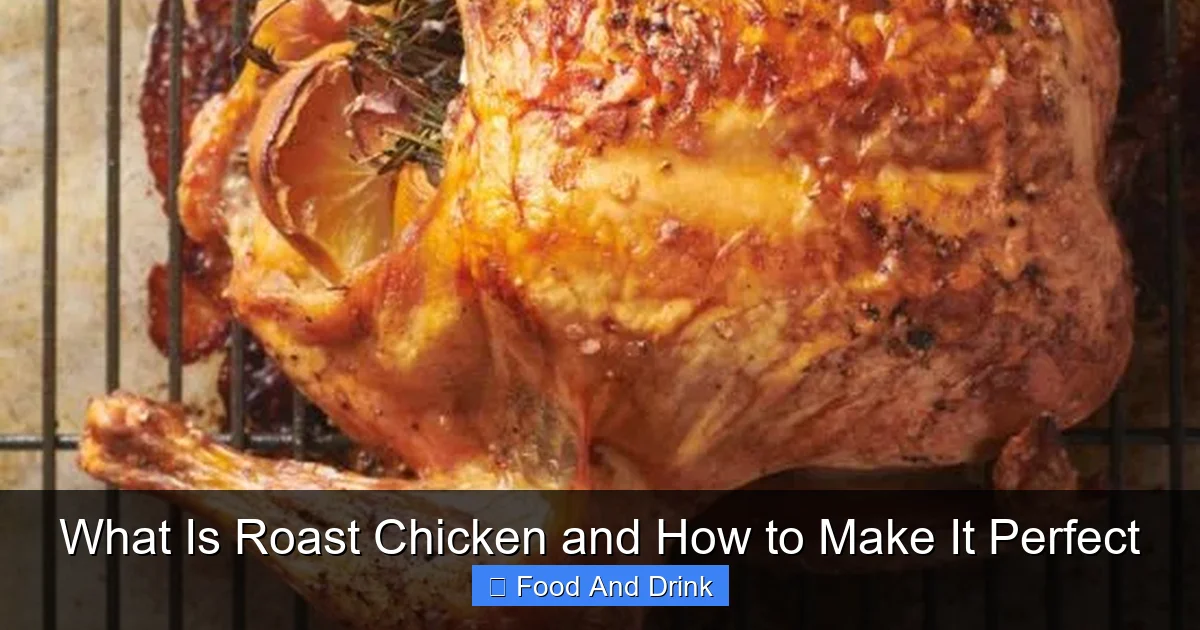
Roast chicken is one of the most beloved and timeless dishes in the world of home cooking. At its core, it’s simply a whole chicken that’s been cooked in an oven—usually roasted on a rack or in a roasting pan—until the skin is golden brown and crispy, and the meat is tender, juicy, and fully cooked. It’s a dish that transcends cultures, appearing in British Sunday roasts, American holiday feasts, French cuisine, and countless family dinners around the globe.
But what makes roast chicken so special isn’t just its simplicity—it’s the way it transforms humble ingredients into something deeply satisfying. The aroma of herbs and garlic wafting through the kitchen, the sizzle of fat dripping onto hot pans, and the sight of that glistening, crackling skin—all of it adds up to a meal that feels both comforting and celebratory. Whether you’re serving it for a weeknight dinner or a holiday gathering, roast chicken has a way of bringing people together.
Despite its reputation as a “basic” dish, roast chicken is also a test of skill. Getting it just right—crispy skin, juicy meat, even cooking—requires attention to detail. But don’t let that intimidate you. With a few key techniques and a little practice, anyone can master this classic. In this guide, we’ll explore everything you need to know about what roast chicken is, how it’s made, and how to make it perfect every single time.
A Brief History of Roast Chicken
Visual guide about What Is Roast Chicken and How to Make It Perfect
Image source: themom100.com
The tradition of roasting chicken dates back centuries, long before modern ovens or refrigeration. In ancient times, roasting over an open fire was one of the most common ways to cook meat. Chickens, being small and readily available, were ideal for this method. Historical records show that roasted fowl—including chicken—was a staple at feasts in ancient Rome and medieval Europe.
In England, roast chicken became a symbol of comfort and tradition, especially with the rise of the “Sunday roast.” Families would gather around the dinner table for a hearty meal featuring roasted meat, potatoes, and vegetables. Chicken, often seasoned simply with salt, pepper, and herbs, was a popular choice because it was affordable and fed a crowd.
Over time, roast chicken evolved. French chefs refined the technique, introducing butter basting and herb infusions. In the United States, roast chicken became a centerpiece of holiday meals, especially Thanksgiving and Christmas. Today, it’s celebrated in countless variations—from lemon and herb to garlic and paprika, from slow-roasted to high-heat crispy styles.
What remains constant is the universal love for a well-roasted chicken. It’s a dish that connects us to our past, to family traditions, and to the simple joy of good food shared with loved ones.
Why Roast Chicken Is a Kitchen Staple
Visual guide about What Is Roast Chicken and How to Make It Perfect
Image source: i.pinimg.com
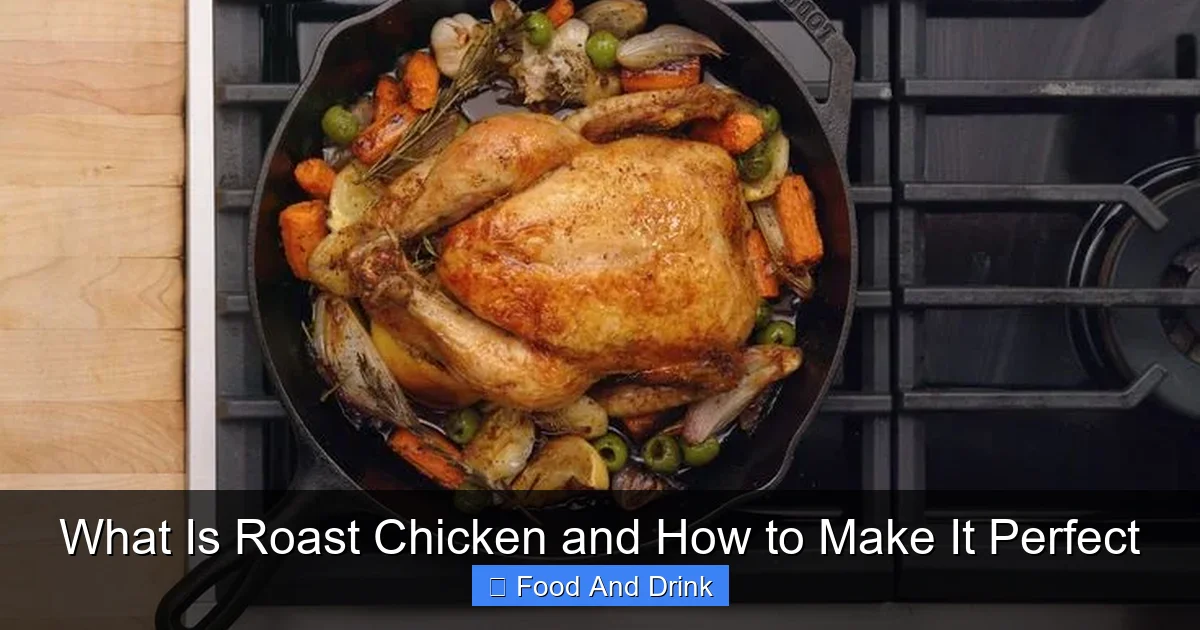
There’s a reason roast chicken is a go-to recipe for home cooks and professional chefs alike. It’s versatile, economical, and incredibly satisfying. A single whole chicken can feed a family of four or more, and leftovers can be transformed into soups, salads, or sandwiches. It’s also a great way to use up seasonal vegetables—toss carrots, potatoes, and onions into the roasting pan, and you’ve got a complete meal with minimal cleanup.
But beyond practicality, roast chicken is a culinary foundation. Learning to roast a chicken teaches essential cooking skills: how to season properly, how to manage oven temperature, how to use a meat thermometer, and how to carve a bird. Once you master the basics, you can experiment with flavors, techniques, and presentations.
Another reason roast chicken is so popular is its adaptability. You can keep it simple with just salt and pepper, or go bold with spices, marinades, or stuffing. It works with almost any cuisine—Mediterranean, Asian, Latin American—and can be tailored to suit dietary preferences. Gluten-free? Naturally. Low-carb? Absolutely. Vegetarian? Well, not the chicken itself, but the pan juices and roasted veggies make a fantastic base for plant-based dishes.
And let’s not forget the emotional appeal. There’s something deeply comforting about a golden-brown roast chicken on the table. It evokes memories of childhood, family gatherings, and home-cooked meals. It’s food that nourishes not just the body, but the soul.
Essential Ingredients for Perfect Roast Chicken

Visual guide about What Is Roast Chicken and How to Make It Perfect
Image source: achickandhergarden.com
To make a truly great roast chicken, you don’t need a long list of ingredients. In fact, simplicity is often the key to success. But using high-quality, fresh components makes a noticeable difference in flavor and texture.
The Chicken
Start with a good-quality whole chicken. Look for one that’s plump, with smooth, unblemished skin. Organic, free-range, or pasture-raised chickens tend to have better flavor and texture, though conventional chickens work well too. A 3½- to 4½-pound (1.6–2 kg) bird is ideal for most home ovens and serves 4–6 people.
Salt and Pepper
These are your foundation seasonings. Use kosher salt or sea salt for even distribution, and freshly ground black pepper for depth. Salt not only adds flavor but also helps draw out moisture, which then gets reabsorbed—this process, called dry brining, enhances both taste and texture.
Butter or Oil
Fat is essential for crispy skin and rich flavor. Unsalted butter, melted and brushed over the skin, adds richness and helps the seasonings stick. Olive oil or avocado oil works well too, especially if you prefer a lighter taste. Some cooks use a combination of both.
Herbs and Aromatics
Fresh herbs like thyme, rosemary, and sage infuse the chicken with fragrance. Garlic cloves, lemon halves, and onion wedges can be stuffed inside the cavity to add moisture and flavor from the inside. You can also scatter herbs and veggies around the chicken in the roasting pan—they’ll caramelize and create delicious pan juices.
Optional Add-Ins
For extra flavor, consider adding:
– A splash of white wine or chicken broth to the pan (helps prevent burning and adds depth)
– Smoked paprika or garlic powder for a savory kick
– A few sprigs of fresh tarragon or parsley for brightness
– A tablespoon of Dijon mustard mixed with butter for a tangy glaze
Remember, less is often more. A well-seasoned chicken with a few quality ingredients will always outshine an overcomplicated recipe.
Step-by-Step Guide to Making Perfect Roast Chicken
Now that you know the basics, let’s walk through the process of making a perfect roast chicken. Follow these steps, and you’ll end up with crispy skin, juicy meat, and a flavorful bird every time.
1. Prepare the Chicken
Remove the chicken from the refrigerator 1 hour before cooking. This allows it to come to room temperature, which promotes even cooking. Pat the chicken completely dry with paper towels—this is crucial for crispy skin. Any moisture on the surface will steam instead of roast.
2. Season Generously
Sprinkle salt and pepper inside the cavity and all over the outside of the chicken. Use about 1 teaspoon of kosher salt per pound of chicken. For extra flavor, you can dry brine the chicken: season it the night before and let it uncovered in the fridge. This draws out moisture, concentrates flavor, and dries the skin.
3. Add Aromatics
Stuff the cavity with 4–6 garlic cloves (smashed), half a lemon (cut into wedges), a small onion (quartered), and a few sprigs of fresh herbs like thyme or rosemary. These won’t be eaten, but they’ll perfume the meat as it cooks.
4. Truss the Chicken (Optional but Recommended)
Trussing—tying the legs together with kitchen twine and tucking the wings under the body—helps the chicken cook evenly and keeps the shape compact. This prevents the legs from drying out and ensures the breast meat stays juicy. If you don’t have twine, you can simply tuck the wings and cross the legs.
5. Preheat the Oven
Set your oven to 425°F (220°C). A hot oven is key to getting that golden, crispy skin. Place a roasting rack inside a roasting pan—this allows air to circulate and prevents the chicken from sitting in its own juices.
6. Roast the Chicken
Place the chicken breast-side up on the rack. Roast at 425°F (220°C) for 30 minutes. Then, reduce the heat to 375°F (190°C) and continue roasting for another 30–45 minutes, depending on size. A 4-pound chicken usually takes about 1 hour to 1 hour 15 minutes total.
7. Check the Temperature
Use a meat thermometer to check doneness. Insert it into the thickest part of the thigh, avoiding the bone. The chicken is safe to eat when the internal temperature reaches 165°F (74°C). The breast should read around 160°F (71°C)—it will continue to rise slightly as it rests.
8. Let It Rest
Once the chicken is done, remove it from the oven and let it rest, loosely covered with foil, for 15–20 minutes. This allows the juices to redistribute, ensuring moist, tender meat. Don’t skip this step—it’s just as important as the roasting itself.
9. Carve and Serve
Carve the chicken by removing the legs and wings first, then slicing the breast meat. Serve with the roasted vegetables from the pan and a drizzle of the pan juices for extra flavor.
Tips for Crispy Skin and Juicy Meat
Achieving that perfect balance of crispy skin and juicy meat is the holy grail of roast chicken. Here are some expert tips to help you get there every time.
Dry the Skin Thoroughly
Moisture is the enemy of crispy skin. After removing the chicken from the fridge, pat it dry with paper towels. For even better results, leave it uncovered in the fridge for a few hours or overnight. The cold, dry air will evaporate surface moisture, giving you that coveted crackle.
Use High Heat at the Start
Starting at 425°F (220°C) jump-starts the Maillard reaction—the chemical process that browns the skin and creates complex flavors. The high heat also renders fat quickly, helping the skin crisp up.
Don’t Overcrowd the Pan
Make sure there’s enough space around the chicken for air to circulate. If you’re roasting vegetables, spread them evenly in the pan, but don’t pile them too high. Steam from the veggies can soften the skin.
Baste with Butter or Oil
Brushing the chicken with melted butter or oil during the first 30 minutes of roasting helps the skin brown and adds richness. You can also baste with pan juices once they start to form.
Avoid Overcooking
Overcooked chicken is dry and tough. Use a meat thermometer to monitor the internal temperature. Remember, the chicken will continue to cook slightly after it’s removed from the oven, so pull it out when the thigh hits 160–165°F (71–74°C).
Let It Rest
Resting is non-negotiable. Cutting into the chicken too soon lets all the juices run out, leaving the meat dry. Letting it rest allows the fibers to relax and the juices to settle, resulting in a moist, flavorful bite.
Serving Suggestions and Pairings
Roast chicken is incredibly versatile when it comes to sides and accompaniments. Here are some classic and creative ways to serve it.
Classic Pairings
– Roasted Vegetables: Carrots, potatoes, Brussels sprouts, and onions roasted in the same pan as the chicken absorb the flavorful drippings.
– Mashed Potatoes: Creamy, buttery mashed potatoes are the perfect complement to the rich pan juices.
– Green Salad: A simple arugula or mixed greens salad with a light vinaigrette cuts through the richness of the chicken.
– Crusty Bread: Serve with a warm baguette to soak up every last bit of sauce.
Creative Twists
– Chicken and Rice Pilaf: Cook rice in the chicken broth from the pan for a fragrant, flavorful side.
– Herb Butter Sauce: Mix softened butter with chopped parsley, chives, and a squeeze of lemon. Serve a dollop on each slice of chicken.
– Roasted Chicken Tacos: Shred leftover meat and serve in warm tortillas with salsa, avocado, and cilantro.
– Chicken Salad: Combine diced chicken with mayo, celery, grapes, and walnuts for a refreshing lunch option.
Wine and Beverage Pairings
– White Wine: A crisp Chardonnay or Sauvignon Blanc complements the richness of the chicken.
– Red Wine: For a heartier meal, try a light Pinot Noir or Gamay.
– Non-Alcoholic: Sparkling water with lemon or a ginger-lemon herbal tea pairs nicely.
Common Mistakes to Avoid
Even experienced cooks can make mistakes when roasting chicken. Here are some common pitfalls and how to avoid them.
Not Drying the Skin
As mentioned earlier, wet skin won’t crisp. Always pat the chicken dry before seasoning.
Skipping the Thermometer
Guessing when the chicken is done is risky. A meat thermometer takes the guesswork out and ensures food safety.
Overcrowding the Pan
Too many vegetables or a pan that’s too small can trap steam and prevent browning.
Cutting Too Soon
Resting is essential. Cutting into the chicken immediately after roasting leads to dry meat.
Using Too Much Liquid
While a splash of broth or wine is fine, too much liquid can create steam and soften the skin. Keep it minimal.
Not Seasoning Enough
Chicken needs salt—both inside and out. Don’t be shy with the seasoning.
Conclusion
Roast chicken is more than just a meal—it’s a tradition, a skill, and a source of comfort. Whether you’re cooking for one or feeding a crowd, mastering the art of roast chicken is a rewarding experience. With the right ingredients, techniques, and attention to detail, you can create a dish that’s crispy, juicy, and full of flavor.
Remember, the key to perfect roast chicken lies in preparation: dry the skin, season well, use high heat, and let it rest. Don’t be afraid to experiment with herbs, spices, and sides to make it your own. And most importantly, enjoy the process. The smell of roasting chicken filling your kitchen is one of life’s simple pleasures.
So the next time you’re planning dinner, consider reaching for a whole chicken. With a little care and confidence, you’ll end up with a meal that’s not only delicious but deeply satisfying. Happy roasting!
Frequently Asked Questions
How do I keep roast chicken moist?
To keep roast chicken moist, dry brine it overnight, avoid overcooking, and let it rest for 15–20 minutes after roasting. Using a meat thermometer ensures perfect doneness.
Can I roast a chicken without a roasting pan?
Yes, you can use a baking dish, cast-iron skillet, or sheet pan with a rack. Just ensure there’s space around the chicken for even cooking.
What can I do with leftover roast chicken?
Use leftover chicken in soups, salads, sandwiches, or tacos. You can also make chicken stock from the bones and carcass.
Should I stuff the chicken before roasting?
It’s safe to stuff the cavity with aromatics like lemon and herbs, but avoid stuffing with bread-based fillings unless you’re cooking it immediately and at a safe temperature.
Can I roast a frozen chicken?
It’s not recommended to roast a frozen chicken directly, as it can lead to uneven cooking. Thaw it completely in the refrigerator first.
Why is my roast chicken skin not crispy?
Common reasons include not drying the skin thoroughly, roasting at too low a temperature, or covering the chicken. Pat it dry, use high heat, and roast uncovered for crispy results.


