


Seeing pink in cooked chicken can be alarming, but it doesn’t always mean the meat is undercooked or unsafe. This guide explains the science behind pink chicken, when it’s safe to eat, and how to properly check for doneness using temperature, not color.
Have you ever pulled a juicy piece of roasted chicken from the oven, only to notice a faint pink tinge near the bone or along the breast? Your first instinct might be panic—“Is this safe to eat?” You’re not alone. Many home cooks, even seasoned ones, have stared down at a pinkish hue in their cooked chicken and wondered if they’ve made a dangerous mistake. The truth is, while raw or undercooked chicken can pose serious health risks, a pink color doesn’t automatically mean the meat is unsafe.
Chicken is a staple in kitchens around the world, loved for its versatility, affordability, and nutritional value. But it’s also one of the most common sources of foodborne illness when not handled or cooked properly. That’s why understanding what causes pinkness in cooked chicken—and knowing when it’s safe to eat—is crucial for anyone who loves to cook or eat poultry. In this article, we’ll dive deep into the science behind pink chicken, explore the various factors that contribute to its color, and give you practical, science-backed tips to ensure your meals are both delicious and safe.
You might be surprised to learn that color alone is a poor indicator of doneness. Unlike beef, which turns from red to brown as it cooks, chicken doesn’t follow a predictable color shift. The presence of pink can be caused by everything from the bird’s age to the way it was raised, processed, or cooked. And while undercooked chicken is a real concern—linked to bacteria like Salmonella and Campylobacter—many instances of pink chicken are perfectly safe. The key is knowing how to assess doneness beyond what your eyes see.
So, what should you do if you spot pink in your cooked chicken? Should you toss it? Reheat it? Or take a bite and hope for the best? Let’s break it down step by step, starting with the science of why chicken turns pink—and when that pink is nothing to worry about.
Key Takeaways
- Pink chicken isn’t always undercooked: Factors like cooking method, age of the bird, and exposure to smoke or curing agents can cause pink hues even when fully safe.
- Use a meat thermometer: The only reliable way to confirm chicken is cooked is by checking internal temperature—165°F (74°C) is the safe minimum.
- Color is not a reliable indicator: Relying on visual cues like pinkness can lead to overcooking or, worse, undercooking if misinterpreted.
- Smoked or grilled chicken may stay pink: Nitrites and smoke can react with myoglobin, creating a stable pink color even at safe temperatures.
- Young chickens and certain breeds show more pink: Cornish hens and heritage breeds often retain a pink tint due to lower myoglobin levels and faster cooking times.
- Freezing and thawing can affect color: Ice crystals may damage muscle fibers, leading to pigment leakage and pink appearance post-cooking.
- When in doubt, recook or discard: If you’re unsure about the safety of pink chicken, it’s better to reheat it thoroughly or avoid consumption.
Quick Answers to Common Questions
Is pink chicken always undercooked?
No, pink chicken isn’t always undercooked. Factors like smoking, breed, and freezing can cause pink color even when the meat is fully safe.
Can I eat smoked chicken that’s pink?
Yes, as long as it reached 165°F internally. The pink ring from smoking is normal and safe.
Why is my roasted chicken pink near the bone?
Bones retain heat and moisture, slowing cooking. Use a thermometer to check—don’t rely on color.
Is it safe to eat chicken that’s pink after freezing?
Yes, if it reached 165°F. Freezing can cause pigment leakage, leading to pink spots.
Should I throw away pink chicken?
Only if it hasn’t reached 165°F or shows signs of spoilage. Otherwise, it’s likely safe.
📑 Table of Contents
Why Does Cooked Chicken Turn Pink?
The pink color in cooked chicken is primarily due to a protein called myoglobin, which is responsible for storing oxygen in muscle cells. In raw meat, myoglobin gives chicken its characteristic red or pink hue. As chicken cooks, myoglobin typically denatures and turns grayish-brown, signaling that the meat is done. However, several factors can interfere with this process, causing the meat to retain a pink color even when fully cooked.
One of the most common causes is exposure to nitrites or nitric oxide. These compounds are naturally present in some curing agents and can also be introduced through smoking or grilling. When chicken is smoked, especially at low temperatures, the smoke contains nitric oxide, which binds to myoglobin and forms a stable pink compound called nitrosomyoglobin. This is the same reaction that gives cured meats like bacon and ham their pink color. So, if you’ve grilled or smoked your chicken, that pink ring around the edges or near the bone? It’s likely just a chemical reaction—not a sign of undercooking.
Another factor is the age and breed of the chicken. Younger birds, such as Cornish hens or broiler chickens raised for meat, tend to have less myoglobin in their muscles. This can result in a lighter, sometimes pinkish appearance even after thorough cooking. Heritage breeds, which grow more slowly and have different muscle structures, may also retain a pink tint. Additionally, chickens raised in free-range or organic systems might have different muscle development due to increased activity, which can affect pigment distribution.
Freezing and thawing can also play a role. When chicken is frozen, ice crystals form inside the muscle fibers. As the meat thaws, these crystals can rupture cell membranes, allowing myoglobin to leak out and oxidize differently during cooking. This can lead to localized pink patches, especially near bones or in areas with higher moisture content.
Even the cooking method itself can influence color. Roasting at high heat can cause the exterior to brown quickly while the interior, particularly near the bone, remains cooler and retains more moisture and pigment. Similarly, cooking chicken in a slow cooker or sous vide at lower temperatures may not fully denature myoglobin, resulting in a pinkish hue.
It’s also worth noting that some commercial poultry processors use carbon monoxide in packaging to preserve color. While this doesn’t affect safety, it can make chicken appear fresher and more pink than it actually is—even after cooking.
Is Pink Chicken Safe to Eat?
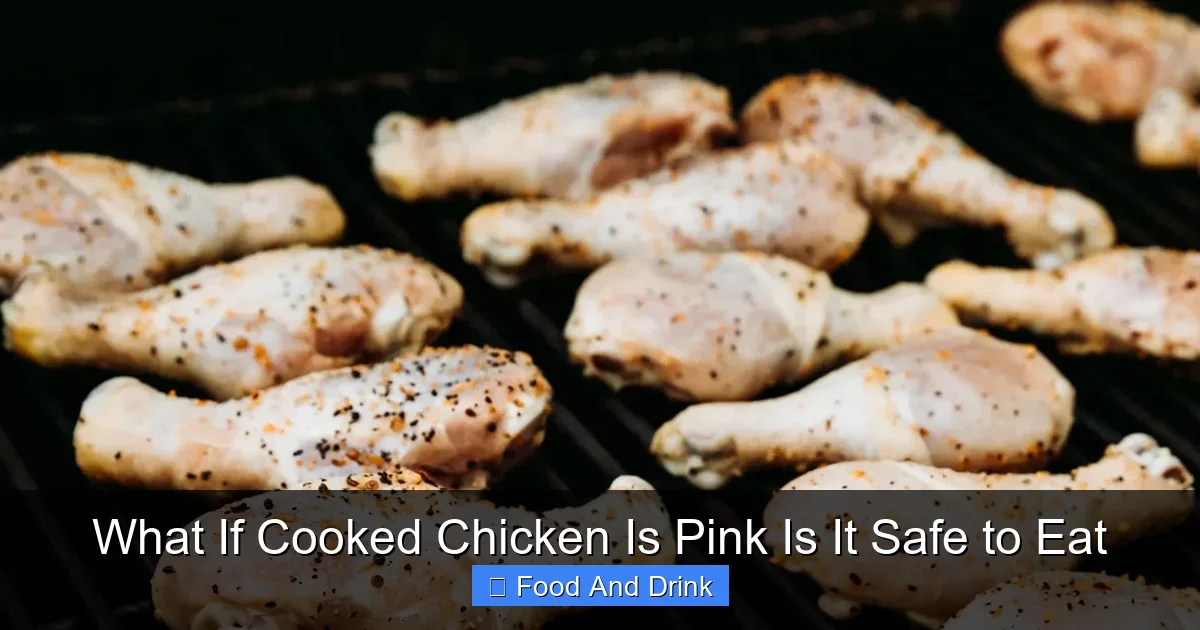
Visual guide about What If Cooked Chicken Is Pink Is It Safe to Eat
Image source: media.self.com
This is the million-dollar question: if your cooked chicken looks pink, is it safe to eat? The short answer is: it depends. Pink chicken is not inherently unsafe, but it does require careful evaluation. The most important factor isn’t color—it’s temperature.
According to the U.S. Department of Agriculture (USDA), all poultry, including chicken, must be cooked to an internal temperature of 165°F (74°C) to kill harmful bacteria such as Salmonella, Campylobacter, and E. coli. This temperature is scientifically proven to destroy pathogens within seconds. So, if your chicken has reached 165°F, it’s safe to eat—even if it still looks pink.
However, if the chicken hasn’t reached that temperature, the pink color could indicate undercooking, which poses a real health risk. Consuming undercooked chicken can lead to food poisoning, with symptoms like nausea, vomiting, diarrhea, abdominal cramps, and fever. In severe cases, especially in young children, older adults, or people with weakened immune systems, these infections can become life-threatening.
So how do you know if your pink chicken is safe? The only reliable method is using a food thermometer. Insert the probe into the thickest part of the meat, avoiding bones and fat, and check the reading. If it’s 165°F or higher, you’re good to go. If it’s lower, return the chicken to the heat source and continue cooking until it reaches the safe temperature.
It’s also important to consider the context. Was the chicken smoked or grilled? If so, the pink color is likely due to smoke exposure and not undercooking. Did you cook it in a slow cooker or at a low temperature? That could explain why the interior remains pink. Are you dealing with a young bird or a specific breed? These factors can all contribute to pinkness without compromising safety.
One practical tip: if you’re unsure, recook the chicken. It’s better to overcook slightly than to risk foodborne illness. You can also cut into the meat to check for any signs of rawness—like a translucent, jelly-like texture or a strong raw odor. If those are present, the chicken isn’t safe, regardless of color.
Common Causes of Pink Chicken (And What They Mean)
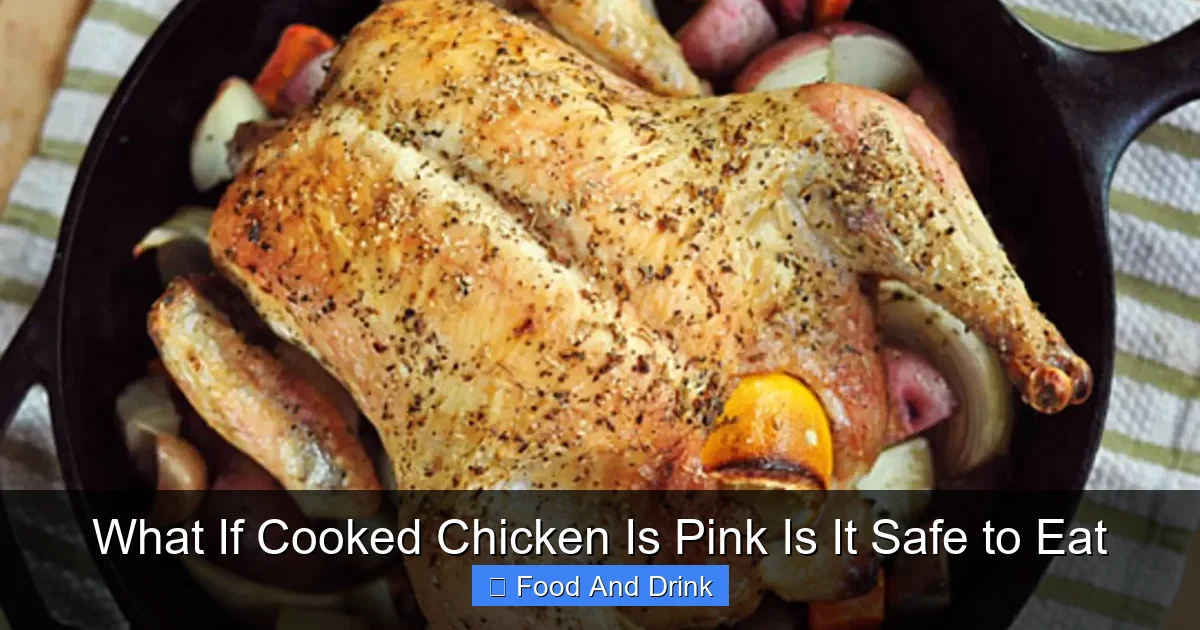
Visual guide about What If Cooked Chicken Is Pink Is It Safe to Eat
Image source: cdn.apartmenttherapy.info
Understanding the specific reasons behind pink chicken can help you make informed decisions in the kitchen. Let’s explore the most common causes and what they mean for food safety.
1. Smoking and Grilling
Smoked and grilled chicken often develop a pink ring around the edges, especially near the bone. This is known as the “smoke ring” and is caused by nitric oxide in the smoke reacting with myoglobin in the meat. This reaction forms nitrosomyoglobin, which resists heat and retains its pink color even at high temperatures. The smoke ring is purely cosmetic and doesn’t indicate undercooking. In fact, many barbecue enthusiasts consider it a sign of expert smoking.
For example, if you’ve smoked a whole chicken at 225°F for several hours and notice a pink hue near the breast bone, don’t panic. As long as the internal temperature has reached 165°F, the chicken is safe. The pink ring is simply a byproduct of the smoking process.
2. Young or Heritage Breeds
Young chickens, such as broilers or Cornish hens, have less developed muscles and lower myoglobin levels. This can result in a lighter, sometimes pinkish appearance even when fully cooked. Heritage breeds, which are raised more slowly and have different muscle structures, may also retain a pink tint due to variations in pigment distribution.
For instance, if you’re cooking a heritage breed chicken from a local farm, you might notice that the meat near the thigh or wing remains slightly pink. This doesn’t mean it’s undercooked—it’s just a characteristic of the breed. Again, use a thermometer to confirm doneness.
3. Freezing and Thawing
Freezing can alter the structure of chicken muscle fibers. Ice crystals formed during freezing can rupture cell membranes, causing myoglobin to leak out. When the chicken is thawed and cooked, this pigment may oxidize differently, leading to pink patches—especially near bones or in areas with high moisture.
If you’ve thawed a frozen chicken and notice pink spots after cooking, it’s likely due to this process. As long as the chicken reached 165°F, it’s safe to eat. To minimize this effect, thaw chicken slowly in the refrigerator and pat it dry before cooking.
4. Cooking Method and Temperature
The way you cook chicken can influence its color. High-heat roasting can cause the exterior to brown quickly while the interior, particularly near the bone, remains cooler and retains more moisture and pigment. Similarly, cooking chicken in a slow cooker or sous vide at lower temperatures may not fully denature myoglobin, resulting in a pinkish hue.
For example, if you’ve roasted a chicken at 425°F and the breast meat near the bone is still pink, it might be because that area cooked more slowly. Use a thermometer to check—don’t rely on color alone.
5. Curing Agents and Packaging
Some commercial chicken products are treated with curing agents or packaged with carbon monoxide to preserve color. While these practices don’t affect safety, they can make chicken appear pinker than it would naturally be—even after cooking.
If you’ve bought pre-packaged chicken and notice it’s still pink after cooking, check the label. If it contains nitrites or was packaged with carbon monoxide, the color is likely artificial and not a sign of undercooking.
How to Safely Cook Chicken (Beyond Color)
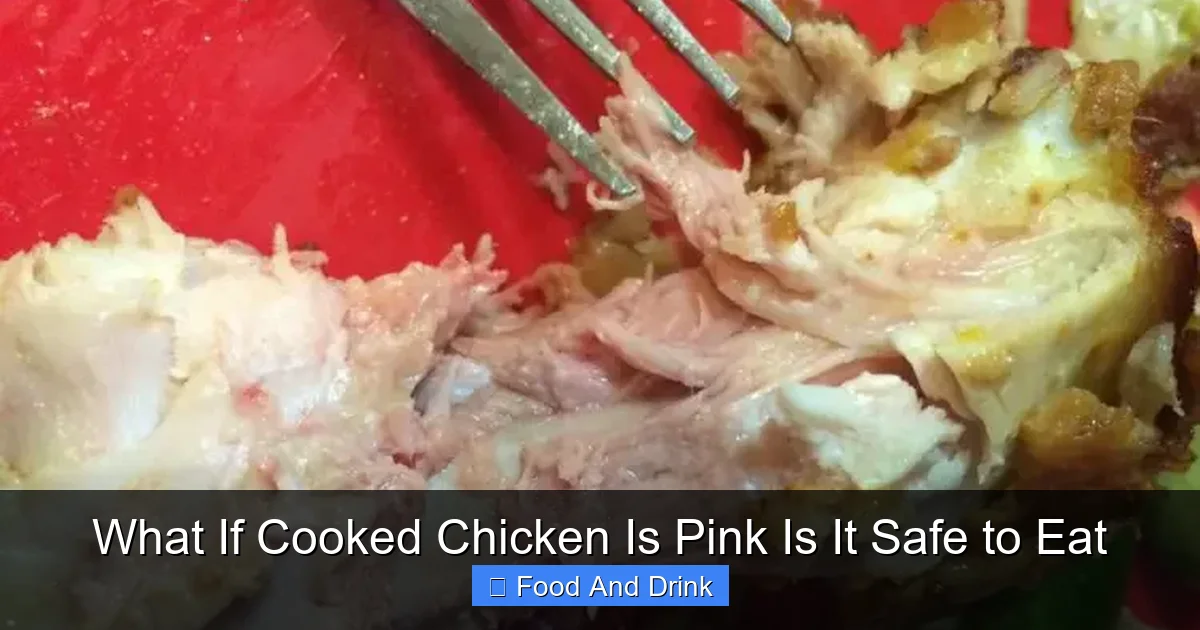
Visual guide about What If Cooked Chicken Is Pink Is It Safe to Eat
Image source: foodhow.com
Now that you understand why chicken can turn pink, let’s talk about how to cook it safely—every time. The golden rule? Use a meat thermometer.
Step 1: Choose the Right Thermometer
Invest in a reliable instant-read food thermometer. Digital models are affordable, accurate, and easy to use. Avoid analog thermometers, which can be less precise.
Step 2: Know Where to Insert the Probe
Insert the thermometer into the thickest part of the meat, avoiding bones, fat, and gristle. For whole chickens, check the breast and thigh. For chicken breasts, insert the probe sideways into the center.
Step 3: Wait for the Right Temperature
Cook all poultry to an internal temperature of 165°F (74°C). This temperature ensures that harmful bacteria are destroyed. Remove the chicken from heat once it reaches this temperature—carryover cooking will continue to raise the temperature slightly.
Step 4: Let It Rest
After cooking, let the chicken rest for 5–10 minutes. This allows juices to redistribute and the temperature to stabilize. During this time, the internal temperature may rise by 5–10°F, so you can remove it from heat at 160°F if desired.
Step 5: Clean Up Properly
Always wash your hands, utensils, and surfaces that came into contact with raw chicken. Use hot, soapy water or a disinfectant to prevent cross-contamination.
When to Be Concerned About Pink Chicken
While pink chicken isn’t always a red flag, there are times when it’s best to err on the side of caution.
If the chicken has a strong, unpleasant odor—like sulfur or ammonia—it may be spoiled, regardless of color. Spoiled chicken can harbor dangerous bacteria and should be discarded.
If the meat appears translucent, slimy, or jelly-like, it’s undercooked. This texture indicates that the proteins haven’t fully denatured, and the chicken hasn’t reached a safe temperature.
If you’ve cooked the chicken using a method that doesn’t involve smoke or curing (like boiling or baking), and it’s still pink throughout, it’s likely undercooked. Recook it until it reaches 165°F.
Finally, if you’re serving chicken to vulnerable individuals—such as pregnant women, young children, or immunocompromised people—it’s best to avoid any doubt. Cook chicken thoroughly and avoid any pink hues, even if they’re technically safe.
Practical Tips for Home Cooks
Here are some real-world tips to help you navigate pink chicken with confidence:
– Always use a meat thermometer—don’t guess.
– If smoking or grilling, expect a pink ring—it’s normal.
– For young or heritage chickens, check temperature near the bone.
– Thaw frozen chicken in the refrigerator, not on the counter.
– If in doubt, recook the chicken or discard it.
– Store cooked chicken in the fridge within two hours of cooking.
– Reheat leftovers to 165°F before eating.
Conclusion
Seeing pink in cooked chicken can be unsettling, but it doesn’t automatically mean the meat is unsafe. Factors like smoking, breed, age, freezing, and cooking method can all contribute to a pink hue—even when the chicken is fully cooked and safe to eat. The key takeaway? Rely on temperature, not color, to determine doneness. Always use a food thermometer and cook chicken to an internal temperature of 165°F (74°C). When in doubt, recook or discard. With these guidelines, you can enjoy delicious, safe chicken—pink or not—with confidence.
Frequently Asked Questions
What causes pink chicken after cooking?
Pink chicken can result from smoking, young age of the bird, freezing, or chemical reactions with nitrites. It doesn’t always mean undercooking.
Can I eat chicken that’s pink in the middle?
Only if it has reached an internal temperature of 165°F. Use a thermometer to confirm safety.
Is pink chicken a sign of Salmonella?
No, pink color alone isn’t a sign of Salmonella. Bacteria are killed at 165°F, regardless of color.
Why does my grilled chicken stay pink?
Grilling introduces nitric oxide from smoke, which reacts with myoglobin to create a stable pink color.
Can I prevent pink chicken when cooking?
You can’t always prevent it, but using a thermometer ensures safety. Avoid relying on color alone.
Is it safe to eat chicken that’s pink after reheating?
Only if it was fully cooked initially and reheated to 165°F. Reheating doesn’t fix undercooked meat.


