



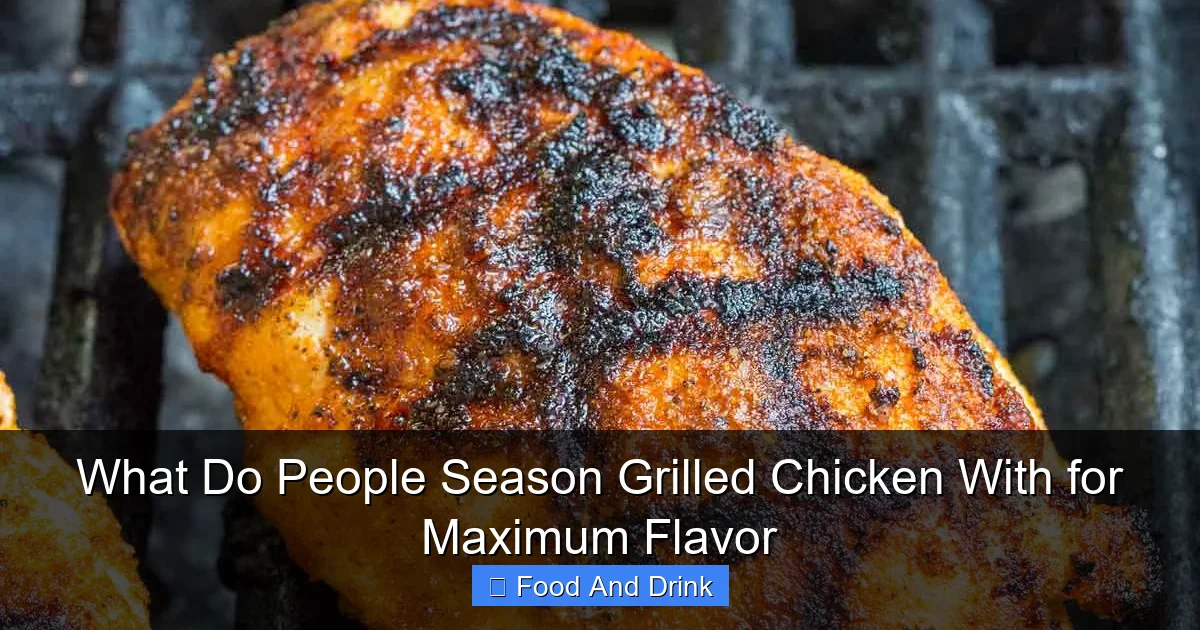
Grilled chicken gets its irresistible flavor from a mix of herbs, spices, acids, and oils. People use everything from simple salt and pepper to complex global spice blends like za’atar or jerk seasoning to elevate their chicken. The right seasoning not only adds taste but also helps create a juicy, tender bite every time.
Grilled chicken is one of the most beloved dishes around the world—simple, healthy, and incredibly versatile. Whether you’re firing up the backyard grill for a summer BBQ or searing it on a stovetop grill pan during a busy weeknight, one thing remains constant: the magic happens in the seasoning. But what do people actually season grilled chicken with to make it truly unforgettable?
The answer isn’t just one spice or herb—it’s a combination of ingredients that work together to build layers of flavor. From backyard cooks to professional chefs, everyone has their go-to blend. Some swear by minimalism—just salt, pepper, and a drizzle of olive oil. Others dive into bold, global flavors with spice rubs inspired by Mexican, Mediterranean, or Caribbean cuisines. The truth is, there’s no single “right” way to season grilled chicken. What matters most is understanding how different ingredients interact with the meat and the heat of the grill.
In this guide, we’ll explore the most popular and effective seasonings people use to make their grilled chicken shine. You’ll learn about the science behind flavor, discover classic and creative spice blends, and get practical tips for marinating, rubbing, and finishing your chicken like a pro. Whether you’re a beginner or a seasoned grill master, these insights will help you take your chicken from bland to brilliant.
Key Takeaways
- Salt is essential: It enhances natural flavor and helps retain moisture during grilling.
- Acids like lemon juice or vinegar tenderize: They break down proteins for softer, more flavorful meat.
Fresh or dried, they bring aroma and complexity—think rosemary, thyme, or smoked paprika. - Oil carries flavor and prevents sticking: A light coating of olive or avocado oil helps spices adhere and promotes browning.
- Global seasonings offer bold twists: Try taco seasoning, curry powder, or harissa for international flair.
- Marinating boosts results: Even 30 minutes in a flavorful liquid makes a big difference.
- Timing matters: Season before grilling, but avoid salting too early if not marinating to prevent drying.
Quick Answers to Common Questions
What is the best way to season grilled chicken?
The best way is to use a combination of salt, pepper, herbs, spices, acid, and oil. Marinating or dry brining enhances flavor and tenderness, while a dry rub creates a delicious crust.
Can I use store-bought seasoning on grilled chicken?
Yes! Store-bought blends like taco seasoning, jerk rub, or Italian seasoning work great. Just check the ingredients to avoid excess sodium or additives.
How long should I marinate grilled chicken?
Marinate for at least 30 minutes, but no more than 24 hours. Over-marinating can make the texture mushy, especially with acidic ingredients.
Should I season chicken before or after grilling?
Season before grilling. Salting 15–30 minutes ahead (or dry brining overnight) helps build flavor and retain moisture.
What spices go well with grilled chicken?
Popular spices include garlic powder, onion powder, smoked paprika, cumin, oregano, thyme, and chili powder. Mix and match based on the cuisine you’re inspired by.
📑 Table of Contents
The Role of Salt and Pepper: The Foundation of Flavor
Let’s start with the basics: salt and pepper. These two humble ingredients are the backbone of almost every grilled chicken recipe—and for good reason. Salt isn’t just about making food taste salty; it’s a flavor enhancer that draws out the natural juices in chicken and amplifies every other taste. When you salt chicken before grilling, it penetrates the surface and begins to dissolve muscle proteins, which helps the meat retain moisture during cooking. This means juicier, more tender results.
But timing is key. If you’re not marinating, salting the chicken 15 to 30 minutes before grilling gives the salt time to work its magic without pulling out too much moisture. Some chefs even salt the chicken a day ahead and refrigerate it uncovered—this dry-brining technique creates a crispy skin and deeply seasoned interior.
Black pepper adds a sharp, slightly spicy kick that complements the mild flavor of chicken. Freshly ground pepper is always better than pre-ground because it retains more of its aromatic oils. A coarse grind works well for grilling, as it holds up to high heat and gives a nice texture.
While salt and pepper alone can make a delicious grilled chicken, most people build on this foundation with additional herbs, spices, and liquids. Think of salt and pepper as the canvas—everything else is the paint.
Herbs and Spices: Building Flavor Layers

Visual guide about What Do People Season Grilled Chicken With for Maximum Flavor
Image source: kitchensmokey.com
Once you’ve got your salt and pepper down, it’s time to add depth with herbs and spices. This is where grilled chicken truly comes alive. Herbs bring freshness and aroma, while spices add warmth, heat, or smokiness. The best part? You can mix and match to suit your taste or the occasion.
Classic Herbs for Grilled Chicken
Fresh herbs like rosemary, thyme, and oregano are staples in Mediterranean-style grilled chicken. Rosemary has a piney, slightly citrusy flavor that pairs beautifully with grilled meats. A few sprigs can be tucked under the chicken skin or chopped and mixed into a marinade. Thyme is more subtle but equally powerful—its earthy notes blend well with garlic and lemon. Oregano, especially Greek oregano, adds a bold, slightly bitter edge that stands up to high heat.
If you’re using fresh herbs, add them toward the end of marinating or right before grilling to preserve their delicate flavors. Dried herbs are more concentrated, so use about one-third the amount of fresh. For example, if a recipe calls for 1 tablespoon of fresh thyme, use 1 teaspoon dried.
Essential Spices for Bold Taste
Spices take grilled chicken to the next level. Smoked paprika, for instance, adds a rich, smoky flavor without actual smoke—perfect for when you want that BBQ taste but don’t have a smoker. Garlic powder and onion powder deliver savory depth and are great for rubs because they don’t burn as easily as fresh versions.
Cumin brings a warm, nutty flavor that’s essential in Mexican and Middle Eastern dishes. A pinch of cayenne or red pepper flakes adds heat, while turmeric gives a golden color and earthy bitterness. For a balanced spice blend, try combining smoked paprika, garlic powder, onion powder, cumin, and a touch of black pepper.
Don’t forget about chili powder—it’s not just for tacos. A good chili powder blend (which usually includes cumin, oregano, and garlic) can transform plain grilled chicken into a fiesta on a plate. Just be mindful of the heat level; some blends are spicier than others.
Acids and Oils: Tenderizing and Flavor Carriers
Visual guide about What Do People Season Grilled Chicken With for Maximum Flavor
Image source: jessicagavin.com
While herbs and spices provide flavor, acids and oils play crucial roles in texture and absorption. Acids like lemon juice, lime juice, vinegar, or yogurt help tenderize the chicken by breaking down tough muscle fibers. This is especially helpful for lean cuts like chicken breast, which can dry out easily on the grill.
The Power of Citrus and Vinegar
A splash of lemon or lime juice not only adds brightness but also helps the seasonings penetrate the meat. Citrus-based marinades are popular in Mediterranean and Latin American cooking. For example, a simple marinade of olive oil, lemon juice, garlic, and oregano creates a zesty, aromatic grilled chicken that’s perfect with a side of rice or salad.
Vinegar—whether apple cider, red wine, or balsamic—adds tang and complexity. Apple cider vinegar is mild and slightly sweet, making it great for balancing spicy rubs. Red wine vinegar pairs well with herbs like rosemary and thyme, while balsamic vinegar adds a rich, syrupy depth that caramelizes beautifully on the grill.
Yogurt as a Tenderizer
Yogurt is a secret weapon in many grilled chicken recipes, especially in Indian and Middle Eastern cuisines. The lactic acid in yogurt gently tenderizes the meat, while the fat keeps it moist. A classic example is tandoori chicken, where chicken is marinated in yogurt with spices like cumin, coriander, turmeric, and garam masala. The result is juicy, flavorful chicken with a vibrant red hue (often from food coloring or paprika).
Even a simple yogurt marinade with garlic, lemon, and herbs can make a huge difference. Just be sure to use plain, full-fat yogurt for the best texture and flavor.
Oils: The Flavor Conductor
Oils do more than prevent sticking—they help carry fat-soluble flavors from herbs and spices into the meat. Olive oil is a popular choice for its rich taste and health benefits, but avocado oil is even better for high-heat grilling because of its high smoke point. Neutral oils like canola or grapeseed work well too, especially if you want the spices to shine without competing flavors.
A light coating of oil also promotes browning and helps create that desirable grill char. For best results, brush the chicken with oil just before placing it on the grill, or include it in your marinade or rub.
Global Seasoning Inspirations

Visual guide about What Do People Season Grilled Chicken With for Maximum Flavor
Image source: staysnatched.com
One of the joys of grilling chicken is how easily it adapts to different cuisines. People around the world have developed unique seasoning blends that reflect their culture and ingredients. Here are some of the most popular global styles you can try at home.
Mediterranean Magic
Mediterranean seasoning is all about fresh, bright flavors. Think olive oil, lemon, garlic, oregano, thyme, and a sprinkle of sea salt. This style works beautifully with chicken skewers or whole grilled breasts. Add a handful of chopped parsley or mint after grilling for a fresh finish.
For a twist, try a Greek-inspired marinade with lemon juice, olive oil, garlic, oregano, and a pinch of cinnamon (yes, cinnamon—it’s traditional in Greek cooking and adds warmth). Serve with tzatziki sauce and pita for a complete meal.
Mexican Fiesta
Mexican seasoning brings bold, smoky, and spicy flavors to grilled chicken. A classic taco seasoning blend includes chili powder, cumin, garlic powder, onion powder, paprika, and oregano. Add a squeeze of lime and a dash of cayenne for heat.
For a more authentic touch, use adobo sauce (from canned chipotle peppers) in your marinade. The smoky, slightly sweet flavor pairs perfectly with grilled chicken tacos or burrito bowls. Don’t forget to garnish with cilantro, diced onions, and a lime wedge.
Middle Eastern Za’atar and Harissa
Za’atar is a fragrant Middle Eastern blend of thyme, sumac, sesame seeds, and salt. It’s earthy, tangy, and nutty—perfect for rubbing on chicken before grilling. Sumac, a key ingredient, adds a lemony tartness that brightens the meat.
Harissa, a North African chili paste, brings heat and depth. Made from roasted red peppers, chili peppers, garlic, and spices like caraway and coriander, it’s bold and aromatic. Mix harissa with olive oil and lemon juice for a fiery marinade, or use it as a finishing sauce.
Caribbean Jerk
Jerk seasoning is all about big, bold flavors with a kick. Traditional jerk blends include allspice, Scotch bonnet peppers, thyme, garlic, ginger, and brown sugar. The result is a spicy, sweet, and smoky profile that’s perfect for grilled chicken.
You can make your own jerk rub or use a store-bought version. Marinate the chicken for at least 2 hours (or overnight) to let the flavors penetrate. Serve with grilled pineapple or mango salsa for a tropical twist.
Indian Tandoori and Curry
Indian seasoning is rich and complex, often featuring a blend of spices like turmeric, cumin, coriander, cardamom, and cloves. Tandoori chicken, as mentioned earlier, uses yogurt and spices for a tender, flavorful result. For a curry-inspired grilled chicken, marinate in a mixture of curry powder, coconut milk, garlic, and ginger. The coconut milk adds richness and helps keep the chicken moist.
Marinades, Rubs, and Dry Brines: Techniques That Work
Now that you know what to season grilled chicken with, let’s talk about how to apply those flavors. The method you choose—marinating, rubbing, or dry brining—can dramatically affect the final result.
Marinades: Deep Flavor in Liquid Form
Marinades are liquid mixtures that soak the chicken, infusing it with flavor and tenderizing the meat. A good marinade has three components: acid (like lemon juice or vinegar), oil, and seasonings. The acid tenderizes, the oil carries flavor and prevents drying, and the seasonings provide taste.
For best results, marinate chicken for at least 30 minutes, but no more than 24 hours. Over-marinating, especially with strong acids, can make the texture mushy. Use a resealable bag or shallow dish, and always marinate in the refrigerator.
Try this simple marinade: 1/4 cup olive oil, 2 tablespoons lemon juice, 2 minced garlic cloves, 1 teaspoon dried oregano, 1/2 teaspoon salt, and 1/4 teaspoon black pepper. Pour over chicken breasts, seal, and refrigerate for 1–4 hours.
Dry Rubs: Concentrated Flavor Power
Dry rubs are mixtures of herbs, spices, salt, and sometimes sugar that are rubbed directly onto the chicken. They form a flavorful crust when grilled and are perfect for when you want bold, concentrated taste without added moisture.
To make a basic rub, combine 1 tablespoon each of smoked paprika, garlic powder, onion powder, and brown sugar, plus 1 teaspoon each of salt, black pepper, and cumin. Adjust the sugar and spice levels to your taste. Apply the rub evenly over the chicken, pressing gently to help it stick. Let it sit for 15–30 minutes before grilling.
Dry rubs work especially well on chicken thighs and drumsticks, which have more fat and can handle strong flavors.
Dry Brining: The Secret to Juicy Chicken
Dry brining is simply salting the chicken in advance and letting it rest uncovered in the fridge. This technique draws out moisture, which then reabsorbs into the meat along with the salt, resulting in deeply seasoned, ultra-juicy chicken.
To dry brine, generously salt both sides of the chicken and place it on a wire rack over a baking sheet. Refrigerate for 1–24 hours. The chicken will look slightly firmer and drier on the surface—this is normal. Pat it dry before grilling to ensure a good sear.
Dry brining is especially effective for chicken breasts, which tend to dry out easily. It also helps create a crispy, golden skin if you’re grilling bone-in, skin-on pieces.
Pro Tips for Perfectly Seasoned Grilled Chicken
Even with the best seasonings, grilling chicken can go wrong if you’re not careful. Here are some expert tips to ensure your chicken is flavorful, juicy, and safe to eat.
Don’t Overcook
Overcooked chicken is dry and tough—no amount of seasoning can fix that. Use a meat thermometer to check for doneness. Chicken is safe to eat when it reaches an internal temperature of 165°F (74°C). For best texture, remove it from the grill at 160°F (71°C) and let it rest; the temperature will rise to 165°F as it sits.
Let It Rest
Resting allows the juices to redistribute throughout the meat. Let grilled chicken rest for 5–10 minutes before slicing or serving. This simple step makes a big difference in moisture and flavor.
Use a Two-Zone Grill
If you’re using a charcoal or gas grill, set up two zones: one hot for searing and one cooler for finishing. Sear the chicken over high heat to develop a nice crust, then move it to the cooler side to cook through without burning.
Season Both Sides
Don’t forget to season the underside of the chicken! Many people only season the top, but flavor should go everywhere. Flip the chicken halfway through cooking and season the other side if needed.
Finish with Freshness
After grilling, add a burst of fresh flavor with chopped herbs, a squeeze of citrus, or a drizzle of sauce. Fresh parsley, cilantro, or basil can brighten up even the most heavily spiced chicken.
Conclusion
So, what do people season grilled chicken with for maximum flavor? The answer is as diverse as the people doing the grilling. From simple salt and pepper to complex global spice blends, the key is balance—combining salt, acid, fat, and aromatics to create a harmonious flavor profile.
Whether you’re marinating in yogurt and spices, rubbing on a smoky dry mix, or dry brining for juiciness, the right seasoning transforms plain chicken into a mouthwatering masterpiece. Experiment with different herbs, spices, and techniques to find your favorite combination. And remember: great grilled chicken isn’t just about the ingredients—it’s about timing, temperature, and a little bit of love.
Next time you fire up the grill, don’t just throw on the chicken and hope for the best. Season with intention, cook with care, and savor every bite. Your taste buds—and your dinner guests—will thank you.
Frequently Asked Questions
Can I use fresh herbs instead of dried on grilled chicken?
Yes, fresh herbs add bright, aromatic flavor. Use three times the amount of fresh herbs compared to dried, and add them toward the end of marinating or after grilling to preserve their taste.
Is it necessary to marinate grilled chicken?
Not necessary, but highly recommended. Marinating adds flavor and helps keep the chicken moist, especially for lean cuts like breast. Even a quick 30-minute soak makes a difference.
What’s the difference between a dry rub and a marinade?
A dry rub is a mixture of dry spices applied directly to the chicken, while a marinade is a liquid mixture the chicken soaks in. Rubs create a flavorful crust; marinades penetrate deeper and tenderize.
Can I season frozen chicken before grilling?
It’s better to thaw chicken first. Seasoning frozen chicken won’t allow flavors to penetrate properly, and it may not cook evenly. Thaw in the fridge overnight before seasoning.
How do I prevent grilled chicken from drying out?
Use a meat thermometer to avoid overcooking, marinate or dry brine beforehand, and let the chicken rest after grilling. Cooking to 160°F and resting to 165°F keeps it juicy.
What’s a good seasoning for healthy grilled chicken?
A simple mix of olive oil, lemon juice, garlic, salt, pepper, and herbs like rosemary or thyme is healthy and delicious. Avoid sugary rubs or high-sodium blends for a lighter option.


