

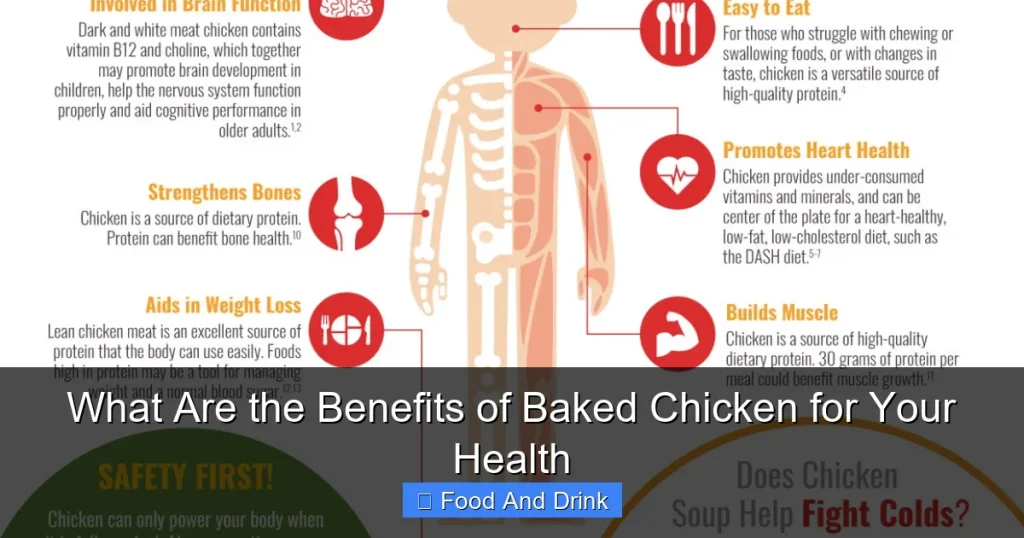

Baked chicken is a nutritious, low-fat protein source packed with essential vitamins and minerals. It supports muscle growth, heart health, and weight management while being versatile and easy to prepare. Whether you’re cooking for one or feeding a family, baked chicken offers a healthy, delicious option that fits into any balanced diet.
When it comes to healthy, delicious, and easy-to-make meals, few foods can compete with baked chicken. Whether you’re a fitness enthusiast, a busy parent, or someone simply looking to eat better, baked chicken deserves a permanent spot on your weekly menu. It’s not just a staple in home kitchens—it’s a nutritional powerhouse that supports your body in more ways than you might realize.
Unlike fried or breaded chicken, which can be loaded with unhealthy fats and excess calories, baked chicken is prepared using dry heat in the oven. This method preserves the meat’s natural juices while minimizing added oils and unhealthy coatings. As a result, you get a tender, flavorful dish that’s lower in calories and saturated fat. Plus, baking allows you to infuse the chicken with herbs, spices, and marinades, enhancing both taste and nutrition without compromising health.
But the benefits of baked chicken go far beyond its cooking method. This lean protein is rich in essential nutrients that play vital roles in everything from energy production to immune defense. Whether you’re trying to build muscle, manage your weight, or simply feel more energized throughout the day, baked chicken can be a key part of your strategy. And the best part? It’s incredibly versatile. You can bake it with lemon and garlic, toss it in a spicy rub, or pair it with roasted vegetables for a complete, balanced meal.
Key Takeaways
- High-Quality Protein: Baked chicken provides complete protein with all nine essential amino acids, supporting muscle repair and growth.
- Low in Saturated Fat: When prepared without skin and excess oil, baked chicken is a lean meat option that promotes heart health.
- Rich in B Vitamins: Chicken is an excellent source of niacin, vitamin B6, and B12, which support energy production and brain function.
- Supports Weight Management: High protein and low calorie content help you feel full longer, reducing overeating and aiding in fat loss.
- Boosts Immune Function: Zinc and selenium in chicken strengthen the immune system and help fight off infections.
- Versatile and Easy to Cook: Baked chicken can be seasoned in countless ways, making it a go-to meal for busy weeknights or special occasions.
- Promotes Bone Health: Phosphorus and small amounts of calcium in chicken contribute to strong bones and teeth.
Quick Answers to Common Questions
Is baked chicken healthier than fried chicken?
Yes, baked chicken is significantly healthier than fried chicken. Baking uses dry heat and little to no oil, resulting in fewer calories, less fat, and no harmful trans fats. Fried chicken, especially when breaded and deep-fried, is high in unhealthy fats and calories, which can contribute to weight gain and heart disease.
Can I eat baked chicken every day?
Yes, you can eat baked chicken every day as part of a balanced diet. It’s a lean source of protein and essential nutrients. Just vary your sides and seasonings to ensure you’re getting a wide range of vitamins and minerals from other foods.
Does baking chicken destroy nutrients?
Baking preserves most of chicken’s nutrients, especially when cooked at moderate temperatures. While some water-soluble vitamins like B6 may be slightly reduced, the overall nutritional value remains high. Avoid overcooking to retain maximum nutrients.
What’s the best way to keep baked chicken moist?
To keep baked chicken moist, marinate it before cooking, use a meat thermometer to avoid overcooking, and let it rest for 5–10 minutes after baking. Adding a splash of broth or covering with foil during part of the cooking time can also help.
Can I freeze baked chicken?
Yes, baked chicken freezes well. Store it in airtight containers or freezer bags for up to 3 months. Thaw in the refrigerator overnight and reheat gently to maintain texture and flavor.
📑 Table of Contents
Nutritional Profile of Baked Chicken
To truly appreciate the benefits of baked chicken, it helps to understand what’s inside. A 3-ounce (about 85-gram) serving of skinless, baked chicken breast contains approximately 140 calories, 3 grams of fat, and 26 grams of protein. That’s a high protein-to-calorie ratio, making it ideal for anyone looking to fuel their body efficiently.
But it’s not just about macronutrients. Baked chicken is also loaded with essential vitamins and minerals. It’s particularly rich in B vitamins, including niacin (B3), vitamin B6, and vitamin B12. These nutrients are crucial for converting food into energy, supporting brain function, and maintaining healthy red blood cells. Niacin, for example, helps regulate cholesterol levels and supports skin health, while B6 plays a role in mood regulation and immune response.
Chicken also provides important minerals like selenium, phosphorus, and zinc. Selenium acts as a powerful antioxidant, protecting your cells from damage caused by free radicals. Phosphorus works alongside calcium to build strong bones and teeth, and zinc supports immune function, wound healing, and DNA synthesis.
Even though chicken isn’t as high in iron as red meat, it still contains a modest amount—especially in the dark meat like thighs. When paired with vitamin C-rich foods like bell peppers or broccoli, your body can absorb the iron more effectively. This makes baked chicken a smart choice for vegetarians transitioning to a more omnivorous diet or anyone looking to boost their iron intake naturally.
One of the biggest advantages of baked chicken is its low sodium content—especially when you prepare it at home. Unlike processed or pre-seasoned chicken products, which can be loaded with salt and preservatives, homemade baked chicken lets you control the ingredients. You can use fresh herbs, citrus, and low-sodium seasonings to add flavor without the extra sodium.
High-Quality Protein for Muscle and Recovery

Visual guide about What Are the Benefits of Baked Chicken for Your Health
Image source: wholesomeyum.com
If you’re active—whether you’re hitting the gym, running, or just staying on your feet all day—your body needs protein to repair and build muscle tissue. Baked chicken is one of the best sources of high-quality protein available. It contains all nine essential amino acids, making it a “complete” protein. This means your body can use it efficiently to support muscle growth, recovery, and overall physical performance.
After a workout, your muscles experience tiny tears that need to be repaired. Protein provides the building blocks (amino acids) needed for this repair process. Eating baked chicken within a few hours of exercising can speed up recovery, reduce soreness, and help you feel stronger for your next session.
But it’s not just athletes who benefit. As we age, we naturally lose muscle mass—a condition called sarcopenia. Consuming adequate protein, like that found in baked chicken, can help slow this process and maintain strength and mobility. Older adults who include lean protein in their diet often report better balance, reduced risk of falls, and improved quality of life.
Even if you’re not hitting the weights, protein plays a role in everyday functions. It helps regulate hormones, supports immune function, and keeps your metabolism running smoothly. Because protein takes longer to digest than carbohydrates, it also helps stabilize blood sugar levels, preventing energy crashes and cravings.
For vegetarians or those reducing red meat intake, baked chicken can be a valuable addition to a balanced diet. It’s a clean, sustainable source of protein that’s easier on the digestive system than some plant-based alternatives. And because it’s so versatile, you can enjoy it in salads, wraps, stir-fries, or as a standalone main dish.
Heart-Healthy Benefits of Baked Chicken

Visual guide about What Are the Benefits of Baked Chicken for Your Health
Image source: eatthis.com
Heart disease remains one of the leading causes of death worldwide, but diet plays a major role in prevention. Choosing lean proteins like baked chicken over fatty or processed meats can significantly reduce your risk of heart-related issues.
One of the main reasons baked chicken is heart-healthy is its low saturated fat content—especially when you remove the skin. Saturated fat, found in higher amounts in red meat and full-fat dairy, can raise LDL (“bad”) cholesterol levels, increasing the risk of plaque buildup in arteries. In contrast, baked chicken breast is naturally low in saturated fat and contains healthier unsaturated fats when prepared without added oils.
Additionally, chicken is free of trans fats, which are even more harmful than saturated fats and are often found in fried and processed foods. By choosing baked over fried chicken, you eliminate this risk entirely.
Baked chicken also supports heart health through its nutrient profile. Niacin (vitamin B3), for example, has been shown to help lower LDL cholesterol and raise HDL (“good”) cholesterol. Some studies suggest that niacin can even reduce the risk of heart attacks and strokes when consumed as part of a balanced diet.
Potassium, another mineral found in chicken, helps regulate blood pressure by balancing the effects of sodium. High sodium intake is linked to hypertension, a major risk factor for heart disease. By preparing baked chicken with herbs and spices instead of salt, you can enjoy a flavorful meal that supports healthy blood pressure levels.
It’s also worth noting that baked chicken is lower in calories than many other protein sources. A 3-ounce serving of baked chicken breast has about 140 calories, compared to 250+ calories in the same amount of fried chicken or fatty cuts of beef. This makes it easier to maintain a healthy weight—another key factor in heart health.
Weight Management and Satiety
Visual guide about What Are the Benefits of Baked Chicken for Your Health
Image source: eatthis.com
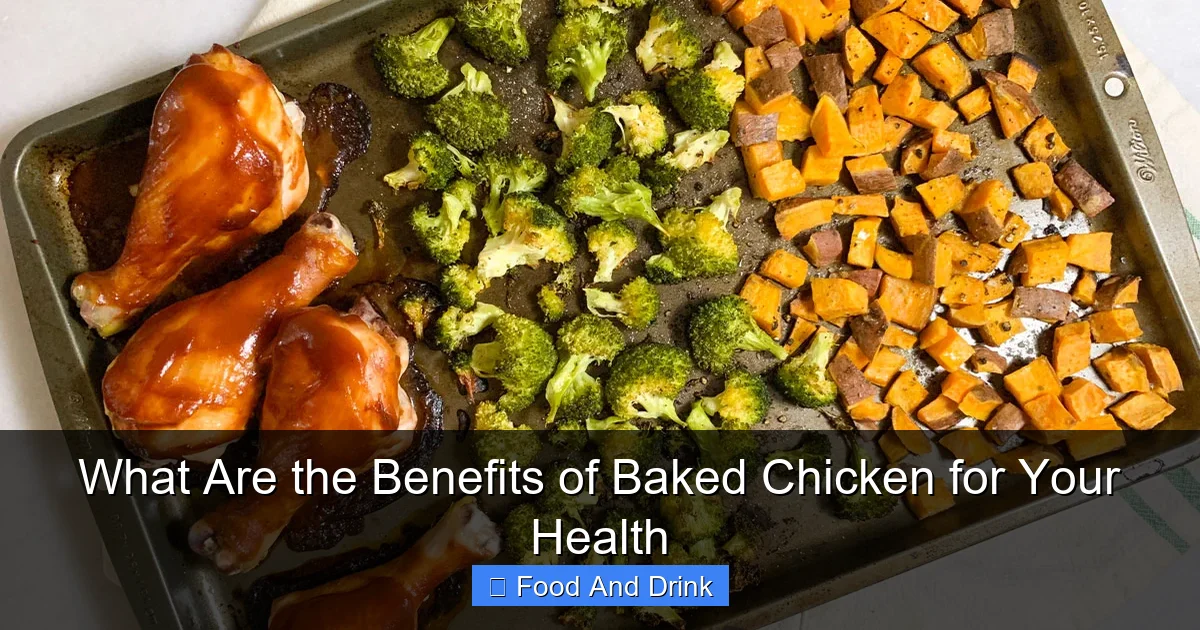
If you’re trying to lose weight or maintain a healthy weight, baked chicken can be one of your best allies. Its high protein content and low calorie count make it a filling, satisfying food that helps control appetite.
Protein is the most satiating macronutrient—meaning it keeps you feeling full longer than carbs or fats. When you eat baked chicken, your body takes time to digest the protein, which slows gastric emptying and reduces hunger hormones like ghrelin. This natural appetite control can help you avoid snacking between meals and reduce overall calorie intake.
Studies have shown that people who include lean protein in their meals tend to eat fewer calories throughout the day. For example, a breakfast or lunch featuring baked chicken is more likely to keep you satisfied until your next meal than a carb-heavy option like toast or cereal.
Baked chicken also supports fat loss by preserving lean muscle mass. When you’re in a calorie deficit (eating fewer calories than you burn), your body may start breaking down muscle for energy. But consuming enough protein—like that from baked chicken—signals your body to preserve muscle and burn fat instead. This not only helps you lose weight but also improves body composition, giving you a leaner, more toned appearance.
Another advantage is that baked chicken is low in carbohydrates, making it a great option for low-carb or ketogenic diets. Whether you’re following a specific eating plan or just trying to cut back on refined carbs, baked chicken fits seamlessly into your routine.
To maximize the weight-loss benefits, pair your baked chicken with fiber-rich vegetables like broccoli, zucchini, or spinach. These add volume and nutrients without many calories, helping you feel full and satisfied. Avoid heavy sauces or creamy toppings, which can add unnecessary fat and calories.
Boosting Immunity and Overall Wellness
Your immune system is your body’s first line of defense against illness, and nutrition plays a crucial role in keeping it strong. Baked chicken contributes to immune health in several ways, thanks to its rich supply of key nutrients.
Zinc, for instance, is essential for the development and function of immune cells. It helps your body fight off invading bacteria and viruses and can even reduce the duration of colds. A 3-ounce serving of baked chicken provides about 10% of your daily zinc needs—more if you eat dark meat.
Selenium, another immune-boosting mineral in chicken, acts as an antioxidant that reduces inflammation and enhances the body’s response to infection. Low selenium levels have been linked to increased risk of viral illnesses and slower recovery times.
Vitamin B6, abundant in baked chicken, supports biochemical reactions involved in immune function. It helps produce antibodies—proteins that target and neutralize harmful pathogens. Without enough B6, your immune system may not respond as effectively to threats.
Beyond immunity, baked chicken supports overall wellness. The B vitamins in chicken help convert food into energy, reducing fatigue and supporting brain function. Niacin and B6 are particularly important for cognitive health, mood regulation, and sleep quality.
Chicken also contains small amounts of tryptophan, an amino acid that the body uses to produce serotonin—a neurotransmitter that promotes feelings of well-being and relaxation. While you’d need to eat a lot of chicken to get a significant mood boost, it can contribute to a balanced, calming effect when part of a nutritious diet.
For people managing chronic conditions like diabetes or hypertension, baked chicken offers a safe, nutritious protein option. It has a low glycemic index, meaning it doesn’t spike blood sugar levels, and its nutrient density supports long-term health.
Versatility and Ease of Preparation
One of the greatest benefits of baked chicken is how easy and flexible it is to prepare. Whether you have 20 minutes or an hour, you can create a delicious, healthy meal with minimal effort.
Start with simple seasoning: salt, pepper, garlic powder, and paprika can transform plain chicken into a flavorful dish. For extra zest, add lemon juice, fresh herbs like rosemary or thyme, or a splash of olive oil. Marinating the chicken for 30 minutes to a few hours before baking enhances flavor and keeps the meat moist.
You can bake chicken breasts, thighs, drumsticks, or even a whole chicken. Boneless, skinless breasts cook quickly and are perfect for salads or sandwiches. Bone-in, skin-on pieces stay juicier and are great for roasting with vegetables.
Baking also allows for hands-off cooking. Simply place the chicken in a dish, add your seasonings, and let the oven do the work. While it bakes, you can prepare a side salad, steam some veggies, or set the table—making it ideal for busy weeknights.
Leftover baked chicken is just as useful. Shred it for tacos, slice it into stir-fries, or chop it into grain bowls. It stores well in the fridge for up to four days and can be frozen for longer storage.
For meal prep, bake a batch of chicken on Sunday and use it throughout the week. This saves time and ensures you always have a healthy protein option on hand.
Tips for Healthy Baking
To get the most out of your baked chicken, follow these simple tips:
– Use a meat thermometer: Chicken is safe to eat when it reaches an internal temperature of 165°F (74°C). Overcooking can dry it out, so check early and often.
– Pat the chicken dry: Removing excess moisture helps the seasoning stick and promotes browning.
– Don’t overcrowd the pan: Leave space between pieces so they cook evenly and get a nice crust.
– Add moisture: Place a small oven-safe dish of water in the oven to keep the air humid and prevent drying.
– Let it rest: Allow the chicken to rest for 5–10 minutes after baking. This lets the juices redistribute, keeping the meat tender.
With these tips, you’ll enjoy perfectly baked chicken every time—juicy, flavorful, and full of health benefits.
Conclusion
Baked chicken is more than just a convenient dinner option—it’s a nutritional powerhouse that supports your health from head to toe. Packed with high-quality protein, essential vitamins, and heart-healthy fats, it’s a smart choice for anyone looking to eat better without sacrificing flavor.
Whether you’re building muscle, managing your weight, boosting your immunity, or simply feeding your family a wholesome meal, baked chicken delivers. Its versatility, ease of preparation, and delicious taste make it a kitchen staple you’ll turn to again and again.
So the next time you’re planning your meals, remember the many benefits of baked chicken. It’s not just good for you—it’s good for your taste buds, your energy levels, and your long-term well-being. Bake it, season it, and enjoy it as part of a balanced, healthy lifestyle.
Frequently Asked Questions
Is baked chicken good for weight loss?
Yes, baked chicken is excellent for weight loss. It’s high in protein and low in calories, helping you feel full longer and reducing overall calorie intake. Its lean nature supports fat loss while preserving muscle mass.
What nutrients are in baked chicken?
Baked chicken is rich in high-quality protein, B vitamins (especially niacin, B6, and B12), selenium, phosphorus, and zinc. These nutrients support energy production, immune function, brain health, and bone strength.
How long should I bake chicken at 375°F?
At 375°F (190°C), boneless, skinless chicken breasts typically take 20–25 minutes to bake. Bone-in pieces may take 35–45 minutes. Always use a meat thermometer to ensure the internal temperature reaches 165°F (74°C).
Can I bake chicken without oil?
Yes, you can bake chicken without oil. Use a non-stick pan or line your baking dish with parchment paper. Marinating in citrus, vinegar, or broth adds moisture and flavor without added fat.
Is skinless baked chicken healthier?
Yes, skinless baked chicken is healthier because it contains less fat and fewer calories. The skin adds saturated fat, so removing it makes the dish leaner and better for heart health.
What can I serve with baked chicken?
Baked chicken pairs well with roasted vegetables, steamed greens, quinoa, brown rice, or a fresh salad. These sides add fiber, vitamins, and complex carbs for a balanced, nutritious meal.


