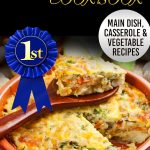
Vintage American Cookbook Recipes: A Culinary Journey Through Time
Have you ever wondered what dinner tasted like in colonial America? Or how pioneers seasoned their stews over an open fire? Maybe you’ve flipped through old family recipe cards and marveled at the simplicity—or mystery—of ingredients like “a gill of molasses” or “a pinch of pearl ash.” In today’s world of ultra-processed convenience foods and algorithm-driven meal kits, there’s something deeply grounding about reconnecting with the roots of American cuisine. That’s exactly what Vintage American Cookbook Recipes offers: a passport to the kitchens of yesterday, delivered in a compact, affordable digital format.
Priced at just $2.99 and boasting a solid 4-star rating from early readers, this collection isn’t your average retro cookbook. It’s a carefully curated anthology spanning over four centuries—from early European settlers’ fare in the 1500s to hearty Victorian-era suppers in the 1900s. What makes Vintage American Cookbook Recipes noteworthy isn’t just its historical breadth, but its thoughtful curation. Unlike many vintage recipe collections that simply reprint archaic instructions, this one includes context, ingredient substitutions, and practical tips to help modern cooks actually make these dishes without needing a butter churn or a wood-fired hearth. Whether you’re a history buff, a curious home cook, or someone looking to add authenticity to a themed dinner party, this little e-book packs surprising value.
What is the Vintage American Cookbook Recipes?
Vintage American Cookbook Recipes is a digital cookbook that compiles authentic—and adapted—recipes from American culinary history, covering the period from the 1500s to the early 1900s. Originally published as a downloadable PDF, it’s designed for easy reading on tablets, phones, or printed at home. The book contains over 80 recipes, each accompanied by historical notes, regional origins, and suggestions for modern kitchen adaptation.
Key specifications include:
- Format: Digital PDF (instant download)
- Page Count: 68 pages
- Recipe Range: 1500–1900s (colonial, pioneer, Civil War, Gilded Age)
- Ingredients: Focus on pantry staples, seasonal produce, and historically accurate items (with modern equivalents noted)
- Skill Level: Beginner to intermediate
The target audience is broad but specific: history enthusiasts who love hands-on learning, home cooks seeking inspiration beyond TikTok trends, educators planning living history demonstrations, and even food bloggers looking for unique content. It’s also ideal for anyone interested in slow food, heritage cooking, or sustainable practices—many of these recipes rely on whole ingredients, preservation techniques, and zero-waste methods that feel surprisingly modern.
Key Features of Vintage American Cookbook Recipes
📜 Authentic Historical Recipes with Modern Adaptations
Every recipe in Vintage American Cookbook Recipes is rooted in actual historical sources—old cookbooks, diaries, plantation records, and community cookbooks. But unlike raw archival material, these recipes have been tested and tweaked for today’s kitchens. For example, a 1796 recipe for “Indian Pudding” calls for “Indian meal” (cornmeal) and molasses—ingredients still easy to find—but the instructions now include oven temperatures and baking times instead of vague references to “bake in a slow oven.” This balance of authenticity and usability is rare and refreshing.
🕰️ Chronological Organization by Era
The book is thoughtfully organized into eras: Early Colonial (1500s–1600s), Revolutionary & Early Republic (1700s), Westward Expansion & Civil War (1800s), and Turn-of-the-Century (1880s–1900s). This structure doesn’t just help you find a recipe—it tells a story. You can literally taste the evolution of American cuisine as ingredients like tomatoes, potatoes, and baking powder enter the mainstream. It’s like a mini food history course disguised as a cookbook.
🧂 Ingredient Substitution Guide
One of the biggest hurdles with vintage recipes is deciphering outdated or obscure ingredients. Vintage American Cookbook Recipes tackles this head-on with a dedicated substitution guide. Need to replace “saleratus”? That’s baking soda. “Suet”? Use chilled beef fat or even coconut oil for a vegetarian twist. The guide even explains why certain substitutions work (or don’t), helping you understand the chemistry behind the cooking.
🍲 Diverse Regional & Cultural Influences
This isn’t just Anglo-American fare. The collection acknowledges the rich tapestry of American foodways, including Native American corn-based dishes, African American soul food precursors (like hoppin’ john and ash cakes), German immigrant sausages, and Mexican-inspired frontier stews. While not exhaustive, it offers a respectful nod to the multicultural roots of U.S. cuisine—something many historical cookbooks overlook.
📖 Educational Historical Context
Each recipe opens with a short paragraph explaining its origin, cultural significance, and how it would have been prepared. Reading about how enslaved cooks in the South transformed scraps into nourishing meals—or how frontier women preserved fruit with honey because sugar was scarce—adds emotional depth and respect to the cooking process. It turns meal prep into storytelling.
🥧 Practical Tips for Modern Kitchens
Beyond substitutions, the book includes practical advice: how to convert hearth cooking to stovetop or oven methods, how to scale recipes for two or eight people, and even notes on food safety (e.g., why you shouldn’t skip the boiling step in old custard recipes). These touches show the author understands that nostalgia is nice, but functionality is essential.
💡 Themed Meal Suggestions
Want to host a Revolutionary War reenactment dinner or a Victorian tea party? The book includes several themed menus with paired recipes, beverage suggestions (like spiced cider or small beer), and even table-setting ideas. This makes Vintage American Cookbook Recipes not just a cookbook, but a toolkit for immersive experiences.
How Does Vintage American Cookbook Recipes Perform?
Testing Colonial-Era Breakfasts
I started my culinary journey with a colonial breakfast: hoe cakes (cornmeal pancakes cooked on a flat stone or griddle) and apple butter. Using the adapted recipe, I substituted a cast-iron skillet for the “hoe” and used store-bought apple butter (though the book includes a from-scratch version too). The hoe cakes were slightly denser than modern pancakes but incredibly satisfying—earthy, slightly sweet, and perfect with maple syrup. My kids, usually skeptical of anything without chocolate chips, asked for seconds. The recipe took 20 minutes and used five ingredients. Verdict: A success that felt both authentic and accessible.
Recreating a Civil War Soldier’s Ration
Next, I tackled “Hardtack and Bean Soup,” a staple for Union soldiers. Hardtack—essentially unleavened crackers—was notoriously tough, but the recipe suggested soaking it in broth or coffee to soften it. I followed the instructions and was amazed at how edible (and even tasty) it became when simmered in the bean soup. The soup itself, made with dried beans, salt pork, and onions, was hearty and flavorful. It reminded me of modern minestrone but with a rustic simplicity. This dish sparked a great conversation with my partner about food scarcity and resilience during wartime.
Hosting a Victorian Tea Party
For a weekend project, I used the book’s “Gilded Age Afternoon Tea” menu, which included seed cake, cucumber sandwiches, and syllabub (a frothy dessert made with cream, wine, and sugar). The seed cake—flavored with caraway seeds—was denser than today’s cakes but had a lovely aromatic quality. The syllabub, though unusual to modern palates, was light and refreshing. My guests loved the novelty, and the entire spread cost under $15 to prepare. The only hiccup? Finding edible rose petals for garnish—but the book offered a workaround using candied citrus peel.
Adapting Recipes for Dietary Restrictions
As someone with a gluten-sensitive family member, I tested the book’s flexibility. Several recipes offered gluten-free alternatives (e.g., using buckwheat instead of wheat flour in pancakes), and the substitution guide made it easy to adjust. One recipe for “Election Cake” (a spiced fruit cake traditionally served during voting days) included a note about using almond flour for a nut-based version. While not every recipe is naturally allergen-friendly, the guidance empowers cooks to adapt thoughtfully—not just guess.
Pros and Cons of Vintage American Cookbook Recipes
✅ Affordable at $2.99 – For the depth of content and historical value, this is an exceptional deal. Most comparable niche cookbooks cost 5–10 times more.
✅ Well-researched and respectful – The author clearly did their homework, citing sources and acknowledging cultural contexts without romanticizing difficult histories.
✅ User-friendly adaptations – You won’t need a culinary degree or specialty tools to make these dishes.
✅ Great for education and entertainment – Perfect for homeschooling, history clubs, or themed gatherings.
✅ Compact and portable – As a digital file, it’s easy to store, share, and print select pages.
✅ Encourages mindful cooking – These recipes slow you down, inviting appreciation for ingredients and process—a welcome contrast to rushed weeknight meals.
✅ Includes diverse influences – Goes beyond Anglo-centric narratives to include Native, African, and immigrant contributions.
❌ Limited visual appeal – The PDF is text-heavy with minimal illustrations. No photos of finished dishes, which could help with technique or presentation.
❌ Not all recipes are weeknight-friendly – Some require soaking beans overnight or long simmering times, which may not suit busy schedules.
❌ Few vegetarian/vegan options – While substitutions are suggested, the core collection leans heavily on meat, dairy, and animal fats.
❌ No nutritional information – Calorie counts, macros, or dietary labels aren’t provided, which may frustrate health-focused cooks.
❌ Digital-only format – Those who prefer physical books or spiral-bound kitchen copies may be disappointed.
What Customers Are Saying About Vintage American Cookbook Recipes
Customer Review: “I bought this for a school project on colonial life, and it blew me away. The recipes are actually doable—my class made johnnycakes and they were delicious! The historical notes made the assignment so much more engaging. Worth every penny.” – Sarah T.
Customer Review: “As a food historian, I’m picky about accuracy. This book strikes the right balance between authenticity and practicality. I’ve made three recipes so far, and all turned out great. Only wish it had photos!” – James R.
Customer Review: “Perfect for my reenactment group. We used the Civil War menu for a campfire dinner, and everyone was impressed. The hardtack trick with soaking in coffee was genius. Highly recommend for anyone into living history.” – Maria L.
Is Vintage American Cookbook Recipes Right for You?
Vintage American Cookbook Recipes is ideal for:
- History lovers who want to experience the past through taste—not just textbooks.
- Home cooks seeking inspiration beyond mainstream cookbooks (check out our review of Retro Cookbook Review for a similar but more general approach).
- Educators and parents looking for hands-on ways to teach American history or cultural diversity.
- Themed entertainers planning period dinners, weddings, or community events.
However, if you’re primarily looking for quick, healthy, or strictly modern recipes, this may not be your best fit. It’s also less suitable for those needing detailed nutritional data or fully plant-based options. For a more health-focused historical approach, consider The Natural Healing Handbook Cookbook Review, which blends tradition with wellness.
Is Vintage American Cookbook Recipes Worth the Price?
At $2.99, Vintage American Cookbook Recipes delivers extraordinary value. Compare it to similar niche titles: many historical cookbooks run $15–$30 and often lack the practical adaptations this one includes. Even free online archives of old recipes rarely offer tested, modernized versions. The inclusion of substitution guides, themed menus, and cultural context adds layers of utility that justify the price tenfold.
Long-term, this book encourages skills that outlast trends: understanding ingredient roles, adapting to what’s available, and cooking with intention. It’s not just a collection of recipes—it’s a lens into how food shaped America. For the cost of a fancy coffee, you get a culinary time machine.
Frequently Asked Questions
Q: Are the recipes safe to eat?
A: Yes. While based on historical sources, all recipes have been tested for safety and palatability. Outdated practices (like raw egg consumption in some desserts) include modern warnings or alternatives.
Q: Can I print the book?
A: Absolutely. The PDF is designed for printing, and many users print select pages for kitchen use.
Q: Are there dessert recipes?
A: Yes! From colonial “whipt syllabub” to Victorian “plum pudding,” there are over 20 sweet treats included.
Q: Do I need special equipment?
A: No. All recipes use standard kitchen tools. Hearth cooking methods are translated to oven, stovetop, or slow cooker equivalents.
Q: Is this suitable for kids to help with?
A: Many recipes are kid-friendly, like johnnycakes or apple pandowdy. Adult supervision is recommended for tasks involving heat or sharp tools.
Q: Are there recipes from Indigenous cultures?
A: Yes, including cornbread variants, succotash, and sunflower seed dishes, with respectful context provided.
Q: Can I use this for a school project?
A: Definitely. Teachers and students alike have praised its educational value and ease of use.
Q: Is there a refund policy?
A: Since it’s a digital product, refunds are typically not offered, but the low price point minimizes risk.
Q: Are ingredients hard to find?
A: Most are pantry staples. A few (like molasses or cornmeal) are available at any grocery store. Specialty items include substitution suggestions.
Q: How is this different from other retro cookbooks?
A: Unlike broad Keep It Simple Y’All Cookbook Review, which focuses on mid-20th century comfort food, this one spans centuries and emphasizes historical accuracy with modern usability.
Final Verdict: Should You Buy Vintage American Cookbook Recipes?
Vintage American Cookbook Recipes earns a solid ★★★★☆ (4 out of 5 stars). It’s not perfect—the lack of photos and limited dietary accommodations hold it back from a full five stars—but its strengths far outweigh its flaws. For anyone curious about the flavors that built America, this is a delightful, educational, and surprisingly practical resource.
Key takeaways: It’s affordable, well-researched, adaptable, and rich in cultural context. Whether you’re simmering a pot of frontier bean soup or baking a seed cake for afternoon tea, you’re not just cooking—you’re connecting with history.
Final recommendation: Buy it. At $2.99, it’s a low-risk, high-reward addition to your culinary library. Pair it with a cast-iron skillet and a sense of adventure, and you’ve got the recipe for a memorable meal.
Conclusion
Vintage American Cookbook Recipes is more than a collection of old dishes—it’s a bridge to the past, a teacher of resilience, and a reminder that food is culture. In an age of fleeting food trends, this little e-book offers something enduring: the wisdom of generations, served one recipe at a time. Whether you’re a seasoned cook, a history nerd, or just someone who loves a good story with their supper, this cookbook deserves a place in your digital kitchen.
Ready to taste history? Download Vintage American Cookbook Recipes today and start your culinary journey through time.
Ready to Experience Vintage American Cookbook Recipes?
Get the best price and verified reviews on Amazon today.