

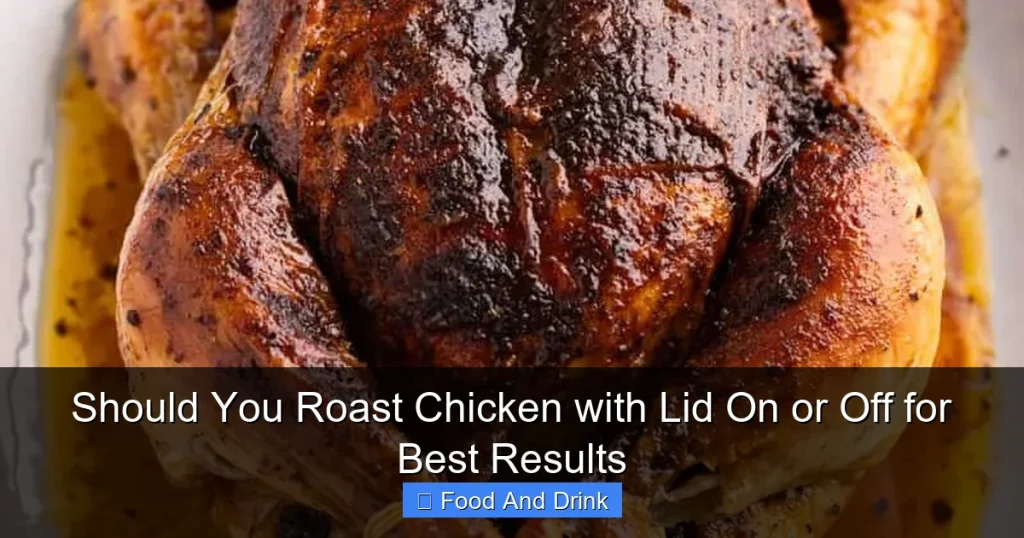

Roasting chicken with the lid off delivers crispy skin and even browning, while using a lid keeps moisture in but can soften the skin. The best results depend on your goal—crispy texture or ultra-tender meat—and the cooking method you choose.
Key Takeaways
- Lid off = Crispy skin: Leaving the lid off allows moisture to escape, helping the skin crisp up and brown evenly—ideal for golden, restaurant-style roasted chicken.
- Lid on = Moist, tender meat: Covering the chicken traps steam, keeping the meat juicy and preventing drying—great for lean cuts or longer cooking times.
- Start uncovered, finish covered (or vice versa): Many chefs use a hybrid method—roast uncovered first for browning, then cover to finish cooking gently.
- Oven type matters: Convection ovens work best uncovered; conventional ovens may benefit from partial covering to avoid drying.
- Use a meat thermometer: Regardless of lid use, always check internal temperature (165°F/74°C at the thigh) to ensure safe, perfectly cooked chicken.
- Brining boosts moisture: A pre-roast brine helps retain juiciness, especially when roasting uncovered for crispiness.
- Let it rest: Resting the chicken for 10–15 minutes after roasting redistributes juices, improving flavor and texture no matter how you cooked it.
Quick Answers to Common Questions
Should I roast chicken with the lid on or off for crispy skin?
Roast chicken with the lid off. This allows moisture to escape, helping the skin crisp and brown evenly.
Will covering chicken keep it from drying out?
Yes, using a lid traps steam and moisture, which helps keep the meat juicy—especially for lean cuts like chicken breasts.
Can I start uncovered and then cover the chicken?
Absolutely. This hybrid method gives you crispy skin first, then locks in moisture to finish cooking gently.
Does oven type affect whether I should use a lid?
Yes. Convection ovens work best uncovered; conventional ovens may benefit from partial covering for even cooking.
How do I know when my roasted chicken is done?
Use a meat thermometer. The internal temperature should reach 165°F (74°C) at the thickest part of the thigh.
📑 Table of Contents
- Should You Roast Chicken with Lid On or Off for Best Results?
- The Science Behind Roasting: Moisture, Heat, and Skin
- Lid Off: The Path to Crispy, Golden Skin
- Lid On: Locking in Moisture for Tender, Juicy Meat
- The Hybrid Approach: Best of Both Worlds
- Oven Type and Equipment: Does It Matter?
- Final Tips for Perfect Roasted Chicken Every Time
- Conclusion: Choose Based on Your Goal
Should You Roast Chicken with Lid On or Off for Best Results?
Roasting a chicken seems simple—toss it in the oven, wait, and enjoy. But one question keeps popping up in kitchens everywhere: Should you roast chicken with the lid on or off? It’s a small detail that can make a big difference in the final dish. Get it right, and you’ll have golden, crispy skin with juicy, flavorful meat. Get it wrong, and you might end up with dry breast meat or soggy skin that never crisps.
The truth is, there’s no one-size-fits-all answer. The best method depends on your goals, your oven, and even the type of chicken you’re cooking. Some people swear by roasting uncovered for that perfect crunch, while others insist a lid keeps the meat tender and moist. In this guide, we’ll break down the science, the techniques, and the trade-offs so you can roast chicken like a pro—every single time.
Whether you’re cooking a whole bird for Sunday dinner or just a few thighs for a weeknight meal, understanding when and why to use a lid will elevate your cooking. Let’s dive into the details and settle this age-old debate once and for all.
The Science Behind Roasting: Moisture, Heat, and Skin
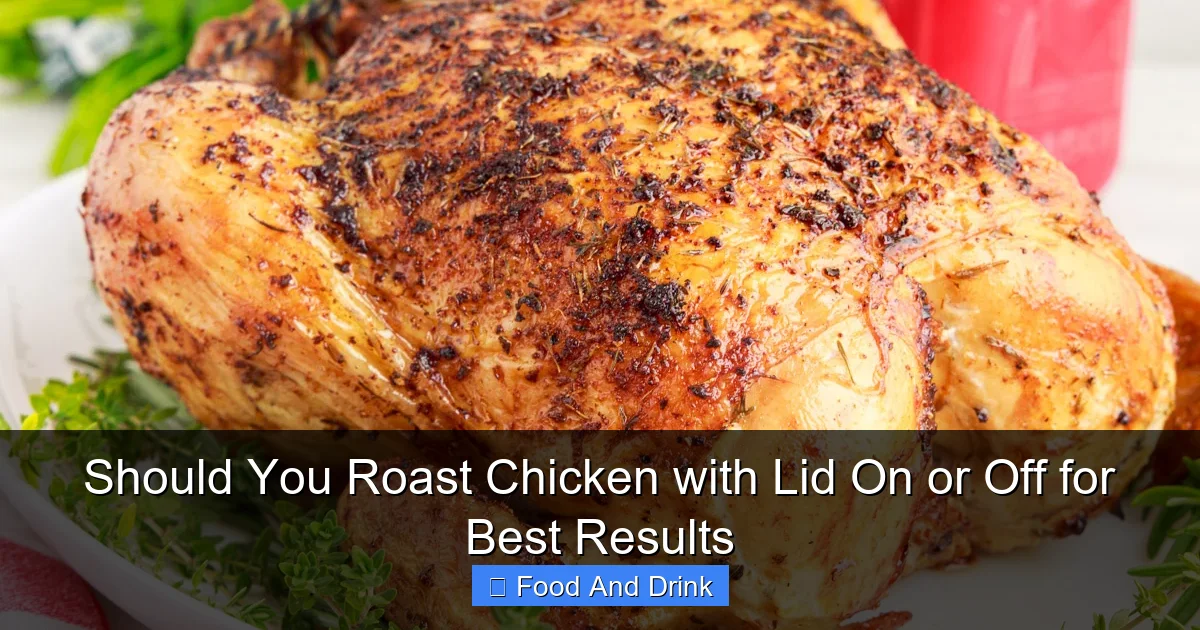
Visual guide about Should You Roast Chicken with Lid On or Off for Best Results
Image source: familydinners.com
To understand whether to roast chicken with the lid on or off, it helps to know what’s happening inside the oven. Roasting is all about heat transfer and moisture control. When you place chicken in a hot oven, the outside begins to brown through a process called the Maillard reaction—this is what gives roasted chicken its rich, savory flavor and golden color. At the same time, the heat slowly penetrates the meat, cooking it from the outside in.
Now, here’s where the lid comes into play. A lid traps steam and moisture inside the roasting pan. This creates a humid environment, which slows down evaporation from the chicken’s surface. While that might sound good for keeping the meat juicy, it also prevents the skin from drying out and crisping up. On the flip side, roasting without a lid allows moisture to escape, which helps the skin dehydrate and crisp—just like when you air-dry a turkey before roasting.
Another factor is heat distribution. In a conventional oven, hot air circulates naturally, but it’s not always even. A lid can help distribute heat more evenly around the chicken, especially in older or less efficient ovens. However, in convection ovens, where a fan circulates hot air, the lid is usually unnecessary—and can even interfere with browning.
So, the choice between lid on or off isn’t just about preference—it’s about controlling moisture and heat to achieve your desired outcome. If you want crispy skin, go lidless. If you’re worried about dryness, especially with lean cuts like chicken breasts, a lid might be your friend.
Lid Off: The Path to Crispy, Golden Skin

Visual guide about Should You Roast Chicken with Lid On or Off for Best Results
Image source: shungrill.com
If your goal is crispy, crackling chicken skin that shatters with every bite, roasting without a lid is the way to go. This method allows moisture to evaporate freely from the surface of the chicken, which is essential for achieving that perfect crunch. Without a lid, the dry heat of the oven can work its magic, browning the skin evenly and creating that irresistible golden hue.
One of the biggest advantages of roasting uncovered is the Maillard reaction. This chemical process occurs when proteins and sugars on the surface of the meat react under high heat, producing complex flavors and a beautiful brown crust. It’s the same reaction that makes seared steaks and toasted bread so delicious. When you roast chicken uncovered, you’re giving this reaction the ideal conditions to thrive.
Another benefit is even browning. Without a lid, hot air can circulate freely around the chicken, ensuring that all sides cook uniformly. This is especially important for whole chickens, where the breast, thighs, and wings may cook at different rates. Roasting uncovered helps prevent pale, undercooked patches and gives you a uniformly golden bird.
That said, there’s a trade-off. Without a lid, the chicken loses more moisture, which can lead to drier meat—particularly in the breast, which has less fat than the dark meat. To combat this, many chefs recommend brining the chicken before roasting. A simple saltwater brine (or a flavored one with herbs and spices) helps the meat retain moisture during cooking, so you get the best of both worlds: crispy skin and juicy meat.
Tips for Perfect Uncovered Roasting
- Pat the skin dry: Before roasting, thoroughly dry the chicken with paper towels. Any moisture on the surface will steam instead of crisp.
- Use a rack: Place the chicken on a roasting rack inside the pan. This allows hot air to circulate underneath, promoting even browning.
- Season generously: Salt the skin well—this not only flavors the meat but also helps draw out moisture, aiding in crisping.
- Start hot: Preheat your oven to 425°F (220°C) for the first 20–30 minutes to kickstart browning, then reduce to 375°F (190°C) to finish cooking.
- Baste with butter or oil: Brushing the skin with melted butter or olive oil enhances browning and adds flavor.
Many professional chefs and home cooks alike prefer this method for its reliability and delicious results. It’s the classic approach for a reason—when done right, it produces a roasted chicken that looks and tastes like it came from a fine restaurant.
Lid On: Locking in Moisture for Tender, Juicy Meat

Visual guide about Should You Roast Chicken with Lid On or Off for Best Results
Image source: seriouseats.com
Now, let’s talk about the other side of the coin: roasting chicken with the lid on. This method is all about moisture retention. By covering the chicken, you create a steamy environment that keeps the meat tender and prevents it from drying out—especially important for lean cuts like chicken breasts or smaller birds that cook quickly.
The lid acts like a mini sauna, trapping the natural juices and steam released during cooking. This gentle, moist heat is similar to braising, and it’s particularly useful when you’re roasting at lower temperatures or for longer periods. It’s a great technique if you’re worried about overcooking or if you’re using a chicken that’s on the leaner side.
One of the biggest advantages of using a lid is consistency. Because the environment inside the pan is more controlled, there’s less risk of hot spots or uneven cooking. This can be a lifesaver in older ovens or when cooking multiple dishes at once. Plus, the trapped steam helps keep the meat moist without requiring constant basting.
However, there’s a major downside: the skin won’t crisp up. In fact, it may turn out pale, soft, or even rubbery. That’s because the moisture can’t escape, so the skin never dehydrates enough to brown properly. If crispy skin is your priority, this method might leave you disappointed.
That said, some cooks don’t mind softer skin if it means ultra-tender meat. And in certain recipes—like chicken cooked with vegetables or in a casserole-style dish—the lid can help everything cook together harmoniously. The chicken steams gently while the veggies soften, creating a one-pan meal that’s both convenient and comforting.
When to Use the Lid-On Method
- Cooking lean cuts: Chicken breasts, tenders, or skinless pieces benefit from the moisture retention of a lid.
- Low-and-slow roasting: If you’re roasting at 300°F (150°C) or below, a lid helps prevent drying.
- Smaller birds or cuts: Cornish hens or chicken parts cook quickly and can dry out fast—covering them keeps them juicy.
- One-pan meals: When roasting chicken with potatoes, carrots, or other vegetables, a lid ensures everything cooks evenly.
- Brined or marinated chicken: If you’ve already added moisture through brining, a lid can help preserve it during cooking.
While the lid-on method won’t give you that Instagram-worthy crispy skin, it’s a reliable way to ensure your chicken stays moist and flavorful—especially if you’re new to roasting or cooking under time pressure.
The Hybrid Approach: Best of Both Worlds
Why choose between crispy skin and juicy meat when you can have both? The hybrid method—roasting uncovered first, then covering—combines the benefits of both techniques. It’s a favorite among experienced cooks who want the best possible results without compromise.
Here’s how it works: Start by roasting the chicken uncovered at a high temperature (around 425°F/220°C) for the first 20–30 minutes. This jumpstarts the Maillard reaction, giving the skin a head start on browning and crisping. Then, reduce the heat to 350–375°F (175–190°C) and cover the chicken with a lid or foil. The trapped steam gently finishes cooking the meat, keeping it moist without sacrificing the progress made on the skin.
This method is especially useful for whole chickens, where the breast can dry out before the thighs are fully cooked. By browning first and then covering, you protect the delicate breast meat while ensuring the dark meat reaches the right temperature.
Step-by-Step Hybrid Roasting
- Preheat the oven to 425°F (220°C).
- Pat the chicken dry and season well.
- Roast uncovered for 20–30 minutes, until the skin begins to brown.
- Reduce heat to 375°F (190°C) and cover the pan with a lid or foil.
- Continue roasting until the internal temperature reaches 165°F (74°C) at the thigh.
- Let rest for 10–15 minutes before carving.
This approach gives you a golden, crispy exterior and tender, juicy meat inside—exactly what most people are looking for in a roasted chicken. It’s a little more involved, but the results are worth the extra step.
Oven Type and Equipment: Does It Matter?
Not all ovens are created equal, and the type you use can influence whether you should roast chicken with the lid on or off. Understanding your oven’s strengths and quirks can help you make the best decision.
Convection ovens, which use a fan to circulate hot air, are ideal for roasting uncovered. The constant airflow promotes even browning and crisping, making a lid unnecessary—and potentially counterproductive. In fact, covering the chicken in a convection oven can trap moisture and interfere with the fan’s ability to circulate air, leading to uneven cooking.
Conventional ovens, on the other hand, rely on natural heat circulation, which can be less efficient. In these ovens, a lid can help distribute heat more evenly, especially if your oven has hot spots. It can also prevent the top of the chicken from browning too quickly while the inside remains undercooked.
The roasting pan you use also matters. A heavy, oven-safe lid (like one that comes with a Dutch oven) creates a tight seal, trapping more steam. A loose foil cover allows some moisture to escape, offering a middle ground between lid on and off.
Equipment Tips for Better Roasting
- Use a roasting rack: Elevates the chicken, allowing air to circulate and promoting even browning.
- Choose the right pan: A shallow roasting pan works best for uncovered roasting; a Dutch oven is ideal for covered methods.
- Monitor temperature: Use an oven thermometer to ensure your oven is heating accurately.
- Invest in a meat thermometer: The only reliable way to know when your chicken is done.
By matching your method to your equipment, you’ll get more consistent results and avoid common roasting pitfalls.
Final Tips for Perfect Roasted Chicken Every Time
No matter which method you choose, a few universal tips can help you roast chicken like a pro:
- Brine before roasting: A 30-minute to 4-hour brine (saltwater with optional herbs and sugar) adds moisture and flavor.
- Let the chicken come to room temperature: Take it out of the fridge 30–60 minutes before roasting for more even cooking.
- Season under the skin: Gently loosen the skin and rub salt, pepper, and herbs directly onto the meat for deeper flavor.
- Use a meat thermometer: Insert it into the thickest part of the thigh without touching the bone. 165°F (74°C) is safe and ideal.
- Rest before carving: Let the chicken rest for 10–15 minutes. This allows juices to redistribute, keeping the meat moist.
- Save the drippings: Use them to make a quick pan sauce with butter, herbs, and a splash of wine or broth.
These small steps make a big difference in flavor, texture, and overall success.
Conclusion: Choose Based on Your Goal
So, should you roast chicken with the lid on or off? The answer depends on what you value most: crispy skin or ultra-moist meat. Roasting uncovered delivers golden, crunchy skin and deep flavor, while using a lid keeps the meat tender and juicy. For the best of both worlds, try the hybrid method—brown first, then cover.
Ultimately, the “right” way is the one that gives you the results you love. Experiment with both methods, pay attention to your oven, and don’t forget the basics: brining, seasoning, and using a thermometer. With a little practice, you’ll roast chicken that’s not just delicious—but perfectly suited to your taste.
Whether it’s a holiday feast or a simple weeknight dinner, mastering the art of roasting chicken is a skill that pays off every time. So fire up the oven, choose your method, and enjoy the sizzle.
🎥 Related Video: 3 Tips for a Perfect Whole Roasted Chicken
📺 Salima’s Kitchen
Learn how to make the perfect whole roasted chicken with 3 simple steps! Get the recipe: …
Frequently Asked Questions
Is it better to roast chicken covered or uncovered?
It depends on your goal. Uncovered roasting gives crispy skin, while covered roasting keeps the meat moist. Many cooks prefer a hybrid method for the best of both.
Why is my roasted chicken skin soggy?
Soggy skin usually results from trapped moisture. Roast uncovered, pat the chicken dry before cooking, and use a rack to promote airflow.
Can I roast chicken in a Dutch oven with the lid on?
Yes, a Dutch oven with a lid is great for moist, tender chicken. Just remember the skin won’t crisp as much as when roasted uncovered.
How long should I roast chicken uncovered?
For a whole chicken, roast uncovered at 425°F (220°C) for 20–30 minutes to brown, then reduce heat and cover to finish cooking.
Does brining help when roasting uncovered?
Yes, brining adds moisture and flavor, which helps prevent dryness—especially important when roasting without a lid.
Should I let chicken rest after roasting?
Always let it rest for 10–15 minutes. This allows juices to redistribute, resulting in more flavorful and moist meat.


