



Looking for a roasted chicken substitute food that satisfies your taste buds without compromise? You’re in the right place. From hearty plant-based roasts to juicy meat alternatives, we’ve rounded up the best options that deliver rich flavor, tender texture, and that comforting roasted aroma—no chicken required.
If you’ve ever craved the crispy skin, juicy interior, and deep umami flavor of a perfectly roasted chicken—but can’t or don’t want to eat poultry—you’re not alone. Whether you’re vegetarian, vegan, reducing meat intake, or simply exploring new flavors, the world of roasted chicken substitute food has never been more exciting. The good news? You don’t have to sacrifice taste or satisfaction. Thanks to innovation in plant-based proteins, creative cooking techniques, and a growing appreciation for global ingredients, there are now more delicious alternatives than ever.
Gone are the days when “meat substitute” meant bland tofu or rubbery soy chunks. Today’s roasted chicken substitutes are crafted with care, using real herbs, spices, and cooking methods that bring out deep, savory flavors. From store-bought roasts that look and taste shockingly like the real thing to DIY recipes you can make in your own kitchen, the options are diverse and delicious. And the best part? Many of these substitutes are not only tasty but also healthier, more sustainable, and kinder to animals.
In this guide, we’ll walk you through the top roasted chicken substitute foods that truly deliver on flavor, texture, and aroma. Whether you’re hosting a holiday dinner, meal prepping for the week, or just craving a cozy Sunday roast, these alternatives will leave you—and your guests—completely satisfied. Let’s dive in and discover how you can enjoy that classic roasted chicken experience, no chicken required.
Key Takeaways
- Plant-based roasts mimic chicken perfectly: Brands like Gardein and Tofurky offer seasoned, pre-formed roasts with a meaty bite and savory glaze.
- Mushrooms are a game-changer: Whole roasted king oyster or portobello mushrooms absorb flavors beautifully and offer a satisfying chew.
- Jackfruit delivers texture and versatility: When slow-roasted with herbs and spices, young jackfruit shreds like pulled chicken.
- Turkey and duck are underrated alternatives: Leaner than chicken but equally flavorful, these poultry options roast up juicy and aromatic.
- Homemade seitan roasts are customizable: Made from wheat gluten, seitan can be shaped, seasoned, and roasted to perfection at home.
- Roasting technique matters: High heat, proper seasoning, and basting ensure any substitute develops a golden crust and rich flavor.
- Pair with classic sides: Serve your substitute with roasted potatoes, gravy, and vegetables for a complete, comforting meal.
Quick Answers to Common Questions
What is the best plant-based substitute for roasted chicken?
The best plant-based substitute depends on your preference, but popular options include pre-made roasts from Tofurky or Gardein, homemade seitan, and whole roasted king oyster mushrooms. All offer a meaty texture and rich flavor when prepared correctly.
Can jackfruit really taste like roasted chicken?
Yes! When seasoned with smoked paprika, garlic, and liquid smoke, and slow-roasted, young jackfruit develops a savory, shredded texture that closely mimics pulled chicken.
Is seitan a healthy roasted chicken alternative?
Seitan is high in protein and low in fat, making it a nutritious option. However, it’s made from wheat gluten, so it’s not suitable for those with celiac disease or gluten sensitivity.
How do I keep my roasted substitute moist?
Baste regularly with oil, broth, or a flavorful glaze, and avoid overcooking. Letting the roast rest after cooking also helps retain moisture.
Can I freeze a roasted chicken substitute?
Yes, most substitutes—like seitan, jackfruit, or lentil loaf—freeze well. Cool completely, wrap tightly, and store in the freezer for up to 3 months. Reheat in the oven for best results.
📑 Table of Contents
Why Choose a Roasted Chicken Substitute?
There are many reasons people seek out a roasted chicken substitute food. Some are driven by dietary choices—like vegetarianism or veganism—while others are motivated by health, environmental concerns, or animal welfare. Whatever your reason, it’s important to know that choosing a substitute doesn’t mean settling for less. In fact, many alternatives offer unique benefits that roasted chicken simply can’t match.
One of the biggest advantages of plant-based and alternative protein roasts is their lower environmental footprint. Traditional poultry farming requires significant water, land, and feed resources, and contributes to greenhouse gas emissions. In contrast, plant-based proteins like lentils, mushrooms, and jackfruit use far fewer resources to produce. By choosing a roasted chicken substitute, you’re making a choice that’s better for the planet—without giving up on flavor.
Health is another major factor. While roasted chicken can be part of a balanced diet, it’s still an animal product and contains saturated fat and cholesterol. Many substitutes, especially whole-food plant-based options, are naturally lower in fat, free of cholesterol, and rich in fiber, vitamins, and antioxidants. For example, a roasted portobello mushroom cap delivers a meaty texture and umami depth while providing potassium, selenium, and B vitamins.
Then there’s the ethical angle. More people are becoming aware of the conditions in industrial poultry farming and choosing to reduce or eliminate animal products from their diets. A well-made roasted chicken substitute allows you to enjoy a familiar, comforting meal without contributing to animal suffering.
Finally, let’s not forget taste and variety. Exploring substitutes opens the door to new flavors and cuisines. You might discover a love for smoky seitan, tangy jackfruit, or rich mushroom gravy—ingredients that can inspire entirely new dishes. So whether you’re avoiding chicken for ethical, health, or environmental reasons, or simply curious to try something new, a roasted chicken substitute food can be a delicious and rewarding choice.
Top Plant-Based Roasted Chicken Substitutes
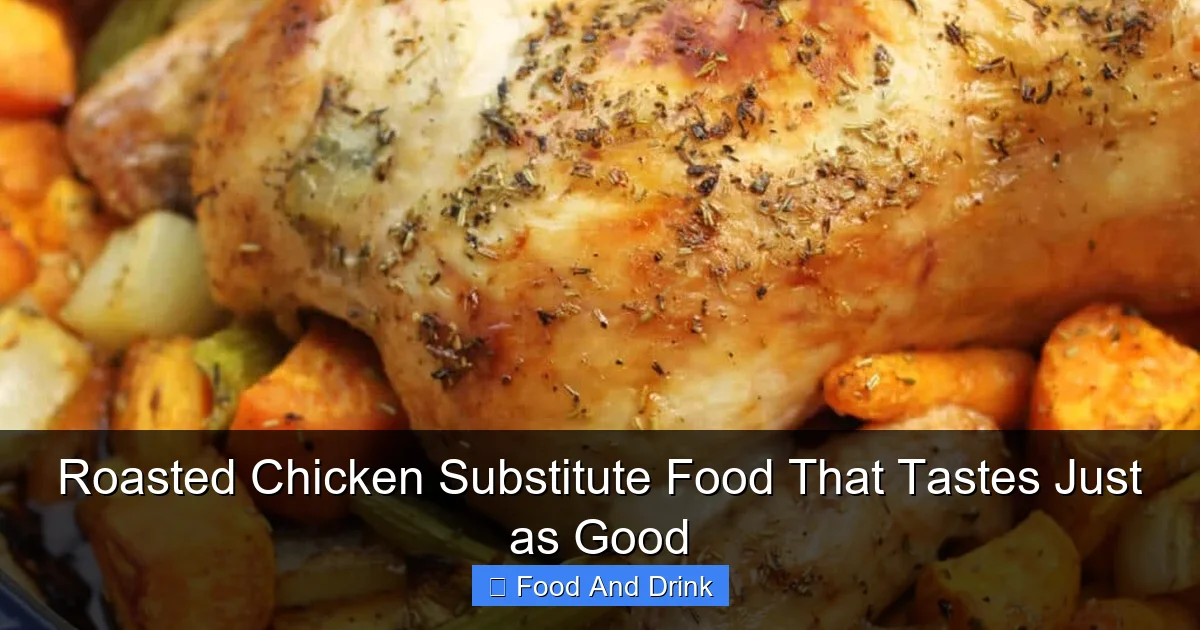
Visual guide about Roasted Chicken Substitute Food That Tastes Just as Good
Image source: southernfoodandfun.com
When it comes to plant-based roasted chicken substitute food, the market has exploded with innovative products and recipes. These options are designed to replicate the texture, flavor, and appearance of roasted chicken—often with surprising success. Let’s explore some of the best plant-based alternatives available today.
Pre-Made Plant-Based Roasts
One of the easiest ways to enjoy a roasted chicken substitute is by using a pre-made plant-based roast. Brands like Tofurky, Gardein, and Field Roast have developed products specifically designed to mimic the experience of a holiday or Sunday roast. These roasts are typically made from a blend of wheat gluten (seitan), soy protein, or pea protein, and are seasoned with herbs, spices, and sometimes even a smoky flavor.
Tofurky’s Holiday Roast is a fan favorite. It comes in a loaf-shaped form, complete with a savory herb crust and a rich gravy packet. When roasted in the oven, it develops a firm, slightly chewy texture that’s reminiscent of dark meat chicken. The flavor is deeply savory, with notes of sage, thyme, and garlic—perfect for pairing with mashed potatoes and cranberry sauce.
Gardein’s Ultimate Plant-Based Roast is another standout. It’s made with a blend of soy and wheat proteins and has a layered texture that mimics the flakiness of roasted chicken. It’s also lower in sodium than some competitors, making it a healthier option. Simply follow the package instructions—usually involving a 30- to 40-minute roast at 375°F (190°C)—and you’ll have a centerpiece dish that looks and tastes impressive.
Field Roast’s Celebration Roast takes a different approach. Made primarily from vital wheat gluten and seasoned with mushrooms, garlic, and fennel, it has a rich, meaty flavor and a firm bite. It’s often described as having a “sausage-like” quality, which makes it especially good for slicing and serving with gravy.
These pre-made roasts are ideal for busy weeknights or special occasions when you want a hassle-free alternative. They’re widely available at health food stores, major supermarkets, and online retailers. Just be sure to check the ingredients if you have allergies—many contain soy or gluten.
Homemade Seitan Roast
For those who love to cook from scratch, making your own seitan roast is a rewarding option. Seitan, also known as wheat meat, is made by washing wheat flour dough to remove the starch, leaving behind pure gluten. When seasoned and cooked properly, it develops a chewy, meat-like texture that’s perfect for roasting.
To make a basic seitan roast, you’ll need vital wheat gluten, vegetable broth, soy sauce or tamari, nutritional yeast, and your favorite herbs and spices. A typical recipe might include garlic powder, onion powder, smoked paprika, thyme, and sage to mimic the flavor of roasted chicken. Mix the dry ingredients, add the wet ingredients, and knead the dough for about 5 minutes until it becomes elastic.
Once the dough is ready, you can shape it into a loaf, wrap it in foil, and steam it for 30–40 minutes to set the texture. After steaming, unwrap it and transfer it to a roasting pan. Brush it with a glaze made from olive oil, maple syrup, Dijon mustard, and a splash of apple cider vinegar. Roast at 375°F (190°C) for 25–30 minutes, basting occasionally, until the outside is golden and slightly crispy.
The result is a homemade roasted chicken substitute that’s fully customizable. You can add mushrooms, lentils, or chickpeas to the dough for extra texture and nutrition. You can also experiment with different seasonings—try lemon zest and rosemary for a Mediterranean twist, or chipotle and cumin for a smoky, spicy version.
Mushroom-Based Roasts
Mushrooms are nature’s answer to meaty texture. Their high umami content and fibrous structure make them an excellent base for a roasted chicken substitute food. Two of the best mushrooms for roasting are king oyster mushrooms and large portobello caps.
King oyster mushrooms have a thick, dense stem that can be sliced lengthwise and roasted whole. When seasoned with olive oil, garlic, soy sauce, and herbs, they develop a tender yet chewy texture that’s surprisingly similar to chicken. Try marinating them for at least 30 minutes, then roasting at 400°F (200°C) for 20–25 minutes until golden and caramelized. They’re perfect for slicing and serving with a creamy mushroom gravy.
Portobello mushrooms are another great option. Remove the stems and gills, then brush the caps with a mixture of balsamic vinegar, olive oil, and herbs. Roast them gill-side up at 375°F (190°C) for 15–20 minutes. The result is a rich, juicy “steak” that’s hearty enough to be a main dish. For a more chicken-like experience, you can stuff the caps with a breadcrumb and herb mixture before roasting.
For a more elaborate dish, consider making a mushroom “loaf” by blending sautéed mushrooms with cooked lentils, oats, and seasonings, then pressing the mixture into a loaf pan and baking. This creates a firm, sliceable roast that’s packed with flavor and nutrients.
Meat-Based Alternatives That Roast Beautifully

Visual guide about Roasted Chicken Substitute Food That Tastes Just as Good
Image source: img.sndimg.com
If you’re not strictly plant-based but still want to avoid chicken, there are several meat-based alternatives that roast up just as deliciously—sometimes even better. These options offer the richness and juiciness of traditional roasted poultry, with unique flavors and textures that can elevate your meal.
Turkey: The Classic Cousin
Turkey is often overlooked as a roasted chicken substitute, but it’s actually a fantastic alternative. It’s from the same family as chicken, so it shares a similar texture and mild flavor, but it’s slightly leaner and has a richer taste. A whole roasted turkey breast or a turkey crown (the breast with the wings and backbone removed) can be prepared just like chicken—brined, seasoned, and roasted to golden perfection.
To keep turkey moist during roasting, use a brine or dry rub with salt, herbs, and citrus. Roast at 325°F (165°C) and baste every 30 minutes with butter or olive oil. A meat thermometer is essential—turkey is done when the internal temperature reaches 165°F (74°C). Let it rest for 15–20 minutes before slicing to retain its juices.
Turkey also pairs beautifully with traditional sides like stuffing, roasted root vegetables, and cranberry sauce. It’s a great choice for holiday meals or large gatherings when you want a centerpiece roast that feels familiar but offers something a little different.
Duck: Rich and Flavorful
Duck is another excellent roasted chicken substitute food, especially if you enjoy bold, rich flavors. Duck meat is higher in fat than chicken or turkey, which makes it incredibly juicy and tender when roasted. The skin crisps up beautifully, creating a luxurious contrast to the succulent meat beneath.
To roast a duck, start by scoring the skin in a crosshatch pattern—this helps render the fat and crisp the skin. Season generously with salt, pepper, and aromatics like orange zest, star anise, or five-spice powder. Roast breast-side up at 350°F (175°C), pouring off excess fat every 20 minutes. The duck is done when the internal temperature reaches 165°F (74°C) in the thickest part.
Duck pairs wonderfully with sweet and tangy accompaniments like cherry sauce, red wine reduction, or caramelized apples. It’s a show-stopping main dish that’s perfect for special occasions or when you want to impress your guests with something elegant and flavorful.
Quail and Cornish Hen: Small but Mighty
For a smaller-scale roasted chicken substitute, consider quail or Cornish hen. These birds are similar in size to a large chicken breast and roast quickly, making them ideal for intimate dinners or meal prep.
Quail has a delicate, slightly gamey flavor and tender texture. It’s best roasted whole at high heat (400°F/200°C) for 20–25 minutes. Brush with butter or olive oil and season with herbs like thyme and rosemary. The result is a crispy-skinned, juicy bird that’s perfect for two people.
Cornish hen, also known as poussin, is a young chicken that’s smaller and more tender than regular chicken. It’s often considered a gourmet alternative and roasts up beautifully with minimal effort. Season with salt, pepper, and lemon, then roast at 375°F (190°C) for 45–50 minutes. The meat is incredibly moist and flavorful, with a texture that’s close to chicken but more refined.
Both quail and Cornish hen are great for those who want the experience of roasting a whole bird without the leftovers. They’re also visually impressive and make a lovely presentation on the dinner table.
Creative Whole-Food Substitutes
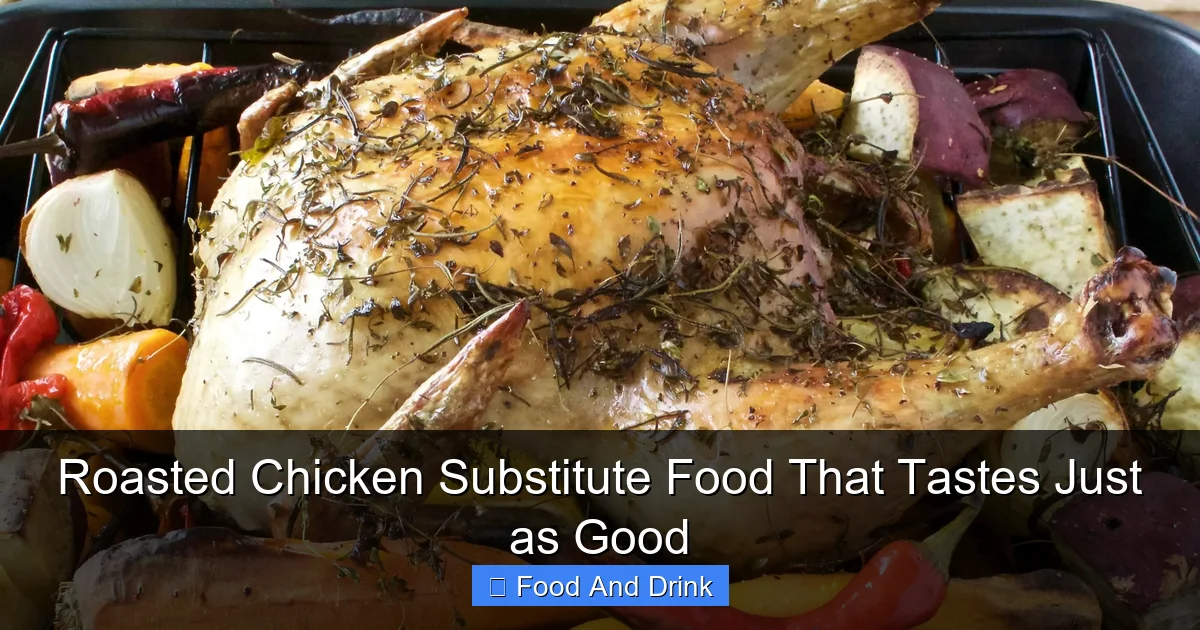
Visual guide about Roasted Chicken Substitute Food That Tastes Just as Good
Image source: homemadefoodjunkie.com
Beyond processed alternatives and other poultry, some of the most exciting roasted chicken substitute foods come from whole, unprocessed ingredients. These options celebrate the natural flavors and textures of plants, offering a fresh and nutritious take on the classic roast.
Jackfruit: The Pulled “Chicken” Star
Young green jackfruit, when cooked properly, has a texture that’s remarkably similar to shredded chicken. It’s naturally mild in flavor, which makes it a perfect canvas for seasonings and sauces. When slow-roasted with smoked paprika, garlic, onion powder, and a touch of liquid smoke, jackfruit develops a savory, meaty flavor that’s hard to distinguish from the real thing.
To prepare jackfruit for roasting, start with canned young jackfruit in brine or water (not syrup). Rinse and drain it, then pat dry with paper towels. Break the pieces apart with your hands or a fork to create a shredded texture. Toss with olive oil and your favorite seasonings, then spread on a baking sheet and roast at 375°F (190°C) for 20–25 minutes, stirring halfway through.
The result is a tender, flavorful “pulled chicken” that’s perfect for tacos, sandwiches, or as a main dish with roasted vegetables. You can also mix it with barbecue sauce and serve it on a bun for a plant-based twist on pulled pork.
Cauliflower: The Unexpected Roast
Cauliflower might not be the first thing that comes to mind when you think of a roasted chicken substitute, but when prepared correctly, it can be surprisingly satisfying. A whole roasted cauliflower head, when seasoned and cooked properly, develops a nutty, caramelized flavor and a tender yet firm texture.
To make a roasted cauliflower “chicken,” remove the leaves and trim the stem so the head sits flat. Rub the entire surface with a mixture of olive oil, garlic, smoked paprika, cumin, and salt. You can also add a splash of lemon juice or a spoonful of tahini for extra richness.
Roast at 400°F (200°C) for 40–50 minutes, basting occasionally, until the outside is golden brown and the inside is fork-tender. For an even more chicken-like experience, coat the cauliflower in a batter made from chickpea flour, water, and spices, then bake until crispy.
Serve the roasted cauliflower whole as a centerpiece, or slice it into thick “steaks” and drizzle with a creamy sauce. It’s a stunning dish that’s both healthy and visually impressive.
Lentil and Vegetable Loaf
For a hearty, protein-packed alternative, try a lentil and vegetable loaf. This dish combines cooked lentils, grated carrots, onions, celery, and oats or breadcrumbs, all bound together with flax eggs or mashed beans. Season with herbs like thyme, rosemary, and sage, and add a splash of soy sauce or miso for umami depth.
Press the mixture into a loaf pan, top with a glaze made from tomato paste, maple syrup, and mustard, then bake at 350°F (175°C) for 45–50 minutes. The result is a firm, sliceable roast that’s rich in fiber, protein, and flavor.
This loaf is incredibly versatile—serve it with mashed potatoes and gravy, or slice it thin for sandwiches. It’s also easy to customize with different vegetables, grains, and seasonings, making it a great option for meal prep.
Tips for Perfect Roasting Every Time
No matter which roasted chicken substitute food you choose, the key to success lies in proper technique. Roasting is all about developing flavor through browning, caramelization, and moisture retention. Here are some essential tips to ensure your substitute turns out delicious every time.
Season Generously
Don’t be shy with salt, pepper, and herbs. Seasoning is what gives your roast its depth and complexity. Use a mix of dried and fresh herbs—thyme, rosemary, sage, and oregano are classic choices. For a smoky flavor, add paprika or a dash of liquid smoke. Rub the seasonings directly onto the surface of your substitute, and don’t forget to season the inside if it’s a hollow roast like a stuffed mushroom or cauliflower.
Use High Heat for Crispy Skin
To achieve that coveted crispy exterior, roast at a high temperature—usually between 375°F and 400°F (190°C–200°C). This helps brown the surface and develop a rich, caramelized crust. If your substitute doesn’t have skin (like seitan or jackfruit), you can brush it with oil or a glaze to encourage browning.
Baste for Moisture and Flavor
Basting with oil, broth, or a flavorful liquid (like apple cider or soy sauce) keeps your roast moist and adds layers of flavor. Use a pastry brush to coat the surface every 15–20 minutes during roasting. This is especially important for leaner substitutes like seitan or cauliflower, which can dry out if not properly cared for.
Let It Rest
Just like with real chicken, letting your roast rest for 10–15 minutes after cooking allows the juices to redistribute. This ensures every bite is moist and flavorful. Cover loosely with foil to keep it warm while it rests.
Pair with Classic Sides
The beauty of a roasted chicken substitute food is that it pairs perfectly with traditional sides. Serve with roasted potatoes, honey-glazed carrots, green beans, or a rich gravy made from pan drippings and vegetable broth. These accompaniments enhance the meal and make it feel complete.
Conclusion
The world of roasted chicken substitute food is rich, diverse, and full of delicious possibilities. Whether you’re embracing a plant-based lifestyle, exploring new flavors, or simply looking for a change from the usual Sunday roast, there’s an alternative out there that will satisfy your cravings and impress your taste buds.
From store-bought plant-based roasts that look and taste like the real thing to creative whole-food options like jackfruit, mushrooms, and cauliflower, the options are endless. And with the right seasoning, roasting technique, and side dishes, you can create a meal that’s just as comforting, flavorful, and memorable as traditional roasted chicken.
So the next time you’re planning a dinner party, meal prep, or just a cozy night in, consider reaching for one of these roasted chicken substitutes. You might just discover a new favorite dish—and prove that great taste doesn’t have to come from a bird.
Frequently Asked Questions
What are the health benefits of choosing a roasted chicken substitute?
Many substitutes are lower in saturated fat and cholesterol, higher in fiber, and rich in vitamins and minerals. Plant-based options also support heart health and digestion.
Are roasted chicken substitutes suitable for kids?
Yes, many substitutes like jackfruit, lentil loaf, or mushroom roasts are kid-friendly. Just adjust seasonings to be milder and serve with familiar sides like mashed potatoes.
Do I need special equipment to roast a substitute?
No special equipment is needed. A standard oven, roasting pan, and baking sheet are sufficient. A meat thermometer can help ensure proper cooking.
How long do roasted chicken substitutes last in the fridge?
Most substitutes stay fresh for 3–5 days when stored in an airtight container in the refrigerator. Reheat in the oven or on the stovetop for best texture.
Can I use a slow cooker instead of an oven?
Some substitutes, like jackfruit or lentil loaf, work well in a slow cooker. However, for crispy skin and browning, the oven is recommended.
Are there gluten-free roasted chicken substitutes?
Yes! Options like jackfruit, mushrooms, cauliflower, and lentil-based roasts are naturally gluten-free. Just check labels on pre-made products for hidden gluten.


