


Roast chicken vs turkey comes down to occasion, taste, and convenience. Chicken is quicker, cheaper, and perfect for weeknights, while turkey shines at holidays with its rich flavor and impressive presentation. Both are delicious—your choice depends on what kind of dinner you’re planning.
Key Takeaways
- Chicken is faster and more affordable: A whole roast chicken typically cooks in 1.5–2 hours and costs less than turkey, making it ideal for everyday meals.
- Turkey offers more meat and tradition: Turkeys are larger, feeding 8–12 people easily, and are central to holiday feasts like Thanksgiving and Christmas.
- Flavor profiles differ: Chicken has a mild, versatile taste that absorbs seasonings well, while turkey has a deeper, slightly gamey flavor, especially in the dark meat.
- Turkey requires more prep and attention: Due to its size and uneven shape, roasting a turkey evenly takes skill, brining, and careful temperature monitoring.
- Chicken is easier for beginners: With fewer risks of drying out and simpler carving, chicken is a great starting point for home cooks.
- Nutritionally similar, but portion size matters: Both are lean protein sources, but turkey’s larger serving sizes can mean more calories and sodium if heavily seasoned or brined.
- Leftovers vary in use: Chicken leftovers work well in salads, sandwiches, and soups, while turkey is often turned into casseroles, pot pies, or used in holiday-themed dishes.
Quick Answers to Common Questions
Is roast chicken healthier than roast turkey?
Not necessarily. Both are lean sources of protein and similar in nutrition. The healthiest version depends on how you prepare them—roasting without added fat and removing the skin keeps either bird healthy.
Can I cook a turkey as quickly as a chicken?
No. Turkeys take significantly longer to roast due to their size—usually 2.5 to 4.5 hours compared to 1.5 to 2 hours for a chicken. Proper thawing and brining also add prep time.
Which is more cost-effective for a family dinner?
Chicken is more cost-effective for small families or weeknight meals. Turkey offers better value per person when feeding a large group, despite the higher upfront cost.
Why does turkey dry out more easily than chicken?
Turkey breast is very lean and has less fat than chicken breast. Without proper brining or basting, it can dry out during the long roasting process. Chicken’s slightly higher fat content helps retain moisture.
Can I use the same seasoning for both chicken and turkey?
Yes, many seasonings work for both. However, turkey benefits from stronger flavors and brining, while chicken absorbs milder herbs and spices more easily. Adjust based on the bird and your taste.
📑 Table of Contents
- Introduction: The Great Roast Debate
- Size and Serving: Feeding Your Crowd
- Flavor and Texture: Taste the Difference
- Cooking Time and Technique: Mastering the Roast
- Cost and Value: Budget-Friendly or Splurge-Worthy?
- Nutrition and Health: Which Is Healthier?
- Leftvers and Leftover Ideas: Stretching Your Meal
- Conclusion: Which Is Better for Dinner?
Introduction: The Great Roast Debate
When it comes to centerpiece proteins for dinner, few dishes are as beloved—or as debated—as roast chicken and roast turkey. Whether you’re planning a cozy family meal or hosting a festive holiday gathering, the choice between these two birds can spark lively discussion. Both are classic comfort foods, deeply rooted in culinary traditions around the world. But which one truly deserves a spot on your dinner table?
At first glance, chicken and turkey seem similar—both are poultry, both can be roasted whole, and both deliver tender, juicy meat when cooked right. Yet, they differ in size, flavor, cooking time, cost, and cultural significance. A roast chicken might be your go-to for a Tuesday night dinner, while a golden-brown turkey often takes center stage during Thanksgiving or Christmas. Understanding these differences helps you make the best choice for your meal, your guests, and your kitchen confidence.
This guide dives deep into the roast chicken vs turkey showdown. We’ll explore everything from flavor and texture to cooking techniques, nutritional value, and even how to make the most of leftovers. By the end, you’ll know exactly when to reach for the chicken and when to go all-in on the turkey—no guesswork required.
Size and Serving: Feeding Your Crowd
Visual guide about Roast Chicken vs Turkey Which Is Better for Dinner
Image source: clearvuehealth.com
One of the most obvious differences between roast chicken and turkey is size—and it plays a major role in deciding which bird to cook.
Chicken: The Everyday Hero
A typical whole chicken weighs between 3.5 to 5 pounds (1.6 to 2.3 kg). This size is perfect for feeding 3 to 5 people, depending on appetites and side dishes. Because chickens are smaller, they’re easier to handle, store, and cook. You can usually fit one in a standard roasting pan without any hassle. Plus, if you’re cooking for a smaller household or just two people, a whole chicken still makes sense—leftovers are easy to repurpose.
For example, imagine a weeknight dinner: you’ve got roasted potatoes, steamed green beans, and a simple herb-roasted chicken. It’s satisfying, not overwhelming. The chicken cooks quickly—usually in under two hours—and you’re not left with a mountain of meat that’ll sit in the fridge for days.
Turkey: The Holiday Showstopper
Turkeys, on the other hand, are much larger. A standard turkey ranges from 12 to 20 pounds (5.4 to 9 kg), and even “small” turkeys start around 8 pounds. This makes them ideal for big gatherings. A 12-pound turkey can easily feed 8 to 10 people with generous portions and plenty of leftovers.
But that size comes with challenges. Turkeys take up more space in your fridge and oven. You’ll need a large roasting pan, and possibly a roasting rack. And because of their bulk, they require longer cooking times—anywhere from 2.5 to 4.5 hours, depending on weight. If you’re not careful, the breast can dry out while the thighs are still undercooked.
That’s why many home cooks brine their turkey—a process of soaking it in salted water (sometimes with herbs and sugar) for 12 to 24 hours before roasting. Brining helps keep the meat moist and adds flavor, especially important for the leaner breast meat.
So, when it comes to size and serving, the question isn’t which is better—it’s which fits your occasion. Need something quick and manageable? Go chicken. Hosting a holiday dinner with extended family? Turkey is the way to go.
Flavor and Texture: Taste the Difference
Visual guide about Roast Chicken vs Turkey Which Is Better for Dinner
Image source: gourmetdinnerservice.com.au
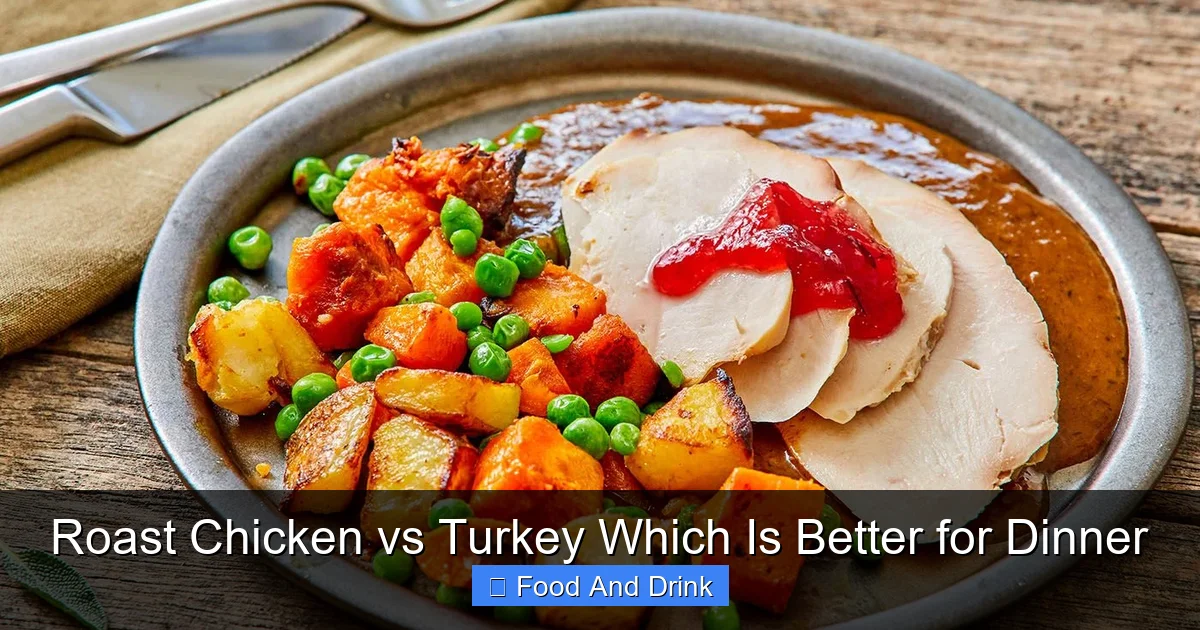
Flavor is where roast chicken and turkey really start to diverge. While both are poultry, their taste profiles and textures offer distinct experiences on the plate.
Chicken: Mild, Tender, and Adaptable
Chicken has a mild, slightly sweet flavor that makes it incredibly versatile. It doesn’t overpower other ingredients, which is why it pairs so well with a wide range of seasonings—from simple salt and pepper to garlic, rosemary, lemon, or even curry spices.
The texture of a well-roasted chicken is tender and juicy, especially in the breast meat. The skin, when roasted properly, becomes golden and crispy, adding a satisfying crunch. Dark meat—like thighs and drumsticks—is richer and more flavorful, with a bit more fat that keeps it moist during cooking.
Because chicken is so adaptable, it’s a favorite for home cooks who like to experiment. Try rubbing it with olive oil, garlic, and thyme for a classic French-style roast. Or go bold with a spice rub inspired by Moroccan or Mexican cuisine. The possibilities are endless.
Turkey: Richer, Deeper, and More Complex
Turkey has a more pronounced flavor than chicken—deeper, slightly gamey, and more robust. This is especially true in the dark meat, which has a richer taste and chewier texture. The breast meat is leaner and can be milder, but it’s also more prone to drying out if not cooked carefully.
Many people describe turkey as having a “hearty” taste—something that feels more substantial than chicken. This makes it perfect for holiday meals, where the food is meant to feel special and indulgent. The skin, when roasted well, can be just as crispy as chicken skin, but it often benefits from basting or brining to stay moist.
One thing to note: turkey doesn’t absorb flavors as easily as chicken. That’s why brining is so popular—it not only adds moisture but also helps season the meat from the inside out. Herbs, citrus, and aromatics placed under the skin or in the cavity can also enhance the flavor.
So, if you’re looking for a mild, crowd-pleasing bird that takes on seasonings like a champ, chicken wins. But if you want a richer, more traditional flavor that feels festive and satisfying, turkey is the clear choice.
Cooking Time and Technique: Mastering the Roast
Visual guide about Roast Chicken vs Turkey Which Is Better for Dinner
Image source: cdn.shopify.com
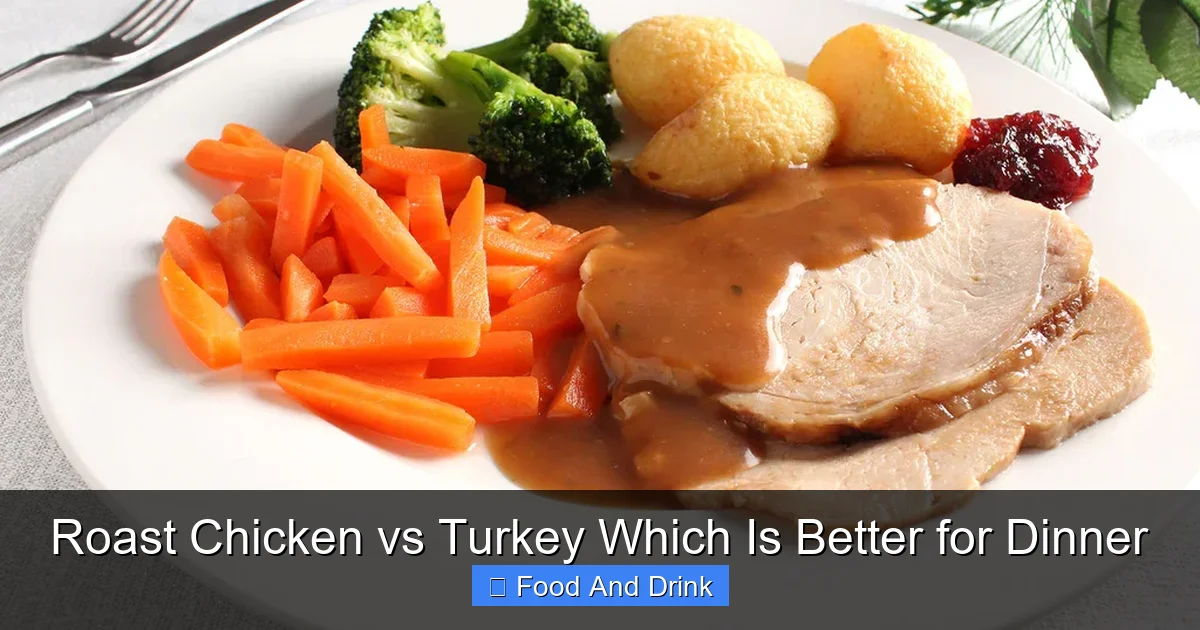
Cooking a perfect roast—whether chicken or turkey—requires attention to time, temperature, and technique. But the methods differ significantly between the two.
Roasting a Chicken: Simple and Reliable
Roasting a chicken is one of the easiest ways to impress your family without spending all day in the kitchen. Here’s a basic method:
1. **Prep the chicken:** Remove giblets, pat dry, and season inside and out. You can stuff the cavity with aromatics like lemon halves, garlic, and herbs.
2. **Truss (optional):** Tying the legs together with kitchen twine helps the chicken cook evenly and keeps the shape intact.
3. **Roast:** Place breast-side up in a roasting pan. Cook at 375°F (190°C) for about 20 minutes per pound. Use a meat thermometer to check doneness—165°F (74°C) in the thickest part of the thigh.
4. **Rest:** Let it rest for 15–20 minutes before carving. This allows the juices to redistribute, keeping the meat moist.
Because chickens are smaller and more uniform in shape, they cook more evenly. There’s less risk of the breast drying out before the thighs are done. And if you’re short on time, you can even spatchcock the chicken—butterflying it by removing the backbone—which cuts cooking time in half and ensures even browning.
Roasting a Turkey: A Labor of Love
Roasting a turkey is more involved. It’s not impossible, but it does require planning and patience.
1. **Thaw safely:** If using a frozen turkey, allow 24 hours of thawing in the fridge for every 4–5 pounds. A 12-pound turkey needs about 3 days.
2. **Brine (recommended):** Soak the turkey in a brine solution for 12–24 hours. This step is almost essential for juicy meat.
3. **Prep and season:** Pat dry, season inside and out, and place aromatics in the cavity. Some cooks also rub butter under the skin for extra flavor and moisture.
4. **Roast:** Place breast-side up on a rack in a roasting pan. Start at 425°F (220°C) for 30 minutes to crisp the skin, then reduce to 325°F (165°C). Cook about 13–15 minutes per pound for an unstuffed turkey.
5. **Baste and monitor:** Baste every 30–45 minutes with pan juices. Use a meat thermometer—165°F (74°C) in the breast and 175°F (80°C) in the thigh.
6. **Rest:** Let it rest for at least 30–45 minutes before carving. This is crucial for juicy meat.
One common issue with turkey is uneven cooking. The breast can dry out while the legs are still undercooked. To prevent this, some chefs recommend “tenting” the breast with foil after the first hour, or using a technique called “reverse searing”—starting low and slow, then finishing at a higher temperature.
Another tip: don’t stuff the turkey. While it’s traditional, stuffing inside the bird increases cooking time and raises the risk of foodborne illness. Cook stuffing separately for safety and better texture.
Which Is Easier to Cook?
For beginners, chicken is the clear winner. It’s forgiving, quick, and hard to ruin. Turkey, while doable, demands more precision. But with practice, even first-time turkey roasters can pull off a delicious, golden bird.
Cost and Value: Budget-Friendly or Splurge-Worthy?
When deciding between roast chicken and turkey, cost is a major factor—especially if you’re feeding a crowd.
Chicken: The Budget Champion
Chickens are significantly cheaper than turkeys. A whole chicken typically costs between $8 and $15, depending on size and whether it’s organic or free-range. Even premium chickens rarely exceed $20. This makes chicken an excellent value for everyday meals.
You also save on cooking time and energy. A chicken roasts in under two hours, using less electricity or gas than a turkey. And because it’s smaller, it fits in most ovens without issue—no need for special equipment.
Turkey: A Holiday Investment
Turkeys are more expensive, especially around holidays when demand is high. A 12-pound turkey can cost anywhere from $20 to $50, with organic or heritage breeds pushing even higher. Add in the cost of brine ingredients, butter, herbs, and side dishes, and a turkey dinner can quickly become a splurge.
But here’s the thing: turkey offers incredible value per pound when you consider how many people it feeds. A $30 turkey that feeds 10 people costs just $3 per person—cheaper than most takeout meals. Plus, leftovers stretch even further, giving you multiple meals from one roast.
So, while turkey has a higher upfront cost, it can be more economical for large gatherings. Chicken, on the other hand, wins for small families or weeknight dinners where cost and convenience matter most.
Nutrition and Health: Which Is Healthier?
Both roast chicken and turkey are excellent sources of lean protein, but there are some nutritional differences to consider.
Protein and Fat Content
Chicken and turkey are both high in protein and low in fat—especially when you remove the skin. A 3-ounce (85g) serving of roasted chicken breast (without skin) has about 25 grams of protein and only 3 grams of fat. The same amount of turkey breast has slightly more protein—around 26 grams—and similar fat content.
Dark meat is richer in fat and calories. Chicken thighs have about 10 grams of fat per 3-ounce serving, while turkey thighs have around 12 grams. But that fat also adds flavor and helps keep the meat juicy.
Sodium and Brining
One thing to watch: brining. While it makes turkey more flavorful and moist, many store-bought brines are high in sodium. A brined turkey can have over 400 mg of sodium per serving—nearly 20% of the daily recommended limit. If you’re watching your salt intake, consider a low-sodium brine or skip it altogether and use dry brining (salting the bird in advance and refrigerating uncovered).
Chicken, especially if roasted without brining, tends to be lower in sodium—unless you’re using heavily seasoned rubs or store-bought marinades.
Overall Health Verdict
Nutritionally, both birds are very similar. The healthiest choice depends on how you prepare them. Roasting with minimal added fat, removing the skin, and avoiding heavy sauces keeps either bird lean and nutritious. For most people, both roast chicken and turkey can be part of a balanced diet.
Leftvers and Leftover Ideas: Stretching Your Meal
One of the best things about roasting a whole bird is the leftovers. But how you use them differs between chicken and turkey.
Chicken Leftovers: Quick and Versatile
Chicken leftovers are incredibly flexible. Shred the meat and toss it into salads, tacos, or grain bowls. Use it in chicken pot pie, creamy pasta, or a hearty soup. Cold roasted chicken also makes excellent sandwiches—just slice it thin and pile it on bread with mayo, lettuce, and pickles.
Because chicken has a mild flavor, it absorbs sauces and seasonings well. Try making a quick chicken curry with coconut milk and spices, or stir it into a stir-fry with vegetables and soy sauce.
Turkey Leftovers: Holiday Classics
Turkey leftovers are often turned into holiday-themed dishes. Classic options include turkey pot pie, turkey tetrazzini, or a rich turkey and wild rice casserole. You can also make turkey soup with broth, noodles, and vegetables—perfect for cold days.
Another popular use: turkey sandwiches with cranberry sauce and stuffing on the side. It’s a nostalgic way to enjoy the flavors of the holiday meal all over again.
Some people even freeze turkey meat in portions for future use. Just make sure to store it in airtight containers or freezer bags, and use within 3–4 months for best quality.
Which Makes Better Leftovers?
It depends on your taste. Chicken leftovers are easier to adapt to everyday meals, while turkey leftovers often feel more special and festive. Both are delicious—it just depends on what you’re in the mood for.
Conclusion: Which Is Better for Dinner?
So, roast chicken vs turkey—which is better for dinner? The answer isn’t one-size-fits-all. It depends on your occasion, your guests, your time, and your taste.
If you’re cooking for a small family on a weeknight, want something quick, affordable, and easy to prepare, roast chicken is the winner. It’s versatile, forgiving, and always satisfying. Plus, leftovers are simple to repurpose into new meals.
But if you’re hosting a holiday feast, feeding a crowd, or craving that rich, traditional flavor, roast turkey takes the crown. It’s impressive, hearty, and perfect for making memories around the dinner table.
Ultimately, both birds have their place in a well-rounded kitchen. The best choice? Cook both—just at the right time. And when you do, you’ll enjoy delicious, homemade meals that bring people together, one roast at a time.
Frequently Asked Questions
What’s the best way to keep a roast turkey moist?
Brining is the most effective method. Soak the turkey in a saltwater solution (with herbs and sugar) for 12–24 hours before roasting. Basting during cooking and using a meat thermometer also help prevent dryness.
How long does it take to roast a 5-pound chicken?
A 5-pound chicken typically takes about 1 hour and 45 minutes to 2 hours to roast at 375°F (190°C). Always check the internal temperature—165°F (74°C) in the thigh—to ensure it’s done.
Can I roast a turkey without brining?
Yes, but brining greatly improves moisture and flavor. If skipping brine, consider dry brining (salting the bird and refrigerating uncovered) or basting frequently during roasting.
What’s the difference between white and dark meat?
White meat (breast) is leaner, milder, and cooks faster. Dark meat (thighs, drumsticks) has more fat, is richer in flavor, and stays juicier during long cooking times.
How do I know when my roast is done?
Use a meat thermometer. For both chicken and turkey, the internal temperature should reach 165°F (74°C) in the thickest part of the thigh, away from the bone. The juices should run clear when pierced.
Can I freeze leftover roast chicken or turkey?
Yes. Remove the meat from the bones, store in airtight containers or freezer bags, and freeze for up to 3–4 months. Thaw in the refrigerator before reheating for best results.


