



Roast chicken and grilled chicken both offer delicious, protein-rich meals, but they differ in flavor, texture, and health benefits. While roasting locks in moisture and deepens flavor, grilling adds a smoky char and reduces fat. Choosing between them depends on your health goals, taste preferences, and cooking style.
Key Takeaways
- Nutritional Differences: Grilled chicken typically has fewer calories and less fat than roast chicken, especially if skin is removed, making it a leaner option.
- Flavor and Texture: Roast chicken offers juicy, tender meat with rich, caramelized skin, while grilled chicken delivers a smoky, slightly charred taste with a firmer bite.
- Cooking Methods Matter: Roasting uses dry, indirect heat in an oven, while grilling applies direct high heat, affecting moisture retention and fat content.
- Health Considerations: Grilling can reduce fat by allowing it to drip away, but high-heat cooking may form harmful compounds like heterocyclic amines (HCAs).
- Versatility and Convenience: Roast chicken is great for meal prep and leftovers, while grilled chicken shines in summer dishes like salads, wraps, and skewers.
- Skin-On vs Skin-Off: Leaving the skin on during roasting adds flavor and moisture but increases calories and fat; removing it post-cooking balances taste and health.
- Best of Both Worlds: You can combine techniques—sear on the grill, then finish in the oven—for juicy, flavorful results with a crispy exterior.
Quick Answers to Common Questions
Is grilled chicken healthier than roast chicken?
Generally, yes—grilled chicken tends to have fewer calories and less fat, especially if the skin is removed, because fat drips away during cooking. However, both can be healthy when prepared with minimal added fats and sodium.
Does roasting chicken make it dry?
Not if done correctly. Roasting at the right temperature, using a meat thermometer, and letting the chicken rest after cooking helps retain moisture. Brining or basting can also prevent dryness.
Can I grill a whole chicken?
Yes, but it requires indirect heat and longer cooking time. Use a grill rotisserie or set up a two-zone fire to cook the chicken evenly without burning the outside.
Which method cooks faster?
Grilling is typically faster for smaller cuts like breasts or thighs, while roasting a whole chicken takes longer but requires less hands-on attention.
Is it safe to eat charred grilled chicken?
Occasional consumption of lightly charred chicken is generally safe, but frequent intake of heavily charred meat may increase exposure to harmful compounds. Minimize charring by using marinades and avoiding flare-ups.
📑 Table of Contents
- Roast Chicken vs Grilled Chicken: Which Is Healthier and Tastier?
- How Roast Chicken and Grilled Chicken Are Cooked
- Nutritional Comparison: Calories, Fat, and Protein
- Flavor and Texture: What Sets Them Apart
- Health Considerations: Which Is the Better Choice?
- Cooking Tips for Perfect Roast and Grilled Chicken
- Which Should You Choose?
- Conclusion
Roast Chicken vs Grilled Chicken: Which Is Healthier and Tastier?
When it comes to classic comfort foods, few dishes rival the universal appeal of a perfectly cooked chicken. Whether it’s golden-brown and glistening from the oven or smoky and charred from the grill, chicken is a staple in kitchens around the world. But when you’re deciding between roast chicken and grilled chicken, the choice isn’t just about preference—it’s about health, flavor, and how you want to enjoy your meal.
Both methods have their loyal fans. Roast chicken lovers rave about its juicy interior and rich, savory skin, often enhanced with herbs, butter, or garlic. Grilled chicken enthusiasts, on the other hand, appreciate its bold, smoky flavor and the way it pairs perfectly with summer salads, tacos, or grilled vegetables. But beyond taste, there’s the question of nutrition: which method delivers more health benefits without sacrificing flavor?
In this detailed guide, we’ll break down the differences between roast chicken and grilled chicken—from how they’re cooked and what that means for your health, to which one might be better suited for your lifestyle. Whether you’re meal prepping for the week, hosting a backyard barbecue, or simply looking for a healthier dinner option, understanding these two cooking styles will help you make smarter, tastier choices.
How Roast Chicken and Grilled Chicken Are Cooked

Visual guide about Roast Chicken vs Grilled Chicken Which Is Healthier and Tastier
Image source: foodhow.com
The way chicken is cooked plays a huge role in its final texture, flavor, and nutritional profile. Roast chicken and grilled chicken may start with the same bird, but their cooking processes are worlds apart.
Roasting: Slow and Steady Wins the Race
Roasting involves cooking chicken in an oven using dry, indirect heat. The bird is typically placed on a rack in a roasting pan, allowing hot air to circulate evenly around it. This method cooks the chicken slowly, usually at temperatures between 325°F and 425°F (165°C to 220°C), depending on the recipe.
One of the biggest advantages of roasting is moisture retention. The enclosed environment of the oven helps keep the meat juicy, especially when the chicken is seasoned with herbs, butter, or broth. Many cooks also baste the chicken during cooking or cover it with foil for part of the time to prevent drying out.
Roasting is ideal for whole chickens or large cuts like thighs and legs, which benefit from the slow, even heat. The skin becomes golden and crispy, while the meat stays tender and flavorful. It’s a forgiving method—great for beginners—and perfect for making a centerpiece dish for family dinners or holiday meals.
Grilling: High Heat, Bold Flavor
Grilling, on the other hand, uses direct, high heat—usually from charcoal, gas, or an electric grill. The chicken is placed directly over the flame or heat source, searing the outside quickly while cooking the inside.
This method creates a delicious charred exterior, thanks to the Maillard reaction—a chemical process that gives grilled foods their signature browned, complex flavor. Grilling also allows fat to drip away from the meat, especially when using a grill rack, which can reduce overall fat content.
However, grilling requires more attention. High heat can dry out chicken if it’s overcooked, especially lean cuts like breasts. To avoid this, many grill masters use techniques like marinating, brining, or using a two-zone fire (hot and cool sides) to control cooking temperature.
Grilling is best suited for smaller cuts—chicken breasts, thighs, wings, or skewers—and shines in outdoor cooking scenarios. It’s fast, flavorful, and adds a rustic, smoky dimension that’s hard to replicate in the oven.
Nutritional Comparison: Calories, Fat, and Protein

Visual guide about Roast Chicken vs Grilled Chicken Which Is Healthier and Tastier
Image source: foodhow.com
When it comes to health, the way you cook your chicken can significantly impact its nutritional value. Let’s compare roast chicken and grilled chicken side by side, focusing on calories, fat, protein, and other key nutrients.
Calorie and Fat Content
Generally, grilled chicken tends to be lower in calories and fat than roast chicken—especially if the skin is removed. This is because grilling allows fat to drip away from the meat, while roasting often involves basting with butter or oil, which can increase fat content.
For example, a 3-ounce (85g) serving of skinless, boneless grilled chicken breast contains about 140 calories and 3 grams of fat. The same serving of skinless roast chicken breast has slightly more—around 165 calories and 4 grams of fat—due to natural juices and possible added fats during cooking.
If you leave the skin on, the difference becomes more pronounced. A skin-on roast chicken thigh can have over 250 calories and 15 grams of fat, while a grilled thigh with skin might clock in at 220 calories and 12 grams of fat. The grilling process helps render out some of the fat, making it a leaner option.
Protein and Micronutrients
Both methods preserve the high protein content of chicken, which is essential for muscle repair, satiety, and overall health. A 3-ounce serving of either roast or grilled chicken provides about 26 grams of protein—making them excellent choices for athletes, dieters, or anyone looking to increase protein intake.
Chicken is also rich in essential vitamins and minerals, including B vitamins (especially B6 and niacin), selenium, phosphorus, and zinc. These nutrients support energy production, immune function, and bone health. Importantly, both roasting and grilling retain most of these nutrients, though prolonged high heat can slightly reduce vitamin B content.
Sodium and Additives
One area where both methods can vary is sodium. Pre-marinated or store-bought rotisserie chickens often contain added salt, preservatives, or flavor enhancers. Similarly, some grilled chicken recipes use salty marinades or sauces that can increase sodium levels.
To keep your meal healthy, opt for homemade preparations with minimal added salt. Use fresh herbs, citrus, garlic, and spices for flavor instead of relying on processed seasonings. This way, you control what goes into your food and keep sodium in check.
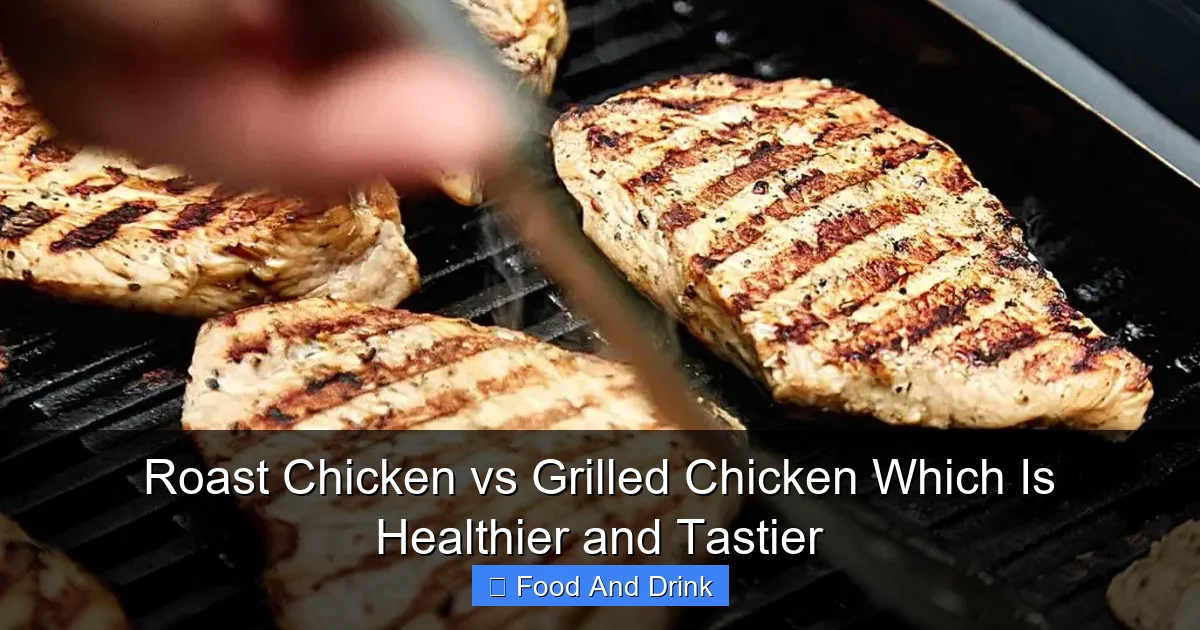
Flavor and Texture: What Sets Them Apart
Visual guide about Roast Chicken vs Grilled Chicken Which Is Healthier and Tastier
Image source: foodhow.com
Taste is subjective, but there’s no denying that roast chicken and grilled chicken offer distinctly different flavor profiles and textures. Understanding these differences can help you choose the right method for your meal.
The Rich, Savory Depth of Roast Chicken
Roast chicken is all about comfort and depth of flavor. The slow cooking process allows the meat to absorb aromatics like rosemary, thyme, garlic, and onion, creating a rich, savory taste that permeates every bite. The skin, when properly roasted, becomes crispy and golden, adding a satisfying crunch and buttery richness.
The texture of roast chicken is typically more uniform—tender and juicy throughout, with a melt-in-your-mouth quality, especially in the dark meat. Because the heat is indirect and consistent, there’s less risk of drying out, making it a reliable choice for home cooks.
Many people also love that roast chicken often yields extra—like drippings for gravy or a flavorful base for soups and stews. It’s a one-pot wonder that delivers big on flavor and leftovers.
The Smoky, Charred Appeal of Grilled Chicken
Grilled chicken, by contrast, offers a bold, smoky flavor that’s hard to resist. The high heat creates a caramelized crust on the outside, while the inside remains moist—especially if the chicken is marinated or brined beforehand.
The texture is firmer and slightly chewier than roast chicken, with a pleasant char that adds complexity. This makes grilled chicken ideal for dishes where you want a bit of bite, like in salads, tacos, or kebabs.
Grilling also allows for creative flavor infusion. Marinades with soy sauce, lime, cumin, or chipotle can penetrate the meat, giving it a zesty, spicy, or tangy kick. Plus, the smoky aroma of a charcoal grill adds an irresistible outdoor charm that’s perfect for summer gatherings.
Which Tastes Better?
Ultimately, taste comes down to personal preference. If you love rich, buttery, herb-infused flavors and tender meat, roast chicken might be your go-to. If you prefer bold, smoky, and slightly charred notes with a firmer texture, grilled chicken could be your winner.
But here’s a pro tip: you don’t have to choose just one. Try combining both methods—sear chicken on the grill for that smoky char, then finish it in the oven to keep it juicy. This hybrid approach gives you the best of both worlds.
Health Considerations: Which Is the Better Choice?
When it comes to health, both roast chicken and grilled chicken can be part of a balanced diet—but there are some important factors to consider.
Fat Reduction and Heart Health
Grilled chicken generally has less fat than roast chicken, especially if the skin is removed. This makes it a better option for those watching their fat intake or managing cholesterol levels. The grilling process allows fat to drip away, reducing overall calorie density.
Roast chicken, while delicious, can be higher in fat—particularly if cooked with butter, oil, or the skin left on. However, this doesn’t make it unhealthy. In moderation, the fats in chicken skin can add flavor and help you feel full longer. Just be mindful of portion sizes and how often you eat skin-on chicken.
Heterocyclic Amines (HCAs) and Grilling Risks
One potential downside of grilling is the formation of heterocyclic amines (HCAs)—chemical compounds that can form when meat is cooked at high temperatures, especially over an open flame. HCAs have been linked to an increased risk of certain cancers in animal studies, though human evidence is still limited.
To minimize HCA formation, avoid charring the meat, use marinades (especially those with vinegar, lemon, or herbs), and flip the chicken frequently. Marinating for at least 30 minutes can reduce HCA formation by up to 90%.
Roasting, with its lower and more controlled heat, produces fewer HCAs, making it a safer option from a cancer-risk standpoint.
Moisture and Digestibility
Roast chicken tends to be more moist and tender, which can make it easier to digest—especially for older adults or those with sensitive stomachs. The slow cooking process breaks down connective tissues, resulting in softer meat.
Grilled chicken, while flavorful, can be drier if overcooked. This may be less appealing to some, but it’s easily avoided with proper technique—like using a meat thermometer to ensure the internal temperature reaches 165°F (74°C) without going over.
Sodium and Additives
As mentioned earlier, pre-cooked or store-bought versions of both roast and grilled chicken can be high in sodium and preservatives. Always check labels or, better yet, cook from scratch using fresh ingredients.
Cooking Tips for Perfect Roast and Grilled Chicken
No matter which method you choose, a few simple tips can help you achieve delicious, restaurant-quality results at home.
Tips for Roasting Chicken
- Use a meat thermometer: The safest way to ensure doneness is to check the internal temperature. Insert it into the thickest part of the thigh—without touching the bone—and aim for 165°F (74°C).
- Season under the skin: Gently lift the skin and rub herbs, garlic, or butter directly onto the meat for maximum flavor penetration.
- Let it rest: After roasting, let the chicken rest for 10–15 minutes before carving. This allows juices to redistribute, keeping the meat moist.
- Add aromatics: Stuff the cavity with lemon halves, garlic, onion, and fresh herbs like rosemary or thyme for extra flavor.
- Use a rack: Place the chicken on a roasting rack to allow heat to circulate and prevent the bottom from steaming.
Tips for Grilling Chicken
- Marinate or brine: Soak chicken in a marinade (acidic like lemon or vinegar-based) or brine (saltwater solution) for at least 30 minutes to keep it moist and flavorful.
- Preheat the grill: A hot grill ensures a good sear and prevents sticking. Aim for medium-high heat (around 375°F to 450°F or 190°C to 230°C).
- Use a two-zone fire: Create a hot side for searing and a cooler side for finishing. This prevents burning while ensuring even cooking.
- Don’t flip too often: Let the chicken develop a nice char before flipping—usually 4–5 minutes per side for breasts.
- Oil the grates: Use tongs and a paper towel dipped in oil to grease the grates before cooking to prevent sticking.
Bonus: Hybrid Method – Grill Then Roast
For the ultimate chicken experience, try this technique:
- Sear the chicken on the grill over high heat for 2–3 minutes per side to develop a smoky crust.
- Transfer to a preheated oven (375°F or 190°C) and roast until the internal temperature reaches 165°F (74°C).
- This method gives you the best of both worlds—crispy, charred skin and juicy, tender meat.
Which Should You Choose?
So, roast chicken vs grilled chicken—which is healthier and tastier? The answer depends on your goals.
If you’re focused on health and fat reduction, grilled chicken—especially skinless—is the leaner choice. It’s lower in calories and fat, and when done right, still delivers great flavor.
If you’re after rich, comforting flavor and juicy texture, roast chicken is hard to beat. It’s perfect for family meals, holiday dinners, or when you want a dish that doubles as leftovers.
For summer cookouts and bold, smoky taste, grilled chicken shines. It’s versatile, quick, and pairs beautifully with fresh salads, grilled veggies, and tropical salsas.
And remember—you don’t have to pick just one. Both methods are nutritious, delicious, and worth having in your cooking repertoire. The key is to use quality ingredients, cook with care, and enjoy the process.
Conclusion
Roast chicken and grilled chicken each bring something special to the table. Roasting offers deep, savory flavors and tender, juicy meat—ideal for cozy dinners and meal prep. Grilling delivers a smoky, charred taste with less fat, making it a great choice for health-conscious eaters and outdoor cooking.
Nutritionally, grilled chicken edges out slightly in terms of lower fat and calories, but both methods can be part of a healthy diet when prepared thoughtfully. Flavor-wise, it’s a matter of preference—rich and buttery or bold and smoky.
Ultimately, the best chicken is the one you enjoy most. Whether you’re roasting a whole bird for Sunday dinner or grilling skewers for a backyard barbecue, both methods celebrate the versatility and deliciousness of this beloved protein. So fire up the oven, light the grill, and savor every bite.
Frequently Asked Questions
Which has more protein, roast or grilled chicken?
Both roast and grilled chicken provide nearly identical amounts of protein—about 26 grams per 3-ounce serving. The cooking method doesn’t significantly affect protein content.
Can I make roast chicken on the grill?
Yes! Use indirect heat on a gas or charcoal grill, similar to an oven. Place the chicken away from direct flames and cook covered until the internal temperature reaches 165°F (74°C).
Why is my grilled chicken dry?
Overcooking is the most common cause. Use a meat thermometer to avoid going past 165°F (74°C), and consider brining or marinating the chicken beforehand to retain moisture.
Is rotisserie chicken healthy?
Rotisserie chicken can be healthy if you remove the skin and choose low-sodium options. It’s convenient and flavorful, but check labels for added salt and preservatives.
How do I keep roast chicken from drying out?
Baste with broth or butter, cover with foil for part of the cooking time, and let it rest after roasting. Using a meat thermometer ensures you don’t overcook it.
Can I use the same seasoning for both roast and grilled chicken?
Absolutely! Herbs like rosemary, thyme, garlic, and paprika work well with both methods. Just adjust cooking times and techniques to suit roasting or grilling.


