

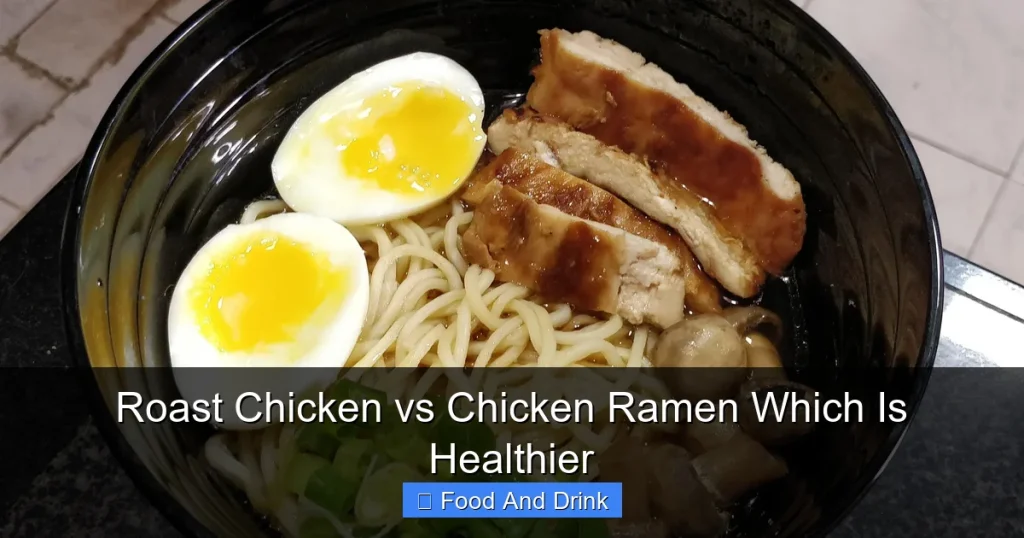

Roast chicken offers lean protein and fewer additives, making it a healthier choice overall. Chicken ramen, while convenient, often contains high sodium, preservatives, and refined carbs that can impact long-term health.
Key Takeaways
- Roast chicken is nutrient-dense: It provides high-quality protein, B vitamins, and essential minerals with minimal processing.
- Chicken ramen is high in sodium: A single serving can exceed 1,500mg of sodium, contributing to hypertension and heart disease risk.
- Homemade ramen is healthier: Using fresh broth, vegetables, and lean protein can drastically improve ramen’s nutritional profile.
- Roast chicken supports muscle health: Its complete amino acid profile aids muscle repair and satiety.
- Instant ramen lacks fiber and nutrients: Most instant versions are low in vegetables, fiber, and vitamins, offering empty calories.
- Portion control matters: Even healthy roast chicken can become unhealthy if served with creamy sauces or fried sides.
- Balance is key: Occasional ramen is fine, but roast chicken should be a regular part of a balanced diet.
Quick Answers to Common Questions
Is homemade chicken ramen healthier than instant?
Yes, homemade chicken ramen is significantly healthier. It allows you to control ingredients, reduce sodium, and add nutrient-rich components like bone broth, vegetables, and lean protein.
Can I eat roast chicken every day?
Yes, roast chicken can be part of a daily healthy diet when prepared without excessive oil or salt and paired with vegetables and whole grains.
Does chicken ramen have any nutritional benefits?
Instant ramen offers minimal nutrition, but homemade versions with bone broth, vegetables, and protein can provide vitamins, minerals, and collagen.
Is the sodium in ramen really that bad?
Yes, a single serving of instant ramen can contain over 1,500mg of sodium—more than half the daily recommended limit—increasing risk of high blood pressure and heart disease.
Can I make instant ramen healthier?
Absolutely. Add vegetables, a boiled egg, and use only half the seasoning packet. Swap refined noodles for whole-grain or shirataki options when possible.
📑 Table of Contents
- Introduction: The Great Chicken Showdown
- Nutritional Breakdown: What’s Really in Your Bowl?
- Ingredients: Whole Foods vs. Processed Convenience
- Cooking Methods: How Preparation Affects Health
- Health Impacts: Long-Term Effects on Your Body
- Making Healthier Choices: Tips for Both Dishes
- Conclusion: Which Is Healthier?
Introduction: The Great Chicken Showdown
When it comes to comfort food, few dishes rival the warmth and satisfaction of a well-prepared chicken meal. Whether it’s a golden-brown roast chicken fresh from the oven or a steaming bowl of chicken ramen on a rainy day, both dishes have earned their place in kitchens and hearts around the world. But when health is on the table—literally—the choice between roast chicken and chicken ramen isn’t as simple as picking your favorite flavor.
At first glance, both dishes feature chicken as the star ingredient. But that’s where the similarities often end. Roast chicken, especially when prepared simply with herbs, olive oil, and minimal seasoning, is a whole-food, nutrient-rich option. Chicken ramen, particularly the instant kind, is often a processed meal packed with sodium, preservatives, and refined carbohydrates. The real question isn’t just which tastes better—it’s which one supports your long-term health.
In this detailed comparison, we’ll dive deep into the nutritional profiles, ingredients, cooking methods, and health impacts of roast chicken versus chicken ramen. Whether you’re a busy parent looking for quick meals, a fitness enthusiast tracking macros, or just someone trying to eat a little cleaner, this guide will help you make informed decisions. By the end, you’ll know not only which dish is healthier but also how to enjoy both in a way that aligns with your wellness goals.
Nutritional Breakdown: What’s Really in Your Bowl?
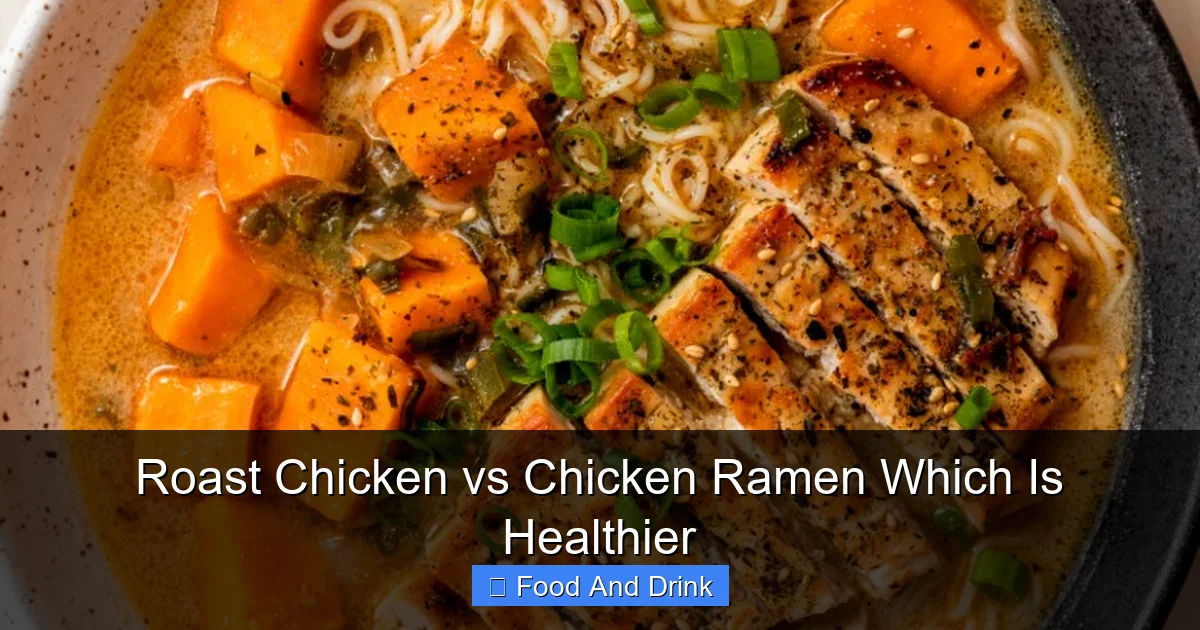
Visual guide about Roast Chicken vs Chicken Ramen Which Is Healthier
Image source: exploringvegan.com
To truly understand which dish is healthier, we need to look beyond the surface and examine what’s actually on your plate—or in your bowl. Let’s start with a side-by-side comparison of a standard serving of roast chicken versus a typical serving of instant chicken ramen.
A 3-ounce (about 85g) serving of roasted chicken breast contains approximately:
– Calories: 140
– Protein: 26g
– Fat: 3g (mostly unsaturated)
– Sodium: 60mg
– Carbohydrates: 0g
– Fiber: 0g
– Vitamins: High in niacin (B3), vitamin B6, and selenium
Now, consider a standard packet of instant chicken ramen (including the seasoning):
– Calories: 380–420
– Protein: 8–10g
– Fat: 14–18g (often partially hydrogenated oils)
– Sodium: 1,500–2,000mg
– Carbohydrates: 50–60g (mostly refined flour)
– Fiber: 1–2g
– Vitamins: Minimal; often fortified with synthetic B vitamins
The differences are striking. Roast chicken is lean, high in protein, and naturally low in sodium and carbs. In contrast, instant ramen is calorie-dense, high in sodium, and loaded with refined starches. Even if you add vegetables or an egg to your ramen, the base product remains nutritionally weak compared to a simple roasted chicken breast.
Protein Quality and Quantity
Protein is essential for muscle repair, immune function, and satiety. Roast chicken excels here. A 3-ounce serving delivers about 26 grams of complete protein—meaning it contains all nine essential amino acids your body can’t make on its own. This makes it an excellent choice for athletes, growing children, or anyone looking to maintain muscle mass.
Chicken ramen, even when made with real chicken, typically contains far less protein. Instant versions rely on dried noodles and powdered flavoring, with only trace amounts of actual meat. Even if you add a boiled egg or shredded chicken to your ramen, the total protein rarely matches that of a single serving of roast chicken.
Moreover, the protein in ramen often comes from lower-quality sources. The “chicken” in instant ramen may be hydrolyzed protein or textured vegetable protein (TVP), not real meat. While not inherently harmful, these ingredients don’t offer the same nutritional benefits as whole chicken.
Sodium: The Silent Saboteur
One of the biggest red flags with instant chicken ramen is its sky-high sodium content. The average American consumes about 3,400mg of sodium per day—already above the recommended limit of 2,300mg. A single packet of ramen can contribute over half that amount in one sitting.
High sodium intake is linked to high blood pressure, heart disease, stroke, and kidney problems. The World Health Organization (WHO) recommends reducing sodium to less than 2,000mg per day for optimal health. Yet, many people unknowingly exceed this with just one bowl of ramen.
Roast chicken, when seasoned simply, contains minimal sodium. Even if you use a store-bought rotisserie chicken, the sodium is usually under 400mg per serving—far more manageable. By controlling your seasoning at home, you can keep sodium levels even lower.
Fats and Additives: Hidden Health Hazards
Not all fats are created equal. Roast chicken cooked with olive oil or butter contains mostly unsaturated and saturated fats—natural and generally safe in moderation. The fat content increases slightly with the skin on, but it’s still far healthier than the trans fats often found in instant ramen.
Many instant ramen brands use partially hydrogenated oils to extend shelf life and improve texture. These oils contain trans fats, which are strongly linked to increased LDL (“bad”) cholesterol and inflammation. While some manufacturers have reduced or eliminated trans fats due to regulations, many products still contain small amounts or use alternative unhealthy fats.
Additionally, instant ramen is loaded with preservatives, artificial flavors, and monosodium glutamate (MSG). While MSG is generally recognized as safe by the FDA, some people report sensitivity symptoms like headaches or nausea. Roast chicken, especially when homemade, contains none of these additives.
Ingredients: Whole Foods vs. Processed Convenience
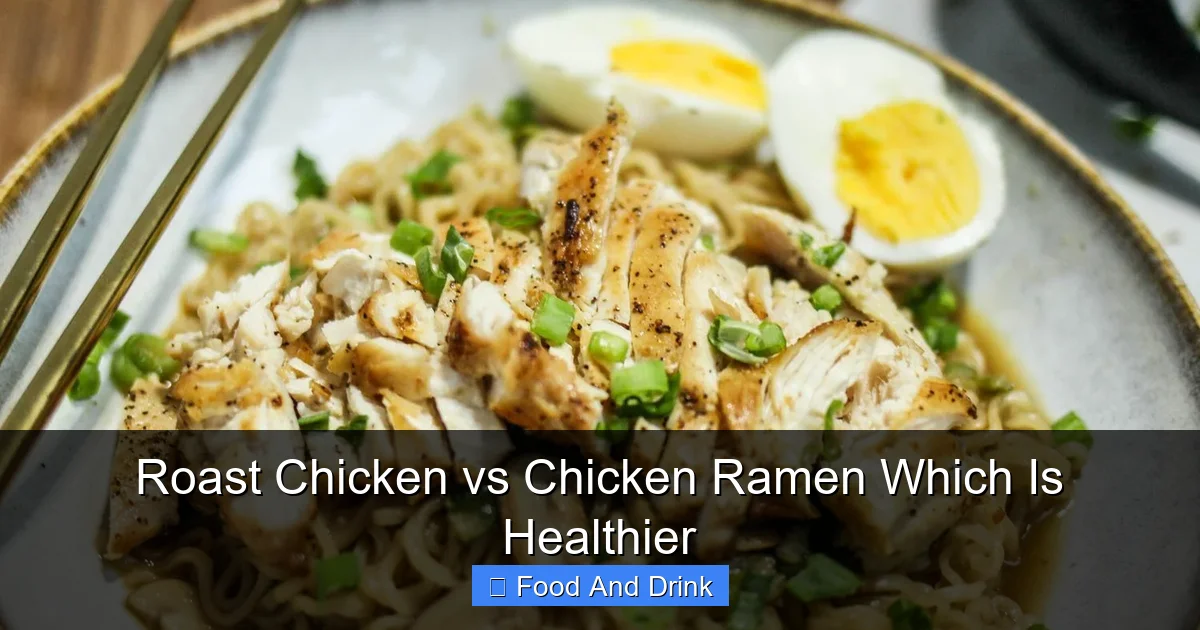
Visual guide about Roast Chicken vs Chicken Ramen Which Is Healthier
Image source: liliesandloafers.com
The quality of ingredients plays a huge role in determining whether a meal is healthy. Let’s compare what goes into a typical roast chicken versus a packet of instant chicken ramen.
Roast Chicken: Simple and Clean
A basic roast chicken recipe includes:
– Whole chicken or chicken parts
– Olive oil or butter
– Salt, pepper, and herbs (like rosemary, thyme, or garlic)
– Optional: lemon, onions, or carrots for roasting
These are all whole, recognizable ingredients. There’s no need for a chemistry degree to understand the label. When you roast chicken at home, you control every component—ensuring no hidden sugars, excess sodium, or artificial additives.
Even store-bought rotisserie chickens are relatively clean, though they may contain added sodium and preservatives. A quick check of the ingredient list can help you choose a brand with fewer additives.
Instant Chicken Ramen: A Lab in a Packet
Now, let’s look at a typical instant ramen ingredient list:
– Enriched wheat flour
– Palm oil
– Salt
– Sugar
– Monosodium glutamate (MSG)
– Soy sauce powder
– Hydrolyzed corn protein
– Artificial chicken flavor
– Sodium carbonate
– Potassium carbonate
– Riboflavin (color)
This list reads more like a science experiment than a meal. While some ingredients like wheat flour and soy sauce are natural, others—like hydrolyzed proteins and artificial flavors—are highly processed. The “chicken” flavor often comes from chemical compounds designed to mimic real meat, not from actual chicken.
Even healthier instant ramen brands (like those labeled “organic” or “low-sodium”) still rely on dried noodles and powdered broths, which lack the freshness and nutrients of homemade versions.
Homemade Ramen: A Healthier Alternative
The good news? You don’t have to give up ramen entirely. Homemade chicken ramen can be a nutritious and delicious meal. Start with a slow-simmered bone broth made from chicken bones, vegetables, and herbs. Add fresh noodles (or whole-grain alternatives), shredded roast chicken, bok choy, mushrooms, soft-boiled eggs, and green onions.
This version is rich in collagen, minerals, and vitamins—thanks to the bone broth—and far lower in sodium and additives. It’s also more satisfying and flavorful than any instant packet.
Cooking Methods: How Preparation Affects Health
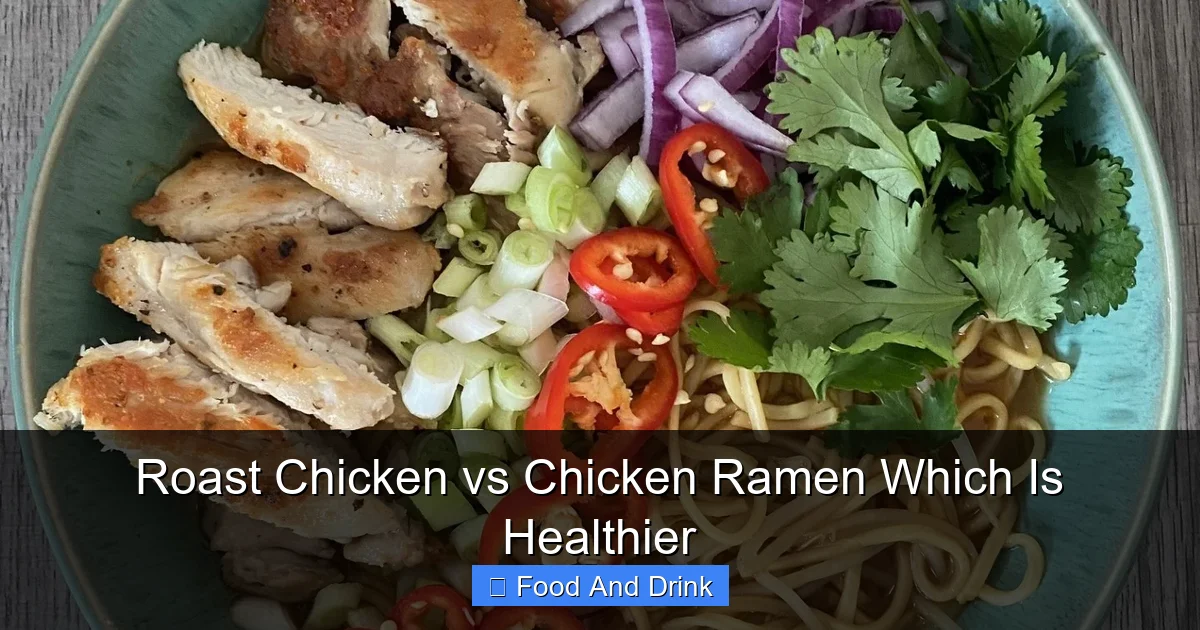
Visual guide about Roast Chicken vs Chicken Ramen Which Is Healthier
Image source: livethequote.com
How you cook your food matters just as much as what you cook. Roasting and boiling—the primary methods for these dishes—have very different impacts on nutrition and health.
Roasting: Preserving Nutrients and Flavor
Roasting chicken at high heat (around 375°F to 425°F) seals in juices and creates a crispy, flavorful skin. When done properly, it preserves most of the chicken’s natural nutrients. The dry heat helps retain protein and B vitamins, which can be lost in boiling or frying.
However, roasting with excessive oil or butter can add unnecessary calories and saturated fat. To keep it healthy, use minimal oil, remove the skin if desired, and pair with roasted vegetables for a balanced meal.
Boiling and Simmering: The Ramen Method
Instant ramen is typically prepared by boiling noodles in water and adding the seasoning packet. This method is fast but strips away nutrients. The high-heat boiling can degrade some vitamins, and the lack of fresh ingredients means you miss out on fiber, antioxidants, and phytonutrients.
Homemade ramen, on the other hand, benefits from slow simmering. Bone broth, made by simmering chicken bones for hours, extracts collagen, gelatin, and minerals like calcium and magnesium. This process creates a nutrient-rich base that supports gut health and joint function.
Frying: The Hidden Risk in Some Ramen
Many instant ramen noodles are pre-fried before drying, which gives them their quick-cooking texture but adds unhealthy fats. Air-dried or fresh noodles are better options if you’re making ramen at home.
Roast chicken, when not deep-fried, avoids this issue entirely. Even crispy-skinned roast chicken is baked, not fried, making it a healthier choice.
Health Impacts: Long-Term Effects on Your Body
Beyond calories and macros, we need to consider how these foods affect your body over time. Let’s explore the long-term health implications of regularly eating roast chicken versus chicken ramen.
Heart Health and Blood Pressure
The high sodium content in instant ramen is a major concern for cardiovascular health. Regularly consuming over 1,500mg of sodium in one meal can lead to chronic high blood pressure, a leading cause of heart attacks and strokes.
Roast chicken, with its naturally low sodium, supports healthy blood pressure. When seasoned with herbs and spices instead of salt, it becomes even more heart-friendly.
Weight Management and Satiety
Protein-rich foods like roast chicken help you feel full longer, reducing the likelihood of overeating. A study published in the American Journal of Clinical Nutrition found that high-protein meals increase satiety and reduce calorie intake at subsequent meals.
Instant ramen, despite being calorie-dense, is low in protein and fiber, so it doesn’t keep you full for long. This can lead to snacking and weight gain over time.
Gut Health and Digestion
Homemade ramen with bone broth can actually support gut health. The gelatin in bone broth helps repair the gut lining and may reduce inflammation. However, instant ramen offers none of these benefits and may disrupt digestion due to additives and low fiber.
Roast chicken, especially when paired with vegetables, supports a healthy gut microbiome. Its protein is easily digestible, and it doesn’t contain irritants like MSG or artificial flavors.
Chronic Disease Risk
Diets high in processed foods and sodium are linked to increased risks of type 2 diabetes, obesity, and certain cancers. Instant ramen, as a highly processed food, fits into this category.
Roast chicken, as part of a balanced diet rich in whole foods, is associated with lower risks of chronic disease. It’s a staple in many healthy eating patterns, including the Mediterranean and DASH diets.
Making Healthier Choices: Tips for Both Dishes
You don’t have to eliminate either dish entirely. With smart choices, you can enjoy both roast chicken and chicken ramen in a way that supports your health.
Healthier Roast Chicken Tips
- Use minimal oil and season with herbs, garlic, and lemon instead of salt.
- Remove the skin to reduce fat and calories.
- Pair with roasted vegetables like broccoli, carrots, or sweet potatoes.
- Choose organic or free-range chicken when possible for better fat profiles and fewer antibiotics.
- Avoid creamy sauces or gravies high in saturated fat.
Healthier Chicken Ramen Tips
- Make your own broth using chicken bones, onions, carrots, and celery.
- Use whole-grain or shirataki noodles instead of refined wheat noodles.
- Add plenty of vegetables: spinach, mushrooms, bean sprouts, and seaweed.
- Include a source of protein like soft-boiled eggs, tofu, or shredded roast chicken.
- Limit or skip the seasoning packet—use low-sodium soy sauce, ginger, and garlic for flavor.
- If using instant ramen, treat it as a base and bulk it up with fresh ingredients.
Portion Control and Frequency
Even healthy foods can become unhealthy in excess. Enjoy roast chicken 2–3 times per week as part of a balanced diet. Instant ramen? Limit to once a week or less, and always enhance it with fresh ingredients.
Conclusion: Which Is Healthier?
When it comes to roast chicken vs chicken ramen, the healthier choice is clear: roast chicken wins—especially when prepared simply and served with vegetables. It’s nutrient-dense, low in sodium, free of additives, and supports long-term health.
Chicken ramen, particularly the instant kind, is convenient but nutritionally inferior. High in sodium, low in protein and fiber, and loaded with processed ingredients, it’s best enjoyed occasionally and upgraded with fresh, whole foods.
That said, food is also about enjoyment and culture. A warm bowl of ramen on a cold day or a family dinner with roast chicken can be deeply satisfying. The key is balance. By making informed choices—opting for homemade versions, controlling portions, and prioritizing whole ingredients—you can enjoy both dishes without compromising your health.
So next time you’re deciding between the oven and the stovetop, remember: roast chicken is the healthier foundation, but with a little creativity, even ramen can have a place in your wellness journey.
Frequently Asked Questions
Is roast chicken high in cholesterol?
Roast chicken contains dietary cholesterol, but for most people, it doesn’t significantly raise blood cholesterol. The fat content is more important—opt for skinless and lean cuts.
Can chicken ramen help with weight loss?
Instant ramen is not ideal for weight loss due to high sodium and low satiety. However, a homemade version with lean protein and vegetables can fit into a calorie-controlled diet.
Is MSG in ramen dangerous?
MSG is generally safe for most people, though some may experience mild symptoms like headaches. It’s not inherently harmful in moderate amounts.
What’s the healthiest way to cook chicken?
Roasting, grilling, and baking are among the healthiest methods. They preserve nutrients and avoid adding unhealthy fats, unlike frying.
Can I freeze roast chicken?
Yes, roast chicken freezes well for up to 3 months. Store in airtight containers or freezer bags. Reheat thoroughly before eating.
Is bone broth in ramen good for you?
Yes, bone broth is rich in collagen, amino acids, and minerals. It may support joint, skin, and gut health when consumed regularly.


