



Roast chicken is a whole-food, nutrient-dense meal rich in protein and essential vitamins, while Chicken Maruchan is a processed instant noodle product high in sodium, preservatives, and refined carbs. Choosing roast chicken supports long-term health, whereas Maruchan is best enjoyed occasionally as a convenience food.
When it comes to choosing what to eat, especially when you’re short on time or energy, the decision often comes down to convenience versus nutrition. Two popular options that frequently appear on dinner tables—or late-night snack runs—are roast chicken and Chicken Maruchan instant ramen. On the surface, both feature chicken as a main ingredient, but that’s where the similarities end. One is a wholesome, home-cooked (or deli-bought) protein powerhouse, while the other is a shelf-stable, ultra-processed meal in a cup. So, which is healthier: roast chicken or Chicken Maruchan?
Let’s be honest—Chicken Maruchan is hard to resist. It’s cheap, ready in minutes, and has that salty, savory flavor that hits the spot after a long day. But is it doing your body any favors? On the flip side, roast chicken—whether you cook it yourself or pick it up from the store—offers a satisfying, flavorful meal that’s packed with nutrients. But is it worth the extra time and effort? In this article, we’ll dive deep into the nutritional profiles, ingredients, health impacts, and real-world practicality of both options. By the end, you’ll have a clear answer to the question: roast chicken vs Chicken Maruchan—which is healthier?
Key Takeaways
- Nutritional Quality: Roast chicken provides high-quality protein, B vitamins, and minerals with minimal additives, making it a far healthier choice than Chicken Maruchan.
- Sodium Content: A single pack of Chicken Maruchan contains over 1,500 mg of sodium—nearly the entire daily recommended limit—while roast chicken has significantly less.
- Processing Level: Roast chicken is a minimally processed whole food, whereas Maruchan is highly processed with artificial flavors, preservatives, and refined ingredients.
- Calorie Density: Maruchan delivers empty calories from refined flour and oil, while roast chicken offers sustained energy from balanced macronutrients.
- Long-Term Health Impact: Regular consumption of processed foods like Maruchan is linked to obesity, hypertension, and heart disease, unlike roast chicken, which supports muscle health and satiety.
- Convenience vs Nutrition: While Maruchan wins on speed and ease, roast chicken—especially when prepped ahead—can be just as convenient with far greater health benefits.
- Better Alternatives: For quick meals, consider homemade broth-based noodles with grilled chicken instead of instant ramen for a healthier compromise.
Quick Answers to Common Questions
Is Chicken Maruchan bad for you?
Chicken Maruchan isn’t “bad” in small amounts, but it’s highly processed and high in sodium, making it unhealthy if eaten regularly. Occasional consumption is fine, but it shouldn’t replace whole foods.
Can I eat roast chicken every day?
Yes, roast chicken is safe and healthy to eat daily as part of a balanced diet. Just vary your protein sources and include plenty of vegetables and whole grains.
How much sodium is in one pack of Chicken Maruchan?
One pack contains about 1,580 mg of sodium—over 65% of the daily recommended limit. This is extremely high for a single meal.
Is rotisserie chicken as healthy as homemade roast chicken?
Rotisserie chicken is a good option, but check the label. Some brands add extra sodium and preservatives. Choose “natural” or “no antibiotics” versions when possible.
What’s a healthy alternative to instant ramen?
Try making broth-based noodles with whole-grain pasta, fresh vegetables, and grilled chicken. Use low-sodium broth and limit the seasoning packet.
📑 Table of Contents
Nutritional Breakdown: What’s Really in Your Bowl?
To understand which option is healthier, we need to look beyond the label and into the actual nutritional content. Let’s compare a standard 3-ounce serving of roasted chicken breast (without skin) to one package of Chicken Maruchan Oriental Flavor instant ramen.
Roast chicken breast is a nutritional powerhouse. It contains about 140 calories, 26 grams of high-quality protein, and less than 1 gram of fat. It’s also rich in essential B vitamins like niacin (B3) and B6, which support metabolism and brain function. Plus, it provides selenium, phosphorus, and choline—nutrients vital for thyroid health, bone strength, and liver function. Importantly, roast chicken has minimal sodium—around 60–80 mg per serving—unless heavily seasoned or brined.
Now, let’s look at Chicken Maruchan. One cup (about 85 grams dry weight) contains roughly 380 calories, 7 grams of protein, 14 grams of fat (mostly from palm oil), and a staggering 1,580 mg of sodium. That’s more than 65% of the recommended daily sodium intake in just one meal! It also includes 52 grams of carbohydrates, mostly from refined wheat flour, and very little fiber. The ingredient list is long and includes monosodium glutamate (MSG), disodium inosinate, disodium guanylate, and various preservatives.
Protein Quality and Quantity
Protein is essential for muscle repair, immune function, and satiety. Roast chicken delivers complete protein—meaning it contains all nine essential amino acids your body can’t make on its own. A 3-ounce serving gives you about 26 grams, which is ideal for maintaining muscle mass and keeping you full for hours.
In contrast, Chicken Maruchan provides only 7 grams of protein per serving—less than a third of what roast chicken offers. And because it’s derived from processed wheat and minimal chicken flavoring (not real chicken), the protein quality is significantly lower. You’re not getting the same muscle-supporting benefits.
Fat and Carbohydrate Composition
Roast chicken is naturally low in fat, especially if you remove the skin. The fat it does contain is mostly unsaturated, which is heart-healthy. The carbohydrates in roast chicken are negligible—essentially zero—making it a great option for low-carb or ketogenic diets.
Chicken Maruchan, however, is loaded with refined carbs and unhealthy fats. The noodles are made from wheat flour that’s been stripped of fiber and nutrients during processing. The frying process used to dehydrate the noodles adds trans fats and saturated fats, which can raise bad cholesterol (LDL) levels. While the fat content isn’t extremely high, it’s the type of fat that matters—and Maruchan’s palm oil isn’t doing your heart any favors.
Sodium: The Silent Saboteur
Sodium is where Chicken Maruchan really falls short. With over 1,500 mg per serving, it’s one of the saltiest packaged foods on the market. The American Heart Association recommends no more than 2,300 mg of sodium per day, with an ideal limit of 1,500 mg for most adults. Eating one cup of Maruchan puts you dangerously close to—or over—that limit.
High sodium intake is linked to high blood pressure, stroke, and heart disease. Over time, regularly consuming high-sodium foods like instant ramen can strain your kidneys and increase your risk of chronic illness. Roast chicken, by comparison, is naturally low in sodium and can be seasoned with herbs and spices for flavor without adding excess salt.
Ingredients: Whole Food vs. Processed Product

Visual guide about Roast Chicken vs Chicken Maruchan Which Is Healthier
Image source: 2.bp.blogspot.com
The ingredient list is a telling sign of how processed a food is. Let’s break it down.
What’s in Roast Chicken?
A simple roast chicken—whether homemade or store-bought—typically contains just chicken, salt, pepper, and maybe some herbs like rosemary or thyme. If you’re buying a rotisserie chicken from the grocery store, check the label. Some brands add sodium phosphate, sugar, or preservatives, but many offer “natural” or “no antibiotics” options with minimal additives.
Homemade roast chicken gives you full control. You can use organic, free-range chicken and season it with garlic, lemon, and olive oil for a flavorful, clean meal. The result is a whole food that’s minimally processed and free from artificial ingredients.
What’s in Chicken Maruchan?
Now, let’s look at the ingredient list for Chicken Maruchan Oriental Flavor:
– Wheat flour
– Palm oil
– Salt
– Sugar
– Monosodium glutamate (MSG)
– Potassium carbonate
– Sodium phosphate
– Sodium carbonate
– Disodium inosinate
– Disodium guanylate
– Natural flavor
– Caramel color
– And more…
This list reads more like a chemistry experiment than a meal. MSG and the disodium compounds are flavor enhancers that can trigger headaches or allergic reactions in sensitive individuals. Palm oil is linked to inflammation and heart disease when consumed in excess. Caramel color, especially in its synthetic form (Class IV), has been associated with cancer in animal studies.
Even the “chicken” flavor isn’t real chicken—it’s a blend of artificial flavors and dried powders designed to mimic the taste. You’re not getting any real meat, just the illusion of it.
Processing and Additives
Roast chicken is a whole food that undergoes minimal processing. It’s cooked, not chemically altered. In contrast, Chicken Maruchan is highly processed. The noodles are flash-fried to remove moisture, allowing them to be stored for months. This process destroys many nutrients and creates potentially harmful compounds.
Additives like MSG and artificial flavors are used to make the product taste appealing, but they come with health risks. While MSG is generally recognized as safe by the FDA, some people experience symptoms like headaches, flushing, or nausea after consuming it. The cumulative effect of eating these additives regularly is still not fully understood, but research suggests they may contribute to metabolic disorders and overeating.
Health Impacts: Short-Term and Long-Term Effects
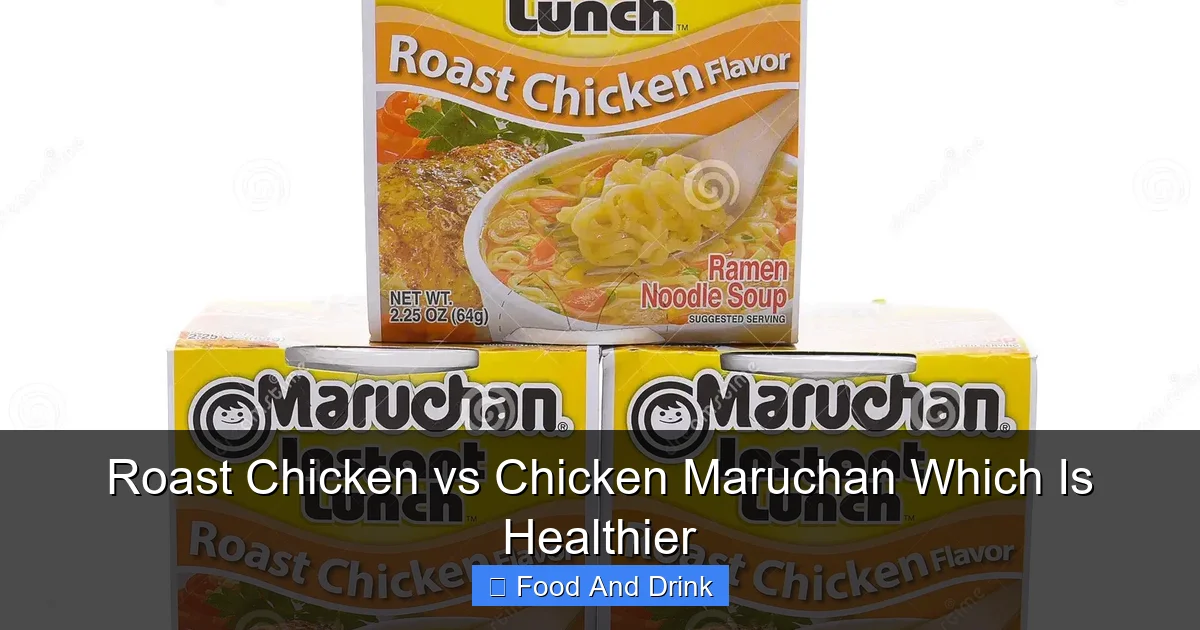
Visual guide about Roast Chicken vs Chicken Maruchan Which Is Healthier
Image source: thumbs.dreamstime.com
Now that we’ve compared the nutrition and ingredients, let’s look at how each food affects your health—both immediately and over time.
Immediate Effects on Energy and Satiety
After eating roast chicken, you’ll likely feel full and energized. The high protein content helps stabilize blood sugar, preventing energy crashes. You’re less likely to reach for snacks an hour later because your body is satisfied.
Chicken Maruchan, on the other hand, can leave you feeling sluggish. The refined carbs cause a quick spike in blood sugar, followed by a crash. The lack of fiber and protein means you’ll be hungry again soon. Plus, the high sodium can make you feel bloated and thirsty.
Long-Term Health Risks
Regular consumption of processed foods like Chicken Maruchan is linked to several chronic health issues. A 2019 study published in *The BMJ* found that people who ate more ultra-processed foods had a higher risk of cardiovascular disease, coronary heart disease, and cerebrovascular disease. Another study in *Nutrients* linked instant noodle consumption to increased risks of obesity, metabolic syndrome, and high blood pressure—especially in women.
Roast chicken, when prepared healthily, supports long-term wellness. It’s associated with better weight management, improved muscle mass, and reduced inflammation. A diet rich in whole proteins like chicken can lower the risk of type 2 diabetes and support heart health.
Impact on Gut Health
Your gut microbiome plays a crucial role in digestion, immunity, and even mood. Whole foods like roast chicken feed beneficial gut bacteria with protein and nutrients. In contrast, processed foods high in sugar, salt, and additives can disrupt the balance of gut flora, leading to bloating, inflammation, and digestive issues.
Maruchan’s lack of fiber and high sodium content can alter gut pH and reduce microbial diversity. Over time, this may contribute to conditions like irritable bowel syndrome (IBS) or leaky gut syndrome.
Convenience and Practicality: Can Roast Chicken Compete?

Visual guide about Roast Chicken vs Chicken Maruchan Which Is Healthier
Image source: cdn.shopify.com
One of the biggest arguments in favor of Chicken Maruchan is convenience. It’s ready in 3–5 minutes, requires no cooking skills, and costs less than a dollar. So, can roast chicken really compete?
Time and Effort
Yes, cooking a whole roast chicken takes time—about 1.5 to 2 hours in the oven. But here’s the thing: you don’t have to do it every day. Roast a chicken on Sunday, and you’ve got meals for the week. Shred the meat for salads, sandwiches, soups, or grain bowls. It’s incredibly versatile.
If you’re short on time, consider these shortcuts:
– Buy a pre-cooked rotisserie chicken from the grocery store.
– Use a slow cooker or Instant Pot to cook chicken with minimal effort.
– Meal prep chicken breasts in bulk and freeze them for later.
Cost Comparison
Chicken Maruchan costs about $0.50 to $1.00 per cup. A whole roast chicken can cost $8–$15, but it yields 3–4 servings. That’s $2–$3.75 per meal—still cheaper than many takeout options and far more nutritious.
Storage and Shelf Life
Maruchan wins on shelf life—it lasts for months unopened. Roast chicken, however, can be stored in the fridge for 3–4 days or frozen for up to 4 months. With proper storage, it’s just as practical for busy lifestyles.
Making Healthier Choices: Tips and Alternatives
You don’t have to give up convenience to eat healthier. Here are some tips to make better choices without sacrificing speed or flavor.
Upgrade Your Instant Noodles
If you love the convenience of instant ramen, try these healthier swaps:
– Choose whole-grain or brown rice noodles.
– Add real protein: toss in a boiled egg, tofu, or leftover grilled chicken.
– Load up on veggies: spinach, mushrooms, carrots, and bok choy add fiber and nutrients.
– Use only half the seasoning packet to cut sodium in half.
– Make your own broth with low-sodium chicken stock and fresh ginger.
Prep Roast Chicken Like a Pro
Make roast chicken a weekly habit with these tips:
– Brine the chicken overnight for juicier meat.
– Season with herbs, garlic, and lemon for flavor without salt.
– Roast with vegetables (carrots, potatoes, onions) for a one-pan meal.
– Save the bones to make homemade chicken broth.
Healthy Swaps for Busy Days
– Keep pre-cooked chicken strips in the freezer for quick meals.
– Use canned beans, lentils, or pre-cooked quinoa for fast protein.
– Stock up on frozen vegetables—they’re just as nutritious as fresh.
Conclusion: Roast Chicken Wins the Health Battle
When it comes to roast chicken vs Chicken Maruchan, the winner is clear: roast chicken is the healthier choice. It’s nutrient-dense, minimally processed, and supports long-term health. While Chicken Maruchan offers convenience and affordability, its high sodium, low protein, and artificial ingredients make it a poor choice for regular consumption.
That doesn’t mean you can never enjoy instant ramen. It’s fine as an occasional treat—just like dessert or chips. But for everyday meals, prioritize whole foods like roast chicken. Your body will thank you with more energy, better digestion, and a lower risk of chronic disease.
The next time you’re tempted to reach for that bright yellow cup, ask yourself: am I feeding my body or just filling my stomach? With a little planning, you can enjoy delicious, nutritious meals that don’t take hours to prepare. Roast chicken isn’t just healthier—it’s tastier, more satisfying, and worth the effort.
Frequently Asked Questions
Is MSG in Chicken Maruchan dangerous?
MSG is generally safe for most people, but some may experience headaches or flushing. It’s not toxic, but limiting intake is wise, especially with frequent consumption.
Can I lose weight eating roast chicken?
Yes, roast chicken is high in protein and low in carbs, making it excellent for weight loss. It helps you feel full and supports muscle retention during calorie deficits.
Does Chicken Maruchan have real chicken?
No, Chicken Maruchan uses artificial chicken flavoring and dried powders, not real chicken meat. The “chicken” taste is chemically replicated.
How long does roast chicken last in the fridge?
Roast chicken can be stored in the refrigerator for 3–4 days. For longer storage, freeze it in airtight containers for up to 4 months.
Is instant ramen linked to health problems?
Yes, regular consumption of instant ramen is associated with higher risks of obesity, high blood pressure, and metabolic syndrome, especially due to high sodium and low nutrient content.
Can I make Chicken Maruchan healthier?
Absolutely. Add vegetables, use only half the seasoning packet, and include a source of real protein like egg or tofu to boost nutrition and reduce sodium impact.


