

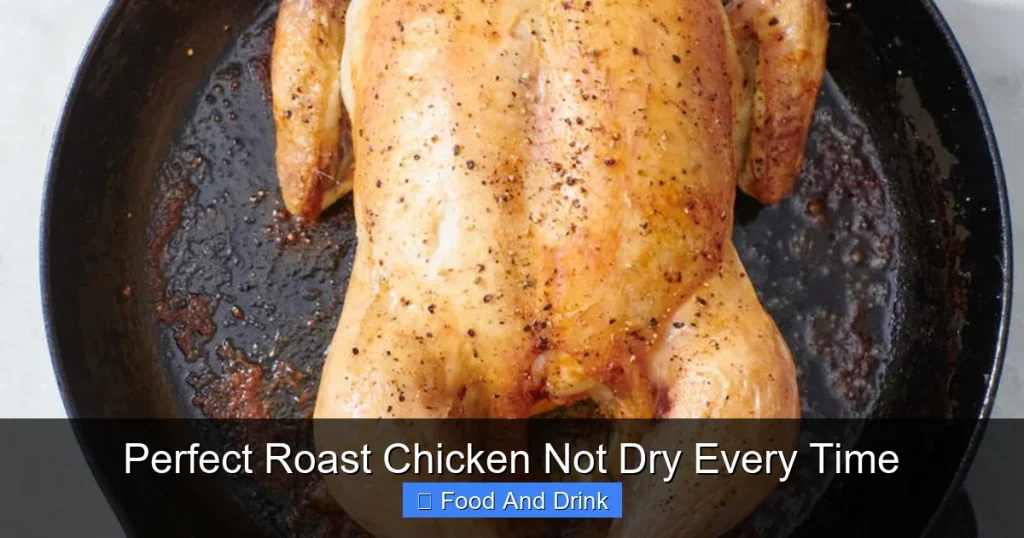

Roast chicken doesn’t have to be dry—ever. With the right techniques, from brining to temperature control, you can serve tender, juicy meat that’s full of flavor. This guide reveals the secrets to consistently perfect roast chicken not dry, whether you’re a beginner or a seasoned cook.
There’s something deeply satisfying about pulling a golden-brown roast chicken out of the oven—crispy skin, rich aroma, and the promise of tender, juicy meat. Yet, for many home cooks, that dream often turns into a dry, stringy disappointment. The truth is, achieving a perfect roast chicken not dry is entirely possible—and not as complicated as you might think. With a few key techniques and a little know-how, you can turn this humble dish into a centerpiece-worthy meal that impresses every time.
The secret lies not in fancy equipment or hard-to-find ingredients, but in understanding how moisture works in poultry and how heat affects it. Chicken, especially the breast meat, has very little fat compared to other meats. Once the internal temperature climbs past 165°F (74°C), the proteins tighten, squeezing out moisture and leaving the meat dry. But don’t worry—this doesn’t mean you have to undercook your chicken. It just means you need to cook it smartly. By controlling temperature, timing, and moisture from start to finish, you can keep every bite succulent and flavorful.
In this guide, we’ll walk you through every step of the process, from selecting the right bird to carving it at the table. Whether you’re cooking for a holiday dinner or a simple weeknight meal, these tips will help you master the art of the juicy roast chicken. You’ll learn why brining works, how to use a meat thermometer correctly, and even how to make the skin extra crispy without sacrificing moisture. Let’s get started on your journey to perfect roast chicken—not dry, not tough, just delicious.
Key Takeaways
- Brining is a game-changer: Soaking chicken in saltwater (wet brine) or using a dry brine locks in moisture and enhances flavor.
- Proper temperature control matters: Roasting at the right temperature and using a meat thermometer ensures even cooking without overcooking.
- Let it rest after cooking: Resting allows juices to redistribute, keeping the meat moist and tender.
- Trussing isn’t just for looks: Tying the legs helps the chicken cook evenly and prevents drying out.
- Use aromatics and fat: Stuffing the cavity with herbs, lemon, and butter adds moisture and depth of flavor.
- Choose the right pan and rack: A roasting rack elevates the chicken, promoting even airflow and crispy skin.
- Don’t skip the basting: Regular basting with pan juices or butter keeps the surface moist during roasting.
Quick Answers to Common Questions
How do I keep roast chicken from drying out?
Brining, using a meat thermometer, and resting the chicken after cooking are the best ways to keep it moist. Avoid overcooking by pulling the chicken out at 160°F and letting it rest.
Should I cover roast chicken while cooking?
No, covering the chicken traps steam and prevents the skin from crisping. Roast it uncovered for the best texture.
Can I roast a chicken from frozen?
It’s not recommended. Frozen chicken cooks unevenly and can lead to food safety issues. Always thaw it in the fridge before roasting.
How long does it take to roast a 5-pound chicken?
At 375°F (190°C), plan for about 75 to 90 minutes. Use a thermometer to check for doneness—breast should reach 160°F before resting.
What’s the best way to reheat leftover roast chicken?
Reheat in the oven at 300°F (150°C) with a bit of broth or butter to keep it moist. Avoid the microwave, which can dry it out.
📑 Table of Contents
Why Roast Chicken Often Turns Dry (And How to Fix It)
One of the most common frustrations in home cooking is pulling a roast chicken out of the oven only to find the breast meat dry and the skin soggy. It’s a tale as old as time—especially for those who rely on visual cues like “golden brown” or “leg wiggles loose” to determine doneness. But these signs are unreliable. The real culprit behind dry roast chicken is overcooking, often caused by inconsistent heat, lack of moisture, or poor timing.
Chicken breast meat, in particular, is lean and cooks faster than the dark meat in the thighs and legs. When the whole bird is roasted at a single temperature, the breast can easily surpass 165°F (74°C)—the USDA-recommended safe temperature—while the legs are still underdone. Once the breast hits 170°F (77°C), it starts to lose significant moisture. That’s why many people end up with dry breast meat and undercooked legs, no matter how carefully they watch the clock.
Another factor is evaporation. As the chicken roasts, moisture escapes from the surface, especially if the skin isn’t protected. Without intervention, this drying effect can leave the meat tough and unappetizing. Additionally, some cooking methods—like roasting at very high heat without any added fat or liquid—accelerate moisture loss.
The good news? These problems are entirely avoidable. The key is to manage heat and moisture throughout the cooking process. Techniques like brining, spatchcocking, and using a meat thermometer can make a world of difference. For example, brining adds moisture to the meat before cooking, giving it a buffer against drying out. Spatchcocking—flattening the chicken by removing the backbone—allows for more even cooking, so the breast and legs finish at the same time. And using a thermometer ensures you stop cooking at the perfect moment, not a second too late.
Let’s say you’re roasting a 4-pound chicken at 425°F (220°C). Without any prep, the breast might hit 170°F in 45 minutes, while the legs are still at 155°F. But if you brine the chicken overnight and roast it on a rack, you can pull it out when the breast reaches 160°F and let it rest—carryover cooking will bring it to 165°F safely, while the legs catch up. The result? Juicy, evenly cooked meat from top to bottom.
Understanding these dynamics is the first step toward mastering roast chicken. It’s not about guessing—it’s about science, timing, and a few smart tricks. Once you get the hang of it, you’ll wonder why you ever settled for dry chicken in the first place.
The Power of Brining: Wet vs. Dry Methods

Visual guide about Perfect Roast Chicken Not Dry Every Time
Image source: theroamingkitchen.net
If there’s one technique that can transform your roast chicken from mediocre to magnificent, it’s brining. Whether you choose a wet brine (soaking in saltwater) or a dry brine (rubbing salt directly on the meat), both methods work by altering the protein structure of the chicken, allowing it to retain more moisture during cooking. This is especially important for lean cuts like the breast, which are most prone to drying out.
How Wet Brining Works
Wet brining involves submerging the chicken in a solution of water, salt, and often sugar, herbs, and spices. The salt penetrates the meat, breaking down some of the proteins and creating a gel-like matrix that holds onto water. As the chicken cooks, this extra moisture is released slowly, keeping the meat juicy even if it’s slightly overcooked.
A basic wet brine recipe includes 1 cup of kosher salt and 1/2 cup of sugar dissolved in 1 gallon of cold water. You can add aromatics like garlic, peppercorns, bay leaves, or citrus peels for extra flavor. Submerge the chicken (whole or cut-up) in the brine and refrigerate for 4 to 12 hours. Don’t go longer than 12 hours, or the meat can become too salty and mushy.
One practical tip: use a brining bag or a large food-safe container with a lid. Make sure the chicken is fully submerged—you can weigh it down with a plate if needed. After brining, rinse the chicken thoroughly and pat it dry before roasting. The skin will crisp up better when it’s dry.
Dry Brining: Simpler and Just as Effective
Dry brining, also known as salting, is even easier. Simply rub kosher salt (about 1 teaspoon per pound of chicken) all over the bird, including under the skin. Let it sit uncovered in the fridge for at least 4 hours, or ideally overnight. The salt draws out moisture initially, but then gets reabsorbed along with the flavors, seasoning the meat deeply and improving texture.
The advantage of dry brining? No rinsing required, and the chicken dries out on the surface, which helps achieve crispy skin. Plus, it’s less messy than dealing with a big container of brine. Many professional chefs prefer dry brining for its simplicity and consistent results.
Which Method Should You Choose?
Both methods work well, but they suit different needs. Wet brining is great if you want to infuse extra flavor with herbs and spices, or if you’re cooking a larger bird that might benefit from more moisture. Dry brining is ideal for weeknight cooking—quick, no-fuss, and perfect for achieving that golden, crackling skin.
For example, if you’re hosting a dinner party and want to impress, try a wet brine with rosemary, thyme, and orange zest. If you’re roasting chicken on a Tuesday after work, a dry brine with just salt and pepper will do the trick. Either way, you’ll end up with a roast chicken not dry, but bursting with flavor and juiciness.
Mastering Temperature and Timing
Visual guide about Perfect Roast Chicken Not Dry Every Time
Image source: theroamingkitchen.net
Cooking roast chicken is as much about timing as it is about temperature. Getting both right is the key to juicy meat and crispy skin. The biggest mistake most people make is relying on time alone—“roast for 1 hour”—without considering the size of the bird, the oven’s accuracy, or the starting temperature of the meat.
The Role of a Meat Thermometer
A meat thermometer is your best friend when roasting chicken. It takes the guesswork out of cooking and ensures you hit the perfect internal temperature without overdoing it. The USDA recommends cooking poultry to 165°F (74°C), but for the juiciest results, aim to pull the chicken out when the thickest part of the breast reaches 160°F (71°C). The temperature will rise 5 degrees during resting—this is called carryover cooking—bringing it safely to 165°F.
Insert the thermometer into the thickest part of the breast, avoiding the bone. For the thighs, check the temperature in the center, near the joint. The legs can handle a slightly higher temperature—up to 175°F (80°C)—without drying out, so they’ll be tender and juicy when the breast is perfect.
Roasting Temperatures: High vs. Low
There’s a debate in the cooking world: high heat for crispy skin or low heat for even cooking? The answer? A combination of both.
Start by roasting at a high temperature—425°F to 450°F (220°C to 230°C)—for the first 20 to 30 minutes. This quickly renders fat under the skin and crisps it up. Then, reduce the heat to 350°F to 375°F (175°C to 190°C) for the remainder of the cooking time. This slower finish allows the heat to penetrate evenly without overcooking the breast.
Alternatively, you can roast the entire time at 375°F (190°C) for a more gentle cook. This method takes longer but reduces the risk of hot spots and overcooking. It’s especially good for larger birds or if you’re new to roasting.
Timing Tips by Weight
As a general rule, plan for about 15 to 20 minutes per pound at 375°F (190°C). But always use a thermometer to confirm doneness. A 4-pound chicken might take 60 to 80 minutes, while a 6-pound bird could need 90 minutes or more.
Let’s say you’re roasting a 5-pound chicken. Start at 425°F for 25 minutes, then reduce to 375°F. Check the temperature after 60 minutes. If the breast is at 155°F, give it another 10 to 15 minutes. When it hits 160°F, remove it from the oven and let it rest.
Techniques for Juicy Meat and Crispy Skin
Visual guide about Perfect Roast Chicken Not Dry Every Time
Image source: theroamingkitchen.net
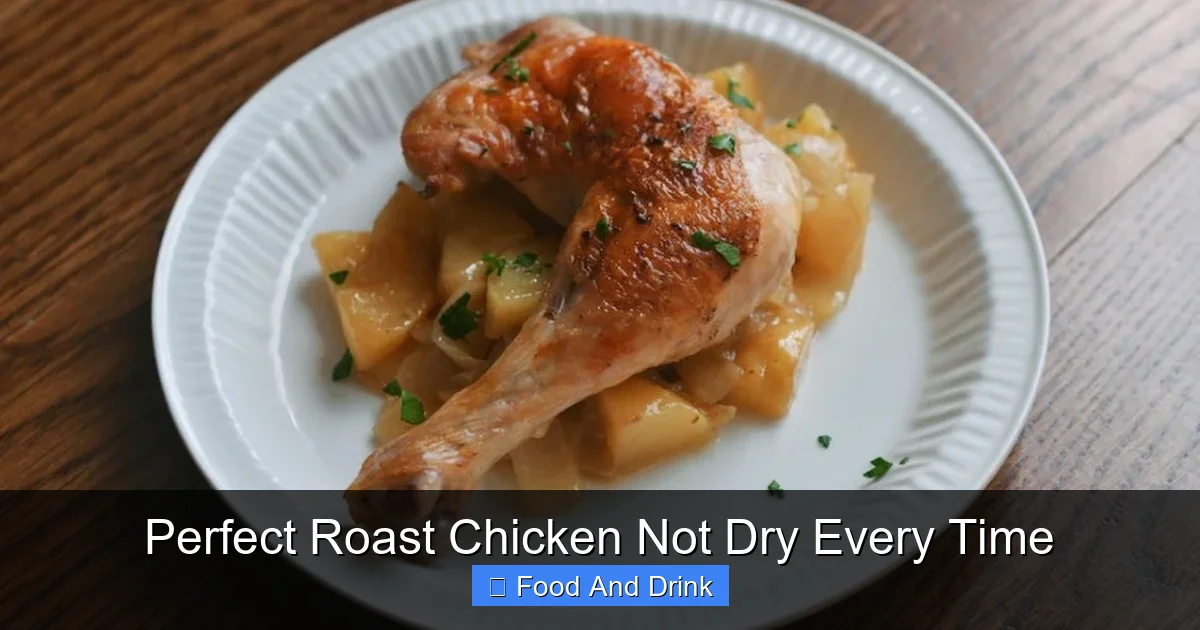
Achieving both juicy meat and crispy skin might seem like a balancing act, but with the right techniques, it’s entirely possible. The secret is managing moisture on the surface while keeping the interior moist.
Pat It Dry Before Roasting
Moisture on the skin is the enemy of crispiness. After brining or salting, always pat the chicken dry with paper towels—inside and out. For extra insurance, let it air-dry in the fridge uncovered for a few hours or overnight. This step is crucial for achieving that golden, crackling skin.
Use a Roasting Rack
Place the chicken on a roasting rack set inside a pan. This elevates the bird, allowing hot air to circulate underneath and preventing the bottom from steaming in its own juices. A wire rack works best, but if you don’t have one, you can create a makeshift version with chopped vegetables like carrots, onions, and celery. They’ll absorb drippings and add flavor to your pan sauce.
Baste for Moisture and Flavor
Basting—spooning pan juices or melted butter over the chicken every 20 to 30 minutes—keeps the surface moist and promotes even browning. Use a basting brush or a spoon, and be gentle to avoid tearing the skin. For extra richness, mix butter with herbs like thyme or rosemary before basting.
Spatchcocking for Even Cooking
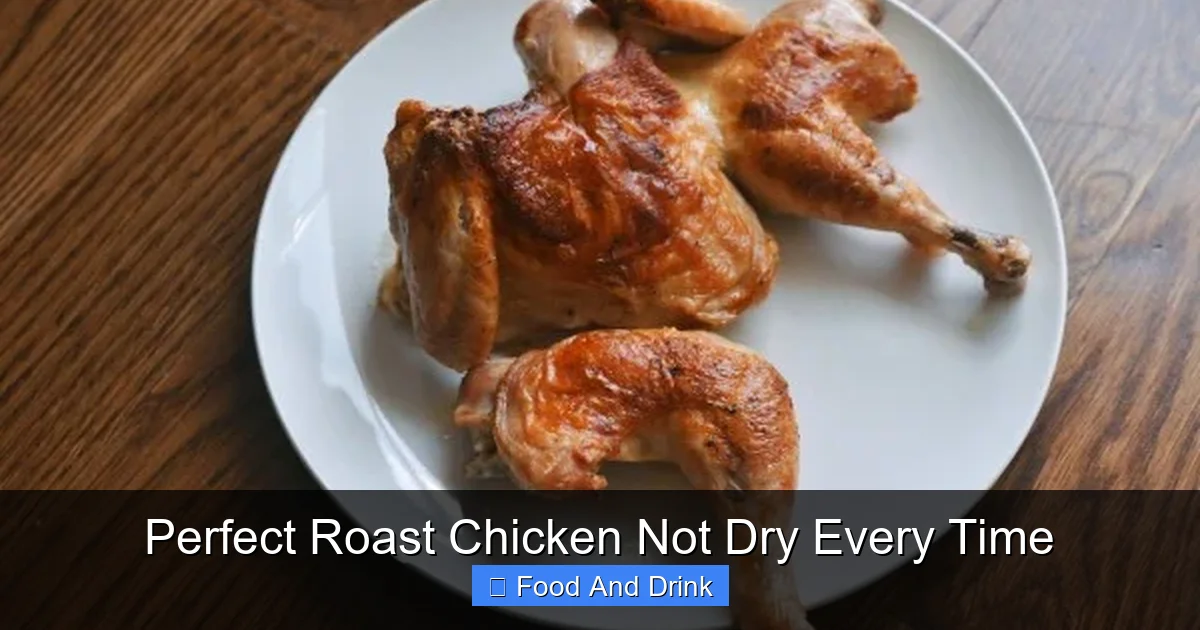
Spatchcocking, or butterflying, involves removing the backbone and flattening the chicken. This technique exposes more surface area to heat, allowing the breast and legs to cook at the same rate. It also reduces cooking time and ensures crispy skin all over.
To spatchcock, place the chicken breast-side down and use kitchen shears to cut along both sides of the backbone. Flip it over and press down firmly on the breastbone to flatten. Roast at 450°F (230°C) for 40 to 50 minutes, until the breast reaches 160°F.
Resting: The Final Step for Juicy Chicken
Many people skip this step, eager to carve and serve. But resting is just as important as cooking. When you remove the chicken from the oven, the juices are still moving. If you cut into it immediately, those juices will spill out, leaving the meat dry.
How Long to Rest
Let the chicken rest for at least 15 to 20 minutes, tented loosely with foil. This allows the proteins to relax and the juices to redistribute throughout the meat. The internal temperature will also continue to rise slightly, ensuring safe doneness.
Carve with Care
Use a sharp knife to carve the chicken. Start by removing the legs and wings, then slice the breast meat against the grain. Serve immediately for the best texture and flavor.
Serving and Storing Leftovers
A perfect roast chicken not dry deserves a great presentation. Serve it with roasted vegetables, mashed potatoes, or a fresh salad. Save the carcass for making homemade stock—it’s packed with flavor and nutrients.
Store leftovers in an airtight container in the fridge for up to 4 days. Reheat gently in the oven at 300°F (150°C) with a splash of broth to keep it moist. You can also shred the meat for tacos, salads, or sandwiches.
Perfect roast chicken is within your reach. With these tips, you’ll never serve dry chicken again.
Frequently Asked Questions
What is the best temperature to roast chicken?
The ideal roasting temperature is 375°F (190°C) for even cooking. You can start at 425°F (220°C) for crispy skin, then reduce the heat.
How do I know when roast chicken is done?
Use a meat thermometer. The breast should reach 160°F (71°C) and the thighs 175°F (80°C). The temperature will rise during resting.
Can I brine a chicken for too long?
Yes, wet brining for more than 12 hours can make the meat mushy. Dry brining is safer for longer periods—up to 24 hours.
Why is my roast chicken skin soggy?
Soggy skin is usually caused by moisture on the surface or roasting without a rack. Pat the chicken dry and use a roasting rack for crispiness.
Should I truss my roast chicken?
Trussing helps the chicken cook evenly and keeps the legs from drying out. Use kitchen twine to tie the legs together and tuck the wings under.
Can I use a roasting bag for juicier chicken?
Roasting bags can help retain moisture, but they prevent crispy skin. For the best of both worlds, use a bag for the first half of cooking, then finish uncovered.


