Grilled chicken salad is a popular, healthy meal choice packed with lean protein and fresh veggies. But while it offers many benefits like weight management and heart health, it can also come with downsides such as high sodium, hidden fats, and food safety risks if not prepared properly.
Grilled chicken salad has become a go-to meal for health-conscious eaters, busy professionals, and fitness enthusiasts alike. It’s light yet satisfying, colorful, and easy to prepare—either at home or ordered from a restaurant. Whether you’re trying to eat cleaner, lose weight, or simply enjoy a fresh, flavorful dish, grilled chicken salad seems like a no-brainer. But like any food choice, it comes with both advantages and drawbacks that are worth understanding.
At first glance, grilled chicken salad appears to be the epitome of healthy eating. It combines lean protein from grilled chicken breast with a variety of fresh vegetables, often topped with a light dressing. This combination delivers a balanced mix of macronutrients and micronutrients, making it a smart choice for many diets. However, the reality can be more complicated. The nutritional value of your grilled chicken salad depends heavily on how it’s prepared, what ingredients are added, and where it’s sourced. A salad loaded with creamy dressing, bacon bits, cheese, and fried toppings can quickly surpass the calorie count of a burger. Meanwhile, pre-packaged or restaurant versions may contain hidden sodium, preservatives, or even unsafe handling practices.
In this article, we’ll dive deep into the pros and cons of grilled chicken salad so you can make informed decisions about when and how to enjoy it. We’ll explore its nutritional benefits, weight management advantages, and culinary versatility, while also addressing concerns like hidden calories, sodium content, and food safety. By the end, you’ll have a clear picture of whether grilled chicken salad truly deserves its reputation as a healthy staple—and how to enjoy it in the smartest way possible.
Key Takeaways
- High in lean protein: Grilled chicken provides essential amino acids that support muscle growth and repair without excess fat.
Combined with leafy greens and colorful vegetables, it delivers vitamins A, C, K, and folate, plus fiber and antioxidants. - Supports weight management: Low in calories and high in satiety, it helps control appetite and reduce overeating.
- Customizable and versatile: You can tailor ingredients to fit dietary needs like keto, gluten-free, or plant-forward eating.
- Potential for hidden calories: Creamy dressings, cheese, croutons, and fried toppings can turn a healthy salad into a calorie bomb.
- Sodium and preservative concerns: Pre-packaged or restaurant versions often contain high sodium and additives, which may affect blood pressure and long-term health.
- Food safety risks: Improper handling of raw chicken or cross-contamination can lead to foodborne illness if not managed carefully.
Quick Answers to Common Questions
Is grilled chicken salad good for weight loss?
Yes, grilled chicken salad can support weight loss due to its high protein and fiber content, which promote fullness and reduce overall calorie intake.
Can I eat grilled chicken salad every day?
You can, but it’s best to vary your meals to ensure a balanced intake of nutrients from different food groups.
What’s the healthiest dressing for grilled chicken salad?
Olive oil and vinegar, lemon juice, or balsamic vinaigrette are healthier choices than creamy dressings like ranch or Caesar.
Is restaurant grilled chicken salad healthy?
It can be, but many restaurant versions are high in sodium, calories, and unhealthy fats—always check the nutrition info and ask for dressing on the side.
How do I prevent cross-contamination when making grilled chicken salad?
Use separate cutting boards and utensils for raw chicken, cook it to 165°F, and clean all surfaces thoroughly after handling.
📑 Table of Contents
Nutritional Benefits of Grilled Chicken Salad
One of the biggest reasons people turn to grilled chicken salad is its impressive nutritional profile. When prepared with care, this dish can be a powerhouse of essential nutrients that support overall health and well-being.
High-Quality Lean Protein
Grilled chicken breast is one of the best sources of lean protein available. A 3-ounce serving provides about 26 grams of protein with minimal fat—especially if the skin is removed. Protein is crucial for building and repairing tissues, supporting immune function, and maintaining muscle mass, especially as we age. Unlike red or processed meats, grilled chicken is lower in saturated fat, making it a heart-healthier option. Plus, because it’s grilled rather than fried, it avoids the extra calories and unhealthy trans fats that come with deep-frying.
Rich in Essential Vitamins and Minerals
When you pair grilled chicken with a variety of vegetables, the nutritional value skyrockets. Leafy greens like spinach, kale, and romaine are loaded with vitamins A, C, and K, as well as folate and iron. Adding colorful veggies—such as bell peppers, tomatoes, cucumbers, and carrots—boosts your intake of antioxidants like beta-carotene and lycopene, which help fight inflammation and protect cells from damage. Many people don’t get enough fiber in their diets, but a well-balanced salad can deliver a solid dose, especially if you include ingredients like beans, avocado, or whole grains.
Low in Calories, High in Satiety
One of the standout benefits of grilled chicken salad is its ability to fill you up without weighing you down. Because it’s high in protein and fiber and low in refined carbohydrates, it helps stabilize blood sugar levels and keeps hunger at bay. This makes it an excellent choice for people managing their weight or trying to avoid energy crashes throughout the day. A typical homemade grilled chicken salad with olive oil and vinegar dressing might contain only 300–400 calories, yet leave you feeling satisfied for hours.
Supports Heart and Metabolic Health
The combination of lean protein, healthy fats (like those from olive oil or avocado), and fiber-rich vegetables contributes to better cardiovascular health. Studies show that diets high in plant-based foods and lean proteins are linked to lower risks of heart disease, high cholesterol, and type 2 diabetes. Grilled chicken, in particular, provides B vitamins like niacin and B6, which support metabolism and nerve function.
Weight Management and Satiety Advantages
Visual guide about Pros and Cons of Grilled Chicken Salad You Should Know
Image source: joyfullymad.com
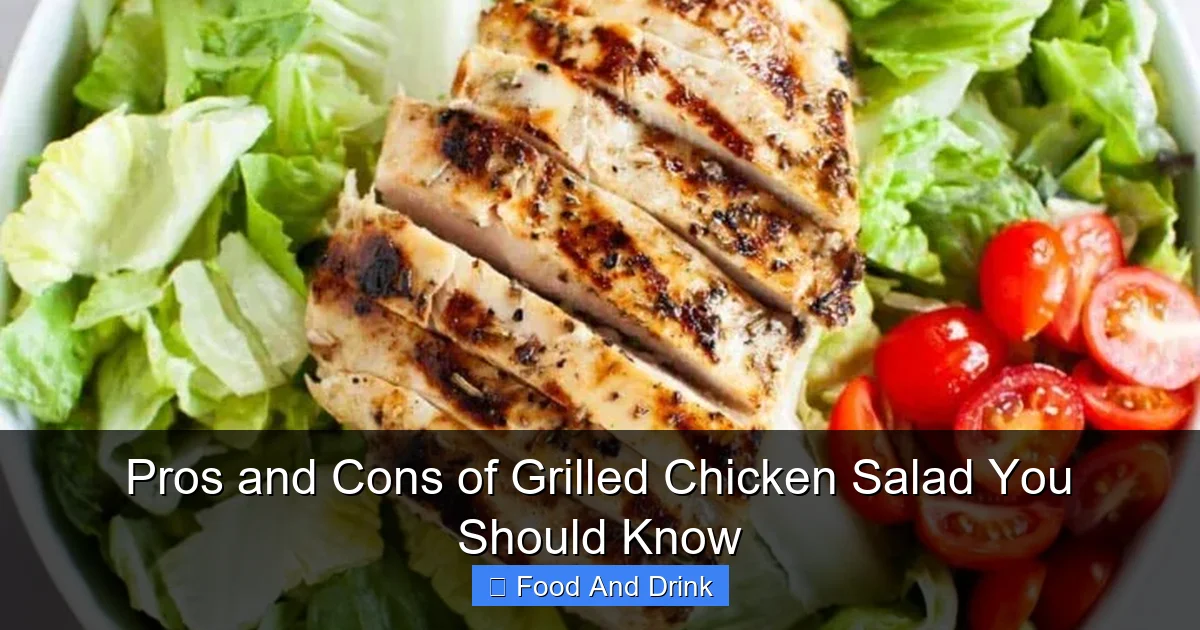
If you’re looking to manage your weight or maintain a healthy body composition, grilled chicken salad can be a powerful ally. Its unique combination of nutrients makes it one of the most effective meals for promoting satiety and reducing overall calorie intake.
Keeps You Full Longer
Protein is the most satiating macronutrient, and grilled chicken delivers it in spades. When you eat protein, your body releases hormones like peptide YY and GLP-1, which signal fullness to your brain. This means you’re less likely to snack between meals or overeat at your next meal. Unlike carb-heavy meals that can cause blood sugar spikes and crashes, a grilled chicken salad helps maintain steady energy levels, reducing cravings for sugary or fatty foods.
Low-Calorie Density
Salads are naturally low in calorie density—meaning they provide a lot of volume for relatively few calories. This allows you to eat a large portion without consuming excess energy. For example, a big bowl of mixed greens with grilled chicken, cucumbers, and tomatoes might have only 350 calories but feel as filling as a 600-calorie pasta dish. This principle is key in weight loss strategies like the Volumetrics diet, which emphasizes eating more low-calorie, high-volume foods.
Flexible for Various Diets
Grilled chicken salad is incredibly adaptable to different dietary needs. Whether you’re following a low-carb, keto, Mediterranean, or plant-based diet (with added plant proteins), you can customize your salad to fit. Swap croutons for nuts, use olive oil instead of creamy dressings, or add quinoa for extra fiber and protein. This flexibility makes it easy to stick to your health goals without feeling deprived.
Helps Prevent Overeating
Because salads are typically eaten slowly—chewing each bite thoroughly—they give your brain time to register fullness. This mindful eating approach can prevent overeating, which is a common issue with fast food or highly processed meals. Plus, the visual appeal of a colorful salad can enhance satisfaction, making you feel more content with your meal.
Versatility and Customization Options

Visual guide about Pros and Cons of Grilled Chicken Salad You Should Know
Image source: joyfullymad.com
One of the greatest strengths of grilled chicken salad is how easily it can be tailored to suit personal tastes, dietary restrictions, and nutritional goals. From flavor profiles to ingredient swaps, the possibilities are nearly endless.
Endless Flavor Combinations
You can transform a basic grilled chicken salad into a gourmet meal with just a few tweaks. Try adding Mediterranean flavors with feta cheese, olives, and a lemon-herb vinaigrette. Or go Asian-inspired with edamame, shredded carrots, mandarin oranges, and a ginger-soy dressing. For a Southwestern twist, include black beans, corn, avocado, and a lime-cilantro dressing. The key is balancing textures and flavors—crunchy, creamy, sweet, and tangy—to keep each bite interesting.
Adaptable to Dietary Needs
Grilled chicken salad is naturally gluten-free, making it a safe option for those with celiac disease or gluten sensitivity. It’s also easy to make dairy-free by skipping cheese or using plant-based alternatives. For vegans or vegetarians, simply replace the chicken with grilled tofu, tempeh, or chickpeas. Low-carb and keto dieters can avoid starchy toppings like croutons or dried fruit and focus on high-fat additions like avocado, nuts, and olive oil.
Seasonal and Local Ingredients
One of the joys of making grilled chicken salad at home is the ability to use fresh, seasonal produce. In the summer, load up on juicy tomatoes, crisp cucumbers, and sweet corn. In the fall and winter, swap in roasted squash, kale, and pomegranate seeds. Using local, in-season ingredients not only enhances flavor but also supports sustainability and reduces your carbon footprint.
Meal Prep Friendly
Grilled chicken salad is ideal for meal prepping. Cook a batch of chicken breasts on Sunday, chop your favorite veggies, and store them in separate containers. Assemble your salads throughout the week for quick, healthy lunches. Just keep dressings on the side to prevent sogginess. This convenience makes it easier to stick to healthy eating habits, even on busy days.
Potential Downsides and Hidden Pitfalls
Visual guide about Pros and Cons of Grilled Chicken Salad You Should Know
Image source: contentednesscooking.com
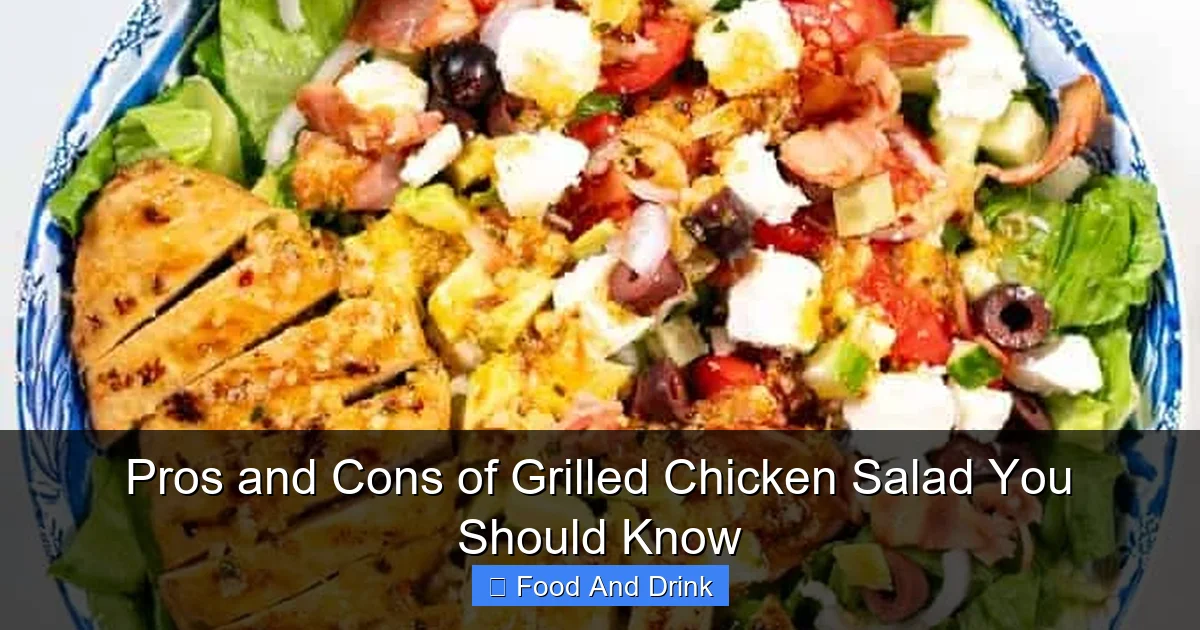
Despite its many benefits, grilled chicken salad isn’t always the health hero it’s made out to be. Several factors can turn this nutritious dish into a less-than-ideal choice, especially when eating out or relying on pre-made versions.
Hidden Calories from Toppings and Dressings
The biggest trap with grilled chicken salad is the toppings. While the base may be healthy, additions like creamy ranch or Caesar dressing, bacon bits, cheese, croutons, and fried onions can add hundreds of extra calories and grams of fat. A single tablespoon of ranch dressing can contain 70–100 calories and 7–10 grams of fat. Multiply that by two or three tablespoons, and you’ve added the equivalent of a small dessert. Similarly, a handful of croutons or shredded cheese can easily push your salad over 600 calories—more than some fast-food burgers.
High Sodium Content
Sodium is another hidden villain. Pre-packaged salads, restaurant versions, and even some store-bought dressings are often loaded with salt to enhance flavor and preserve freshness. A single grilled chicken salad from a popular chain can contain over 1,000 mg of sodium—nearly half the recommended daily limit. Excess sodium intake is linked to high blood pressure, stroke, and heart disease, especially in salt-sensitive individuals.
Risk of Cross-Contamination
Food safety is a serious concern, particularly with grilled chicken. If raw chicken isn’t handled properly—whether at home or in a restaurant—it can lead to cross-contamination with other ingredients like lettuce or tomatoes. Bacteria like Salmonella and Campylobacter are common in undercooked or mishandled poultry and can cause food poisoning. Always ensure chicken is cooked to an internal temperature of 165°F (74°C) and that cutting boards, utensils, and surfaces are cleaned thoroughly.
Quality of Ingredients Varies
Not all grilled chicken salads are created equal. Some restaurants use pre-cooked, processed chicken that’s high in sodium and preservatives. Others may use lower-quality vegetables that are wilted or lacking in nutrients. When eating out, it’s hard to know exactly what you’re getting. Even “healthy” menu items can be deceptive—marketing can make a salad sound nutritious while hiding unhealthy ingredients.
Potential for Monotony
While grilled chicken salad is versatile, relying on it too heavily can lead to dietary boredom. Eating the same meal repeatedly may cause you to miss out on a variety of nutrients found in other foods. It’s important to rotate your meals and include different proteins, grains, and vegetables to ensure a well-rounded diet.
Making Healthier Choices: Tips and Tricks
The good news is that most of the downsides of grilled chicken salad can be avoided with a few smart strategies. With a little planning and awareness, you can enjoy this dish as a truly healthy option.
Choose the Right Dressing
Opt for oil-based dressings like olive oil and vinegar, lemon juice, or balsamic vinaigrette instead of creamy versions. These are lower in calories and often contain heart-healthy fats. You can also make your own at home with simple ingredients—olive oil, Dijon mustard, honey, and herbs—for better control over sodium and sugar.
Load Up on Veggies
Make vegetables the star of your salad. Aim to fill at least half your plate with a variety of colorful produce. The more diverse your veggies, the broader the range of nutrients you’ll consume. Add spinach, arugula, shredded carrots, bell peppers, broccoli, and radishes for crunch and flavor.
Watch the Toppings
Be mindful of high-calorie add-ons. Instead of bacon and cheese, try grilled vegetables, nuts, seeds, or a small amount of avocado for healthy fats. Use croutons sparingly or replace them with toasted nuts or seeds for crunch without the refined carbs.
Grill Chicken Safely at Home
If you’re preparing grilled chicken at home, marinate it in herbs, citrus, or yogurt for flavor without added salt. Use a meat thermometer to ensure it reaches 165°F. Clean all surfaces and utensils that come into contact with raw chicken to prevent cross-contamination.
Read Labels When Eating Out
When ordering grilled chicken salad at a restaurant, ask for dressing on the side and request no added salt or cheese. Check nutrition information if available—many chains now provide calorie and sodium counts online. Choose grilled over fried proteins and skip the bacon or fried toppings.
Balance Your Plate
While grilled chicken salad is healthy, it shouldn’t be your only meal. Pair it with a small whole grain roll, a side of fruit, or a handful of nuts to round out your nutrition. This helps ensure you’re getting enough carbohydrates, healthy fats, and variety in your diet.
Conclusion
Grilled chicken salad is a nutritious, satisfying, and versatile meal that can play a valuable role in a healthy diet. Its high protein content, rich array of vitamins and minerals, and low calorie density make it an excellent choice for weight management, heart health, and overall wellness. When prepared thoughtfully—with fresh ingredients, lean protein, and smart toppings—it’s a delicious way to fuel your body.
However, it’s important to be aware of the potential pitfalls. Hidden calories from dressings and toppings, high sodium levels, and food safety risks can undermine its health benefits, especially in restaurant or pre-packaged versions. By making informed choices—like choosing oil-based dressings, loading up on vegetables, and grilling chicken safely at home—you can enjoy all the pros of grilled chicken salad while minimizing the cons.
Ultimately, grilled chicken salad isn’t a magic bullet for health, but it can be a powerful tool when used wisely. Whether you’re meal prepping for the week, dining out, or cooking for your family, understanding the pros and cons of grilled chicken salad empowers you to make choices that support your long-term well-being. So go ahead—toss that salad with confidence, knowing exactly what you’re getting and how to make it work for you.
Frequently Asked Questions
Is grilled chicken salad high in protein?
Yes, grilled chicken salad is high in protein, especially when made with a skinless chicken breast. A typical serving can provide 25–30 grams of high-quality protein.
Can grilled chicken salad help with muscle building?
Absolutely. The lean protein in grilled chicken supports muscle repair and growth, making it a great post-workout meal when paired with healthy carbs and fats.
What are some healthy toppings for grilled chicken salad?
Try adding avocado, nuts, seeds, grilled vegetables, beans, or fresh herbs. Avoid fried toppings, excess cheese, and creamy dressings.
Is it safe to eat grilled chicken salad while pregnant?
Yes, as long as the chicken is fully cooked and the salad ingredients are fresh and properly washed. Avoid pre-packaged salads due to listeria risk.
How many calories are in a typical grilled chicken salad?
A homemade version with olive oil dressing usually has 300–400 calories, but restaurant versions can exceed 600–800 calories depending on toppings.
Can I freeze grilled chicken salad?
It’s not recommended to freeze assembled salads, as the vegetables will become soggy. However, you can freeze cooked grilled chicken and thaw it later for fresh salads.