



Master the art of juicy, flavorful roast chicken with proven techniques that lock in moisture and enhance taste. From brining to proper resting, this guide covers everything you need for restaurant-quality results at home.
There’s something deeply comforting about the smell of a roast chicken wafting through the kitchen. The golden-brown skin, the savory aroma of herbs and garlic, and the promise of tender, juicy meat—it’s a classic dish that never goes out of style. But let’s be honest: not every roast chicken turns out perfect. Sometimes it’s dry, underseasoned, or unevenly cooked. That’s why learning how to keep roast chicken juicy and flavorful every time is such a valuable skill.
The good news? With a few simple techniques and a little planning, you can consistently roast a chicken that’s moist, flavorful, and impressive enough for guests—or just a cozy family dinner. It’s not about fancy equipment or complicated recipes. It’s about understanding how heat, salt, and time work together to transform a raw bird into a delicious meal. Whether you’re a beginner or a seasoned cook, these tips will help you elevate your roast chicken game.
Key Takeaways
- Brining is a game-changer: Soaking chicken in saltwater (wet brine) or salt rub (dry brine) adds moisture and flavor deep into the meat.
- Patience pays off with dry brining: Salting the chicken 12–24 hours before roasting draws out moisture, then reabsorbs it, seasoning the meat thoroughly.
- High heat at the start seals in juices: Begin roasting at 425°F (220°C) for 15–20 minutes, then reduce to 350°F (175°C) to cook evenly without drying out.
- Use a meat thermometer: Cook to an internal temperature of 165°F (74°C) in the thickest part of the thigh to avoid overcooking.
- Rest the chicken properly: Let it rest for 15–20 minutes after roasting so juices redistribute, keeping every bite succulent.
- Add aromatics and fat: Stuff the cavity with lemon, garlic, and herbs, and baste with butter or oil for extra richness and flavor.
- Roast on a rack: Elevating the chicken ensures even heat circulation and crispy skin all around.
Quick Answers to Common Questions
Should I brine my roast chicken?
Yes! Brining (wet or dry) adds moisture and flavor, helping keep roast chicken juicy and flavorful every time.
What temperature should roast chicken reach?
Cook roast chicken to an internal temperature of 165°F (74°C) in the thickest part of the thigh for safe, juicy results.
How long should I let roast chicken rest?
Let it rest for 15–20 minutes after roasting so juices redistribute and the meat stays moist.
Can I roast chicken without a rack?
Yes, but using a rack promotes even browning and prevents the bottom from steaming. If you don’t have one, elevate the chicken with vegetables like onions or carrots.
How do I make the skin crispy?
Dry brining, patting the skin completely dry, and starting with high heat (425°F) helps achieve crispy, golden skin.
📑 Table of Contents
Why Roast Chicken Often Turns Out Dry (And How to Fix It)
One of the most common complaints about roast chicken is that it turns out dry, especially in the breast meat. This happens for a few key reasons: overcooking, lack of moisture retention, and poor seasoning. The breast meat, which is lean and cooks faster than the dark meat in the thighs, is especially prone to drying out.
Overcooking is the number one culprit. Chicken breast reaches a safe internal temperature (165°F or 74°C) before the thighs do. If you cook the whole bird until the thighs are done, the breast often ends up overdone and tough. Another issue is that chicken loses moisture during cooking—up to 30% of its weight can evaporate if not handled properly.
The solution? Focus on moisture retention and even cooking. Techniques like brining, dry brining, and using a meat thermometer can make a huge difference. Also, starting with a high-heat roast helps seal in juices, while lowering the temperature partway through ensures even cooking without drying out the breast.
The Science of Moisture Loss
When chicken cooks, the proteins in the muscle fibers tighten and squeeze out moisture—this is called syneresis. The hotter and longer you cook the meat, the more moisture is lost. That’s why slow-roasting at low temperatures can sometimes backfire if the chicken spends too long in the oven.
To combat this, you need to either add moisture (like with brining) or reduce the amount of moisture lost during cooking. Brining does both: it adds water and salt to the meat, which helps the proteins retain more liquid during cooking. Dry brining (salting in advance) also improves moisture retention by breaking down proteins and allowing the meat to reabsorb the salted liquid.
Common Mistakes to Avoid
– Cooking straight from the fridge: Cold chicken roasts unevenly. Let it sit at room temperature for 30–60 minutes before cooking.
– Skipping the thermometer: Guessing doneness leads to overcooking. Always use a meat thermometer.
– Not resting the chicken: Cutting into the bird immediately after roasting lets all the juices spill out. Resting allows them to settle back into the meat.
– Using a cold roasting pan: A cold pan can cause the chicken to steam instead of roast. Preheat your pan or use a rack to promote browning.
Brining: The Secret to Juicy Roast Chicken
Visual guide about Keep Roast Chicken Juicy and Flavorful Every Time
Image source: stellanspice.com
If you want to keep roast chicken juicy and flavorful every time, brining should be your go-to technique. Brining involves soaking the chicken in a saltwater solution (wet brine) or rubbing it with salt and letting it sit (dry brine). Both methods infuse the meat with moisture and flavor, resulting in a more tender and succulent roast.
Wet Brining: The Classic Method
Wet brining is simple: dissolve salt (and optionally sugar, herbs, and spices) in water, then submerge the chicken for several hours or overnight. The salt helps the meat retain water during cooking, while the seasonings add flavor throughout.
To make a basic wet brine:
– Use 1 cup of kosher salt per gallon of water.
– Add optional ingredients like black peppercorns, garlic, bay leaves, thyme, or apple cider for extra flavor.
– Submerge the chicken (whole or parts) in the brine and refrigerate for 4–12 hours. Don’t go longer than 12 hours, or the meat can become too salty or mushy.
After brining, rinse the chicken and pat it dry before roasting. The skin may not get as crispy as with dry brining, but the meat will be incredibly juicy.
Dry Brining: The Flavor-Boosting Hack
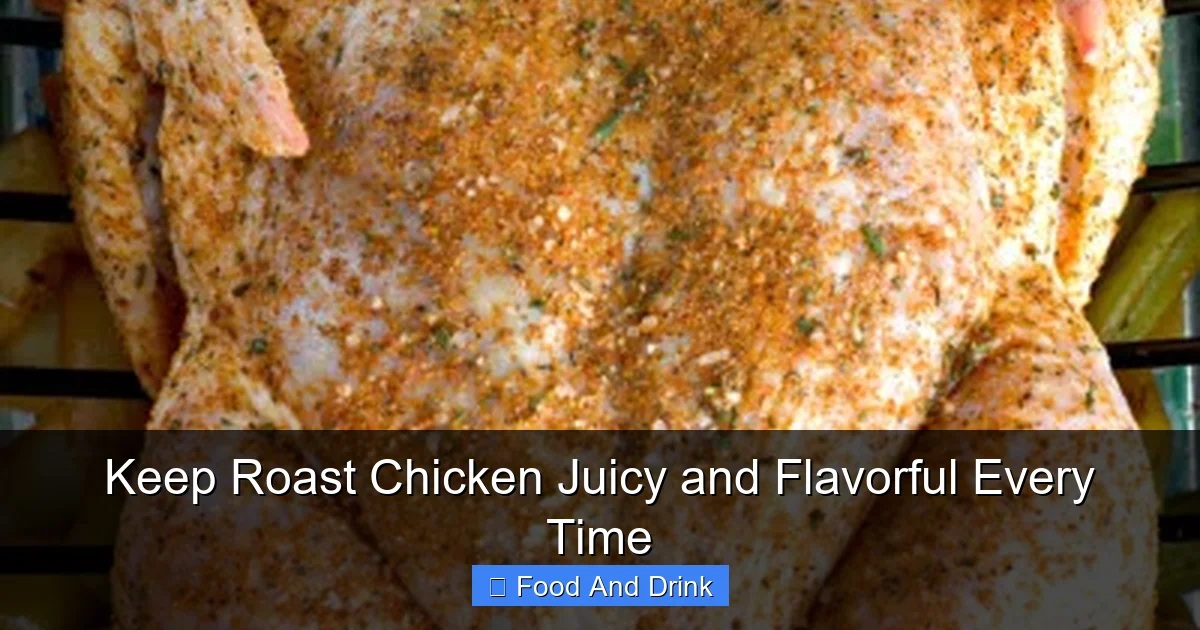
Dry brining is even easier and often preferred by professional chefs. Simply rub the chicken generously with salt (about 1 teaspoon per pound) and let it sit uncovered in the fridge for 12–24 hours. The salt draws out moisture, which then dissolves the salt and gets reabsorbed into the meat—a process called osmosis and diffusion.
The benefits of dry brining:
– Deeply seasons the meat, not just the surface.
– Dries out the skin, leading to crispier results.
– Requires no extra containers or cleanup.
For extra flavor, mix the salt with herbs like rosemary, thyme, or smoked paprika. You can also add a little sugar to balance the saltiness.
Which Brining Method Is Best?
It depends on your goals. If you prioritize maximum juiciness and don’t mind slightly less crispy skin, go with wet brining. If you want bold flavor and crispy skin, dry brining is the winner. Many cooks use a hybrid approach: dry brine for 12 hours, then pat dry and roast.
Mastering the Roasting Process

Visual guide about Keep Roast Chicken Juicy and Flavorful Every Time
Image source: stellanspice.com
Once your chicken is brined and seasoned, the roasting process is where the magic happens. The goal is to cook the chicken evenly, develop a golden-brown crust, and retain as much moisture as possible.
Preheat and Prep
Start by preheating your oven to 425°F (220°C). This high initial heat helps sear the skin and lock in juices. While the oven heats, take the chicken out of the fridge and let it sit at room temperature for 30–60 minutes. This ensures even cooking.
Pat the chicken completely dry with paper towels—moisture on the skin prevents browning. If you dry-brined, the skin should already be quite dry.
Seasoning and Trussing
Season the chicken inside and out with salt, pepper, and your favorite herbs. A simple mix of olive oil, garlic powder, onion powder, and paprika works well. For extra flavor, stuff the cavity with aromatics like:
– Half a lemon
– A few garlic cloves
– Fresh herbs (rosemary, thyme, sage)
– Onion wedges
Trussing (tying the legs together with kitchen twine) helps the chicken cook evenly and keeps the breast from drying out. It also gives the bird a neat, professional appearance.
Roasting Technique: High Heat Start, Lower Heat Finish
Here’s a foolproof roasting method:
1. Place the chicken breast-side up on a rack in a roasting pan. The rack elevates the bird, allowing hot air to circulate underneath and preventing the bottom from steaming.
2. Roast at 425°F (220°C) for 15–20 minutes. This high heat jump-starts browning and seals in juices.
3. Reduce the oven temperature to 350°F (175°C) and continue roasting until the internal temperature reaches 165°F (74°C) in the thickest part of the thigh (not touching the bone).
Total roasting time is usually 1 to 1.5 hours for a 4–5 pound chicken, but always rely on temperature, not time.
Basting: Yes or No?
Basting—spooning pan juices over the chicken during roasting—is a debated topic. Traditionalists swear by it, but modern food science suggests it doesn’t significantly increase moisture. In fact, opening the oven door to baste can cause temperature fluctuations and slow cooking.
Instead of basting, focus on:
– Starting with a well-seasoned, brined chicken.
– Using a roasting rack for even heat.
– Adding a tablespoon of butter or olive oil under the skin for extra richness.
If you do baste, do it sparingly and quickly to minimize heat loss.
Using a Meat Thermometer: The Key to Perfect Doneness
The only reliable way to know when your roast chicken is done is by using a meat thermometer. Visual cues like golden skin or clear juices can be misleading. Overcooked chicken is dry; undercooked chicken is unsafe.
Where to Insert the Thermometer
Insert the probe into the thickest part of the thigh, avoiding the bone. The thigh is the last part to cook, so if it’s done, the breast should be safe too. The target temperature is 165°F (74°C).
Some chefs prefer to pull the chicken out at 160°F (71°C), as the temperature will rise 5°F during resting. This method can help prevent overcooking, especially for smaller birds.
Instant-Read vs. Leave-In Thermometers
– Instant-read thermometers are affordable and accurate. Use them to check temperature at the end of cooking.
– Leave-in thermometers (like probe thermometers) stay in the chicken during roasting and alert you when the target temperature is reached. Great for hands-free monitoring.
Invest in a good thermometer—it’s one of the best tools you can have in the kitchen.
Resting: The Final Step for Juicy Chicken
Resting might seem like a small step, but it’s crucial for keeping roast chicken juicy and flavorful. When you remove the chicken from the oven, the juices are concentrated in the center of the meat. If you cut into it immediately, those juices will spill out, leaving the meat dry.
How Long to Rest
Let the chicken rest for 15–20 minutes, tented loosely with foil. This allows the proteins to relax and the juices to redistribute evenly throughout the meat. The internal temperature may also rise a few degrees, ensuring safe doneness.
During resting, the skin stays crispy, and the meat becomes more tender. It’s the perfect time to make a quick pan sauce using the drippings.
Making a Simple Pan Sauce
Don’t waste those flavorful drippings! Here’s how to make a quick sauce:
1. Remove the chicken and rack from the pan.
2. Pour off excess fat, leaving about 1–2 tablespoons.
3. Place the pan on the stove over medium heat.
4. Add 1/2 cup of chicken broth, wine, or water and scrape up the browned bits (fond).
5. Simmer for 2–3 minutes, then whisk in 1–2 tablespoons of butter for richness.
6. Season with salt, pepper, and a splash of lemon juice if desired.
Serve the sauce alongside the carved chicken for an extra flavor boost.
Serving and Storing Leftovers
A perfectly roasted chicken doesn’t have to be a one-time meal. With proper storage, leftovers can be just as delicious the next day.
Carving the Chicken
Use a sharp knife to carve the chicken:
– Remove the legs by cutting through the joint where the thigh meets the body.
– Slice the breast meat against the grain into even pieces.
– Serve with the pan sauce and your favorite sides—roasted vegetables, mashed potatoes, or a fresh salad.
Storing and Reheating
Store leftover chicken in an airtight container in the fridge for up to 4 days. To reheat, place it in a 325°F (160°C) oven for 15–20 minutes, or microwave gently with a damp paper towel to retain moisture.
For longer storage, freeze carved chicken in portions for up to 3 months. Thaw in the fridge overnight before reheating.
Creative Uses for Leftovers
Don’t let leftovers go to waste! Use them in:
– Chicken salad with mayo, celery, and grapes
– Tacos or enchiladas with salsa and cheese
– Soup or stew with vegetables and broth
– Sandwiches with avocado and arugula
A great roast chicken can feed your family for days—if you know how to keep it juicy and flavorful.
Conclusion
Roasting a chicken doesn’t have to be intimidating. With the right techniques—brining, proper seasoning, high-heat roasting, and careful resting—you can keep roast chicken juicy and flavorful every single time. It’s not about perfection; it’s about consistency. Once you master these basics, you’ll be able to adapt and experiment with different herbs, spices, and sides.
Remember, the best roast chicken starts with patience. Take the time to brine, season, and monitor the temperature. Your efforts will pay off in every tender, succulent bite. Whether it’s a weeknight dinner or a holiday feast, a well-roasted chicken brings people together—and keeps them coming back for more.
So the next time you’re planning a meal, reach for that whole chicken. With these tips in your back pocket, you’re ready to roast like a pro.
Frequently Asked Questions
Can I brine a frozen chicken?
No, always thaw chicken completely before brining. Brining works best when the meat is fully defrosted and can absorb the salt solution evenly.
Is it safe to eat pink chicken?
Not all pink chicken is undercooked. Some heritage breeds retain a pink hue even when fully cooked. Always use a thermometer to check for 165°F (74°C) in the thigh.
Can I roast a chicken at 375°F the whole time?
Yes, but starting at a higher temperature (425°F) helps seal in juices and crisp the skin. Roasting at 375°F throughout may result in less browning.
How do I prevent the breast from drying out?
Use a meat thermometer to avoid overcooking, brine the chicken, and consider trussing the legs to slow breast cooking. You can also cover the breast with foil partway through roasting.
Can I use a roasting bag?
Yes, roasting bags can help keep chicken moist, but the skin won’t get as crispy. For best results, use a rack and avoid sealing the bag too tightly.
What’s the best way to season roast chicken?
Salt is essential—use it generously, especially with dry brining. Add herbs, garlic, lemon, and spices for extra flavor. Season under the skin for maximum impact.


