


Keeping roast chicken warm doesn’t have to mean sacrificing moisture or flavor. With the right techniques—like using a covered dish, warming plates, or a low oven—you can serve perfectly juicy chicken even after it’s been out of the oven for a while.
Roast chicken is one of those classic comfort foods that brings people together—whether it’s a Sunday family dinner, a holiday feast, or just a cozy weeknight meal. There’s something deeply satisfying about carving into a golden-brown bird with crispy skin and tender, juicy meat that practically falls off the bone. But here’s the catch: timing is everything. If you pull your perfectly roasted chicken out of the oven too early, it might cool down before everyone’s ready to eat. If you leave it in too long, it risks drying out. And if you try to reheat it later, you could end up with rubbery meat and sad, soggy skin.
The good news? You don’t have to choose between warm chicken and juicy flavor. With a few smart strategies, you can keep roast chicken warm for up to two hours without sacrificing texture or taste. Whether you’re hosting a big gathering or just want leftovers that still taste amazing the next day, knowing how to hold your chicken at the right temperature makes all the difference. In this guide, we’ll walk you through proven methods—from simple foil tents to low-and-slow oven holding—that ensure your roast chicken stays deliciously warm, moist, and full of flavor from the first bite to the last.
Key Takeaways
- Rest the chicken before warming: Letting it rest for 15–20 minutes after roasting helps redistribute juices and prevents dryness.
- Use a covered dish or foil tent: Trapping steam keeps the skin from drying out and maintains internal moisture.
- Warm serving plates in advance: Cold plates draw heat away from the chicken, so pre-warming them helps retain warmth.
- Keep the oven at 150–175°F (65–80°C): A low-temperature oven is ideal for holding chicken without overcooking it.
- Avoid microwaving whole chickens: It reheats unevenly and can make the meat rubbery; use only for small portions if necessary.
- Add moisture with broth or butter: Basting with warm broth or melted butter during warming adds flavor and prevents drying.
- Serve within 1–2 hours: For best quality and food safety, don’t let cooked chicken sit at room temperature longer than 2 hours.
Quick Answers to Common Questions
How long can I keep roast chicken warm in the oven?
You can safely keep roast chicken warm in a low oven (150–175°F/65–80°C) for up to 1.5–2 hours without significant drying, as long as the internal temperature stays above 140°F (60°C).
Can I use aluminum foil to keep chicken warm?
Yes, but use it as a loose tent—not a tight wrap. Tight wrapping traps too much steam and makes the skin soggy.
Should I cover roast chicken while it rests?
No. Let it rest uncovered for 15–20 minutes to allow juices to redistribute and prevent soggy skin.
Is it safe to reheat roast chicken in the microwave?
It’s not ideal for whole chickens, as microwaves heat unevenly and can make meat rubbery. Use only for small portions, and cover with a damp paper towel.
What’s the best way to keep chicken warm for a dinner party?
Use a low-temperature oven with a wire rack and a dish of broth for humidity, or place it in a pre-warmed covered serving dish.
📑 Table of Contents
Why Resting Matters Before Warming
One of the most overlooked steps in roasting chicken is the resting period—and it’s absolutely critical if you plan to keep the bird warm afterward. When you take a roast chicken out of the oven, the internal temperature continues to rise slightly due to residual heat (a process called carryover cooking). More importantly, the juices inside the meat are still moving. If you carve or cover the chicken immediately, those precious juices will spill out onto your cutting board instead of staying locked inside the meat.
Let your roasted chicken rest, uncovered, for at least 15 to 20 minutes before attempting to keep it warm. This allows the muscle fibers to relax and reabsorb the juices, resulting in moister, more flavorful meat. Think of it like letting a steak rest—it’s not optional if you want peak tenderness. During this time, the outer skin also firms up slightly, which helps it stay crisp even when you apply gentle heat later.
If you’re worried about the chicken cooling too much during this rest, don’t be. A whole roasted chicken holds heat remarkably well thanks to its size and density. In fact, rushing to cover it right away can trap steam and make the skin soggy—exactly what you’re trying to avoid. So give it that brief window to settle. Once rested, you’re ready to move on to the next step: choosing the best method to keep it warm.
Using a Covered Dish or Foil Tent
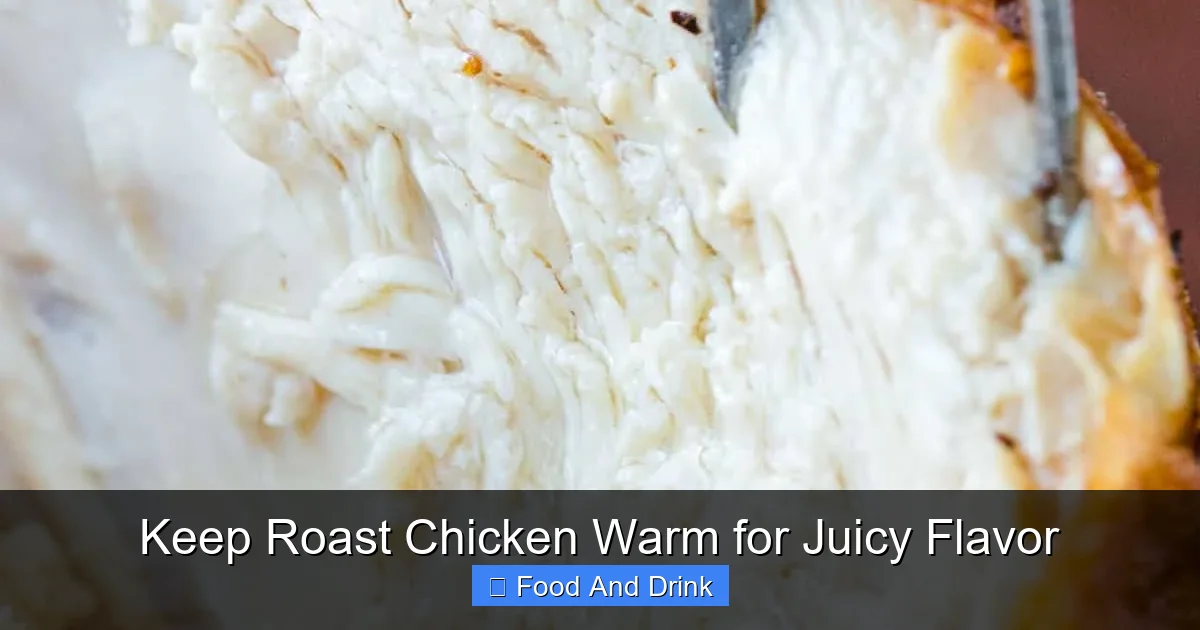
Visual guide about Keep Roast Chicken Warm for Juicy Flavor
Image source: natashaskitchen.com
One of the simplest and most effective ways to keep roast chicken warm is by using a covered dish or loosely tented aluminum foil. This method traps just enough steam to prevent drying while allowing excess moisture to escape—so your crispy skin doesn’t turn limp.
How to Use a Covered Dish
Place your rested, whole roasted chicken in a large, oven-safe serving dish with a lid (like a Dutch oven or ceramic roasting pan). Make sure the dish is pre-warmed—cold ceramic or metal will steal heat from the chicken. You can warm it by placing it in a low oven (around 175°F/80°C) for 5–10 minutes before adding the chicken. Once the chicken is in, cover it snugly with the lid. The gentle, enclosed environment keeps the bird at a safe serving temperature (above 140°F/60°C) without overcooking it.
This method works especially well if you’re serving the chicken whole and plan to carve it tableside. It also protects the chicken from drafts or sudden temperature changes, which can cause uneven cooling.
Foil Tenting: Quick and Effective
If you don’t have a lidded dish, a loose foil tent is your next best option. After resting, place the chicken on a warm platter or cutting board. Crumple a large sheet of aluminum foil into a dome shape—don’t press it flat against the chicken—and drape it over the top. The goal is to create a mini greenhouse effect: warm air circulates gently around the bird, keeping it cozy without steaming the skin.
Avoid wrapping the chicken tightly in foil. That traps too much moisture, turning crispy skin into a sad, rubbery layer. A loose tent strikes the perfect balance between warmth and texture.
For extra insurance, you can place the foil-tented chicken on a baking sheet lined with a clean kitchen towel. The towel acts as an insulator, slowing heat loss from the bottom.
Low-Temperature Oven Holding
When you need to keep roast chicken warm for an extended period—say, during a multi-course dinner or a delayed meal—using your oven on its lowest setting is the gold standard. This method gives you precise control over temperature and ensures even, gentle warming throughout.
Set Your Oven to 150–175°F (65–80°C)
Most modern ovens have a “warm” or “hold” setting that hovers around 170°F (77°C). If yours doesn’t, use the lowest possible temperature—usually 150–175°F (65–80°C). Never go above 200°F (93°C), as that starts to cook the chicken further and can dry it out.
Place your rested chicken on a wire rack set inside a baking sheet or roasting pan. The rack elevates the bird, allowing hot air to circulate underneath and preventing the bottom from becoming soggy. If you don’t have a rack, crumple up a few sheets of foil into balls and place them under the chicken to lift it slightly.
Add Moisture for Extra Protection
Even at low temperatures, prolonged exposure to dry oven air can pull moisture from the meat. To combat this, place a small oven-safe dish of water or chicken broth on the bottom rack. The evaporating liquid adds humidity to the oven environment, helping keep the chicken juicy.
Alternatively, you can baste the chicken lightly with warm chicken stock or melted butter every 20–30 minutes. This not only adds flavor but also forms a protective layer that seals in moisture. Just be sure to use a brush or spoon—don’t pour cold liquid directly onto the hot bird, as it can cause the skin to crack or shrink.
Monitor Internal Temperature
Use a meat thermometer to check the chicken’s internal temperature periodically. It should stay above 140°F (60°C) to remain safe for consumption but below 165°F (74°C) to avoid overcooking. Most roasted chickens finish around 165–175°F (74–80°C), so holding them just below that range preserves tenderness.
With this method, you can safely keep a whole roast chicken warm for up to 1.5–2 hours without significant quality loss.
Warming Serving Plates and Carving Boards
It might seem like a small detail, but serving roast chicken on cold plates can drastically shorten how long it stays warm—and enjoyable. Cold ceramic or stoneware acts like a heat sink, pulling warmth away from the meat almost instantly. By the time you finish carving, your beautiful bird might already be lukewarm.
Pre-Warm Your Dishes
The fix is simple: warm your serving plates, platters, or carving boards before placing the chicken on them. Here are a few easy ways to do it:
– Place plates in a low oven (175°F/80°C) for 5–10 minutes before serving.
– Run them through the dishwasher’s heated dry cycle just before use.
– Fill a sink or large bowl with hot (not boiling) water and submerge plates for 2–3 minutes, then dry quickly with a towel.
For carving boards, especially wooden ones, avoid soaking them in water. Instead, place the board in the oven with the chicken for the last 5 minutes of roasting, or wipe it with a hot, damp cloth and let it sit near a warm stovetop.
Use Insulated Serving Trays
If you’re transporting chicken to another room or serving buffet-style, consider using an insulated serving tray or chafing dish. These are designed to retain heat and often come with lids or water pans to add moisture. They’re especially useful for large gatherings where food sits out for a while.
Even a simple trick like wrapping your serving platter in a clean, dry towel can help slow heat loss. Just make sure the towel doesn’t touch the chicken directly—it should only insulate the base.
Alternative Methods: When Ovens Aren’t an Option
Sometimes, you won’t have access to an oven—maybe you’re at a potluck, camping, or hosting in a space with limited appliances. In those cases, creative alternatives can still help you keep roast chicken warm and tasty.
Thermal Cookware or Insulated Carriers
High-quality thermal cookware, like a vacuum-insulated food jar or a thermal roasting bag, can hold heat for hours. These work by trapping the chicken’s natural warmth inside a sealed, insulated environment. Simply place your rested chicken in the container, seal it tightly, and it will stay warm for 1–2 hours.
Some people even use their slow cooker on the “warm” setting (typically 140–160°F/60–70°C) to hold chicken. Just make sure the chicken isn’t submerged in liquid—place it on a trivet or rack above a small amount of broth to add moisture without boiling.
The Towel-and-Bowl Method
For a low-tech solution, try the classic “towel-and-bowl” trick. Place your rested chicken in a large mixing bowl or roasting pan. Wrap the entire setup in several layers of clean kitchen towels or a thick blanket. The insulation slows heat loss dramatically—similar to how a cooler keeps things cold.
This method works best for shorter holding times (up to 45–60 minutes) and is ideal for informal settings. Just remember: never seal the chicken in an airtight container without ventilation, as trapped steam can make the skin soggy.
Avoid the Microwave (Mostly)
While it’s tempting to zap leftover chicken in the microwave, it’s generally not recommended for whole birds or large portions. Microwaves heat unevenly, often leaving cold spots and overcooking others. The result? Rubbery meat and rubbery skin.
That said, if you’re reheating small pieces (like breast slices or thigh meat), you can minimize damage by covering them with a damp paper towel and using 50% power in short bursts. But for keeping a whole roast chicken warm before serving? Stick to gentler methods.
Food Safety and Timing Guidelines
Keeping roast chicken warm isn’t just about taste—it’s also about safety. Bacteria like Salmonella and Campylobacter thrive in the “danger zone” between 40°F and 140°F (4°C and 60°C). Once your chicken drops below 140°F (60°C), it enters this risky range and should not be held for more than 2 hours total (including cooling and reheating time).
Follow the 2-Hour Rule
According to the USDA, cooked poultry should not be left at room temperature for more than 2 hours. If the ambient temperature is above 90°F (32°C)—like at a summer picnic—that window shrinks to just 1 hour. So if you’re using foil tents or towel wraps at room temp, aim to serve within 60–90 minutes.
When using an oven or thermal container, as long as the internal temperature stays above 140°F (60°C), you’re in the safe zone. Use a food thermometer to confirm.
Reheating Leftovers Safely
If your chicken does cool down, don’t panic—you can still reheat it safely. Slice or shred the meat and reheat it in a covered dish with a splash of broth or water in a 325°F (165°C) oven until it reaches 165°F (74°C) internally. Or use a skillet with a bit of butter or oil over medium-low heat, covered, to gently warm it without drying.
Never reheat chicken more than once, and always store leftovers in the refrigerator within 2 hours of cooking.
Enhancing Flavor While Keeping It Warm
Warming doesn’t have to be just about temperature—it’s also a chance to deepen flavor. A few simple additions can transform your hold-time routine into a flavor-boosting ritual.
Basting with Aromatics
Instead of plain broth, infuse your basting liquid with herbs, garlic, lemon zest, or white wine. Warm the mixture gently on the stove, then brush it over the chicken every 20–30 minutes. The aromatic oils will penetrate the skin and enhance the overall taste without adding excess moisture.
Using a Flavorful Pan Drippings Base
If you roasted your chicken on a bed of onions, carrots, or potatoes, save those veggies! Place them in the bottom of your warming dish before adding the chicken. As they heat up, they’ll release their natural sugars and savory notes, creating a subtle flavor infusion.
You can also deglaze the roasting pan with a little stock or wine, scrape up the browned bits (fond), and pour that rich liquid over the chicken before covering. It’s like adding a built-in sauce.
Finishing with Fresh Herbs
Right before serving, scatter fresh herbs like thyme, rosemary, or parsley over the warm chicken. The residual heat will release their essential oils, giving your dish a bright, aromatic finish that complements the rich roasted flavors.
Conclusion
Keeping roast chicken warm doesn’t require fancy equipment or culinary wizardry—just a little know-how and attention to detail. Whether you’re using a low oven, a foil tent, or pre-warmed plates, the goal is the same: preserve moisture, maintain texture, and keep that golden skin crispy. By resting your chicken properly, choosing the right holding method for your situation, and paying attention to food safety, you can serve juicy, flavorful roast chicken even when timing doesn’t go exactly as planned.
Remember, the best roast chicken isn’t just about how it comes out of the oven—it’s about how it tastes when it reaches the table. With these tips, you’ll ensure every bite is as delicious as the first. So go ahead, pull that bird out with confidence. Your guests (and your taste buds) will thank you.
Frequently Asked Questions
How do I keep roast chicken warm without drying it out?
Use a low oven (150–175°F), a covered dish, or a loose foil tent. Avoid high heat and add moisture with broth or butter basting to lock in juiciness.
Can I leave roast chicken at room temperature to keep it warm?
You can hold it at room temp for up to 2 hours max, but it’s safer and more effective to use a low oven or insulated container to maintain temperature.
Does resting the chicken really make a difference?
Yes! Resting allows juices to redistribute, resulting in moister meat. Skipping this step often leads to dry, disappointing chicken.
What temperature should roast chicken be when served?
It should be served at or above 140°F (60°C) for safety and optimal flavor, but not exceed 165°F (74°C) to avoid overcooking.
Can I keep chicken warm in a slow cooker?
Yes, on the “warm” setting. Place the chicken on a rack above a small amount of broth to add moisture without submerging it.
How do I prevent the skin from getting soggy when warming?
Use a wire rack, avoid tight foil wrapping, and don’t trap excess steam. A loose tent or lidded dish with ventilation works best.


