

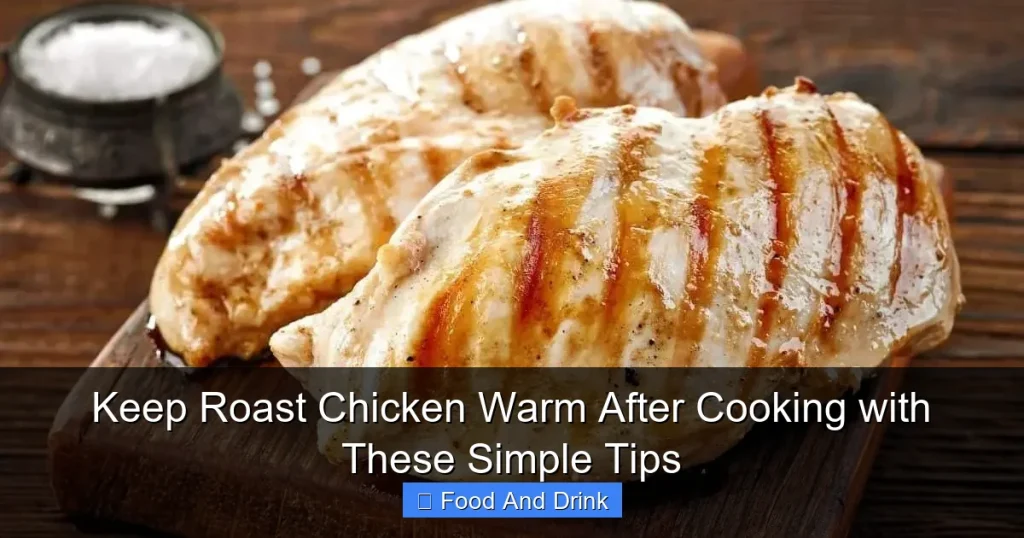

Keeping roast chicken warm after cooking doesn’t have to be complicated. With the right techniques, you can preserve its juicy texture and rich flavor for hours. Whether you’re hosting a dinner party or meal prepping, these practical tips ensure your chicken stays delicious and safe to eat.
There’s nothing quite like the aroma of a perfectly roasted chicken—golden skin, tender meat, and that rich, savory scent filling your kitchen. But what happens when you’ve cooked it to perfection, only to realize your guests are running late or your sides aren’t quite ready? The last thing you want is for that beautiful bird to cool down, dry out, or worse, become unsafe to eat. That’s where knowing how to keep roast chicken warm after cooking becomes a game-changer.
Roast chicken is a centerpiece dish in many homes, from Sunday dinners to holiday feasts. It’s versatile, comforting, and loved by nearly everyone. But its appeal hinges on one critical factor: temperature. Once it leaves the oven, the clock starts ticking. Heat begins to escape, moisture evaporates, and the once-crispy skin can turn limp. If you’re not careful, your masterpiece can go from mouthwatering to mealy in just 30 minutes. The good news? With a few smart strategies, you can keep your roast chicken warm, juicy, and delicious for up to two hours—or even longer with the right tools.
In this guide, we’ll walk you through the best, most practical ways to keep roast chicken warm after cooking. Whether you’re serving it immediately or planning ahead, these tips will help you maintain that perfect balance of heat, moisture, and flavor. We’ll cover everything from simple foil wrapping to using kitchen appliances, and even how to safely store and reheat leftovers. By the end, you’ll be confident that your roast chicken will stay as impressive on the table as it was coming out of the oven.
Key Takeaways
- Use an oven on low heat (170–200°F): This gently maintains warmth without overcooking the chicken.
- Wrap in foil or a towel: Traps steam and heat, keeping the skin crispy and meat moist.
- Rest the chicken before warming: Let it rest 10–15 minutes after roasting to lock in juices.
- Avoid the microwave for large cuts: It can dry out the meat and ruin texture.
- Use a warming tray or slow cooker: Ideal for serving over time, especially at gatherings.
- Store properly if not serving immediately: Refrigerate within 2 hours and reheat safely when ready.
- Monitor internal temperature: Keep chicken above 140°F to prevent bacterial growth.
Quick Answers to Common Questions
How long can I keep roast chicken warm in the oven?
You can safely keep roast chicken warm in a low oven (170–200°F) for up to 2 hours. Always use a food thermometer to ensure the internal temperature stays above 140°F.
Can I use a microwave to keep roast chicken warm?
It’s not recommended. Microwaves can dry out the meat and heat unevenly, ruining the texture. Use the oven, warming tray, or slow cooker instead.
Should I cover the chicken while keeping it warm?
Yes, but loosely. Use a foil tent or lid to trap heat without steaming the skin. Tight covering can make the skin soggy.
Is it safe to keep chicken warm for more than 2 hours?
No. After 2 hours in the danger zone (40°F–140°F), bacteria can grow. Refrigerate leftovers and reheat safely when ready to eat.
Can I keep a whole roast chicken warm in a slow cooker?
Yes, but only on the “warm” setting. Add broth or drippings to prevent drying, and don’t use the “cook” setting.
📑 Table of Contents
Why Keeping Roast Chicken Warm Matters
When you roast a chicken, you’re not just cooking meat—you’re creating an experience. The crispy, caramelized skin, the juicy breast meat, the rich drippings that flavor your sides—all of these elements depend on timing and temperature. Once the chicken is done, it’s at its peak. But if it cools too quickly, that magic starts to fade.
One of the biggest reasons to keep roast chicken warm is to preserve its texture. As chicken cools, the proteins begin to contract, squeezing out moisture. This leads to dry, stringy meat—especially in the breast, which has less fat than the thighs. The skin, once crisp and golden, can become rubbery or soggy as steam escapes and condenses back onto the surface. Nobody wants to eat a dry, sad-looking chicken when they were expecting a showstopper.
Another important factor is food safety. According to the USDA, cooked poultry should be kept out of the “danger zone”—the temperature range between 40°F and 140°F—where bacteria like Salmonella and E. coli can multiply rapidly. If your chicken drops below 140°F and sits at room temperature for more than two hours, it becomes a health risk. That’s why it’s crucial to keep it warm, not just for taste, but for safety.
Finally, there’s the practical side. Many home cooks prepare roast chicken ahead of time, especially during busy holidays or dinner parties. Maybe you’re roasting multiple dishes, or your guests are arriving late. Whatever the reason, having a reliable method to keep your chicken warm ensures that when it’s time to eat, everything is ready at once. No more rushing to reheat or serving lukewarm food.
The Science of Heat Retention in Cooked Chicken
Understanding how heat moves through food can help you make better decisions about keeping your roast chicken warm. When chicken comes out of the oven, it’s typically around 165°F—the safe internal temperature for poultry. But heat doesn’t stay put. It radiates outward from the hot center to the cooler surface, and then into the surrounding air. This process happens quickly, especially if the chicken is exposed.
The key to slowing this down is insulation. Just like a thermos keeps coffee hot by trapping heat, you can use materials like aluminum foil, towels, or even a cooler to slow the cooling process. These barriers reduce heat loss by limiting convection (air movement) and radiation (heat escaping into the air). The thicker and more insulating the material, the longer your chicken will stay warm.
Another factor is moisture. As chicken cools, steam escapes from the meat and condenses on the surface, especially if it’s covered. This can make the skin soggy. That’s why some methods, like tenting with foil, work better than others. A loose foil tent allows some steam to escape while still trapping heat. Wrapping tightly, on the other hand, can create a steamy environment that softens the skin.
Finally, the size and shape of the chicken matter. A whole roast chicken retains heat better than cut-up pieces because it has less surface area exposed to air. If you’ve already carved the chicken, it will cool faster and require different warming techniques.
Best Methods to Keep Roast Chicken Warm
Visual guide about Keep Roast Chicken Warm After Cooking with These Simple Tips
Image source: topfoodinfo.com
Now that you understand why temperature matters, let’s dive into the most effective ways to keep your roast chicken warm after cooking. These methods range from simple, no-tools-needed tricks to using kitchen appliances. Choose the one that fits your situation—whether you’re serving right away or planning for a later meal.
Method 1: Use the Oven on Low Heat
One of the easiest and most reliable ways to keep roast chicken warm is to use your oven. After removing the chicken from the roasting pan, place it on a heat-safe platter or cutting board. Then, set your oven to the lowest possible temperature—usually between 170°F and 200°F. Most ovens have a “warm” or “keep warm” setting, but if yours doesn’t, just turn it to the lowest number.
Place the chicken inside, uncovered, and let it sit for up to 1.5 to 2 hours. This method works best if you’re not planning to serve the chicken immediately but want to keep it at a safe temperature. The low heat gently maintains warmth without continuing to cook the meat, which could dry it out.
Tip: If your oven runs hot, crack the door open slightly to prevent overheating. You can also place a baking sheet on the rack below to catch any drippings.
Method 2: Tent with Aluminum Foil
If you don’t have access to an oven or prefer a quicker method, tenting with aluminum foil is a classic technique. Once the chicken has rested for 10–15 minutes (more on resting below), loosely cover it with a sheet of foil, creating a tent-like shape. This allows some steam to escape while trapping enough heat to keep the chicken warm.
The key here is “loosely.” If you wrap the chicken tightly, steam builds up and can make the skin soggy. A loose tent lets excess moisture evaporate while still insulating the bird. This method works well for up to an hour, especially if you place the tented chicken on a warm platter or in a draft-free area of the kitchen.
For extra insulation, you can place a clean kitchen towel over the foil. The towel absorbs any condensation and adds another layer of heat retention. Just make sure the towel is dry and clean to avoid transferring odors.
Method 3: Use a Warming Tray or Chafing Dish
If you’re hosting a dinner party or serving a buffet-style meal, a warming tray or chafing dish is a fantastic option. These devices are designed to keep food at a safe, warm temperature for extended periods. Many electric warming trays have adjustable heat settings, so you can keep your chicken at around 150°F—hot enough to stay safe, but not so hot that it dries out.
Place the whole chicken or carved pieces on the tray, and cover with a lid or foil to retain moisture. Some warming trays come with built-in covers, while others work with standard foil or domed lids. This method is ideal if you’re serving multiple dishes and want everything ready at once.
Chafing dishes, often used in restaurants, use a water bath and heat source (like a candle or electric element) to keep food warm. They’re perfect for large gatherings and can hold a whole roasted chicken with room to spare. Just make sure the water level is maintained to prevent overheating.
Method 4: Slow Cooker or Crock-Pot
Believe it or not, a slow cooker can be a great tool for keeping roast chicken warm—especially if you’ve already carved it. After roasting and resting, place the chicken pieces in the slow cooker and set it to the “warm” setting. Most slow cookers have a “low” or “warm” function that maintains a temperature between 140°F and 160°F, which is perfect for keeping food safe and juicy.
Add a splash of broth, stock, or the pan drippings to the slow cooker to prevent drying. The liquid creates a moist environment that helps keep the meat tender. Cover with the lid, and your chicken will stay warm for up to 3–4 hours. This method is especially useful if you’re preparing multiple courses and need to free up oven space.
Note: Don’t use the “cook” setting, as it will continue to cook the chicken and may overcook it. Stick to “warm” only.
Method 5: Insulated Cooler or Thermal Container
For a no-electricity option, an insulated cooler or thermal container can work wonders. This method is perfect if you’re transporting chicken or don’t have access to an oven or warming tray. Here’s how it works:
First, preheat the cooler by filling it with hot water for 10 minutes, then empty it. Place the roasted chicken (whole or carved) inside, and cover it with clean kitchen towels or foil to trap heat. Close the lid tightly. The insulation slows heat loss, and the towels absorb any condensation.
This method can keep chicken warm for 1.5 to 2 hours, depending on the quality of the cooler and the ambient temperature. It’s a great backup plan if your oven breaks down or you’re cooking outdoors.
How Long Can You Safely Keep Roast Chicken Warm?
Visual guide about Keep Roast Chicken Warm After Cooking with These Simple Tips
Image source: shungrill.com
One of the most common questions home cooks have is: How long can I keep roast chicken warm before it becomes unsafe? The answer depends on the method you use and the temperature you maintain.
According to food safety guidelines, cooked poultry should not be kept in the danger zone (40°F to 140°F) for more than two hours. If the chicken drops below 140°F and sits at room temperature, bacteria can start to grow. That’s why it’s essential to use a method that keeps the internal temperature above 140°F.
With proper techniques—like using an oven on low, a warming tray, or a slow cooker on “warm”—you can safely keep roast chicken warm for up to 2 hours. Some methods, like a well-insulated cooler, may only last 1.5 hours. Always use a food thermometer to check the internal temperature if you’re unsure.
If you need to keep the chicken warm longer than 2 hours, it’s safer to refrigerate it and reheat it later. We’ll cover reheating tips in a later section.
Signs Your Chicken Is No Longer Safe to Eat
Even with the best methods, it’s important to know when to call it quits. If your chicken has been sitting out for more than 2 hours, or if it smells sour, slimy, or off, it’s time to toss it. Other signs include a change in texture—like a sticky or rubbery feel—or a grayish color under the skin.
When in doubt, throw it out. Foodborne illness is not worth the risk, especially with poultry, which is more susceptible to contamination.
Tips for Maximizing Juiciness and Flavor

Visual guide about Keep Roast Chicken Warm After Cooking with These Simple Tips
Image source: img.thrfun.com
Keeping roast chicken warm isn’t just about temperature—it’s also about preserving its delicious qualities. Here are some expert tips to ensure your chicken stays juicy, flavorful, and restaurant-quality.
Let It Rest Before Warming
One of the most important steps—often overlooked—is letting the chicken rest after roasting. When meat is cooked, the juices are pushed toward the center. If you carve it immediately, those juices spill out, leaving the meat dry.
Instead, let the chicken rest for 10–15 minutes on a cutting board, loosely tented with foil. This allows the juices to redistribute throughout the meat. After resting, you can keep it warm using any of the methods above. The result? Tender, moist chicken every time.
Use the Pan Drippings
Don’t discard those delicious pan drippings! They’re packed with flavor and can help keep your chicken moist. After roasting, pour the drippings into a saucepan and simmer gently. You can use them to baste the chicken while it’s warming, or serve them as a sauce.
If you’re using a slow cooker or warming tray, add a few tablespoons of the drippings to the dish. The fat and juices will infuse the meat with flavor and prevent drying.
Avoid Overcooking During Warming
Even though your chicken is already cooked, it can still dry out if exposed to too much heat. That’s why low and slow is the way to go. Whether you’re using an oven, slow cooker, or warming tray, keep the temperature below 200°F. Higher temperatures will continue to cook the meat, squeezing out moisture.
If you notice the chicken starting to dry out, spritz it lightly with broth or stock using a spray bottle. This adds moisture without cooling it down too much.
Reheating Leftover Roast Chicken Safely
Sometimes, despite your best efforts, you end up with leftover roast chicken. The good news? It can be reheated safely and still taste great—if you do it right.
The best way to reheat roast chicken is in the oven. Preheat to 325°F, place the chicken in a baking dish, and add a splash of broth or water. Cover with foil and heat for 20–30 minutes, or until the internal temperature reaches 165°F. This method helps retain moisture and prevents drying.
You can also reheat individual pieces in a skillet with a little butter or oil over medium-low heat. Cover the pan to trap steam and keep the meat tender.
Avoid the microwave for large cuts, as it can heat unevenly and make the meat rubbery. If you must use a microwave, do it in short bursts and cover the chicken with a damp paper towel.
Creative Ways to Use Leftover Chicken
Don’t let leftover chicken go to waste! Shred it for tacos, add it to soups or salads, or make a chicken pot pie. The possibilities are endless—and reheating it in a new dish can make it feel like a whole new meal.
Common Mistakes to Avoid
Even experienced cooks can make mistakes when keeping roast chicken warm. Here are a few to watch out for:
– **Wrapping too tightly:** This traps steam and makes the skin soggy. Always use a loose tent.
– **Using high heat:** This dries out the meat. Stick to low temperatures.
– **Skipping the rest period:** Cutting too soon leads to dry chicken.
– **Leaving it at room temperature too long:** Never let chicken sit out for more than 2 hours.
– **Reheating too quickly:** Use gentle heat to preserve texture.
Conclusion
Keeping roast chicken warm after cooking doesn’t have to be a stressful part of meal prep. With the right techniques—like using a low oven, tenting with foil, or a warming tray—you can preserve its juicy texture, crispy skin, and rich flavor for hours. Whether you’re hosting a dinner party or meal prepping for the week, these tips ensure your chicken stays delicious and safe to eat.
Remember to let it rest, monitor the temperature, and avoid common pitfalls like overcooking or tight wrapping. And if you’re not serving it right away, refrigerate it promptly and reheat gently. With a little planning, your roast chicken will be just as impressive on the table as it was coming out of the oven.
So the next time you roast a chicken, don’t let timing ruin your masterpiece. Use these simple, effective methods to keep it warm, safe, and absolutely delicious.
Frequently Asked Questions
What’s the best way to keep roast chicken warm for a dinner party?
Use a warming tray or chafing dish with a lid. These devices maintain a safe temperature and are perfect for serving multiple dishes at once.
How do I keep the skin crispy while warming the chicken?
Avoid tight wrapping. Use a loose foil tent or place the chicken on a wire rack in the oven to allow steam to escape while retaining heat.
Can I keep roast chicken warm in a cooler?
Yes, an insulated cooler can keep chicken warm for 1.5 to 2 hours. Preheat it with hot water, then add the chicken and cover with towels.
What temperature should roast chicken be kept at to stay safe?
Keep the internal temperature above 140°F to prevent bacterial growth. Use a food thermometer to check.
Should I carve the chicken before keeping it warm?
It’s better to keep it whole if possible. Whole chicken retains heat better and stays juicier. Carve just before serving.
How do I reheat leftover roast chicken without drying it out?
Reheat in a 325°F oven with a splash of broth, covered with foil. This gentle method preserves moisture and flavor.


