

Are you wondering if your Rubbermaid items can go straight into the dishwasher without any damage? You’re not alone.
Many people ask, “Is Rubbermaid dishwasher safe? ” because they want to save time and avoid hand washing. But before you toss your favorite containers in the dishwasher, it’s important to know which Rubbermaid products can handle the heat and which ones might warp or lose their quality.
Keep reading, and you’ll discover simple tips to protect your Rubbermaid items while making your cleanup quick and easy.
Rubbermaid Material Types
Rubbermaid products come in different materials. Each type affects how you can use and clean them. Knowing the material helps to decide if the item is dishwasher safe. It also tells about its strength and heat limits.
Understanding Rubbermaid material types makes cleaning easier. It helps to keep your items in good shape longer.
Common Materials Used
Rubbermaid uses plastic, polypropylene, and melamine. Plastic is light and flexible. Polypropylene is harder and more heat resistant. Melamine looks like ceramic but is lighter. Each material suits different uses in the kitchen.
Durability And Heat Resistance
Plastic Rubbermaid items can melt if exposed to high heat. Polypropylene resists heat better, up to about 212°F (100°C). Melamine can handle heat but may crack under sudden temperature changes. Knowing this prevents damage during washing or use.
Dishwasher Safety Factors
Dishwasher safety is important for Rubbermaid products. Not all items handle dishwashers the same way. Some may crack, warp, or lose color. Understanding safety factors helps keep your items lasting longer.
Temperature Limits
Rubbermaid products have specific temperature limits. High heat can cause plastic to melt or deform. Most Rubbermaid items handle temperatures up to 140°F (60°C). Avoid placing them in the dishwasher’s heated dry cycle. Check product labels for exact temperature guidelines.
Chemical Resistance
Detergents in dishwashers can be harsh on plastic. Strong chemicals may cause fading or damage. Rubbermaid plastics usually resist mild detergents well. Avoid using bleach or abrasive cleaners. These can break down the plastic surface over time.
Shape And Design Considerations
Some shapes hold water or trap food particles. This can affect cleaning and drying. Thin or flexible parts may bend or warp in the dishwasher. Items with tight seals or lids may not dry properly inside the dishwasher. Place Rubbermaid pieces carefully for best results.
Which Rubbermaid Products Are Dishwasher Safe
Rubbermaid offers many products designed for everyday kitchen use. Knowing which items are dishwasher safe helps keep them clean and lasts longer. Some Rubbermaid products handle dishwasher heat well, while others do not. Understanding these details saves time and effort.
Here is a look at the Rubbermaid products that are safe to use in the dishwasher.
Food Storage Containers
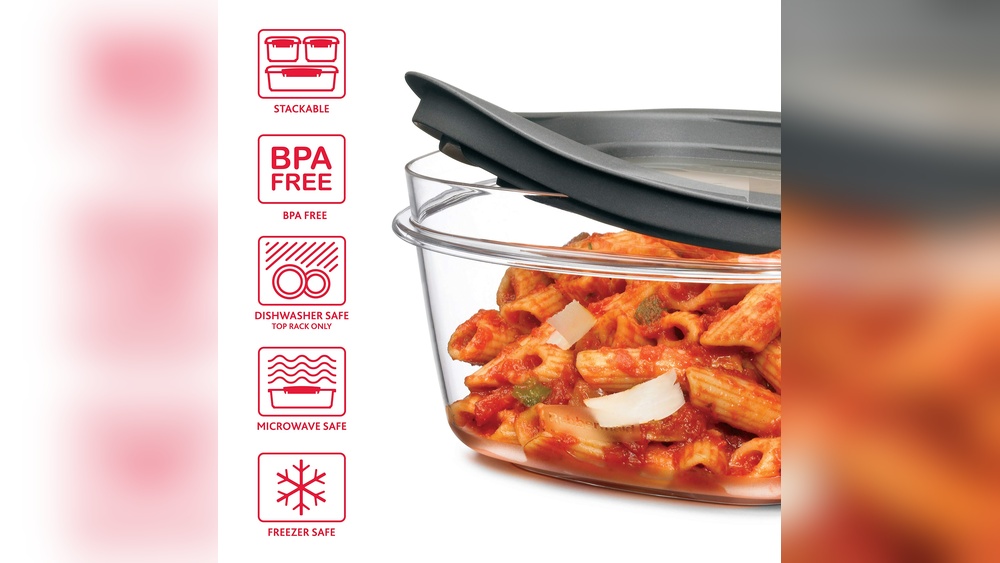
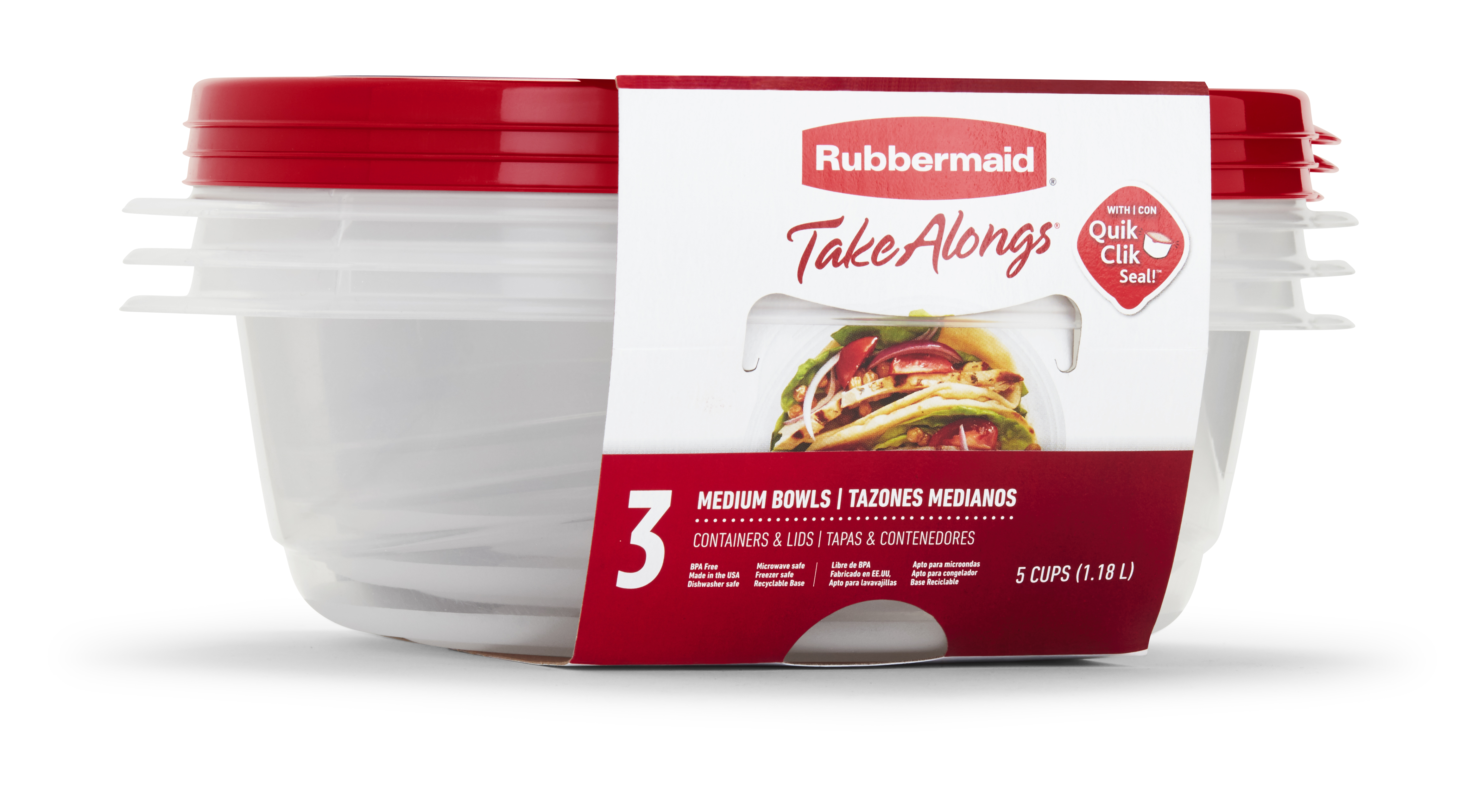
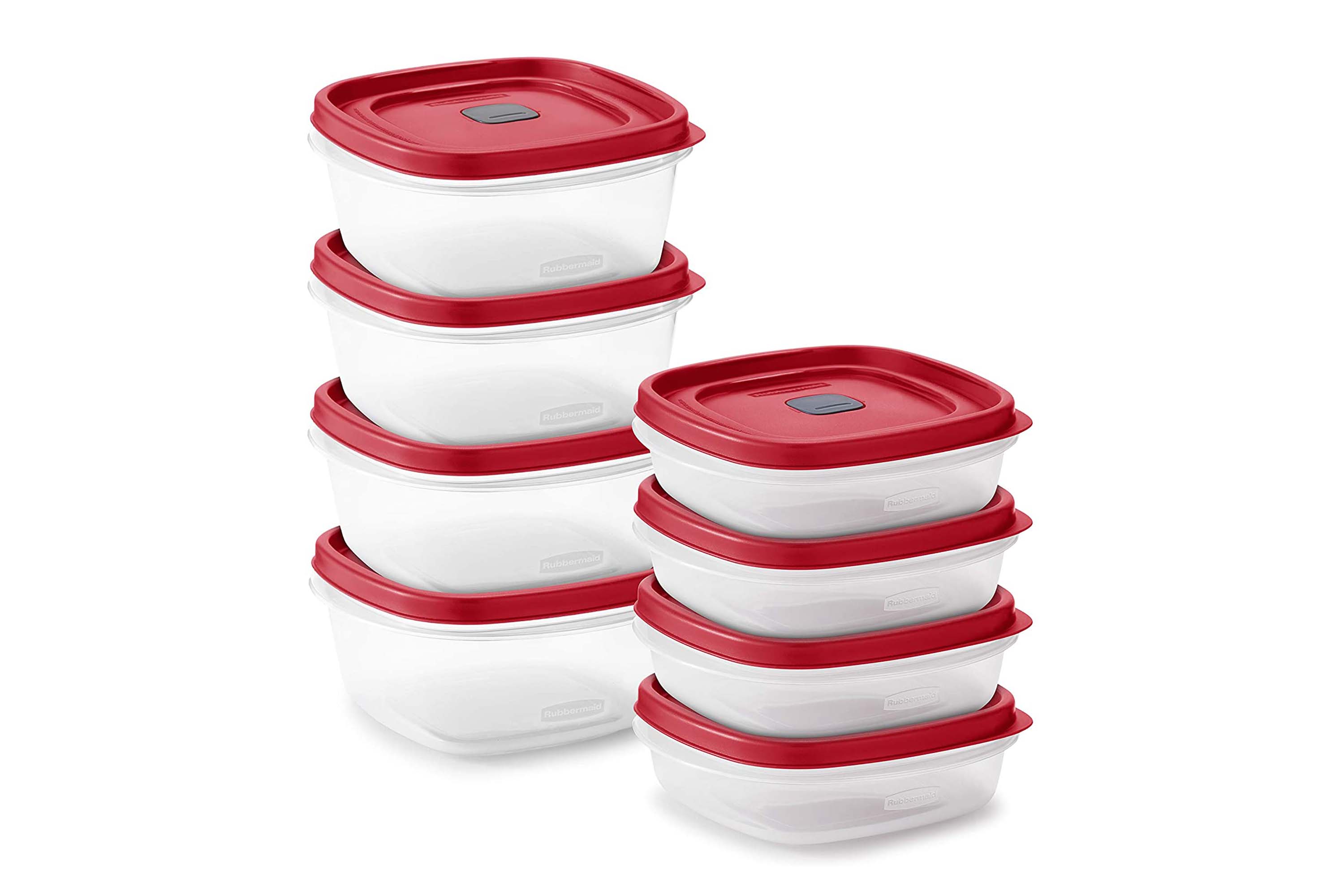
Many Rubbermaid food storage containers are dishwasher safe. Most containers made from hard plastic or BPA-free materials can go on the top rack. Lids may require hand washing to keep seals intact. Check the product label for dishwasher symbols to be sure.
Drinkware And Mugs
Rubbermaid drinkware and mugs often handle dishwasher cycles well. Plastic cups and travel mugs usually fit on the top rack. Avoid dishwasher use for mugs with special coatings or decorations. This keeps the colors and patterns from fading.
Kitchen Utensils And Tools
Many Rubbermaid kitchen utensils and tools are dishwasher safe. Items like spatulas, spoons, and measuring cups usually clean well in the dishwasher. Avoid placing wooden-handled tools in the dishwasher to prevent damage. Always read the care instructions before washing.
Tips For Dishwasher Cleaning Rubbermaid Items
Cleaning Rubbermaid items in the dishwasher helps save time and effort. Knowing the right tips keeps your items safe and lasting longer. Follow these tips for the best results when washing Rubbermaid products.
Placement In Dishwasher
Place Rubbermaid items on the top rack only. The top rack is cooler and safer for plastics. Avoid the bottom rack where heat is stronger. Keep small items secure to prevent them from falling.
Avoiding Warping And Damage
Do not overload the dishwasher to avoid pressure on items. Use a gentle cycle with lower heat settings. Remove items soon after the cycle to prevent heat damage. Let items air dry instead of using the heated dry option.
Using Suitable Detergents
Choose mild, dishwasher-safe detergents for Rubbermaid products. Avoid harsh chemicals that can cause discoloration or cracking. Skip bleach or strong cleaners to protect the plastic. Check detergent labels to ensure they are safe for plastics.
Common Issues And How To Prevent Them
Rubbermaid products are popular for their durability and convenience. Yet, some common problems can occur after dishwasher use. Knowing these issues helps keep your Rubbermaid items in good shape. Simple steps can prevent damage and extend their life.
Cracking And Warping
Heat from dishwashers can cause Rubbermaid containers to crack or warp. High temperatures weaken the plastic over time. Avoid placing containers near the heating element. Use the top rack for better protection. Let items cool before closing the dishwasher door.
Discoloration
Stains from food or dishwasher detergent can change container colors. Brightly colored sauces like tomato can leave marks. Rinse containers before loading them in the dishwasher. Use gentle detergents designed for plastics. Avoid strong chemicals that cause fading or discoloration.
Odor Retention
Rubbermaid containers sometimes hold onto smells after washing. Odors can come from leftover food or harsh dishwasher cycles. Clean containers promptly after use. Try soaking in a mixture of baking soda and water. Leave lids off to air dry completely and prevent odors.

Credit: www.rubbermaid.com
Alternatives To Dishwasher Cleaning
Not all Rubbermaid products are dishwasher safe. Some can warp or lose their color in the dishwasher. Using other cleaning methods can keep your items in good shape for a long time. These alternatives also help avoid damage from high heat and harsh detergents.
Hand Washing Best Practices
Hand washing is gentle and effective for most Rubbermaid items. Use warm water and mild dish soap. Scrub with a soft sponge or cloth to avoid scratches. Rinse well to remove all soap. Dry with a clean towel to prevent water spots. This method protects your items and keeps them looking new.
Using Soaking And Sanitizing Methods
Soaking helps remove tough stains and odors. Fill a basin with warm water and a little baking soda or vinegar. Let the Rubbermaid items soak for 15 to 30 minutes. Rinse and wash as usual after soaking. For extra cleanliness, use a mild bleach solution to sanitize. Always rinse thoroughly to avoid chemical residue. These methods keep your items clean and safe to use.
Identifying Dishwasher Safe Symbols
Knowing if your Rubbermaid products are dishwasher safe saves time and effort. The key lies in recognizing the dishwasher safe symbols on the item. These icons help you understand which pieces can go in the dishwasher without damage. They are small but important marks found on the bottom or packaging of Rubbermaid items.
Learning these symbols ensures you care for your products properly. It also helps avoid warping, melting, or fading caused by dishwashers. Let’s explore the common labels and what each one means for your Rubbermaid products.
Common Labels On Rubbermaid Products
Rubbermaid uses simple symbols to show dishwasher safety. The most common is a small square with plates or dishes inside. Another is a dishwasher rack icon. Sometimes, it’s a water droplet with heat waves above it. These labels appear on the bottom of containers, lids, and cups. Some products might have words like “Dishwasher Safe” instead of symbols.
What Each Symbol Means
A square with dishes means the product can go in the dishwasher top rack. This spot is safer and less hot, preventing damage. The dishwasher rack icon confirms it is safe for any dishwasher cycle. A water droplet with heat waves means the item withstands hot water and drying cycles.
If you see no symbol or a symbol crossed out, avoid putting the product in the dishwasher. It may melt, crack, or lose color. Knowing these signs helps keep your Rubbermaid items in good shape longer.
Credit: www.rubbermaid.com
Credit: www.rubbermaid.com
Frequently Asked Questions
Is Rubbermaid Safe To Clean In A Dishwasher?
Yes, most Rubbermaid products are dishwasher safe. Always check the product label for specific washing instructions to avoid damage.
Can Rubbermaid Containers Withstand High Dishwasher Temperatures?
Rubbermaid containers typically handle standard dishwasher temperatures well. Avoid placing them near the heating element to prevent warping or melting.
Should I Remove Lids Before Washing Rubbermaid In Dishwasher?
It’s recommended to remove lids before dishwasher cleaning. Lids may warp or become damaged due to high heat and water pressure.
How To Prevent Rubbermaid Discoloration In Dishwasher?
Avoid placing Rubbermaid items on the bottom rack near heating elements. Use mild detergent and avoid high-heat drying cycles to prevent discoloration.
Conclusion
Rubbermaid items often handle the dishwasher well, but check labels first. Some pieces may not suit high heat or strong detergents. Washing by hand keeps delicate items safe and lasting longer. Following care instructions helps keep your Rubbermaid products in top shape.
Choose the right cleaning method to protect your investment. Simple steps save time and avoid damage. Keep your kitchen tools clean without worry.