

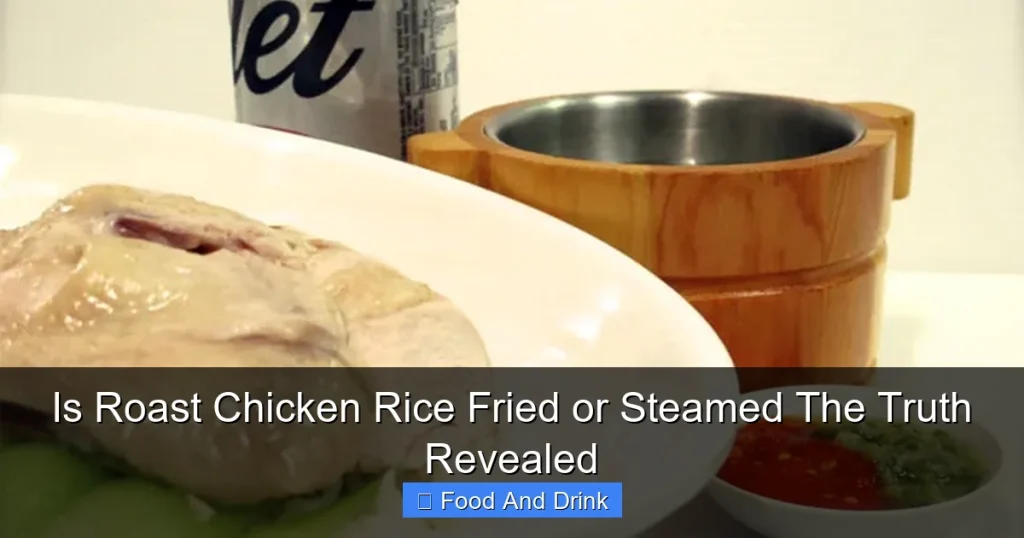

Roast chicken rice is not fried—it’s steamed or poached, then roasted for crisp skin. The rice is typically cooked in chicken broth for rich flavor, creating a savory, aromatic dish that’s beloved across Asia.
Key Takeaways
- Roast chicken rice is not fried: The chicken is steamed or poached first, then roasted to achieve crispy skin and tender meat.
- The rice is fragrant and flavorful: It’s usually cooked in chicken stock, garlic, ginger, and sometimes pandan leaves for depth.
- Origins in Hainan, China: The dish traces back to Hainanese immigrants who brought their roasting techniques to Southeast Asia.
- Popular variations exist: From Singaporean hawker stalls to Malaysian roadside cafes, each region adds its own twist.
- Served with signature sauces: Chili garlic sauce, dark soy, and ginger paste elevate the dish’s flavor profile.
- Healthier than fried alternatives: Since it’s not deep-fried, roast chicken rice is a lighter option compared to fried chicken dishes.
- Perfect balance of textures: Tender meat, crispy skin, and fluffy rice create a satisfying meal in every bite.
Quick Answers to Common Questions
Is roast chicken rice fried?
No, roast chicken rice is not fried. The chicken is first steamed or poached, then roasted to achieve crispy skin and tender meat.
What kind of rice is used in roast chicken rice?
Jasmine or long-grain white rice is typically used, cooked in chicken broth for added flavor.
Where did roast chicken rice originate?
It originated in Hainan, China, and was brought to Southeast Asia by Chinese immigrants.
What sauces are served with roast chicken rice?
Common sauces include chili garlic sauce, dark soy sauce, and ginger paste.
Is roast chicken rice healthy?
Yes, it’s generally healthier than fried chicken dishes because it’s not deep-fried and uses lean protein and broth-cooked rice.
📑 Table of Contents
- Is Roast Chicken Rice Fried or Steamed? The Truth Revealed
- The Origins of Roast Chicken Rice: A Journey from Hainan to the World
- How Is Roast Chicken Actually Prepared?
- The Rice: The Unsung Hero of the Dish
- Regional Variations: How Different Cultures Interpret Roast Chicken Rice
- Nutritional Profile: Is Roast Chicken Rice Healthy?
- Serving and Enjoying Roast Chicken Rice Like a Pro
- Conclusion: The Truth Is Clear—It’s Roasted, Not Fried
Is Roast Chicken Rice Fried or Steamed? The Truth Revealed
If you’ve ever stood in front of a hawker stall in Singapore, a food court in Kuala Lumpur, or even a Chinatown restaurant in San Francisco, you’ve likely seen it: a golden-brown chicken, glistening with savory juices, served over a bed of fragrant rice. The aroma alone is enough to stop you in your tracks. But here’s the question that’s probably crossed your mind: Is roast chicken rice fried?
The short answer? No—roast chicken rice is not fried. In fact, it’s one of the most misunderstood dishes in Asian cuisine. While the chicken may look crispy and golden like it’s been deep-fried, it’s actually prepared through a combination of steaming (or poaching) and roasting. This dual cooking method ensures the meat stays incredibly tender and juicy on the inside while developing a beautifully crisp, mahogany-colored skin on the outside.
And the rice? That’s not fried either. Instead, it’s simmered in rich chicken broth, often infused with garlic, ginger, and sometimes pandan leaves, giving it a fragrant, slightly savory flavor that complements the chicken perfectly. The result is a dish that’s comforting, aromatic, and deeply satisfying—without the heaviness of fried food.
So why the confusion? Part of it comes from the appearance. The chicken’s skin is so crisp and golden that it’s easy to assume it’s been dunked in hot oil. But traditional roast chicken rice relies on dry-heat roasting, not frying. The technique is more akin to how you’d prepare a Sunday roast at home—just with a lot more flavor and cultural flair.
The Origins of Roast Chicken Rice: A Journey from Hainan to the World
Visual guide about Is Roast Chicken Rice Fried or Steamed The Truth Revealed
Image source: mustsharenews.com
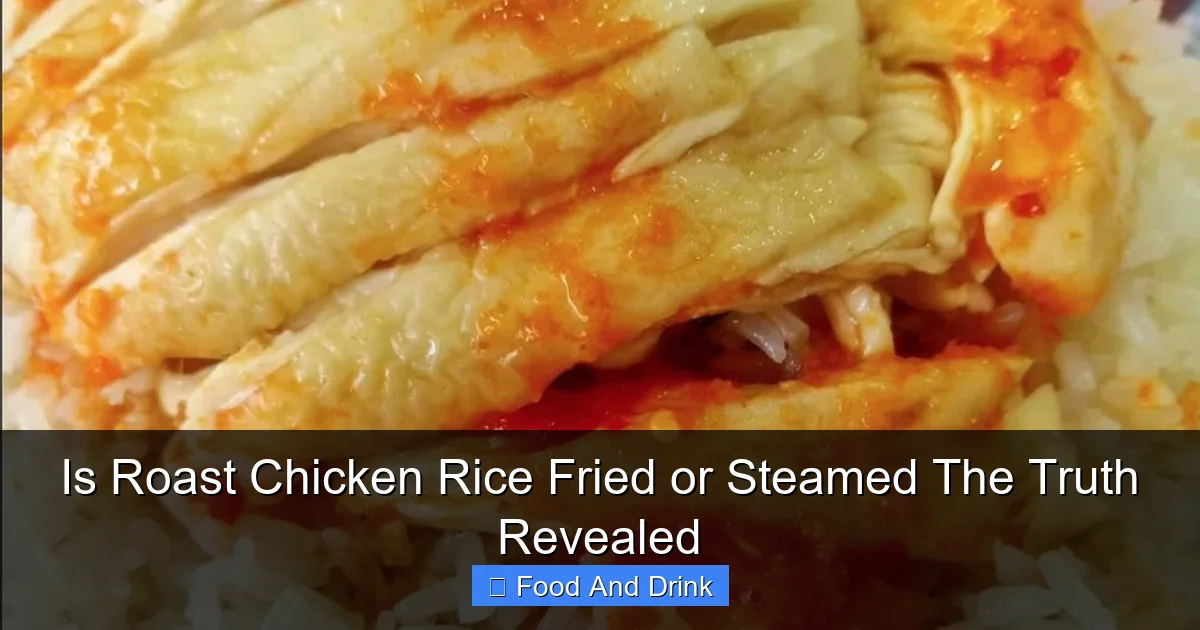
To truly understand whether roast chicken rice is fried or steamed, it helps to know where it came from. The dish has its roots in Hainan, a tropical island province in southern China. There, a dish called Wenchang chicken—named after a county in Hainan—was traditionally prepared by poaching free-range chickens in a flavorful broth and serving them with fragrant rice.
When Chinese immigrants from Hainan began migrating to Southeast Asia in the 19th and early 20th centuries, they brought their culinary traditions with them. In places like Singapore, Malaysia, and Thailand, they adapted their recipes to local tastes and ingredients, giving birth to what we now know as Hainanese chicken rice.
Over time, two main styles emerged: steamed chicken rice and roast chicken rice. The steamed version features poached chicken served cold or at room temperature, with the skin soft and the meat silky. The roast version, on the other hand, involves roasting the chicken after an initial steaming or poaching step, resulting in that iconic crispy skin.
Despite the name, neither version is fried. The “roast” in roast chicken rice refers to the final cooking method—dry-heat roasting in an oven or over a flame—not frying. This distinction is crucial, because it affects everything from texture to nutrition.
How Is Roast Chicken Actually Prepared?
Visual guide about Is Roast Chicken Rice Fried or Steamed The Truth Revealed
Image source: 4.bp.blogspot.com
So, if roast chicken rice isn’t fried, how exactly is it made? Let’s break down the process step by step.
Step 1: Poaching or Steaming the Chicken
The journey begins with a whole chicken—usually a young, tender bird like a spring chicken or a heritage breed. The chicken is first cleaned and often blanched briefly in boiling water to tighten the skin and remove impurities.
Then, it’s submerged in a pot of gently simmering water or steamed over broth. This step is critical. The chicken is cooked slowly at a low temperature—usually around 85–90°C (185–195°F)—to ensure the meat remains moist and never dries out. Some chefs add aromatics like ginger, garlic, scallions, and rock sugar to the poaching liquid to infuse the meat with subtle flavor.
This initial cooking method is what sets roast chicken rice apart from fried chicken. Instead of being submerged in hot oil, the chicken is gently cooked in liquid, preserving its natural juices and tenderness.
Step 2: Air-Drying and Seasoning
Once the chicken is fully cooked, it’s removed from the liquid and allowed to cool. At this stage, many chefs will air-dry the chicken, sometimes for several hours or even overnight in a cool, ventilated space. This step is essential for achieving crispy skin later on. Moisture on the surface of the skin prevents it from browning properly, so drying it out is a must.
After drying, the chicken is often brushed with a mixture of soy sauce, honey, or maltose syrup. This glaze not only adds color but also helps the skin caramelize during roasting, giving it that deep golden hue.
Step 3: Roasting to Perfection
Now comes the roasting. The chicken is placed in a hot oven—typically around 180–200°C (350–400°F)—and roasted until the skin is crisp and evenly browned. Some traditional kitchens use wood-fired ovens or rotisserie setups, which add a subtle smoky flavor.
The roasting process can take anywhere from 30 minutes to over an hour, depending on the size of the bird. The key is to cook it slowly enough that the meat stays juicy but hot enough to render the fat under the skin and crisp it up.
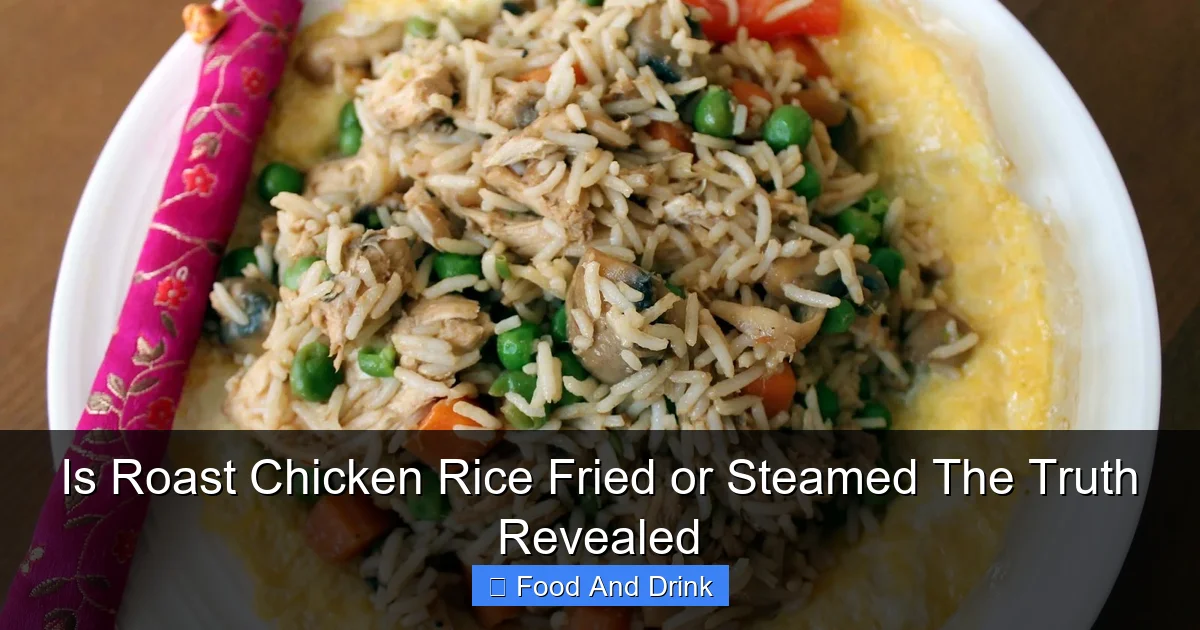
The result? A chicken that’s tender and succulent on the inside, with a crackling, golden-brown exterior. No oil bath required.
The Rice: The Unsung Hero of the Dish
Visual guide about Is Roast Chicken Rice Fried or Steamed The Truth Revealed
Image source: image.shutterstock.com
While the chicken gets all the attention, the rice is what truly makes roast chicken rice special. And no, it’s not fried rice.
How the Rice Is Cooked
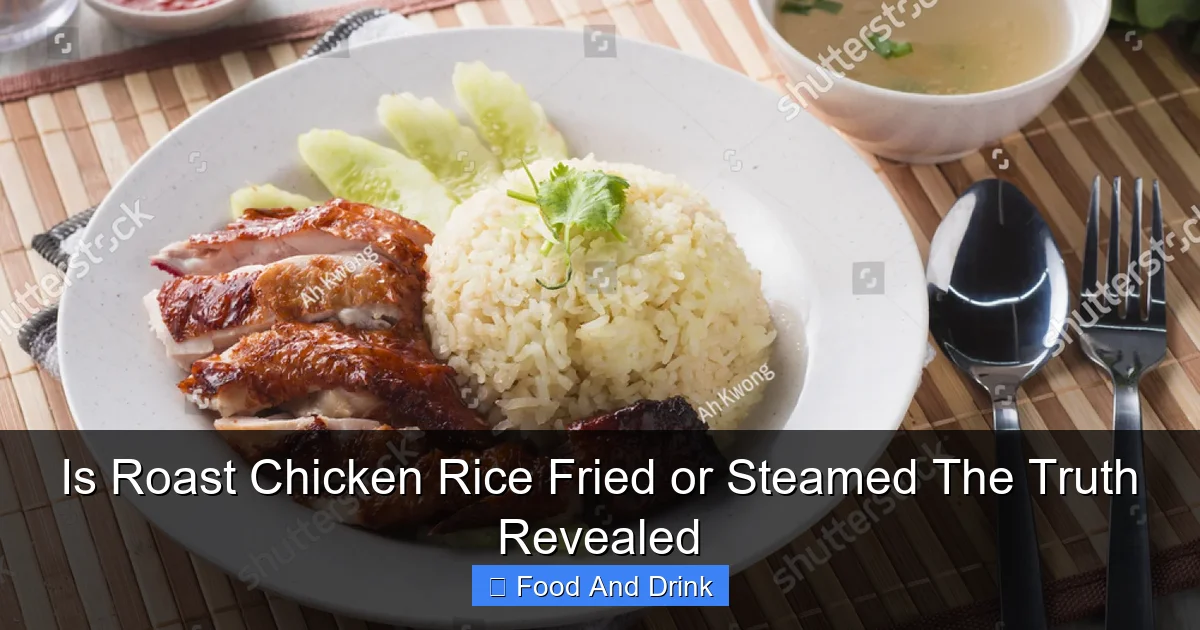
The rice used in roast chicken rice is typically jasmine or long-grain white rice. But what sets it apart is how it’s prepared. Instead of being cooked in plain water, the rice is simmered in the same flavorful broth used to poach the chicken.
This broth is often enriched with garlic, ginger, pandan leaves, and sometimes chicken fat. As the rice absorbs the liquid, it soaks up all those savory, aromatic notes, transforming from a bland side dish into a flavorful centerpiece.
Some chefs go a step further by sautéing the rice in a bit of chicken fat or oil before adding the broth. This adds a nutty depth and helps the grains stay separate and fluffy.
Why It’s Not Fried
Unlike fried rice—which is cooked by stir-frying pre-cooked rice with oil, vegetables, and proteins—the rice in roast chicken rice is gently simmered. There’s no high-heat wok action, no scrambling of eggs, and no soy sauce-heavy seasoning.
The goal is subtlety and harmony. The rice should complement the chicken, not compete with it. Its mild, fragrant flavor allows the natural taste of the meat and the accompanying sauces to shine.
Regional Variations: How Different Cultures Interpret Roast Chicken Rice
While the core concept remains the same, roast chicken rice has evolved in different parts of the world, each adding its own twist.
Singapore and Malaysia: The Gold Standard
In Singapore and Malaysia, roast chicken rice is a hawker staple. The chicken is often roasted with a blend of five-spice powder, soy sauce, and honey, giving it a slightly sweet and aromatic flavor. The rice is cooked in chicken stock and sometimes garnished with fried shallots or cucumber slices.
One hallmark of Singaporean-style roast chicken rice is the accompaniments: a fiery chili garlic sauce, a drizzle of dark soy sauce, and a side of clear chicken broth soup. These elements balance the richness of the dish and add layers of flavor.
Thailand: A Spicy Twist
In Thailand, the dish is known as khao man gai and often includes a side of garlic-chili sauce and pickled vegetables. The chicken may be steamed rather than roasted, but the rice is still cooked in chicken broth. Thai versions tend to be lighter and more herb-forward, with a focus on freshness.
Hong Kong and Southern China: Crispy Skin, Bold Flavors
In Hong Kong and parts of southern China, roast chicken rice leans toward Cantonese roasting techniques. The chicken is often marinated in a mixture of soy sauce, hoisin, and five-spice before roasting, resulting in a darker, more intensely flavored bird. The rice may include char siu (barbecued pork) or other roasted meats, making it a more substantial meal.
Western Adaptations: Fusion and Innovation
In the West, especially in cities with large Asian populations, chefs have put their own spin on roast chicken rice. Some versions use sous-vide cooking for ultra-tender meat, while others serve it with quinoa or brown rice for a healthier twist. Fusion versions might include kimchi, sriracha mayo, or even truffle oil.
But despite the creativity, the fundamental truth remains: roast chicken rice is not fried.
Nutritional Profile: Is Roast Chicken Rice Healthy?
Given that it’s not deep-fried, roast chicken rice is generally a healthier option than many other popular chicken dishes—especially when compared to fried chicken, chicken nuggets, or General Tso’s chicken.
Lower in Fat and Calories
Because the chicken is roasted rather than fried, it absorbs far less oil. A typical serving of roast chicken rice contains significantly fewer calories and less fat than a comparable portion of fried chicken. The skin does contain fat, but much of it renders out during roasting.
The rice, while still a source of carbohydrates, is not cooked in oil like fried rice. When prepared traditionally, it’s a relatively clean source of energy.
High in Protein
Chicken is an excellent source of lean protein, and roast chicken rice delivers a hearty dose. Protein helps with muscle repair, keeps you full longer, and supports overall health.
Watch the Sauces
The main nutritional caveat? The sauces. While delicious, the chili garlic sauce and dark soy sauce can be high in sodium and sugar. A little goes a long way. Opting for smaller portions or asking for sauces on the side can help keep sodium and calorie intake in check.
Balanced Meal Potential
When served with a side of steamed vegetables or a fresh cucumber salad, roast chicken rice can be part of a balanced, nutritious meal. It provides protein, complex carbs, and a touch of healthy fat—especially if you enjoy the skin in moderation.
Serving and Enjoying Roast Chicken Rice Like a Pro
Now that you know roast chicken rice isn’t fried, here’s how to enjoy it the right way.
The Right Way to Eat It
Start with a bite of the chicken—skin first, if you like it crispy. Then, take a spoonful of rice, followed by a dab of chili sauce. The combination of textures and flavors is what makes the dish so addictive.
Many people also enjoy sipping the clear chicken broth that often comes alongside. It’s light, soothing, and helps cleanse the palate between bites.
Pairing Suggestions
Roast chicken rice pairs beautifully with:
– A cold glass of barley water or chrysanthemum tea
– A side of pickled vegetables or kimchi for tang
– A simple cucumber and tomato salad
Avoid heavy drinks like soda or sweet tea, which can overwhelm the dish’s delicate balance.
Making It at Home
Want to try making roast chicken rice at home? Here’s a quick tip: use a whole chicken and poach it in a broth with ginger, garlic, and scallions. Once cooked, pat it dry, brush it with a soy-honey glaze, and roast it in the oven until the skin is crisp.
For the rice, sauté jasmine rice in a bit of chicken fat, then simmer it in the poaching broth. Serve with homemade chili sauce (blend red chilies, garlic, vinegar, and sugar) and enjoy!
Conclusion: The Truth Is Clear—It’s Roasted, Not Fried
So, is roast chicken rice fried? The answer is a definitive no. This beloved dish is a masterpiece of balance—tender, juicy chicken with crispy skin, served over fragrant, broth-infused rice. It’s a testament to the skill of traditional cooking methods that prioritize flavor and texture over convenience.
From its humble beginnings in Hainan to its global popularity today, roast chicken rice has remained true to its roots: simple, satisfying, and deeply comforting. And while it may look like it’s been fried, every bite proves that the real magic lies in the gentle art of steaming, roasting, and slow-cooked flavor.
Next time you’re faced with a plate of golden roast chicken rice, take a moment to appreciate the craftsmanship behind it. It’s not just a meal—it’s a culinary tradition, perfected over generations, and best enjoyed without a drop of frying oil.
Frequently Asked Questions
Is the chicken in roast chicken rice deep-fried?
No, the chicken is not deep-fried. It is first poached or steamed to keep the meat tender, then roasted to crisp the skin.
Can I make roast chicken rice at home?
Absolutely! You can poach a whole chicken, roast it with a soy-honey glaze, and cook rice in the poaching broth for an authentic taste.
Why is the rice in roast chicken rice so flavorful?
The rice is cooked in the same broth used to poach the chicken, which is infused with garlic, ginger, and sometimes pandan leaves.
What’s the difference between steamed and roast chicken rice?
Steamed chicken rice features poached chicken with soft skin, while roast chicken rice has crispy skin from roasting after poaching.
Is roast chicken rice gluten-free?
It can be, but traditional soy sauce contains wheat. Use tamari or a gluten-free soy alternative to make it safe for gluten-sensitive diners.
How long does it take to make roast chicken rice?
From start to finish, it takes about 2–3 hours, including poaching, drying, roasting, and rice cooking time.


