

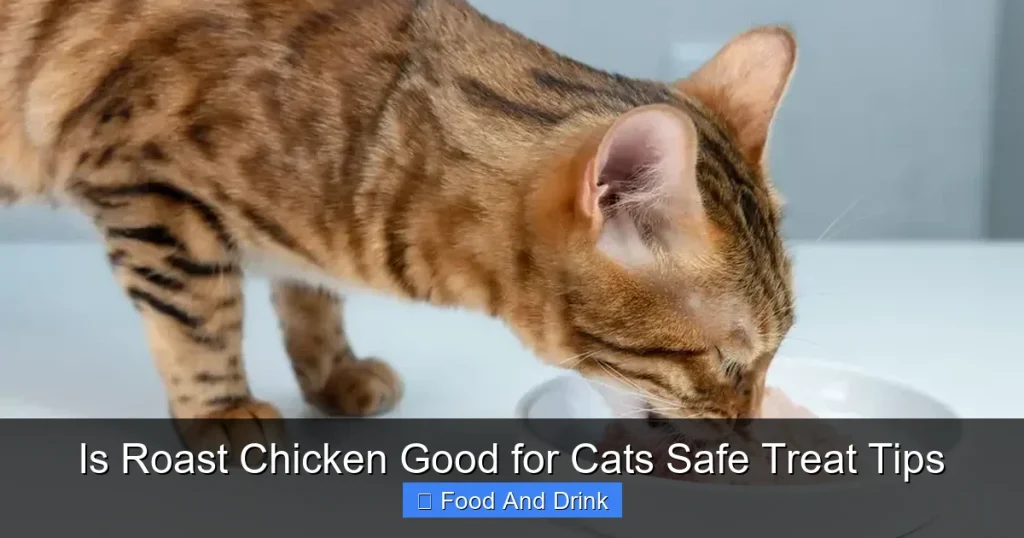

Roast chicken can be a healthy, protein-rich treat for cats when prepared properly—plain, boneless, and unseasoned. However, it should never replace a balanced commercial diet and must be given in moderation to avoid digestive upset or nutritional imbalances.
Key Takeaways
- Plain roast chicken is safe: When cooked without salt, garlic, onions, or oils, roast chicken offers high-quality protein that supports your cat’s muscle health and energy needs.
- Avoid bones at all costs: Cooked chicken bones can splinter and cause choking, intestinal blockages, or internal injuries—always remove them completely.
- No seasonings or sauces: Onion, garlic, butter, and spices are toxic to cats and can lead to anemia or gastrointestinal distress.
- Serve in small portions: Treats like roast chicken should make up no more than 10% of your cat’s daily caloric intake to maintain nutritional balance.
- Watch for allergies or sensitivities: Introduce roast chicken slowly and monitor for vomiting, diarrhea, or lethargy—some cats may react poorly even to plain meat.
- Never replace meals: Roast chicken lacks essential nutrients like taurine, calcium, and vitamins found in complete cat food—use only as an occasional treat.
- Consult your vet first: Especially if your cat has kidney disease, pancreatitis, or other health conditions that require dietary restrictions.
Quick Answers to Common Questions
Can I give my cat rotisserie chicken?
No—most store-bought rotisserie chickens are seasoned with garlic, onion, salt, and preservatives that are toxic to cats. Always choose plain, unseasoned chicken and cook it yourself.
Is it okay to feed my cat chicken every day?
While small amounts of plain roast chicken can be given occasionally, daily feeding may lead to nutritional imbalances. Stick to treats no more than 2–3 times per week.
Can kittens eat roast chicken?
Kittens under 12 weeks should only eat specially formulated kitten food. Older kittens can have tiny amounts of plain, cooked chicken as an occasional treat—but never as a meal replacement.
What if my cat eats a chicken bone?
Contact your vet immediately. Cooked bones can splinter and cause life-threatening internal injuries. Do not induce vomiting unless instructed by a professional.
Can I freeze roast chicken for my cat?
Yes! Cooked, boneless chicken can be frozen in small portions for up to 3 months. Thaw in the refrigerator before serving and never refreeze.
📑 Table of Contents
- Is Roast Chicken Good for Cats? A Complete Guide to Safe Feeding
- Why Cats Love Roast Chicken (And What Makes It Nutritious)
- How to Safely Prepare Roast Chicken for Your Cat
- Portion Control and Frequency: How Much Is Too Much?
- Potential Risks and When to Call the Vet
- Alternatives and Supplements: Beyond Roast Chicken
- Final Thoughts: Balancing Love and Safety
Is Roast Chicken Good for Cats? A Complete Guide to Safe Feeding
If you’ve ever watched your cat eye your dinner plate with intense focus—especially when there’s roast chicken involved—you’re not alone. Many cat owners wonder: *Can my feline friend enjoy this delicious, juicy meat too?* The short answer is yes… but with important caveats. Roast chicken can be a safe and even beneficial treat for cats—if prepared and served correctly.
Cats are obligate carnivores, meaning their bodies are biologically designed to thrive on animal-based proteins. In the wild, their ancestors hunted small prey like birds and rodents, deriving most of their nutrition from muscle meat, organs, and bones. This evolutionary background makes high-protein foods like chicken naturally appealing—and nutritionally appropriate—in moderation. However, domesticated cats have different needs than their wild counterparts, and human food often comes with hidden dangers like seasonings, fats, and bones that can harm them.
So while that golden-brown roast chicken might look tempting to share, it’s crucial to understand how to offer it safely. This guide will walk you through everything you need to know—from preparation methods and portion control to potential risks and vet-approved tips—so you can treat your cat without compromising their health.
Why Cats Love Roast Chicken (And What Makes It Nutritious)
Visual guide about Is Roast Chicken Good for Cats Safe Treat Tips
Image source: shungrill.com
The Appeal of Meat for Obligate Carnivores
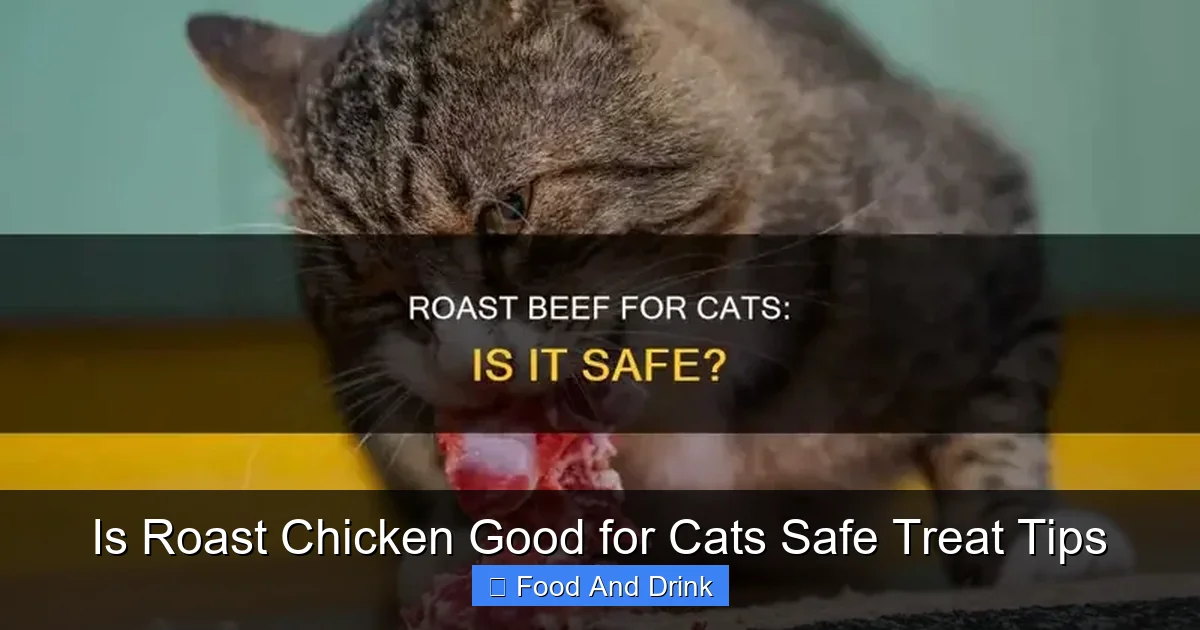
Cats have a strong instinctual drive to seek out meat. Their taste receptors are tuned to detect amino acids like taurine and arginine, which are abundant in animal tissue. Unlike humans, cats don’t crave sweets—they’re drawn to savory, umami flavors found in cooked meats like chicken. That’s why your cat might leap onto the counter the moment you pull a roast chicken out of the oven.
Roast chicken, when plain and properly prepared, aligns perfectly with a cat’s natural dietary preferences. It’s rich in lean protein, which supports muscle maintenance, healthy skin, and a shiny coat. Protein also provides sustained energy without spiking blood sugar levels—a major advantage over carbohydrate-heavy treats.
Key Nutrients in Plain Roast Chicken
A 3-ounce serving of skinless, roasted chicken breast contains approximately:
– 28 grams of high-quality protein
– 120 calories
– Minimal fat (if skin is removed)
– Small amounts of B vitamins (like niacin and B6)
– Trace minerals such as selenium and phosphorus
These nutrients are essential for feline health. For example, taurine—an amino acid found in muscle meat—is critical for heart function, vision, and immune support. While commercial cat foods are fortified with taurine, fresh meats like chicken naturally contain it, making them a valuable supplemental source.
However, it’s important to note that roast chicken alone doesn’t provide a complete nutritional profile. It lacks sufficient calcium, vitamin E, and certain fatty acids that cats need in balanced ratios. That’s why it should never replace a vet-recommended, commercially prepared cat food.
How to Safely Prepare Roast Chicken for Your Cat
Visual guide about Is Roast Chicken Good for Cats Safe Treat Tips
Image source: dt2n0xjvnpvnu.cloudfront.net
Step-by-Step: Making Cat-Safe Roast Chicken
Preparing roast chicken for your cat isn’t complicated—but attention to detail is key. Follow these steps to ensure safety and palatability:
1. **Choose plain, unseasoned chicken**: Buy fresh or frozen chicken breasts or thighs with no added marinades, spices, or salt. Avoid rotisserie chickens from stores, as they’re often loaded with garlic, onion powder, and preservatives.
2. **Cook thoroughly**: Roast, bake, or boil the chicken until it reaches an internal temperature of 165°F (74°C). This kills harmful bacteria like Salmonella and E. coli that could sicken your cat.
3. **Remove all bones**: Cooked bones become brittle and can splinter easily. Even small fragments can lodge in the throat or puncture the digestive tract. Double-check every piece before serving.
4. **Skip the skin and fat**: While cats enjoy the taste of fatty meat, excess fat can trigger pancreatitis—a painful and potentially dangerous inflammation of the pancreas. Trim visible fat and discard the skin.
5. **Cool completely**: Let the chicken cool to room temperature before offering it to your cat. Hot food can burn their mouth or cause discomfort.
6. **Cut into bite-sized pieces**: Shred or dice the meat into small, manageable chunks. This reduces choking risk and makes it easier for your cat to chew and digest.
What to Avoid at All Costs
Never give your cat roast chicken that includes:
– **Onion or garlic** (even in powdered form)—these cause oxidative damage to red blood cells, leading to anemia.
– **Salt or soy sauce**—excess sodium can lead to dehydration, vomiting, or sodium ion poisoning.
– **Butter, oil, or cooking sprays**—added fats increase calorie density and risk of digestive upset.
– **Herbs like sage, thyme, or rosemary**—while generally safe in tiny amounts, concentrated forms can irritate a cat’s stomach.
– **Gravy or pan drippings**—these often contain onions, salt, and fat, all of which are harmful.
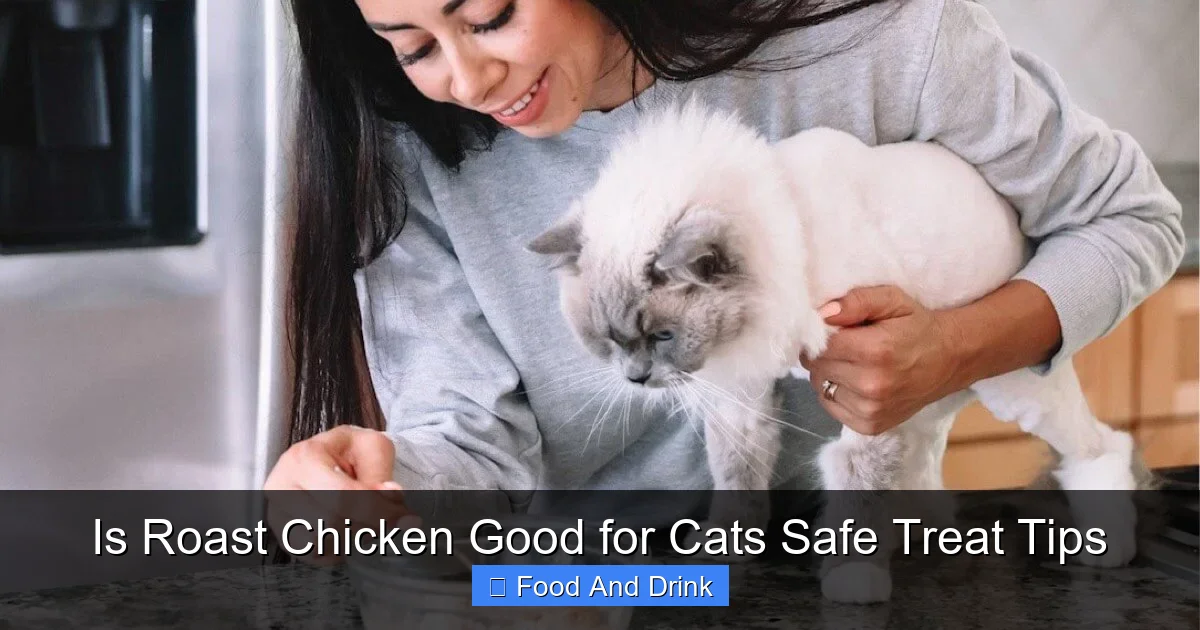
If you’re roasting a chicken for your family, consider setting aside a plain portion *before* adding seasonings. This ensures your cat gets a safe treat without requiring extra cooking time.
Portion Control and Frequency: How Much Is Too Much?
Visual guide about Is Roast Chicken Good for Cats Safe Treat Tips
Image source: images.contentstack.io
Understanding Treat Limits
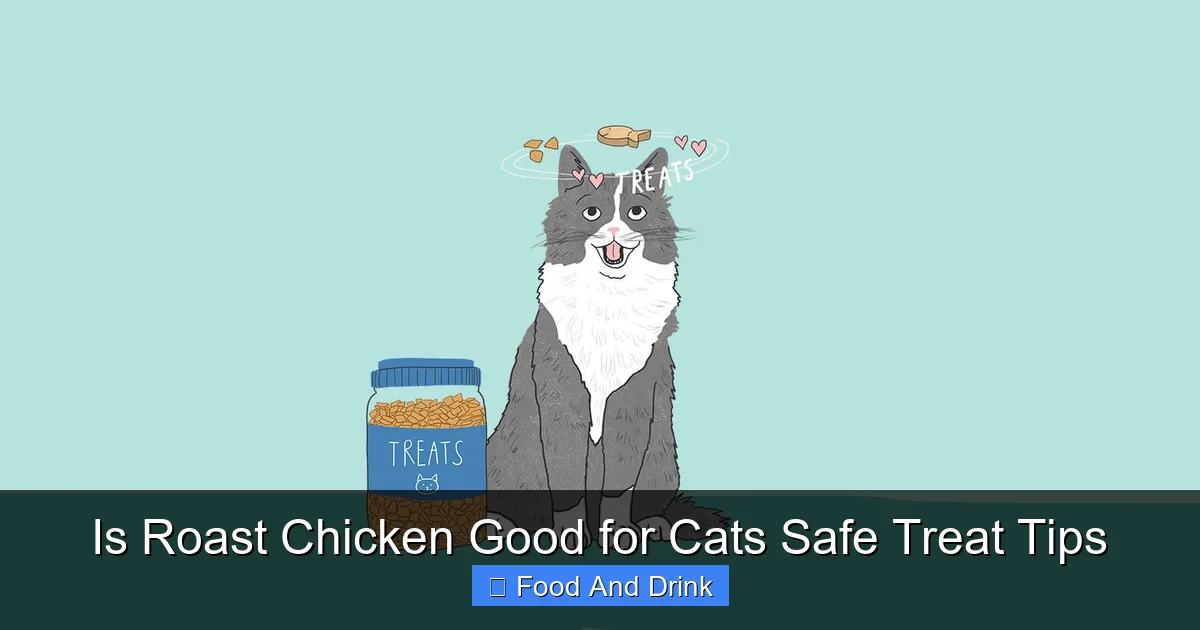
The general rule for pet treats is the “10% rule”: treats should not exceed 10% of your cat’s total daily caloric intake. For an average 10-pound indoor cat, that’s about 200–250 calories per day, meaning treats should be limited to 20–25 calories.
A single tablespoon of shredded, skinless roast chicken breast contains roughly 15–20 calories. That means you can safely offer 1–2 tablespoons per day as a treat—no more. Overfeeding, even with healthy foods, can lead to obesity, which increases the risk of diabetes, arthritis, and heart disease.
Signs You’re Overdoing It
Watch for these red flags that your cat may be getting too much roast chicken:
– Loose stools or diarrhea
– Vomiting
– Lethargy or decreased interest in regular food
– Weight gain or bloating
If any of these occur, stop giving chicken immediately and consult your veterinarian. It’s also wise to keep a food diary to track how often and how much you’re offering.
When to Skip the Treat
Avoid giving roast chicken (or any new food) if your cat:
– Is on a prescription diet for kidney disease, urinary issues, or food allergies
– Has a history of pancreatitis or inflammatory bowel disease (IBD)
– Is under 12 weeks old (kittens need specialized kitten food for proper growth)
– Is recovering from surgery or illness
Always check with your vet before introducing new foods, especially if your cat has chronic health conditions.
Potential Risks and When to Call the Vet
Common Dangers of Improperly Prepared Chicken
Even with the best intentions, mistakes can happen. Here are the most serious risks associated with feeding roast chicken to cats:
– **Bone ingestion**: Cooked chicken bones are extremely hazardous. They can cause choking, esophageal tears, or intestinal perforation. Symptoms include gagging, drooling, vomiting, or difficulty defecating. This is a medical emergency.
– **Foodborne illness**: Raw or undercooked chicken may contain Salmonella or Campylobacter. While healthy cats may not show symptoms, they can become carriers and infect humans or other pets. Always cook thoroughly.
– **Pancreatitis**: High-fat meats can trigger this painful condition, especially in overweight or senior cats. Signs include abdominal pain, vomiting, and loss of appetite.
– **Nutritional imbalances**: Relying on chicken as a primary food source can lead to deficiencies in taurine, calcium, and vitamin D, causing serious health problems over time.
When to Seek Immediate Veterinary Care
Contact your vet or an emergency clinic right away if your cat:
– Swallows a chicken bone
– Shows signs of choking (pawing at mouth, gasping)
– Has persistent vomiting or diarrhea after eating chicken
– Appears weak, disoriented, or in pain
– Stops eating or drinking for more than 24 hours
Early intervention can prevent complications and save your cat’s life.
Alternatives and Supplements: Beyond Roast Chicken
Other Safe Human Foods for Cats
If you’re looking to vary your cat’s treats, consider these vet-approved options:
– **Cooked turkey or lean beef** (plain, unseasoned, boneless)
– **Steamed or boiled fish** (like salmon or cod—avoid raw fish and limit due to mercury)
– **Scrambled eggs** (cooked without butter or oil)
– **Small pieces of cooked pumpkin** (great for digestion, but only plain, unsweetened)
Always introduce new foods gradually and in tiny amounts to test for tolerance.
Commercial Treats vs. Homemade Options
While homemade roast chicken can be a healthy treat, high-quality commercial cat treats offer convenience and nutritional consistency. Look for brands that:
– List real meat as the first ingredient
– Are free from artificial colors, flavors, and preservatives
– Are formulated for cats (not dogs or humans)
– Have undergone AAFCO feeding trials
Some popular vet-recommended brands include Wellness, Blue Buffalo, and PureBites. However, even the best treats should follow the 10% rule.
Supplementing with Wet Food or Broth
For cats who love the taste of chicken, consider switching to a high-moisture wet food with real chicken as the primary ingredient. Canned foods often contain added taurine, vitamins, and water—supporting hydration and urinary health. You can also offer low-sodium chicken broth (with no onions or garlic) as a hydrating treat, especially for cats prone to kidney issues.
Final Thoughts: Balancing Love and Safety
Sharing a bite of your roast chicken with your cat can be a bonding experience—but it’s one that requires responsibility. While plain, boneless, unseasoned roast chicken is generally safe and nutritious in small amounts, it’s not a substitute for a balanced diet. Always prioritize your cat’s long-term health over short-term indulgence.
Remember: moderation, preparation, and vigilance are your best tools. When in doubt, consult your veterinarian. They can help you tailor treat choices to your cat’s age, weight, and health status.
By following these guidelines, you can safely enjoy those precious moments when your cat curls up beside you, purring contentedly after a tiny taste of your dinner—knowing you’ve given them a treat that’s both delicious and safe.
Frequently Asked Questions
Is roast chicken good for cats with kidney disease?
Cats with kidney disease often require low-phosphorus diets. While plain chicken is lower in phosphorus than some meats, it should only be given under veterinary supervision. Your vet may recommend a prescription renal diet instead.
Can roast chicken help my cat gain weight?
In underweight cats, small amounts of high-calorie, protein-rich foods like roast chicken can support healthy weight gain. However, work with your vet to determine the cause of weight loss and ensure balanced nutrition.
Why does my cat vomit after eating chicken?
Vomiting could indicate a food sensitivity, overeating, or ingestion of bones or seasonings. Stop feeding chicken and consult your vet if symptoms persist or worsen.
Is raw chicken safe for cats?
No. Raw chicken carries a high risk of bacterial contamination (like Salmonella) and may contain parasites. Always cook chicken thoroughly before offering it to your cat.
Can I mix roast chicken with my cat’s regular food?
Yes—mixing a small amount of shredded chicken into wet food can encourage picky eaters to drink more water and enjoy their meals. Just ensure it doesn’t exceed the 10% treat limit.
How do I know if my cat is allergic to chicken?
Food allergies in cats often cause skin irritation, excessive grooming, ear infections, or digestive issues. If you suspect an allergy, your vet may recommend an elimination diet to identify the trigger.


