



Plain roast chicken made with just chicken, salt, pepper, and herbs is naturally gluten free. However, many store-bought or restaurant versions contain hidden gluten in marinades, seasonings, or cooking methods. Always check ingredients and ask questions to ensure your roast chicken stays safe on a gluten-free diet.
Key Takeaways
- Plain roast chicken is gluten free: When cooked with simple, whole ingredients like olive oil, salt, pepper, and fresh herbs, roast chicken contains no gluten.
- Hidden gluten is common: Pre-made seasoning blends, marinades, gravies, and stuffing often contain wheat, soy sauce, or malt vinegar—common gluten sources.
- Cross-contamination risks exist: Even gluten-free roast chicken can become unsafe if cooked on shared surfaces, in fryers with breaded foods, or with contaminated utensils.
- Restaurant roast chicken isn’t always safe: Many restaurants use gluten-containing rubs or basting sauces. Always ask about ingredients and prep methods.
- Read labels carefully: If using store-bought broth, spices, or sauces, verify they’re certified gluten free to avoid accidental exposure.
- Homemade is safest: Preparing roast chicken at home gives you full control over ingredients and cooking environment.
- Gluten-free certification helps: Look for certified gluten-free labels on packaged ingredients for added peace of mind.
Quick Answers to Common Questions
Is plain roast chicken gluten free?
Yes, plain roast chicken made with just chicken, oil, salt, pepper, and herbs is naturally gluten free.
Can I eat restaurant roast chicken on a gluten-free diet?
It depends. Many restaurants use gluten-containing seasonings or marinades. Always ask about ingredients and preparation methods.
What should I avoid when making gluten-free roast chicken?
Avoid pre-made spice blends, soy sauce, malt vinegar, and flour-thickened gravies unless they’re labeled gluten free.
Is rotisserie chicken from the store gluten free?
Not always. Many store-bought rotisserie chickens use seasoning blends with hidden gluten. Always check the ingredient list.
How can I prevent cross-contamination when roasting chicken?
Use clean pans, utensils, and racks. Avoid shared surfaces with gluten-containing foods, and use separate basting brushes.
📑 Table of Contents
Is Roast Chicken Gluten Free? The Simple Answer
When you think of a golden, crispy-skinned roast chicken fresh from the oven, your first thought probably isn’t about gluten. After all, it’s just chicken, right? Well, here’s the good news: plain roast chicken is naturally gluten free. Chicken itself contains no gluten—gluten is a protein found only in wheat, barley, rye, and their derivatives. So if you’re roasting a whole bird with nothing but olive oil, salt, pepper, garlic, and rosemary, you’re in the clear.
But—and this is a big but—things get complicated when you start adding ingredients, especially in restaurants or pre-packaged meals. Many people assume that because chicken is a “natural” food, it’s automatically safe on a gluten-free diet. That’s not always true. The way the chicken is prepared, seasoned, or cooked can introduce gluten, even if the bird itself is innocent.
For example, some popular spice blends contain hidden wheat as a filler. Others use soy sauce (which often includes wheat) in marinades. And let’s not forget about cross-contamination—roasting chicken in a pan that previously held breaded chicken cutlets, or basting it with a sauce made on a shared stove, can easily introduce gluten particles.
So while the core ingredient—chicken—is gluten free, the final dish might not be. That’s why it’s so important to understand not just what’s in your roast chicken, but how it’s made. Whether you’re cooking at home or dining out, knowing the details can mean the difference between a safe meal and a reaction.
What Makes Roast Chicken Gluten Free (or Not)?
Visual guide about Is Roast Chicken Gluten Free Find Out Now
Image source: i0.wp.com
To truly answer “Is roast chicken gluten free?” we need to break down the components that go into making it. Let’s start with the basics: the chicken itself. Fresh, raw chicken from the butcher or grocery store is gluten free. No processing, no additives—just pure poultry. That’s your foundation.
Now, let’s talk about what you add to it. The most common ingredients in roast chicken are oil, salt, pepper, herbs, and sometimes garlic or citrus. All of these are naturally gluten free when used in their pure forms. Olive oil? Gluten free. Sea salt? Gluten free. Fresh rosemary and thyme? Also gluten free. So if you’re keeping it simple, you’re golden.
But here’s where things can go sideways. Many home cooks and restaurants use pre-made seasoning mixes to save time. These can be sneaky sources of gluten. For instance, some “all-purpose” spice blends contain wheat starch or maltodextrin derived from barley. Even some garlic powders or onion powders are cut with wheat flour to prevent clumping. That’s why reading labels is crucial.
Then there’s the issue of marinades and basting sauces. A classic herb butter baste is usually safe, but if you’re using a store-bought marinade, check the label. Ingredients like soy sauce, Worcestershire sauce, or teriyaki sauce often contain wheat. Even some vinegars—like malt vinegar—are made from barley and are not gluten free.
And don’t forget about the cooking process. If you’re roasting chicken in a pan that’s also used for breaded foods, or if you’re using a brush that’s been dipped in a gluten-containing sauce, cross-contamination can occur. Gluten particles are tiny and can linger on surfaces, utensils, and even in the air if flour is being used nearby.
So, to sum it up: roast chicken is gluten free when made with clean, simple ingredients and prepared in a gluten-free environment. But once you introduce processed seasonings, sauces, or shared cooking tools, the risk increases.
Common Hidden Gluten Sources in Roast Chicken
Let’s dive deeper into the hidden culprits that can turn a gluten-free roast chicken into a problem. One of the biggest offenders is pre-made seasoning blends. Brands like “Everything But the Bagel” or “Chicken Rub” may sound harmless, but many contain anti-caking agents or fillers made from wheat. Always check the label for “wheat,” “barley,” “rye,” or “malt”—or better yet, look for a certified gluten-free label.
Another common issue is soy sauce and similar condiments. Traditional soy sauce is made with wheat, which means it’s not gluten free. If a recipe calls for soy sauce in the marinade or basting liquid, swap it out for tamari (make sure it’s labeled gluten free) or coconut aminos. Worcestershire sauce is another sneaky one—many brands contain malt vinegar, which is derived from barley.
Broths and stocks can also be problematic. While homemade broth is usually safe, store-bought versions often include flavor enhancers or thickeners that contain gluten. Look for broths labeled “gluten free” or make your own using certified gluten-free ingredients.
And then there’s stuffing. If you’re roasting a chicken with stuffing inside the cavity, that stuffing is almost certainly made with bread—meaning it’s full of gluten. Even if the chicken itself is clean, the stuffing can leak juices into the meat during cooking, potentially contaminating it. If you want stuffing, serve it on the side and make a gluten-free version using gluten-free bread.
Finally, gravy is a major red flag. Most traditional gravies are thickened with flour, which is wheat-based. If you’re serving roast chicken with gravy, either make a gluten-free version using cornstarch or arrowroot, or skip it altogether.
Restaurant Roast Chicken: A Gluten Minefield?

Visual guide about Is Roast Chicken Gluten Free Find Out Now
Image source: glutenfreenosubstitutes.files.wordpress.com
Now, let’s talk about eating out. You spot a beautiful roast chicken on the menu at your favorite restaurant. It looks simple, rustic, and delicious. But is it safe? The answer is: maybe.
Restaurant kitchens are busy places, and cross-contamination is a real risk. Even if the chef uses gluten-free ingredients, the chicken might be roasted on a rack that’s also used for breaded items, or basted with a sauce that contains soy sauce. Some restaurants even inject their chickens with flavor solutions that include wheat-based ingredients.
That’s why it’s so important to ask questions. Don’t be shy—your health is worth it. When you order roast chicken, ask:
– What’s in the seasoning rub?
– Is the chicken marinated? If so, what’s in the marinade?
– Is it roasted on a shared pan or rack?
– Is there stuffing inside the chicken?
– Is gravy served on the side? If so, how is it thickened?
A good restaurant will have answers and may even have a gluten-free menu or protocol. Some places even have dedicated gluten-free prep areas. But if the staff seems unsure or gives vague answers, it’s better to skip the chicken and choose something safer.
One tip: look for restaurants that specialize in whole foods or farm-to-table cuisine. These places are more likely to use simple, high-quality ingredients and be aware of dietary restrictions. Ethnic restaurants can be tricky—some cuisines, like Chinese or Japanese, use soy sauce heavily, while others, like Mediterranean, often rely on olive oil, herbs, and lemon, which are naturally gluten free.
Also, consider calling ahead. If you’re planning to dine somewhere new, call the restaurant and ask about their gluten-free options. Many places are happy to accommodate and may even offer to prepare your roast chicken separately.
Fast Food and Rotisserie Chicken: Proceed with Caution
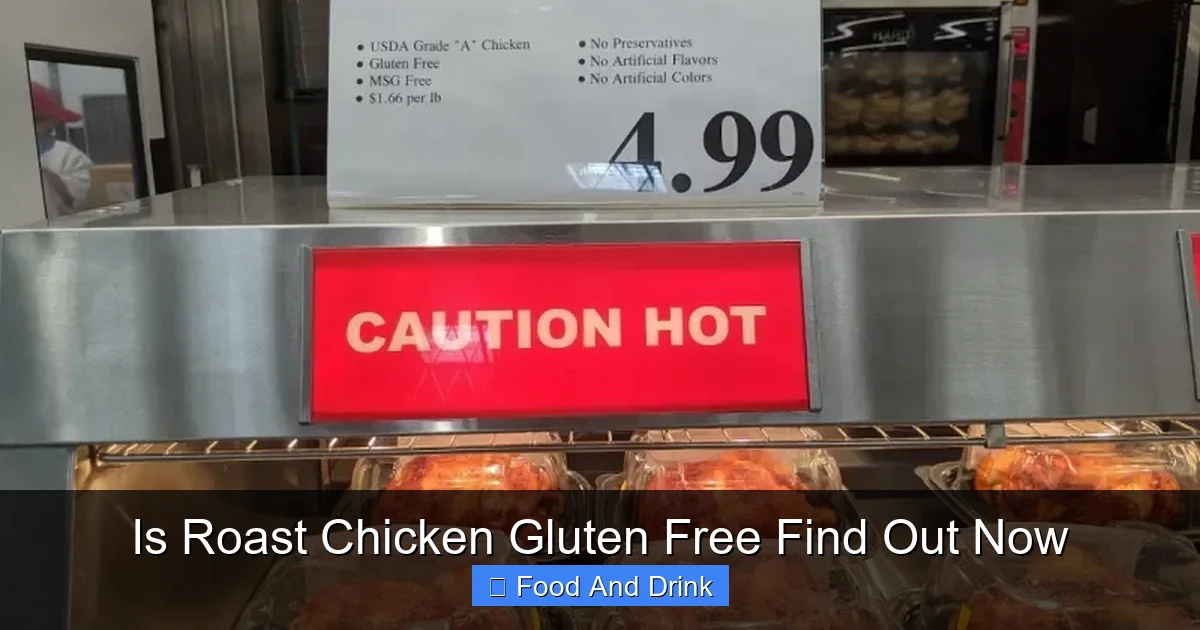
What about rotisserie chicken from the grocery store or fast food chains? These can be convenient, but they’re not always safe. Many store-bought rotisserie chickens are seasoned with spice blends that contain gluten. For example, some popular brands use “natural flavors” that may include malt or wheat derivatives.
Fast food roast chicken—like what you’d find at a chain restaurant—is even riskier. These chickens are often pre-marinated with flavor packets that include soy sauce or other gluten-containing ingredients. Plus, they’re usually cooked in large rotisserie ovens that may also be used for breaded or fried items, increasing cross-contamination risk.
If you’re buying rotisserie chicken, always check the ingredient list. Look for brands that disclose all ingredients and avoid those with vague terms like “seasoning” or “flavor.” Some grocery stores now offer gluten-free rotisserie chickens—look for labels or ask at the deli counter.
And remember: even if the chicken itself is gluten free, the sides and sauces may not be. Mashed potatoes made with gravy, stuffing, or cornbread are common accompaniments that often contain gluten. Stick to simple sides like steamed vegetables, plain rice, or a green salad with olive oil and vinegar.
How to Make Gluten-Free Roast Chicken at Home

Visual guide about Is Roast Chicken Gluten Free Find Out Now
Image source: simplychickenrecipe.com
The safest way to enjoy roast chicken on a gluten-free diet is to make it yourself. When you control the ingredients and the cooking environment, you eliminate most of the risks. Here’s how to do it right.
Start with a whole chicken—organic or free-range if possible. Rinse it (optional) and pat it dry with paper towels. This helps the skin crisp up. Then, season it generously with salt, pepper, and your favorite herbs. Fresh rosemary, thyme, and sage work beautifully. You can also add garlic cloves and lemon halves inside the cavity for extra flavor.
For the skin, rub the chicken with olive oil or melted butter. This helps it brown and stay moist. Avoid using pre-made herb butters unless they’re labeled gluten free—many contain fillers or flavorings with gluten.
Place the chicken breast-side up in a roasting pan. You can put it on a rack to allow air circulation, but make sure the rack is clean and hasn’t been used for gluten-containing foods. Roast in a preheated oven at 375°F (190°C) for about 20 minutes per pound, or until the internal temperature reaches 165°F (74°C) in the thickest part of the thigh.
If you want to add vegetables, toss carrots, potatoes, and onions with olive oil, salt, and pepper, and scatter them around the chicken. Just make sure your potatoes are plain—no pre-seasoned or flavored varieties that might contain gluten.
Gluten-Free Basting and Flavor Boosters
Basting keeps the chicken moist and adds flavor. But again, watch out for hidden gluten. Instead of using store-bought sauces, make your own basting liquid. A simple mix of olive oil, lemon juice, garlic, and herbs works great. You can also use gluten-free chicken broth or white wine.
If you want a richer flavor, try a garlic-herb butter baste. Melt unsalted butter (check the label—some brands add flour), then stir in minced garlic, chopped parsley, and a pinch of salt. Brush this over the chicken every 20–30 minutes during roasting.
For a citrus twist, squeeze fresh orange or lemon juice over the chicken during the last 30 minutes of cooking. The acidity brightens the flavor and helps tenderize the meat.
And if you’re feeling adventurous, try a gluten-free spice rub. Mix smoked paprika, garlic powder, onion powder, dried thyme, salt, and black pepper. Rub it all over the chicken before roasting. Just make sure your spices are certified gluten free—some bulk-bin spices can be cross-contaminated.
Avoiding Cross-Contamination at Home
Even at home, cross-contamination is a risk if you’re not careful. If someone else in your household eats gluten, take extra precautions. Use separate cutting boards, knives, and utensils for gluten-free cooking. Clean your roasting pan and rack thoroughly before use.
If you’re using a roasting bag, make sure it’s labeled gluten free. Some brands use wheat starch as a release agent. And never use the same brush for basting that you’ve used on gluten-containing foods.
Store your gluten-free ingredients separately, and label them clearly. This helps prevent accidental mix-ups, especially if you’re new to gluten-free cooking.
Gluten-Free Roast Chicken Recipes and Variations
Now that you know the basics, let’s get creative. Roast chicken is incredibly versatile, and there are countless ways to make it delicious and gluten free.
One popular variation is Mediterranean roast chicken. Rub the chicken with olive oil, then season with oregano, garlic powder, onion powder, salt, and pepper. Stuff the cavity with lemon wedges, garlic cloves, and fresh oregano. Roast as usual. Serve with a side of olives, tomatoes, and cucumbers for a fresh, flavorful meal.
For a spicy twist, try a chipotle-lime rub. Mix smoked paprika, chipotle powder, garlic powder, lime zest, salt, and a touch of honey (or maple syrup for a vegan option). Rub it over the chicken and let it marinate for an hour before roasting. The result is smoky, slightly sweet, and packed with heat.
If you love Asian-inspired flavors, go for a gluten-free teriyaki roast chicken. Use coconut aminos instead of soy sauce, and thicken the glaze with cornstarch. Brush it on during the last 20 minutes of cooking for a glossy, flavorful finish.
And for a herb-crusted version, finely chop fresh parsley, thyme, and rosemary, then mix with gluten-free breadcrumbs (made from gluten-free bread or store-bought), grated Parmesan (check for gluten-free labeling), and olive oil. Press this mixture onto the chicken skin before roasting. It creates a crispy, flavorful crust that’s totally gluten free.
Gluten-Free Stuffing and Sides
No roast chicken dinner is complete without sides. But remember: traditional stuffing is off-limits. Instead, make a gluten-free version using gluten-free bread, celery, onion, herbs, and gluten-free broth. Bake it separately to avoid cross-contamination.
Other great sides include:
– Roasted vegetables (carrots, Brussels sprouts, sweet potatoes)
– Quinoa or rice pilaf (use gluten-free broth)
– Green salad with olive oil and balsamic vinegar
– Mashed potatoes (made with milk, butter, and salt—no gravy)
And if you want gravy, make a simple gluten-free version. After roasting, remove the chicken and pour the drippings into a saucepan. Skim off excess fat, then whisk in a slurry of cornstarch and water. Cook until thickened, then season with salt and pepper. You can also add a splash of white wine or gluten-free broth for extra flavor.
Conclusion: Enjoying Roast Chicken Safely on a Gluten-Free Diet
So, is roast chicken gluten free? The answer is: it depends. When made with simple, whole ingredients and prepared carefully, roast chicken is a safe and delicious option for anyone on a gluten-free diet. But hidden gluten in seasonings, marinades, and cooking methods can turn this humble dish into a health risk.
The key is awareness. Read labels, ask questions, and when in doubt, make it yourself. Homemade roast chicken gives you full control over ingredients and preparation, ensuring a safe and satisfying meal.
Whether you’re cooking for yourself, a family member with celiac disease, or just trying to eat cleaner, knowing how to identify and avoid gluten is essential. With the right knowledge and a few simple swaps, you can enjoy roast chicken anytime—without worry.
So go ahead, fire up the oven, and savor that golden, crispy, gluten-free roast chicken. Your taste buds—and your gut—will thank you.
Frequently Asked Questions
Is roast chicken naturally gluten free?
Yes, chicken itself contains no gluten. Gluten is only found in wheat, barley, and rye. Plain roast chicken with simple seasonings is naturally gluten free.
Can gluten-free people eat roast chicken with stuffing?
Only if the stuffing is made with gluten-free bread. Traditional stuffing contains wheat bread and is not safe. Serve gluten-free stuffing on the side to avoid cross-contamination.
Are all spice blends gluten free?
No, many spice blends contain anti-caking agents or fillers made from wheat. Always check the label or choose certified gluten-free brands.
Is soy sauce safe for gluten-free roast chicken?
Traditional soy sauce contains wheat and is not gluten free. Use tamari or coconut aminos labeled gluten free instead.
Can I use regular flour to thicken gravy for roast chicken?
No, regular flour contains wheat. Use cornstarch, arrowroot, or a gluten-free flour blend to thicken gravy safely.
Is it safe to eat roast chicken at a buffet?
Buffets pose a high risk of cross-contamination. Utensils, serving trays, and nearby gluten-containing foods can transfer gluten. It’s best to avoid unless the restaurant has a dedicated gluten-free station.


