

Grilling chicken with the skin on locks in moisture and enhances flavor, while skinless chicken cooks faster but risks drying out. The best choice depends on your priorities—crispy texture and rich taste versus leaner, quicker cooking.
Grilling chicken is one of life’s simple pleasures. The sizzle as it hits the hot grates, the smoky aroma that fills the air, and that first bite—juicy, flavorful, and perfectly charred. But here’s a question that sparks debate among backyard chefs and culinary pros alike: Should you grill chicken with the skin on or off?
It’s not just a matter of personal taste. The decision affects everything from texture and moisture to cooking time and nutritional value. Some swear by the crispy, golden skin that forms when chicken is grilled with the skin intact. Others prefer the leaner, quicker-cooking option of skinless pieces, especially when watching calories or serving health-focused meals.
So, which is truly better? The answer isn’t black and white. It depends on your goals, your grill setup, and how much time you’re willing to invest. In this guide, we’ll break down the pros and cons of grilling chicken with skin on versus off, explore the science behind moisture retention and flavor development, and share expert tips to help you achieve the best results—no matter which method you choose.
Whether you’re firing up the charcoal for a summer cookout or using a gas grill for a weeknight dinner, understanding the role of chicken skin can elevate your grilling game. Let’s dive into the details and settle the debate once and for all.
Key Takeaways
- Skin-on chicken stays juicier: The fat and skin act as a natural barrier, preventing moisture loss during grilling.
- Skin adds rich flavor and crisp texture: Rendered fat and Maillard reaction create a savory, crunchy exterior.
- Skinless chicken cooks faster: Without the skin, heat penetrates more quickly, reducing overall cooking time.
- Skinless is leaner and lower in calories: Ideal for health-conscious grillers, though it requires careful monitoring to avoid dryness.
- Marinating is crucial for skinless chicken: Helps retain moisture and infuse flavor since there’s no protective skin layer.
- Proper grill temperature matters most: Medium heat (350–375°F) works best for both styles to prevent burning or undercooking.
- Resting the meat is essential: Let grilled chicken rest 5–10 minutes to redistribute juices, regardless of skin status.
Quick Answers to Common Questions
Does grilling chicken with skin on make it healthier?
Not necessarily. While skin-on chicken is juicier and more flavorful, it’s also higher in fat and calories. For a healthier option, consider grilling with skin on but removing it before eating.
Can you eat the skin after grilling?
Yes, grilled chicken skin is safe and delicious to eat. It becomes crispy and flavorful when properly cooked, thanks to rendered fat and the Maillard reaction.
How do you prevent skinless chicken from drying out on the grill?
Brine or marinate the chicken before grilling, use medium heat, and cook with a two-zone fire. Always use a meat thermometer to avoid overcooking.
Is it safe to grill chicken with the skin on?
Absolutely. Grilling chicken with skin on is safe as long as it reaches an internal temperature of 165°F (74°C). The skin actually helps protect the meat from drying out.
Which tastes better: skin-on or skin-off grilled chicken?
Most people prefer skin-on for its rich flavor and crispy texture. However, skinless can still taste great with proper seasoning and moisture retention techniques.
📑 Table of Contents
The Role of Chicken Skin in Grilling
Chicken skin isn’t just a wrapper—it’s a powerhouse of flavor, moisture, and texture. Made up of collagen, fat, and connective tissue, the skin transforms dramatically when exposed to high heat. As it cooks, the fat renders out, basting the meat from the outside and keeping it tender. Meanwhile, the proteins and sugars in the skin undergo the Maillard reaction, creating that irresistible golden-brown crust packed with umami depth.
When you grill chicken with the skin on, you’re essentially giving the meat a built-in moisture shield. The skin acts like a barrier, slowing down evaporation and preventing the lean breast or thigh meat from drying out. This is especially important for chicken breasts, which are notorious for turning rubbery if overcooked.
But skin isn’t just functional—it’s delicious. That crispy, slightly chewy texture is a crowd-pleaser at any BBQ. The rendered fat also carries flavor, especially if you’ve seasoned the skin with herbs, spices, or a dry rub. A well-seasoned skin can elevate plain chicken into something restaurant-worthy.
On the flip side, skinless chicken lacks this protective layer. Without it, the meat is more vulnerable to drying out, particularly on high-heat grills. However, it also cooks faster and absorbs marinades more readily, which can be a advantage if you’re short on time or aiming for a lighter meal.
Understanding how skin behaves on the grill helps you make an informed choice. If you’re after juiciness and bold flavor, skin-on is hard to beat. But if speed and lower fat content are your priorities, skinless might be the way to go—just be prepared to monitor it closely.
Flavor and Texture: Skin-On vs. Skin-Off

Visual guide about Grill Chicken with Skin On or Off for Best Flavor and Juice
Image source: restaurantstella.com
When it comes to flavor and texture, the difference between skin-on and skin-off grilled chicken is like night and day. Let’s break it down.
Skin-On Chicken: Rich, Crispy, and Juicy
Grilling chicken with the skin on delivers a trifecta of excellence: rich flavor, crispy texture, and lasting juiciness. The skin’s fat content is key here. As the chicken cooks, the fat slowly melts and bastes the meat, infusing it with moisture and savoriness. This self-basting effect is especially noticeable in thighs and drumsticks, but even breast meat benefits from the added protection.
The Maillard reaction—the chemical process that occurs when proteins and sugars brown under heat—happens most dramatically on the skin. This creates complex, nutty, and slightly sweet flavors that you simply can’t get from skinless meat. Plus, the skin crisps up beautifully when grilled over medium heat, giving you that satisfying crunch with every bite.
Many grill masters also score the skin lightly before cooking. This helps it render more evenly and prevents curling, ensuring a uniform golden finish. A sprinkle of salt, pepper, garlic powder, or smoked paprika on the skin amplifies the flavor even further.
Skin-Off Chicken: Lean, Tender, and Quick
Skinless chicken, on the other hand, offers a cleaner, lighter taste. Without the fat-rich skin, the natural flavor of the meat shines through—especially if you’ve used a good marinade or brine. It’s also faster to cook, since there’s no layer of skin and fat to slow down heat penetration.
This makes skinless chicken ideal for quick weeknight meals or when you’re grilling smaller cuts like tenders or cutlets. It’s also a favorite among health-conscious eaters, as removing the skin can reduce calories and saturated fat by up to 50% per serving.
However, the trade-off is texture. Without the skin’s protective barrier, skinless chicken is far more prone to drying out. The lean breast meat, in particular, can become tough and stringy if left on the grill too long. That’s why timing and temperature control are critical when going skinless.
Some grillers compensate by pounding the meat to an even thickness or using a meat thermometer to ensure it reaches 165°F (74°C) without overcooking. Brining or marinating for at least 30 minutes can also help retain moisture.
The Verdict on Flavor and Texture
If you’re hosting a BBQ and want to impress with bold, restaurant-style flavor and that perfect crispy bite, go skin-on. The combination of rendered fat, Maillard browning, and moisture retention makes it the superior choice for taste and texture.
But if you’re cooking for a lighter meal, need faster results, or prefer a less greasy finish, skinless chicken can still deliver—provided you take extra care with preparation and cooking technique.
Ultimately, both styles have their place in a well-rounded grilling repertoire. The key is knowing when to use each and how to maximize their strengths.
Moisture Retention: Which Stays Juicier?

Visual guide about Grill Chicken with Skin On or Off for Best Flavor and Juice
Image source: images.squarespace-cdn.com
One of the biggest challenges in grilling chicken is keeping it juicy. Lean cuts like breasts are especially vulnerable, often turning dry and rubbery if not handled properly. So, how do skin-on and skin-off methods compare when it comes to moisture retention?
How Skin-On Chicken Retains Moisture
The skin acts as a natural moisture barrier. As the chicken heats up, the fat beneath the skin begins to render, dripping down and basting the meat. This process keeps the surface moist and slows down evaporation, allowing the interior to cook gently without drying out.
Even if the skin itself becomes crispy, the meat underneath stays tender and succulent. This is why many professional chefs recommend grilling chicken with the skin on, especially for longer cooking times or when using indirect heat.
Additionally, the skin helps regulate temperature. It insulates the meat from direct flame flare-ups, reducing the risk of charring while ensuring even cooking. This is particularly useful when grilling over charcoal, where heat can be less consistent.
The Challenge with Skinless Chicken
Without the skin, chicken loses its primary defense against moisture loss. The exposed meat surface dries out quickly, especially on high-heat grills. This is why skinless chicken breasts often end up tough and chewy—even if they’re cooked to the correct internal temperature.
To combat this, many grillers use brining or marinating. A saltwater brine (1/4 cup salt per quart of water) helps the meat retain water during cooking, while acidic marinades (like lemon juice or vinegar) can tenderize and add flavor. However, these methods require advance planning and don’t fully replicate the protective effect of skin.
Another trick is to use a two-zone fire—searing over direct heat, then moving the chicken to indirect heat to finish cooking. This prevents the exterior from drying out before the interior is done.
Real-World Results
In side-by-side tests, skin-on chicken consistently outperforms skinless in juiciness. Tasters often describe skin-on grilled chicken as “succulent,” “tender,” and “full of flavor,” while skinless versions are frequently labeled “dry” or “overcooked”—even when cooked to the same temperature.
That said, with careful technique, skinless chicken can still be moist. It just requires more attention and preparation. If you’re committed to going skinless, consider using a meat thermometer, brining, and avoiding high heat.
Cooking Time and Temperature Control
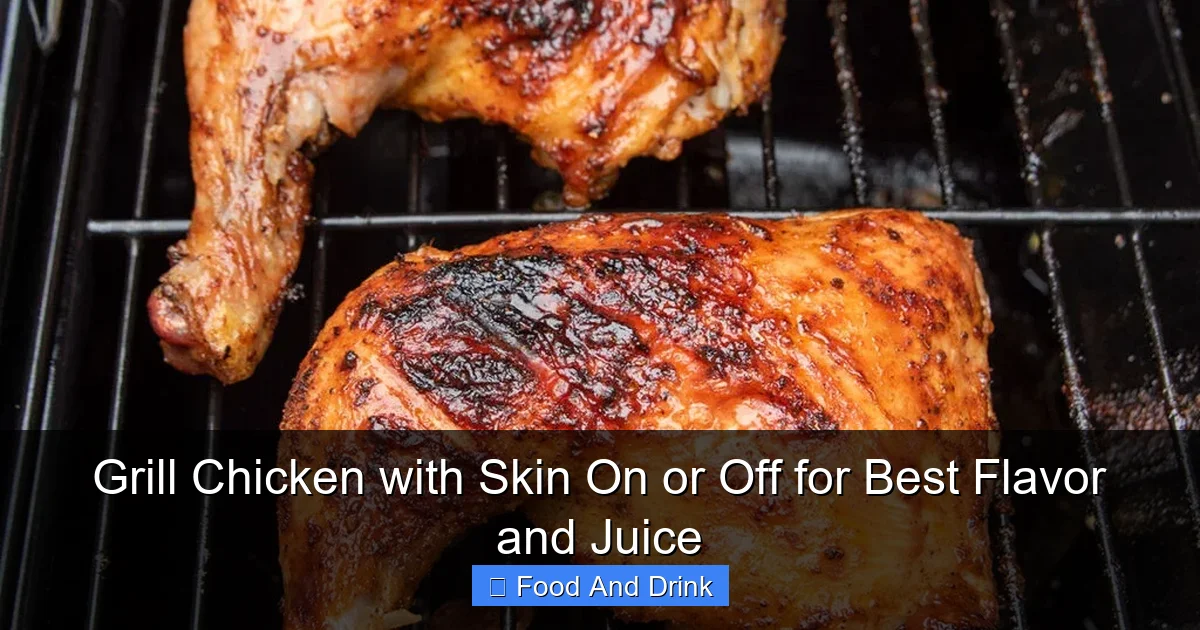
Visual guide about Grill Chicken with Skin On or Off for Best Flavor and Juice
Image source: grillonadime.com
Cooking time and temperature are critical factors in grilling success—and they differ significantly between skin-on and skin-off chicken.
Skin-On Chicken: Slower, More Even Cooking
Because the skin and underlying fat act as insulators, skin-on chicken takes longer to cook than skinless. This slower cooking process allows for more even heat distribution, reducing the risk of hot spots and undercooked centers.
For best results, use a two-zone fire: sear the skin side over direct heat for 2–3 minutes to crisp it up, then move the chicken to indirect heat to finish cooking. This method ensures the skin gets crispy without burning while the meat cooks through gently.
Target an internal temperature of 165°F (74°C) for safety, but use a meat thermometer to avoid overcooking. Chicken breasts typically take 12–15 minutes total on the grill when skin-on, while thighs and drumsticks may need 18–22 minutes.
Skin-Off Chicken: Faster, But Riskier
Skinless chicken cooks faster—often 20–30% quicker than skin-on. This is because heat penetrates the meat more directly without the barrier of skin and fat. While this is convenient, it also increases the risk of drying out.
To prevent this, keep the grill at medium heat (around 350–375°F or 175–190°C). Avoid high flames, which can char the surface before the inside is done. Use a meat thermometer and check for doneness early—skinless breasts may be ready in just 8–10 minutes.
Marinating or brining beforehand can add extra insurance against dryness. Also, consider pounding thicker cuts to an even thickness so they cook uniformly.
Tips for Both Methods
Regardless of skin status, always preheat your grill. A hot grill ensures a good sear and prevents sticking. Use tongs instead of a fork to flip the chicken—piercing the meat releases juices.
Let the chicken rest for 5–10 minutes after grilling. This allows the juices to redistribute, resulting in a more flavorful and tender bite.
Health and Nutrition: Calories and Fat Content
Nutrition is another key consideration when choosing between skin-on and skin-off grilled chicken.
Skin-On: Higher in Fat and Calories
Chicken skin is rich in fat—mostly saturated and monounsaturated. A single 3-ounce serving of skin-on chicken breast can contain up to 12 grams of fat and 200 calories, compared to just 3 grams of fat and 140 calories for the skinless version.
While this fat contributes to flavor and juiciness, it may not align with low-fat or calorie-restricted diets. However, not all fat is bad. The fat in chicken skin includes heart-healthy monounsaturated fats, and moderate consumption can be part of a balanced diet.
Skin-Off: Leaner and Lighter
Removing the skin significantly reduces fat and calorie content. This makes skinless chicken a popular choice for weight management, athletic diets, or anyone watching their fat intake.
It’s also lower in cholesterol, though the difference is modest. For most people, the health benefits of going skinless are clear—especially when combined with a nutritious marinade and plenty of vegetables on the side.
Balancing Flavor and Health
You don’t have to choose extremes. Consider grilling skin-on chicken but removing the skin before eating. This gives you the juiciness and flavor during cooking, with the option to enjoy a leaner bite at the table.
Alternatively, use skin-on thighs or drumsticks—they’re naturally juicier than breasts and can handle the fat better. Or, go skinless but enhance moisture with a yogurt-based marinade or brine.
Practical Tips for Grilling Success
No matter which method you choose, these tips will help you grill chicken like a pro.
For Skin-On Chicken
- Pat the skin dry before seasoning—moisture prevents crisping.
- Score the skin lightly to help it render evenly and lie flat.
- Season generously with salt, pepper, and your favorite spices.
- Start skin-side down over direct heat to crisp the skin, then move to indirect heat.
- Use a meat thermometer to check for 165°F (74°C) internally.
For Skin-Off Chicken
- Brine for 30 minutes to 2 hours to boost moisture.
- Marinate in acidic or enzymatic ingredients (like lemon, vinegar, or yogurt) for flavor and tenderness.
- Cook over medium heat to avoid drying out.
- Use a two-zone fire: sear quickly, then finish over indirect heat.
- Don’t overcook—check temperature early and often.
Universal Tips
- Preheat your grill for at least 10–15 minutes.
- Oil the grates to prevent sticking.
- Let chicken rest after grilling for juicier results.
- Serve with fresh herbs, citrus wedges, or a light sauce.
Conclusion: Which Should You Choose?
So, is it better to grill chicken with skin on or off? The answer depends on what you value most.
If you’re after maximum flavor, crispy texture, and guaranteed juiciness, go skin-on. The fat and skin work together to create a mouthwatering result that’s hard to beat—especially for thighs, drumsticks, or whole chicken halves.
But if you’re prioritizing speed, lower calories, or a leaner meal, skinless chicken can still shine—with the right techniques. Brining, marinating, and careful temperature control are your best allies.
Ultimately, both methods have their merits. The best grill masters know how to use both, adapting to the occasion, the cut of meat, and their guests’ preferences. So fire up the grill, experiment with both styles, and discover what works best for your taste.
One thing’s for sure: well-grilled chicken—whether skin-on or off—is always a win.
🎥 Related Video: Common Mistakes You're Making When Grilling Chicken
📺 Tom’s Kitchen
In this video, I’ll go over some common mistakes beginners make when grilling chicken on their gas BBQ propane grill and I’ll …
Frequently Asked Questions
Should I remove chicken skin before grilling?
It depends on your preference. Leaving the skin on helps retain moisture and adds flavor, while removing it reduces fat and calories. Many grillers cook with skin on and remove it before eating.
Does chicken skin burn easily on the grill?
Chicken skin can burn if exposed to high, direct heat for too long. To prevent this, start skin-side down over medium heat and move to indirect heat to finish cooking.
Can you grill boneless, skinless chicken breasts without drying them out?
Yes, but it requires care. Brine or marinate the breasts, use medium heat, and avoid overcooking. A meat thermometer is essential to ensure they reach 165°F without going over.
Is grilled chicken skin crispy?
When grilled properly, chicken skin becomes crispy and golden. Pat it dry before cooking and start skin-side down over direct heat to achieve the best texture.
Does skin-on chicken take longer to cook?
Yes, skin-on chicken takes slightly longer because the skin and fat act as insulators. Use a meat thermometer to ensure it reaches a safe internal temperature.
What’s the best way to season chicken skin before grilling?
Pat the skin dry, then season generously with salt, pepper, garlic powder, smoked paprika, or your favorite dry rub. Let it sit for 15–30 minutes before grilling for maximum flavor.